
In an increasingly interconnected world, managing your finances effectively often extends beyond traditional banking. Digital payment platforms have become indispensable tools for personal finance, online income generation, and global transactions. Among these, PayPal stands out as a pioneering and widely recognized service, offering a robust and secure way to send, receive, and manage money digitally. For individuals and businesses alike, understanding how to open a PayPal account is the first critical step toward unlocking a vast array of financial conveniences and opportunities. This guide delves into the process, emphasizing the financial implications and benefits of integrating PayPal into your personal financial ecosystem.

The Indispensable Role of PayPal in Modern Finance
PayPal has evolved far beyond a simple online payment processor; it’s a comprehensive financial tool that bridges gaps in traditional banking services, particularly for the digitally native economy. Its prominence is rooted in its ability to facilitate secure and swift transactions across borders and between different financial institutions, often with greater ease and lower costs than conventional methods.
Empowering Personal Finance Management
For individuals, PayPal offers a streamlined way to manage everyday expenditures. Whether it’s splitting a dinner bill with friends, paying for online purchases, or subscribing to digital services, PayPal centralizes these transactions. It provides a clear digital ledger of your spending, which is an invaluable asset for budgeting and tracking financial outflows. Furthermore, its integration with various online retailers means secure checkout processes without repeatedly sharing sensitive card details, adding a layer of protection to your personal finances. This convenience and security make it a cornerstone for anyone looking to modernize their financial habits.
A Catalyst for Online Income and Side Hustles
The rise of the gig economy and remote work has underscored PayPal’s importance as a financial conduit for online income. Freelancers, content creators, e-commerce entrepreneurs, and those engaging in side hustles often rely on PayPal to receive payments from clients and customers worldwide. Its global reach eliminates many of the complexities associated with international money transfers, providing a reliable and efficient mechanism for individuals to monetize their skills and efforts. For many, PayPal isn’t just a payment method; it’s the banking backbone for their entrepreneurial ventures, enabling them to expand their financial horizons beyond local markets.
Essential Financial Tool for Global Transactions
In an era of global connectivity, the ability to send and receive money across borders effortlessly is a significant financial advantage. PayPal facilitates these international transactions, supporting multiple currencies and providing transparent exchange rates. This capability is crucial for families with relatives abroad, international students, global shoppers, and businesses engaged in cross-border trade. It democratizes access to global financial flows, making it an essential financial tool for anyone operating in an interconnected world.
Your Step-by-Step Guide to Setting Up a PayPal Account
Opening a PayPal account is a straightforward process designed to be accessible to a wide audience. However, understanding each step ensures a smooth setup and prepares you for responsible financial management within the platform.
Choosing Your Account Type: Personal vs. Business
The first decision involves selecting the appropriate account type.
- Personal Accounts are ideal for individuals looking to shop online, send money to friends and family, or receive occasional payments. They are designed for casual financial interactions and everyday use.
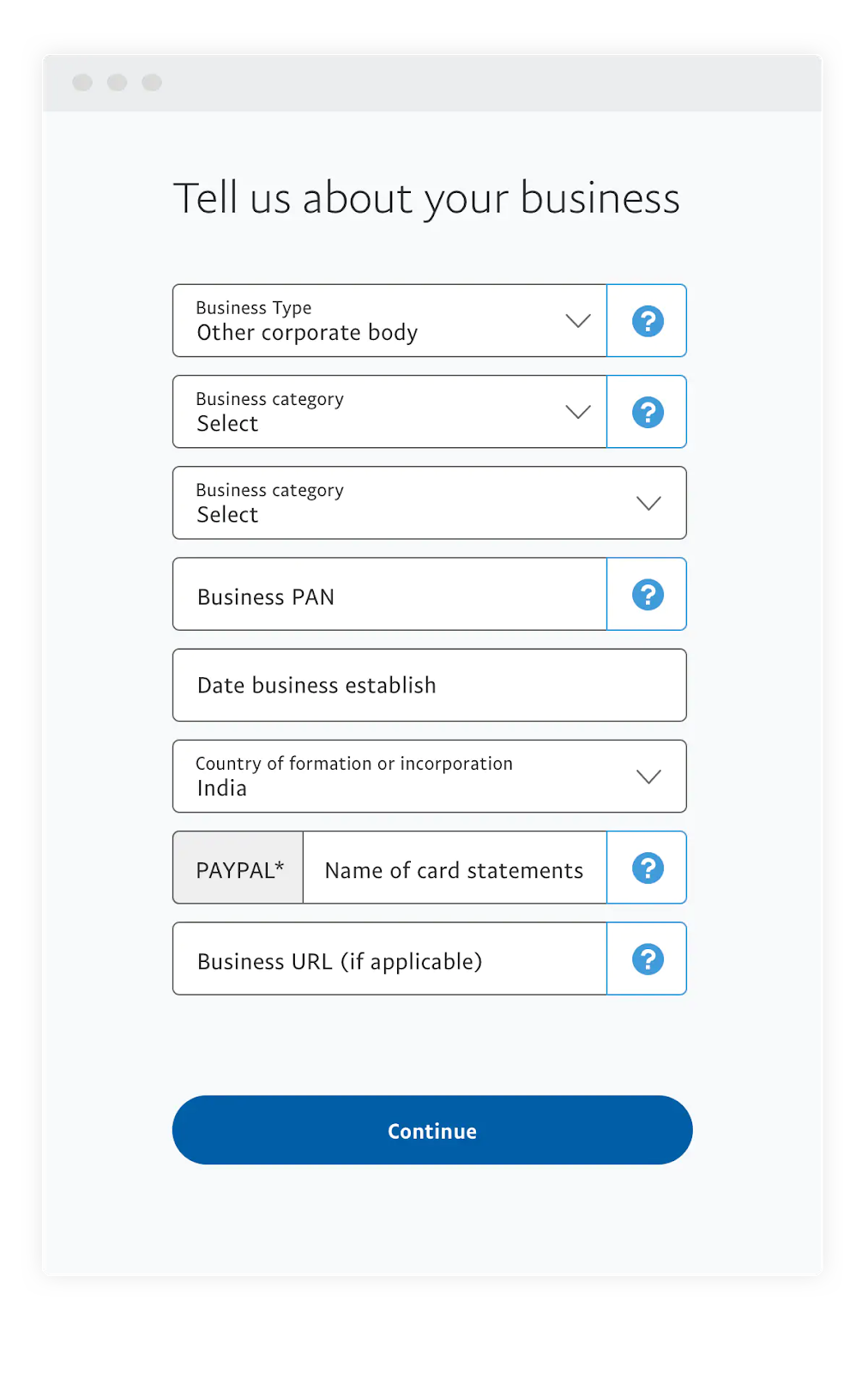
- Business Accounts are tailored for merchants, freelancers, and companies that regularly send and receive payments for goods and services. These accounts offer advanced features like invoicing tools, multi-user access, and enhanced reporting capabilities crucial for business finance management. Your choice here impacts the features and regulatory requirements you’ll encounter, so select based on your primary financial needs.
Entering Your Personal Information Securely
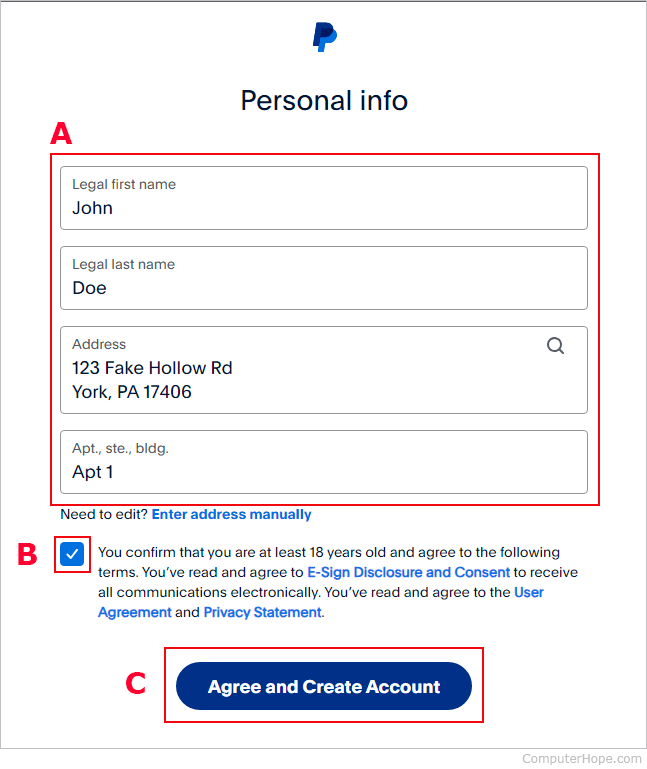
After selecting an account type, PayPal will prompt you to provide essential personal details. This typically includes your full legal name, email address, phone number, and physical address. For security and regulatory compliance (Know Your Customer – KYC regulations), PayPal requires accurate information. This data is vital for identity verification, preventing fraud, and ensuring the integrity of financial transactions. Always double-check your entries to avoid future complications with account access or transactions.
Crafting a Strong Password and Security Questions
Security is paramount in digital finance. When creating your PayPal account, you’ll be required to set a strong, unique password. Best practices suggest combining uppercase and lowercase letters, numbers, and symbols, and avoiding easily guessable information. Additionally, you’ll set up security questions, which serve as an extra layer of protection for account recovery or verification. Choose answers that you can easily remember but would be difficult for others to guess. These steps are critical for safeguarding your financial information and preventing unauthorized access to your funds.
Verifying Your Account for Enhanced Financial Security and Functionality
While you can perform some basic functions after initial setup, a verified PayPal account unlocks its full potential and significantly enhances your financial security. Verification processes are standard practice for financial tools to comply with anti-money laundering (AML) and KYC regulations.
Email Verification: The First Essential Step
Upon registration, PayPal sends a verification link to the email address you provided. Clicking this link confirms that the email address belongs to you and is active. This step is crucial not only for security but also for enabling notifications regarding your transactions, account activity, and important updates. Without a verified email, you might face limitations in using your account and could miss critical financial alerts.
Phone Number Confirmation: Adding a Layer of Security
Adding and confirming your phone number provides an additional layer of security and convenience. This enables two-factor authentication (2FA), where a code is sent to your phone for login or high-value transactions, significantly reducing the risk of unauthorized access. A verified phone number also allows PayPal to send you text notifications for account activity and provides an alternative method for account recovery should you forget your password. For any serious engagement with online finance, 2FA via phone is a non-negotiable security measure.
Connecting Your Bank and Cards for Seamless Transactions
The true power of PayPal as a financial tool lies in its ability to connect seamlessly with your existing banking infrastructure. This integration allows you to fund your PayPal account, make payments, and withdraw funds with ease.
Linking Your Bank Account for Funding and Withdrawals
Linking a bank account is arguably the most important step for full PayPal functionality. It allows you to:
- Fund your PayPal balance: Transfer money directly from your bank account to your PayPal balance to make purchases or send payments. This is often a fee-free way to add funds.
- Withdraw funds: Transfer money from your PayPal balance back to your bank account, enabling you to access your online income or received payments in physical currency or via your traditional bank card. This process typically takes a few business days but is essential for converting digital funds into accessible cash.
The linking process usually involves PayPal making small deposit/withdrawal transactions to your bank account, which you then verify by entering the amounts back into PayPal. This confirms you are the legitimate owner of the bank account, bolstering the security of your financial transfers.
Adding Debit and Credit Cards for Flexible Payments
Beyond bank accounts, you can link one or more debit and credit cards to your PayPal profile. This offers several key advantages:
- Alternative Funding Source: If your PayPal balance is low, or you prefer not to use your bank account directly, linked cards provide an instant funding source for payments.
- PayPal Buyer Protection: When you pay with a linked card through PayPal, you often benefit from PayPal’s buyer protection policies, adding an extra layer of financial security for your purchases.
- Flexibility and Convenience: Having multiple funding options ensures you can always complete transactions, regardless of the available balance in any single account. This flexibility is crucial for efficient personal finance management, allowing you to choose the most appropriate payment method for each transaction.
Maximizing Your PayPal Account: Beyond Basic Payments
With your account fully set up and verified, PayPal transforms into a versatile financial instrument ready to support various aspects of your digital financial life.
Receiving Payments for Online Work and Side Hustles
As previously highlighted, PayPal is a go-to platform for receiving payments from clients worldwide. Whether you’re a freelancer on Upwork, a seller on eBay, or a creator monetizing content, PayPal simplifies the process. You can easily generate payment requests, send invoices, and track incoming funds, making it an invaluable tool for managing online income streams and scaling your side hustles into more substantial financial ventures. The platform’s reporting features can also assist in tracking earnings for tax purposes, simplifying your financial record-keeping.
Sending Money to Friends and Family Globally
PayPal makes it incredibly simple to send money to friends and family, both domestically and internationally. For personal payments, especially within the same country and funded by a bank account or PayPal balance, transactions are often free. This is a significant advantage over traditional wire transfers, which can incur hefty fees. For international transfers, PayPal provides transparent currency conversion and competitive rates, making it a cost-effective solution for supporting loved ones or managing shared expenses across borders.
Online Shopping and Subscription Management
For online shoppers, PayPal streamlines the checkout process, allowing you to make purchases without repeatedly entering your card details. This not only saves time but also adds a layer of security by keeping your sensitive financial information off various merchant websites. Furthermore, many online subscriptions and recurring payments can be managed directly through PayPal, giving you a centralized dashboard to view, update, or cancel services, thereby enhancing control over your recurring expenditures and protecting your personal finance budget.
Leveraging PayPal for Budgeting and Expense Tracking
While not a dedicated budgeting app, PayPal’s detailed transaction history provides an excellent foundation for tracking your spending. Every payment sent or received is recorded, creating a chronological log of your financial activity. You can export these reports, categorize transactions, and integrate them into personal budgeting software or spreadsheets. For those engaged in online income generation, this feature is vital for monitoring cash flow, understanding profit margins, and preparing for financial reviews or tax filings. Used diligently, your PayPal activity log can become a powerful tool for maintaining financial discipline and achieving your monetary goals.
Opening a PayPal account is more than just creating another online profile; it’s an empowering step towards more efficient, secure, and globally connected financial management. By following these steps and understanding the myriad features available, you position yourself to leverage PayPal as an essential component of your personal finance strategy, embracing the convenience and opportunities of the digital economy.
aViewFromTheCave is a participant in the Amazon Services LLC Associates Program, an affiliate advertising program designed to provide a means for sites to earn advertising fees by advertising and linking to Amazon.com. Amazon, the Amazon logo, AmazonSupply, and the AmazonSupply logo are trademarks of Amazon.com, Inc. or its affiliates. As an Amazon Associate we earn affiliate commissions from qualifying purchases.