
The landscape of retail has been irrevocably transformed by the advent of e-commerce and the increasing consumer demand for convenience. Even giants built on the brick-and-mortar warehouse model, like Costco, have had to adapt, integrating sophisticated technological solutions to bring their signature bulk offerings directly to members’ doors. Beyond the simple act of placing an order online, the mechanics of “how Costco delivery works” reveal a complex interplay of proprietary platforms, advanced logistics software, strategic third-party partnerships, and data-driven optimization. This article delves into the technological backbone that enables Costco to fulfill its delivery promise, offering a professional and insightful look into the systems that power modern bulk retail.
The Digital Front Door: Costco’s E-commerce Platform
At the heart of Costco’s delivery operation lies its robust e-commerce platform, which serves as the primary interface between members and its vast inventory. This digital storefront, accessible via the Costco website and mobile app, is engineered to handle the unique demands of bulk purchasing and membership-based retail, providing a seamless and secure shopping experience.
User Experience and Interface Design
Costco’s digital platforms prioritize clarity and ease of navigation, mirroring the straightforward, no-frills approach of its physical warehouses. The user interface (UI) is designed to be intuitive, allowing members to browse categories, search for specific items, and view product details efficiently. High-quality product images, detailed descriptions, and transparent pricing are crucial elements. Given the nature of bulk purchasing, the system must clearly display unit pricing and package sizes, helping members make informed decisions that align with their value proposition. The mobile app, in particular, is optimized for on-the-go browsing and ordering, incorporating features like push notifications for order updates and personalized recommendations.
Membership Verification and Personalized Shopping
A cornerstone of the Costco experience, membership verification, is seamlessly integrated into the online ordering process. Members must log in to access pricing and place orders, with their membership status validated against Costco’s central database. This integration not only upholds the membership model but also enables a personalized shopping experience. The platform can track past purchases, preferred items, and frequently bought categories, generating tailored recommendations that enhance convenience and drive repeat business. Personalization extends to promotions and special offers, ensuring members receive relevant communications directly through the platform.
Cart Management and Checkout Systems
The checkout process is a critical juncture in the e-commerce journey. Costco’s cart management system is designed to handle large order volumes, allowing members to add numerous bulk items without performance degradation. As items are added, the system dynamically calculates the subtotal, estimated delivery fees, and applicable taxes. The checkout system itself is streamlined, minimizing the number of steps required to complete a purchase. Secure payment gateways are integrated, supporting various payment methods while adhering to stringent data encryption and PCI DSS compliance standards to protect sensitive financial information. Additionally, the system intelligently presents delivery options based on the chosen items (e.g., same-day grocery via Instacart vs. standard shipping for general merchandise), guiding the member through the appropriate fulfillment path.
Orchestrating the Supply Chain: From Warehouse to Web
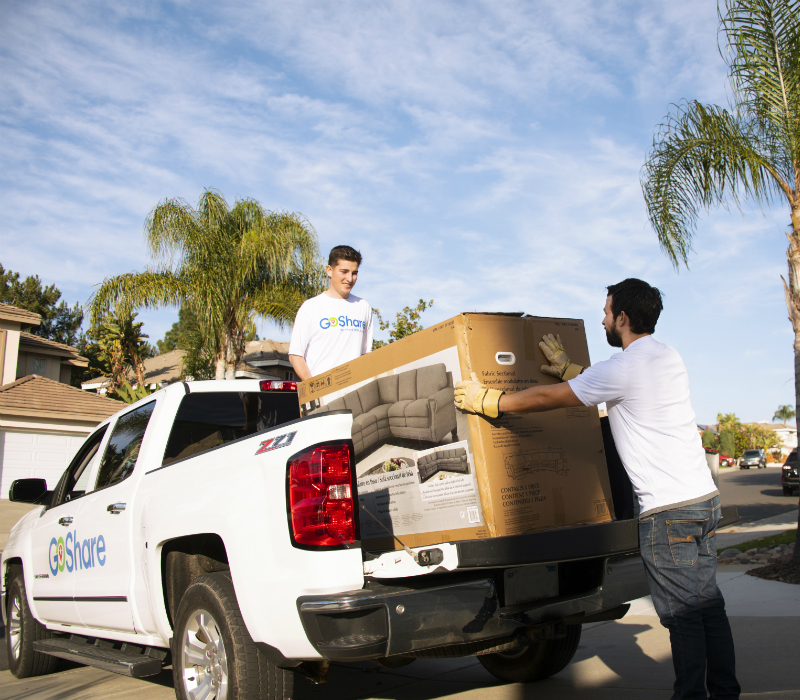
Once an order is placed, a complex orchestration of technology and logistics springs into action. Costco leverages sophisticated systems to manage inventory, pick orders, and prepare them for dispatch, whether from a local warehouse, a dedicated e-commerce fulfillment center, or directly from a supplier. This intricate network ensures that the right products are available at the right time and location.
Integrated Inventory Management Systems
Central to efficient delivery is a robust inventory management system (IMS) that provides real-time visibility into stock levels across Costco’s vast network. These systems integrate data from physical warehouses, e-commerce fulfillment centers, and even direct supplier feeds. By accurately tracking product availability, the IMS prevents overselling, minimizes backorders, and optimizes stock replenishment. For perishable goods offered through same-day delivery, the IMS might be integrated with expiration date tracking, ensuring only fresh products are dispatched. Advanced algorithms can predict demand based on historical sales data, seasonality, and promotional activities, enabling proactive stocking decisions that are crucial for bulk retail.
Order Picking and Fulfillment Technologies
The physical act of fulfilling an order relies heavily on technology. For items dispatched from a warehouse, sophisticated warehouse management systems (WMS) are at play. These systems direct pickers (human or, increasingly, robotic) to the most efficient routes within the warehouse to collect items. Technologies like barcode scanners, voice-picking systems, and handheld devices guide staff, reducing errors and speeding up the fulfillment process. For grocery and same-day delivery orders, which are often picked directly from a local Costco store, dedicated “personal shoppers” use specialized mobile apps integrated with the store’s inventory to quickly locate and select items. These apps often include features for communicating with the customer about substitutions or out-of-stock items, enhancing transparency and customer satisfaction.
Warehouse Management Systems (WMS)
Costco’s WMS goes beyond simple picking, encompassing the entire lifecycle of goods within its distribution centers. This includes receiving, putaway (storing items in their designated locations), slotting (optimizing storage locations based on demand), and outbound shipping. Modern WMS often utilize AI and machine learning to continually optimize these processes, for example, by dynamically re-slotting popular items closer to packing stations or adjusting picking routes based on real-time traffic within the warehouse. The WMS also integrates with packaging and labeling systems, ensuring products are correctly prepared for their journey to the customer, whether for parcel shipping or pallet delivery.
The Last Mile Challenge: Partnering for Seamless Delivery
The “last mile”—the final leg of delivery from the fulfillment center or store to the customer’s doorstep—is notoriously the most complex and expensive part of the supply chain. Costco addresses this challenge through a multi-pronged approach, prominently featuring strategic partnerships and leveraging advanced logistics technology.
The Instacart Partnership: API Integration and Data Exchange
For same-day grocery and perishable deliveries, Costco extensively partners with Instacart. This collaboration is enabled by deep API (Application Programming Interface) integration between Costco’s e-commerce platform and Instacart’s logistics network. When a member chooses same-day delivery for eligible items, the order details are seamlessly transmitted to Instacart. Instacart’s platform then dispatches a personal shopper to a local Costco warehouse, manages the picking process, and arranges for delivery. This integration allows for real-time data exchange, including order status, inventory updates, and shopper communications, providing a cohesive experience for the member despite involving multiple entities.
Real-Time Tracking and Customer Communication
A critical aspect of the modern delivery experience is transparency. Both Costco’s direct shipping and its Instacart-powered deliveries offer real-time tracking capabilities. Through the website or app, members can monitor the status of their order, from preparation and dispatch to in-transit updates and estimated delivery times. This is achieved through GPS tracking of delivery vehicles and drivers, with the data fed back into the customer-facing interface. Automated notifications (via email, SMS, or push notifications) keep customers informed of key milestones, such as order confirmation, dispatch, and impending arrival, minimizing anxiety and improving overall satisfaction. For Instacart orders, the ability to communicate directly with the personal shopper adds an extra layer of real-time interaction, allowing for immediate resolution of issues like item substitutions.
Leveraging Local Logistics Networks
Beyond Instacart, Costco also utilizes a network of regional and national third-party logistics (3PL) providers for standard shipping of non-perishable goods and larger bulk items. These partnerships allow Costco to scale its delivery operations without owning and maintaining an extensive fleet for every product category. The selection of 3PLs is often optimized by the delivery management system (DMS) based on factors like cost, delivery speed, and service quality for specific geographical areas or product types. These 3PLs integrate their tracking and delivery data back into Costco’s systems, ensuring a consistent customer experience and unified order visibility.
Data-Driven Delivery: Optimizing Efficiency and Experience
In the hyper-competitive e-commerce landscape, data is king. Costco continually harvests vast amounts of data from its delivery operations to refine processes, enhance efficiency, and personalize the customer journey. This data-driven approach is fundamental to maintaining profitability and delivering a superior member experience.
Predictive Analytics for Inventory and Demand Forecasting
Leveraging historical sales data, seasonal trends, promotional impacts, and even external factors like weather, Costco employs sophisticated predictive analytics. These models forecast demand for specific products at various locations, informing inventory stocking levels in warehouses and guiding purchasing decisions. For perishable goods, accurate demand forecasting is critical to minimize waste and ensure freshness. By anticipating demand, Costco can optimize its supply chain, reduce holding costs, and ensure products are available when members want them, preventing stock-outs that can lead to lost sales and customer dissatisfaction.
Route Optimization Algorithms and Fleet Management
For its own direct delivery operations and its oversight of 3PL partners, Costco utilizes advanced route optimization algorithms. These algorithms consider multiple variables—delivery addresses, traffic conditions, vehicle capacity, driver availability, and delivery time windows—to calculate the most efficient routes. The goal is to minimize fuel consumption, reduce delivery times, and maximize the number of deliveries per route. Fleet management software tracks vehicle performance, maintenance schedules, and driver hours, ensuring operational efficiency and compliance. For Instacart and other last-mile partners, their internal systems perform similar optimizations, which ultimately benefit Costco by ensuring timely and cost-effective deliveries.
Personalization and Customer Insights
Every interaction on Costco’s digital platforms generates valuable data. This data is analyzed to build a comprehensive understanding of individual member preferences, shopping habits, and pain points. Machine learning algorithms use this information to power personalized product recommendations, tailor marketing communications, and proactively address potential issues. For example, if a member frequently orders a specific brand of coffee, the system might suggest complementary items or alert them to a sale on that product. Feedback loops, including post-delivery surveys and customer service interactions, provide crucial insights into delivery performance, allowing Costco to identify areas for improvement and continually refine its technological solutions and operational processes.
Looking Ahead: Future Tech and the Evolution of Bulk Retail Delivery
The technology underpinning retail delivery is in a constant state of evolution. As consumer expectations continue to rise and new innovations emerge, Costco, like other major retailers, will need to embrace future technologies to stay competitive and further enhance its delivery capabilities.
Automation and Robotics in Warehousing
The future of fulfillment centers increasingly points towards greater automation and robotics. Automated Guided Vehicles (AGVs) and Autonomous Mobile Robots (AMRs) can assist or even replace human pickers, speeding up order fulfillment and reducing labor costs. Robotic arms can handle repetitive tasks like packing and sorting. Costco’s vast warehouses, designed for bulk storage and movement, are prime candidates for such technologies, which can significantly improve throughput, accuracy, and efficiency, especially during peak seasons.
AI-Powered Customer Service and Personalization
Artificial intelligence (AI) will continue to revolutionize customer service and personalization. AI-powered chatbots and virtual assistants can handle routine inquiries about order status, delivery schedules, and product information, freeing up human agents for more complex issues. Furthermore, AI’s ability to analyze vast datasets will lead to even more sophisticated personalization, predicting not just what a member might buy, but also when they might buy it, and even anticipating potential issues before they arise, offering proactive solutions.
Sustainable Delivery Solutions and Electric Fleets
With growing environmental concerns, the retail industry is under pressure to adopt more sustainable practices. Electric vehicles (EVs) for delivery fleets are a significant step in this direction, reducing carbon emissions and operational costs (fuel and maintenance) in the long run. Costco, through its own operations and its partners, will likely invest more in sustainable logistics technologies, including optimized routing for EV charging, package consolidation, and environmentally friendly packaging materials. The integration of “green” delivery options will not only align with corporate social responsibility goals but also appeal to an increasingly eco-conscious consumer base.
Costco’s journey into delivery is a testament to the transformative power of technology in adapting a traditional business model to meet modern demands. From the intuitive e-commerce platform and the intricate supply chain management systems to the strategic last-mile partnerships and the continuous leverage of data analytics, every aspect of “how Costco delivery works” is underpinned by sophisticated technological solutions. As retail continues its rapid evolution, embracing future innovations will be key to Costco’s sustained success in the increasingly competitive world of bulk e-commerce.
aViewFromTheCave is a participant in the Amazon Services LLC Associates Program, an affiliate advertising program designed to provide a means for sites to earn advertising fees by advertising and linking to Amazon.com. Amazon, the Amazon logo, AmazonSupply, and the AmazonSupply logo are trademarks of Amazon.com, Inc. or its affiliates. As an Amazon Associate we earn affiliate commissions from qualifying purchases.