
Paresthesia of the skin, often described as a pins-and-needles sensation, numbness, tingling, or burning, is a common neurological symptom experienced by millions worldwide. Far from being a mere fleeting discomfort, persistent paresthesia can significantly impact quality of life, pointing to underlying conditions ranging from benign nerve compression to more serious neurological disorders. In an era increasingly defined by digital innovation, our understanding and approach to paresthesia are being transformed. This article delves into the phenomenon of paresthesia, not just as a medical symptom, but through the revolutionary lens of technology, exploring how digital tools, AI, and cutting-edge devices are reshaping diagnosis, treatment, and patient care.
Understanding Paresthesia Through the Lens of Digital Health
Before diving into the technological interventions, it’s crucial to establish a foundational understanding of paresthesia itself. This common sensation, which most people have experienced after sitting awkwardly or a limb “falling asleep,” offers a fertile ground for technological exploration, from initial symptom recognition to long-term management.
The Core Phenomenon: A Brief Medical Overview
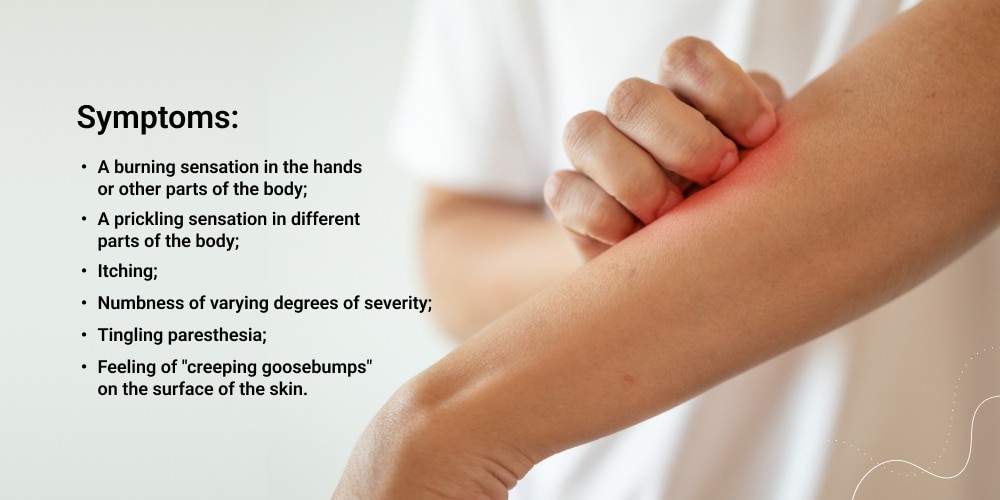
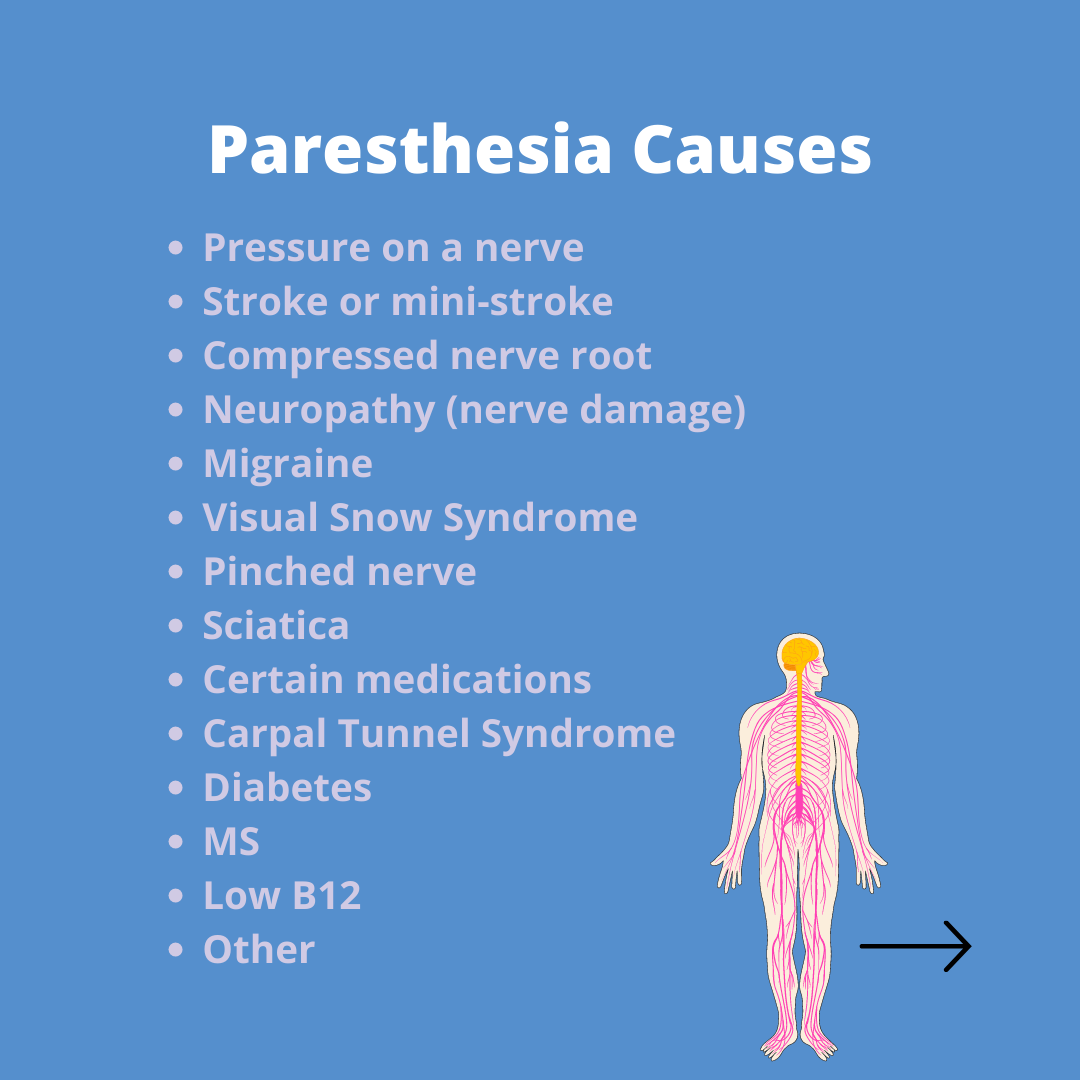
Paresthesia arises from a disturbance in nerve function, specifically affecting sensory nerves responsible for transmitting touch, temperature, and pain signals to the brain. When these nerves are irritated, compressed, damaged, or otherwise malfunctioning, they can send abnormal signals, resulting in the characteristic tingling, prickling, numbness, or burning sensations. Causes are diverse, including temporary nerve compression (like carpal tunnel syndrome), nutrient deficiencies, anxiety, certain medications, and more severe conditions such as diabetes (neuropathy), multiple sclerosis, stroke, or peripheral nerve injuries. The transient nature of common paresthesia often makes it seem minor, but chronic or unexplained instances necessitate a deeper investigation, increasingly aided by sophisticated tech solutions.
Bridging Medical Science and Digital Innovation
The traditional diagnostic pathway for paresthesia often involves physical examinations, patient history, and sometimes nerve conduction studies or imaging. However, these methods can be time-consuming, subjective, or lack the granular data needed for precise diagnoses. This is where digital health steps in. Technology isn’t just an adjunct; it’s becoming an integral part of how we perceive, measure, and respond to nerve-related discomforts. From wearable sensors that track subtle physiological changes to AI algorithms that parse complex symptom patterns, technology offers new avenues for understanding the intricate dance of the nervous system and its manifestations on the skin. This convergence of medical science and digital innovation promises not only earlier detection but also more personalized and effective management strategies for those afflicted by paresthesia.
Cutting-Edge Diagnostic Technologies for Paresthesia
The journey from symptom to diagnosis for paresthesia can be complex. However, advances in technology are dramatically improving the accuracy, speed, and non-invasiveness of diagnostic procedures, moving beyond traditional methods to offer a more holistic and data-rich understanding of the patient’s condition.
Advanced Imaging and Neurological Scans
While MRI and CT scans have long been staples in neurological diagnosis, their capabilities are continuously evolving. High-resolution functional MRI (fMRI) can now detect subtle changes in brain activity associated with sensory processing, offering insights into central nervous system causes of paresthesia. Diffusion Tensor Imaging (DTI) provides detailed maps of nerve fiber tracts, allowing clinicians to visualize nerve damage or demyelination that might not be apparent on conventional scans. Beyond these, emerging techniques like magnetic resonance neurography (MRN) offer direct visualization of peripheral nerves, helping to pinpoint entrapment or injury sites with unprecedented clarity, thereby providing a more precise anatomical basis for paresthesia.
Wearable Sensors and Remote Monitoring
Perhaps one of the most transformative areas in diagnosing and monitoring paresthesia is the proliferation of wearable technology. Smart sensors, integrated into patches, wristbands, or even specialized clothing, can continuously collect physiological data such as skin temperature, galvanic skin response, heart rate variability, and muscle activity. While not directly measuring paresthesia, these metrics can indicate nerve inflammation, blood flow abnormalities, or autonomic nervous system dysfunction, all of which can contribute to sensory symptoms. Remote monitoring allows for the collection of real-world data over extended periods, capturing intermittent symptoms that might be missed during a brief clinic visit. This continuous data stream provides a more complete picture of symptom frequency, intensity, and triggers, enabling doctors to make more informed diagnostic decisions and track the progression of a condition outside of a clinical setting.
AI-Powered Symptom Analysis and Predictive Diagnostics
Artificial intelligence and machine learning are rapidly becoming indispensable tools in diagnostic medicine. For paresthesia, AI can analyze vast datasets, including patient medical histories, genetic information, imaging results, and even subjective symptom descriptions, to identify patterns and correlations that human clinicians might overlook. Natural Language Processing (NLP) allows AI to interpret detailed patient narratives about their sensations, helping to differentiate between various types of paresthesia and link them to potential underlying conditions. Predictive analytics, driven by AI, can also assess an individual’s risk factors and flag early signs of conditions known to cause paresthesia, such as developing diabetic neuropathy, thus enabling proactive interventions and potentially preventing severe nerve damage. The ability of AI to process and synthesize complex information from diverse sources represents a monumental leap in the diagnostic precision for elusive conditions like paresthesia.
Therapeutic and Management Technologies
Beyond diagnosis, technology is playing an increasingly vital role in the management and treatment of paresthesia, offering innovative solutions for symptom relief, nerve repair, and long-term patient support. These advancements span from sophisticated medical devices to accessible digital platforms, all aimed at improving patient outcomes and quality of life.
Neuromodulation Devices and Digital Therapies
Neuromodulation involves altering nerve activity through electrical or chemical means. For paresthesia, particularly when related to chronic pain or specific neuropathies, implantable devices like spinal cord stimulators (SCS) or peripheral nerve stimulators (PNS) can deliver targeted electrical pulses to block pain signals or modulate nerve function, effectively reducing symptoms. Non-invasive alternatives, such as Transcutaneous Electrical Nerve Stimulation (TENS) units, use external electrodes to deliver low-voltage electrical currents to the skin, offering localized relief. Digital therapies are also emerging, leveraging apps and software to deliver cognitive behavioral therapy (CBT) for pain management, virtual reality (VR) guided relaxation, or gamified exercises designed to retrain nerve pathways and desensitize affected areas. These digital interventions provide accessible and engaging ways for patients to manage their symptoms and participate actively in their recovery.
Telemedicine and Virtual Consultations
The rise of telemedicine has fundamentally altered access to healthcare, particularly for conditions requiring ongoing monitoring and specialist consultation. For individuals experiencing paresthesia, virtual consultations allow them to connect with neurologists or pain management specialists from the comfort of their homes, reducing travel burdens and wait times. Telemedicine platforms facilitate remote symptom assessment, medication adjustments, and follow-up care. Combined with data from wearable sensors, doctors can make informed decisions without requiring in-person visits, ensuring continuous care even in geographically remote areas or for patients with mobility issues. This digital bridge ensures that expert advice and ongoing management are readily available, fostering better adherence to treatment plans and prompt adjustments when necessary.
Personalized Digital Health Platforms
The future of managing paresthesia lies in personalization. Digital health platforms are being developed to integrate a patient’s unique medical history, genetic profile, lifestyle data, and real-time symptom tracking to create highly individualized care plans. These platforms can suggest tailored exercises, dietary modifications, stress-reduction techniques, and medication schedules, often with AI-driven adjustments based on a patient’s response. They can also connect patients with support groups, educational resources, and their care team, fostering a holistic and collaborative approach to health management. By leveraging data and advanced algorithms, these platforms empower patients to take a more active role in their health, optimizing treatment efficacy and improving their overall experience of living with paresthesia.
The Future Landscape: AI, VR, and Personalized Medicine
The trajectory of technology in healthcare points towards an increasingly integrated and intelligent system. For paresthesia, the coming decades promise even more sophisticated tools that will not only manage symptoms but potentially offer pathways to prevention and even cure, driven by the synergistic power of AI, virtual reality, and precision medicine.
AI for Drug Discovery and Treatment Optimization
Artificial intelligence is accelerating the pace of drug discovery by simulating molecular interactions, predicting drug efficacy and potential side effects, and identifying new therapeutic targets for nerve repair or regeneration. For conditions causing paresthesia, AI can analyze vast pharmacological databases to repurpose existing drugs or design novel compounds that specifically address nerve damage or dysfunction. Furthermore, AI will refine treatment optimization by personalizing drug dosages and combinations based on an individual’s genetic makeup and real-time physiological responses, moving away from a one-size-fits-all approach. This level of precision promises more effective treatments with fewer adverse effects.
Virtual Reality for Pain Management and Neurological Rehabilitation
Virtual reality (VR) is transcending its entertainment origins to become a powerful therapeutic tool. For paresthesia-related discomfort, VR environments can distract the brain from pain signals through immersive experiences, effectively acting as a non-pharmacological analgesic. In neurological rehabilitation, VR can provide engaging and customizable exercises designed to improve sensory perception, motor control, and nerve coordination, helping patients retrain their brains and limbs after nerve injury or damage. From simulated environments for physical therapy to mindfulness exercises in virtual worlds, VR offers a dynamic and engaging platform for patients to reclaim sensation and function.
The Promise of Precision Medicine
Precision medicine, underpinned by advancements in genomics, proteomics, and bioinformatics, aims to tailor medical treatment to the individual characteristics of each patient. For paresthesia, this means understanding the specific genetic predispositions, molecular pathways, and environmental factors contributing to an individual’s symptoms. Technologies like CRISPR gene editing offer tantalizing prospects for correcting genetic defects that cause certain neuropathies leading to paresthesia. Combining genetic data with wearable sensor outputs, AI analysis, and advanced imaging will create a comprehensive “digital twin” of a patient, allowing for highly personalized preventive strategies, precise diagnostic markers, and bespoke therapeutic interventions, moving towards a future where paresthesia is not just managed, but potentially prevented or cured at its root.
Navigating the Digital Ethics and Accessibility
While the technological advancements in understanding and managing paresthesia offer immense promise, their integration into healthcare also raises critical considerations regarding data privacy, security, and equitable access. Ensuring that these innovations benefit all individuals requires careful planning and ethical frameworks.
Data Privacy and Security in Health Tech
The proliferation of digital health tools, especially those involving wearable sensors and AI platforms, generates vast amounts of sensitive personal health information. Protecting this data from breaches, unauthorized access, and misuse is paramount. Robust cybersecurity measures, adherence to stringent data protection regulations (like GDPR and HIPAA), and transparent policies on data collection and usage are essential to build trust and ensure patient safety. Ethical guidelines must also address how AI algorithms are trained and whether they introduce biases that could affect diagnostic accuracy or treatment recommendations for specific demographic groups.

Ensuring Equitable Access to Advanced Solutions
The digital divide poses a significant challenge to the equitable distribution of advanced health technologies. High costs, lack of internet access, or insufficient digital literacy can exclude vulnerable populations from benefiting from cutting-edge diagnostics and therapies. Initiatives focused on affordable technology development, government subsidies for digital health infrastructure, and educational programs to enhance digital literacy are crucial. Furthermore, the design of these technologies must consider user-friendliness and accessibility for individuals of all ages and abilities, ensuring that innovation translates into tangible improvements in health outcomes for everyone, irrespective of their socio-economic status or geographical location.
In conclusion, paresthesia of the skin, a seemingly simple yet complex neurological symptom, is undergoing a profound transformation in how it’s approached in healthcare, thanks to an explosion of technological innovation. From advanced imaging and wearable sensors that aid in precise diagnosis to AI-powered analytics and virtual reality therapies that redefine treatment and management, technology is not merely supporting but actively reshaping our understanding and intervention strategies for this widespread condition. As we look to the future, the convergence of AI, precision medicine, and digital health platforms promises a landscape where paresthesia is not just relieved but potentially prevented, leading to a significant improvement in the quality of life for millions. However, alongside this exciting progress, a strong emphasis on ethical considerations and equitable access will be critical to ensuring these advancements serve humanity as broadly and fairly as possible.
aViewFromTheCave is a participant in the Amazon Services LLC Associates Program, an affiliate advertising program designed to provide a means for sites to earn advertising fees by advertising and linking to Amazon.com. Amazon, the Amazon logo, AmazonSupply, and the AmazonSupply logo are trademarks of Amazon.com, Inc. or its affiliates. As an Amazon Associate we earn affiliate commissions from qualifying purchases.