
In an increasingly saturated marketplace, brands constantly seek an edge – a deeper connection, a more potent message, an enduring loyalty that transcends fleeting trends. While data analytics, market segmentation, and strategic messaging are indispensable tools, the most impactful brands often tap into something far more profound: the intricate, often unseen, workings of the human mind. This is where the rich insights of psychodynamic theory become not just relevant, but revolutionary, for brand strategy.
At its core, “psychodynamic” refers to the psychological forces that underlie human behavior, feelings, and emotions, and how these might relate to early experience. Originating largely from the work of Sigmund Freud and later expanded by thinkers like Carl Jung, psychodynamic theory posits that much of our mental life—our motivations, desires, fears, and internal conflicts—operates unconsciously. These unconscious processes, shaped by past experiences and relational dynamics, profoundly influence our conscious decisions, perceptions, and interactions with the world, including our engagement with brands.

For the modern brand strategist, marketer, or even individual navigating personal branding, understanding psychodynamic principles means moving beyond surface-level demographics and explicit preferences. It means delving into the hidden drivers that truly compel consumers, forge emotional attachments, and cultivate lasting brand identities. It’s about recognizing that a brand is not just a product or service; it’s a symbolic entity capable of resonating with deep-seated human needs and aspirations.
The Unconscious Drivers of Brand Perception
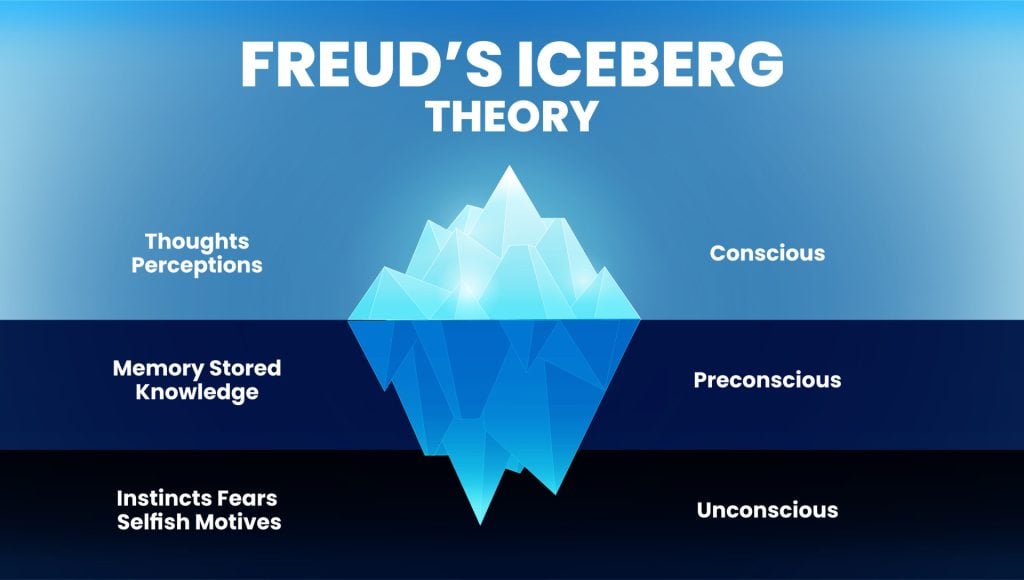
In the realm of branding, the conscious mind is merely the tip of the iceberg. Consumers rarely articulate the true, underlying reasons for their brand loyalties or rejections. Psychodynamic theory offers a powerful framework for exploring the vast, submerged portion of that iceberg – the unconscious motivations that dictate how brands are perceived and integrated into our lives.
Beyond Rational Choice: The Iceberg of Consumer Desire
Traditional marketing often assumes consumers are rational actors, making choices based on features, benefits, and price. While these factors play a role, psychodynamic theory challenges this oversimplification. It suggests that many purchasing decisions, brand affinities, and even resistances are driven by forces outside conscious awareness. These could be unresolved emotional needs, early learned associations, or symbolic meanings that a brand inadvertently (or deliberately) evokes.
Consider luxury brands. While their quality and craftsmanship are undeniable, the premium price often reflects something far more abstract: status, aspiration, belonging, or even a sense of self-worth. A luxury watch might consciously be bought for its precision, but unconsciously, it might fulfill a desire for recognition or a symbol of achievement. A psychodynamic approach encourages marketers to ask: What deeper, often unstated, emotional need is our brand satisfying? What anxieties or desires are we inadvertently triggering or alleviating? By understanding these subterranean currents, brands can craft messages and experiences that resonate on a far more profound level, creating an emotional bond that goes beyond mere transaction.
Archetypes and Collective Unconscious in Branding
Carl Jung, a prominent figure in psychodynamic thought, introduced the concept of archetypes: universal, archaic patterns and images that derive from the collective unconscious and are present in all cultures. These archetypes—such as the Hero, the Innocent, the Sage, the Rebel, the Caregiver—represent fundamental human roles, motivations, and values.
For brands, archetypes are potent tools for crafting identity and narrative. A brand embracing the “Hero” archetype, like Nike, inspires triumph over adversity and personal achievement. A brand embodying the “Caregiver,” like Johnson & Johnson, evokes nurturing and safety. When a brand successfully aligns with an archetype, it taps into a universal human understanding, instantly communicating its essence and forging a deep, almost instinctual, connection with its audience. This isn’t just about superficial branding; it’s about resonating with the very fabric of human experience, bypassing the conscious mind and appealing directly to shared, collective unconscious meanings. Identifying and consistently embodying an archetype allows brands to build a personality that feels familiar, trustworthy, and deeply relevant across diverse cultural landscapes.
Early Experiences and Brand Loyalty: A Psychodynamic Lens
Just as early childhood experiences profoundly shape an individual’s personality and worldview, initial encounters with brands can leave an indelible mark, influencing long-term loyalty or aversion. Psychodynamic theory helps us understand the enduring power of these formative interactions.
The Primacy of Early Brand Encounters
Our earliest experiences often establish templates for how we perceive and interact with the world. Similarly, a consumer’s first interaction with a brand – whether it’s their first taste of a particular soda, their initial experience with customer service, or their earliest exposure to an advertising campaign – can set the stage for a lasting relationship. These initial impressions are not just about conscious evaluation; they often register on an emotional, pre-cognitive level, forming associations that are difficult to dislodge later.
If an early brand experience is positive and gratifying, it can create a sense of security, comfort, or belonging that the brand becomes associated with. This can lead to a form of “brand attachment,” akin to an attachment to a significant figure. Conversely, a negative early experience can foster a deep-seated distrust or aversion, creating a barrier that even subsequent positive encounters may struggle to overcome. Brands that understand this psychodynamic principle prioritize impeccable first impressions, recognizing that they are not just selling a product, but potentially shaping a long-term emotional bond.
Nostalgia and Brand Attachment
Nostalgia, a sentimental longing for the past, is a powerful emotional force that brands frequently harness. From a psychodynamic perspective, nostalgia often connects to a desire to re-experience feelings of security, simplicity, or identity associated with an earlier, often idealized, period of life. Brands that successfully evoke nostalgia tap into these deep-seated emotional reservoirs.
Think of heritage brands that emphasize their long history, or products that intentionally revive retro designs. They aren’t just selling a product; they’re selling a feeling, a memory, a connection to a part of the consumer’s personal history. This ability to link a product to comforting past experiences transforms it from a mere commodity into a repository of cherished emotions. It creates a powerful, almost therapeutic, bond rooted in the psychodynamic need for emotional gratification and continuity, making these brands incredibly resilient and beloved.
Relational Dynamics: Brands as Personalities
In a world where consumers seek authenticity and connection, brands are increasingly viewed not just as entities that provide goods or services, but as possessing distinct personalities and engaging in relationships with their audience. Psychodynamic principles offer invaluable insights into these relational dynamics, helping us understand how consumers project onto brands and how brands, in turn, become extensions of personal identity.
Projecting Identity: What Your Brand Says About Me
A fundamental psychodynamic concept is projection, where individuals unconsciously attribute their own unacceptable thoughts, feelings, or impulses to another person or object. In branding, this manifests as consumers projecting aspects of their ideal self, desired social status, or even unresolved internal conflicts onto brands. A brand becomes a canvas upon which individuals paint their aspirations.
When someone chooses to buy a specific car, wear a certain fashion label, or use a particular tech gadget, they are often making a statement, consciously or unconsciously, about who they are or who they aspire to be. The brand isn’t just fulfilling a functional need; it’s fulfilling a psychodynamic need for self-expression, social signaling, and identity formation. Savvy brands understand this and curate their identity, messaging, and visual language to align with the desired projections of their target audience. They don’t just sell products; they sell tools for identity construction, enabling consumers to communicate their personality and values through their choices.
Building Trust and Attachment: The Brand-Consumer Relationship
The relationship between a consumer and a beloved brand often mirrors human relationships, characterized by trust, loyalty, expectation, and sometimes, even disappointment. A psychodynamic lens helps us analyze the depth of these bonds. Just as in interpersonal relationships, trust with a brand is built over time through consistent positive experiences, reliability, and perceived authenticity. When a brand consistently delivers on its promises, offers support, and aligns with a consumer’s values, it fosters a sense of security and attachment.
Conversely, a “betrayal” by a brand—a major product recall, a scandal, or a significant misstep in ethical conduct—can feel like a personal affront, breaking trust and leading to a sense of disappointment that can be hard to repair. Consumers may “break up” with brands, shifting their loyalty elsewhere, driven by emotional responses that extend far beyond a rational evaluation of a product’s utility. Understanding these relational dynamics allows brands to cultivate deeper, more resilient relationships by prioritizing empathy, transparency, and a consistent “personality” that aligns with their consumers’ evolving emotional landscape.
Psychodynamic Principles in Crafting Brand Strategy
Integrating psychodynamic insights into brand strategy is not about esoteric psychological analysis; it’s about building more resonant, authentic, and effective brands that truly connect with the human spirit. It’s about moving beyond superficial engagement to create deep-seated loyalty and meaning.
Deep Dive into Consumer Insights: Uncovering Hidden Motivations
Traditional market research—surveys, focus groups, explicit feedback—provides valuable data, but often scratches only the surface of consumer motivation. Psychodynamic-informed consumer insights delve deeper, employing techniques that help uncover the hidden needs, anxieties, and desires that truly drive behavior. This might involve qualitative research methods like projective techniques, in-depth interviews, or observational studies designed to interpret symbolic meanings and unconscious associations.
Instead of asking “Why did you buy this product?”, a psychodynamic approach asks “What does this product mean to you?”, “What feelings does it evoke?”, or “What kind of person do you feel like when you use this product?” By moving beyond rational explanations, brands can gain a richer, more nuanced understanding of their audience’s emotional landscape, allowing them to tailor strategies that tap into genuine, compelling motivations. This deep understanding forms the bedrock for creating marketing campaigns that don’t just inform, but truly inspire and move people.
Creating Authentic Brand Narratives
In an age of hyper-connectivity and scrutiny, authenticity is paramount for brands. A psychodynamic understanding can help brands craft narratives that are genuinely authentic because they originate from a deep understanding of the brand’s core purpose, values, and even its “shadow” aspects (its limitations or challenges). Just as individuals achieve authenticity through self-awareness, brands achieve it by understanding their own internal dynamics—their history, their mission, and the collective unconscious archetypes they embody.
An authentic brand narrative isn’t just a story; it’s a reflection of the brand’s true essence, resonating with consumers because it feels real and consistent. It acknowledges the emotional journey the brand has been on, its struggles, its triumphs, and its enduring commitment to its values. By aligning its external messaging with its internal truth, a brand can build trust and establish a genuine connection that cuts through the noise of superficial marketing.

Personal Branding: Understanding Your Core Self
The principles of psychodynamics are not exclusive to corporate brands; they are profoundly relevant for personal branding. Building a compelling personal brand requires more than just curating an online presence or developing a polished elevator pitch. It necessitates deep self-awareness—understanding one’s true motivations, strengths, weaknesses, and the unconscious forces that shape one’s identity and communication style.
From a psychodynamic perspective, personal branding involves exploring one’s unique “narrative,” identifying the core archetypes that define one’s professional persona, and understanding how one’s past experiences influence present interactions and aspirations. By achieving this level of self-insight, individuals can craft a personal brand that is not only strategic but also deeply authentic and resonant. It allows them to communicate their unique essence with integrity, attracting opportunities and connections that genuinely align with their true self, fostering career growth and personal fulfillment rooted in genuine self-expression rather than manufactured image.
In conclusion, while the term “psychodynamic” might initially conjure images of therapy sessions, its relevance extends powerfully into the strategic world of branding and marketing. By illuminating the unconscious motivations, early experiences, and relational dynamics that shape human behavior, psychodynamic insights offer brands an unparalleled advantage. They enable the creation of identities, narratives, and relationships that transcend the transactional, forging deep emotional bonds and cultivating loyalty that endures. In an era where genuine connection is the ultimate currency, understanding the psychodynamic forces at play is no longer a luxury, but a necessity for any brand aspiring to true resonance and lasting impact.
aViewFromTheCave is a participant in the Amazon Services LLC Associates Program, an affiliate advertising program designed to provide a means for sites to earn advertising fees by advertising and linking to Amazon.com. Amazon, the Amazon logo, AmazonSupply, and the AmazonSupply logo are trademarks of Amazon.com, Inc. or its affiliates. As an Amazon Associate we earn affiliate commissions from qualifying purchases.