
In the world of probability and high-stakes finance, few symbols are as iconic as the spinning roulette wheel. For the casual observer, it is a game of chance and glamour. For the mathematically inclined and the financially savvy, it is a complex lesson in probability, house edge, and risk management. One of the most common questions asked by those stepping up to the table—whether in a physical casino or a digital betting platform—is: “What does green pay in roulette?”
While the simple answer is a 35 to 1 payout, the financial implications of that number are far more nuanced. Understanding how the green pockets (the zero and double zero) function is essential for anyone looking to understand the mechanics of risk and reward. This article explores the financial structure of roulette payouts, the impact of the house edge on your bankroll, and the behavioral finance principles that govern high-risk speculation.

The Mathematics of Roulette Payouts and the Green Pocket
To understand what green pays, one must first understand the architecture of the roulette wheel. In most casino games, payouts are structured to look generous while maintaining a mathematical advantage for the “house.” The green pocket is the cornerstone of this advantage.
The American vs. European Difference
There are two primary versions of roulette found globally: European and American. This distinction is the most important factor in your potential return on investment (ROI).
-
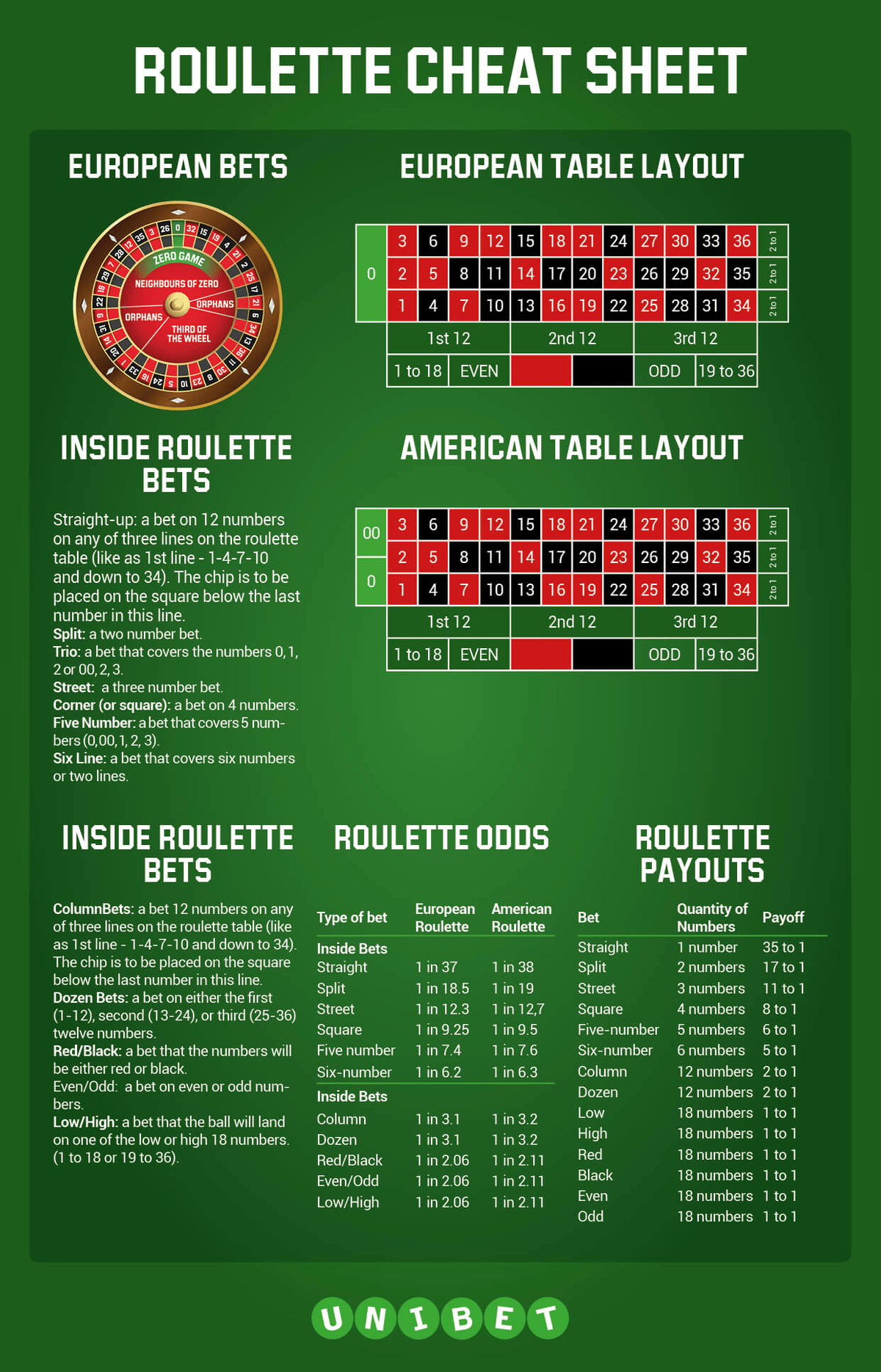
European Roulette: Features a single green pocket (0). There are 37 total pockets.
-
American Roulette: Features two green pockets (0 and 00). There are 38 total pockets.
In both versions, if you place a “straight-up” bet on a single green number and the ball lands there, the payout is 35:1. This means for every $1 you bet, you receive your $1 back plus $35 in profit. However, the probability of this happening changes based on the wheel type. In European roulette, your odds are 1 in 37 (2.70%). In American roulette, your odds drop to 1 in 38 (2.63%).
Calculating the 35:1 Ratio
The 35:1 payout is often misunderstood by beginners as a “fair” reflection of the odds. In a mathematically “fair” game with no house advantage, a win on a 37-pocket wheel would pay 36:1. By paying only 35:1, the casino withholds a small percentage of the true value of the odds.
From a financial perspective, this is essentially a “transaction fee” on your risk. When you bet on green, you are engaging in a high-variance play. While the payout is one of the highest on the table, the frequency of success is low, making it a speculative move rather than a foundational strategy for bankroll preservation.
Risk Management and the House Edge: Why the Green Pocket Matters
In personal finance and professional investing, the “house edge” is comparable to management fees in a mutual fund or the bid-ask spread in stock trading. It is the cost of participation that erodes your capital over time. In roulette, the green pockets are the physical manifestation of that edge.
Why the Green Pocket is the House’s Asset
The green pockets are what prevent roulette from being a 50/50 game on “even-money” bets like Red/Black or Odd/Even. If you bet $100 on Red, you might assume you have a 50% chance of winning. However, if the ball lands on green, all Red and Black bets lose.
In American roulette, the presence of two green pockets creates a house edge of 5.26%. In European roulette, the single green pocket results in a house edge of 2.70%. To put this in perspective for an investor: a 5.26% “fee” on every transaction is catastrophically high. Over a long enough timeline (the law of large numbers), the house edge ensures that the casino will always retain a portion of the total volume wagered, regardless of individual wins or losses.
The Concept of Expected Value (EV)
Expected Value is a critical tool in financial decision-making. It calculates the average amount a player can expect to win or lose per bet in the long run.
The formula for EV is:
(Probability of Winning × Amount Won) – (Probability of Losing × Amount Lost)
For a $10 bet on green in American roulette:
- (1/38 × $350) – (37/38 × $10) = -$0.526
This means that for every $10 bet on green, the player is effectively “paying” the casino 52.6 cents for the privilege of playing. Understanding EV allows a disciplined individual to see past the allure of a 35:1 payout and recognize the underlying cost of the capital being risked.
Strategic Bankroll Management for High-Variance Environments
Whether you are trading volatile cryptocurrencies or sitting at a roulette table, bankroll management is the only defense against total capital depletion. When dealing with payouts like the 35:1 green bet, the variance is extreme, meaning you can go long periods without a win.
The Fallacy of the Martingale System
Many gamblers and novice investors fall into the trap of “doubling down” to recover losses, a strategy known as the Martingale system. The theory is that if you keep doubling your bet on an outcome, you will eventually win and recover all previous losses plus a small profit.
However, the green pocket makes this strategy particularly dangerous. Because the green pocket represents a “third option” outside of the binary Red/Black, it increases the likelihood of a long losing streak. Furthermore, table limits and finite bankrolls mean that a string of 10 or 12 losses—which is statistically common—can lead to total financial ruin. In the world of finance, this is known as “picking up pennies in front of a steamroller.”
Setting Loss Limits and Profit Targets
A professional approach to high-risk environments involves strict parameters:
-
The 1% Rule: Never wager more than 1% of your total liquid bankroll on a single high-variance outcome (like a straight-up bet on green).
-
Stop-Loss Orders: Just as a trader sets a price at which they will exit a losing position, a gambler must have a “walk-away” number.
-
Take-Profit Levels: Because the house edge only manifests over a high volume of spins, the best way to “win” is to exit the game early after a significant payout. If you hit the 35:1 green payout, the mathematically sound move is to cease play, as the probability of a repeat performance is low and the house edge will begin to reclaim your winnings on subsequent spins.
Behavioral Finance: The Psychology of the “Big Win”
The reason people continue to bet on green, despite the unfavorable odds, lies in behavioral finance. Humans are not always rational actors; we are influenced by cognitive biases that affect how we handle money.
The Lure of the Zero
The green pocket is often viewed as a “hidden” or “lucky” number. In psychology, this is related to the “availability heuristic”—we remember the one time we saw a massive 35:1 payout more clearly than the dozens of times the bet failed. This creates a skewed perception of reality where the “big win” feels more attainable than it actually is.
For many, the green bet represents a “lottery ticket” mentality. In financial terms, this is “asymmetric risk,” where a small outlay can lead to a large gain. While this has a place in a diversified investment portfolio (such as venture capital or options trading), it becomes dangerous when it is the primary method of wealth generation.
Treating Speculation as Entertainment, Not Income
The most important distinction in personal finance is between “investing” and “speculating.”
-
Investing involves putting capital into assets that have a positive expected value (like stocks, real estate, or bonds) over time.
-
Speculating (or gambling) involves placing capital into high-variance scenarios with a negative expected value.
Recognizing that a bet on green is a form of paid entertainment rather than a financial strategy is the hallmark of a healthy relationship with money. When you understand that the 35:1 payout is priced specifically to ensure the house’s long-term profitability, you can enjoy the game without compromising your long-term financial security.

Conclusion: The Cost of the Green Spin
So, what does green pay in roulette? On the surface, it pays 35 to 1. But beneath the surface, it pays in lessons about probability, the cost of risk, and the importance of mathematical discipline.
The green pockets are the engine of the casino’s business model. They are the margin that allows the lights to stay on and the drinks to stay free. For the player, they represent a high-risk, high-reward opportunity that requires a deep understanding of bankroll management and expected value. Whether you are at the table for fun or analyzing the mechanics of the game from a financial perspective, always remember that in the world of roulette, the math is the only thing that never blinks. Protect your capital, understand the edge, and always play within the limits of your financial reality.
aViewFromTheCave is a participant in the Amazon Services LLC Associates Program, an affiliate advertising program designed to provide a means for sites to earn advertising fees by advertising and linking to Amazon.com. Amazon, the Amazon logo, AmazonSupply, and the AmazonSupply logo are trademarks of Amazon.com, Inc. or its affiliates. As an Amazon Associate we earn affiliate commissions from qualifying purchases.