
In the landscape of modern chemical engineering and environmental monitoring, data is the primary driver of efficiency and safety. Among the most critical metrics used to evaluate the health of an aqueous system is Oxidation-Reduction Potential, commonly known as ORP. While it may sound like a niche laboratory term, ORP technology is a cornerstone of automated water treatment, food production, and industrial waste management. As we move toward a world defined by the “Internet of Things” (IoT) and smart infrastructure, understanding the hardware and software behind ORP measurement is essential for tech professionals working within industrial automation and sensor development.

At its core, ORP is a measure of the cleanliness of water and its ability to break down contaminants. However, from a technological perspective, it is a measurement of electron activity—specifically, the tendency of a chemical species to acquire electrons and thereby be reduced. In this article, we will explore the technical architecture of ORP sensors, the integration of these sensors into automated systems, and the future of digital liquid analysis.
The Fundamentals of ORP Measurement Technology
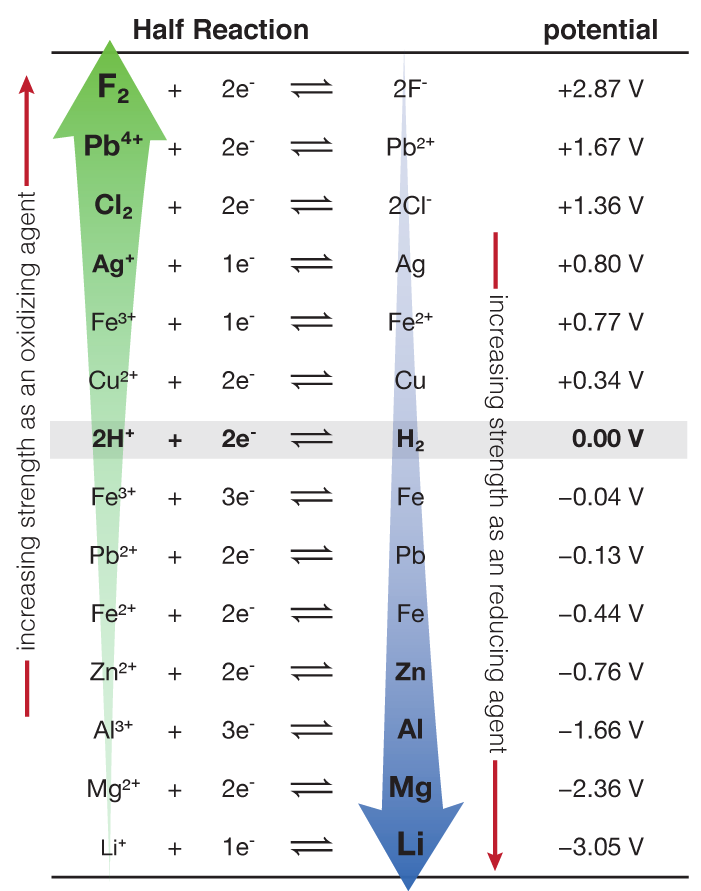
To understand ORP, one must first view it through the lens of electrochemistry translated into digital signals. An ORP sensor does not measure a specific chemical concentration (like a chlorine sensor would); rather, it measures the net “pressure” of electrons in a solution. This is recorded in millivolts (mV).
The Chemical Logic Behind the Digital Data
In any aqueous solution, chemical reactions are constantly occurring where electrons are swapped between molecules. “Oxidizers” (like chlorine, ozone, or oxygen) are electron-hungry; they pull electrons away from other substances. “Reducers” (like sodium bisulfite or organic pollutants) are electron donors.
The ORP value is a direct reflection of the balance between these two forces. A positive ORP reading (e.g., +400 mV to +800 mV) indicates a highly oxidative environment, which is typically desired in sanitization because the oxidizers are “killing” bacteria by stripping them of their cellular integrity. Conversely, a negative ORP reading indicates a reducing environment, which is common in anaerobic conditions or specific industrial processes like metal plating. For a technologist, these millivolt readings are the raw data points that trigger automated responses in a control loop.
Hardware Components: Electrodes and Reference Cells
The hardware used to capture ORP data is a sophisticated piece of electrical engineering. A standard ORP probe typically consists of two main components: a sensing electrode and a reference electrode.
- The Sensing Electrode: Usually made of a noble metal like platinum or gold. These materials are chosen because they do not participate in the chemical reaction themselves but act as a surface for electron exchange. The potential of the solution builds up on this metal surface.
- The Reference Electrode: Usually a silver/silver chloride (Ag/AgCl) system. It provides a stable, constant voltage against which the sensing electrode is compared.
- The Junction: This is the interface where the internal electronics of the probe meet the external liquid. Advances in material science have led to the development of Teflon or ceramic junctions that resist “poisoning” or clogging, ensuring the digital output remains accurate over long periods of time.
Industrial Applications and the Rise of IoT Integration
In the era of Industry 4.0, ORP sensors are no longer standalone tools used by technicians with handheld meters. They are now integrated nodes within a larger network of automated systems, providing real-time telemetry to cloud-based monitoring platforms.
Precision in Water Treatment and Wastewater Management
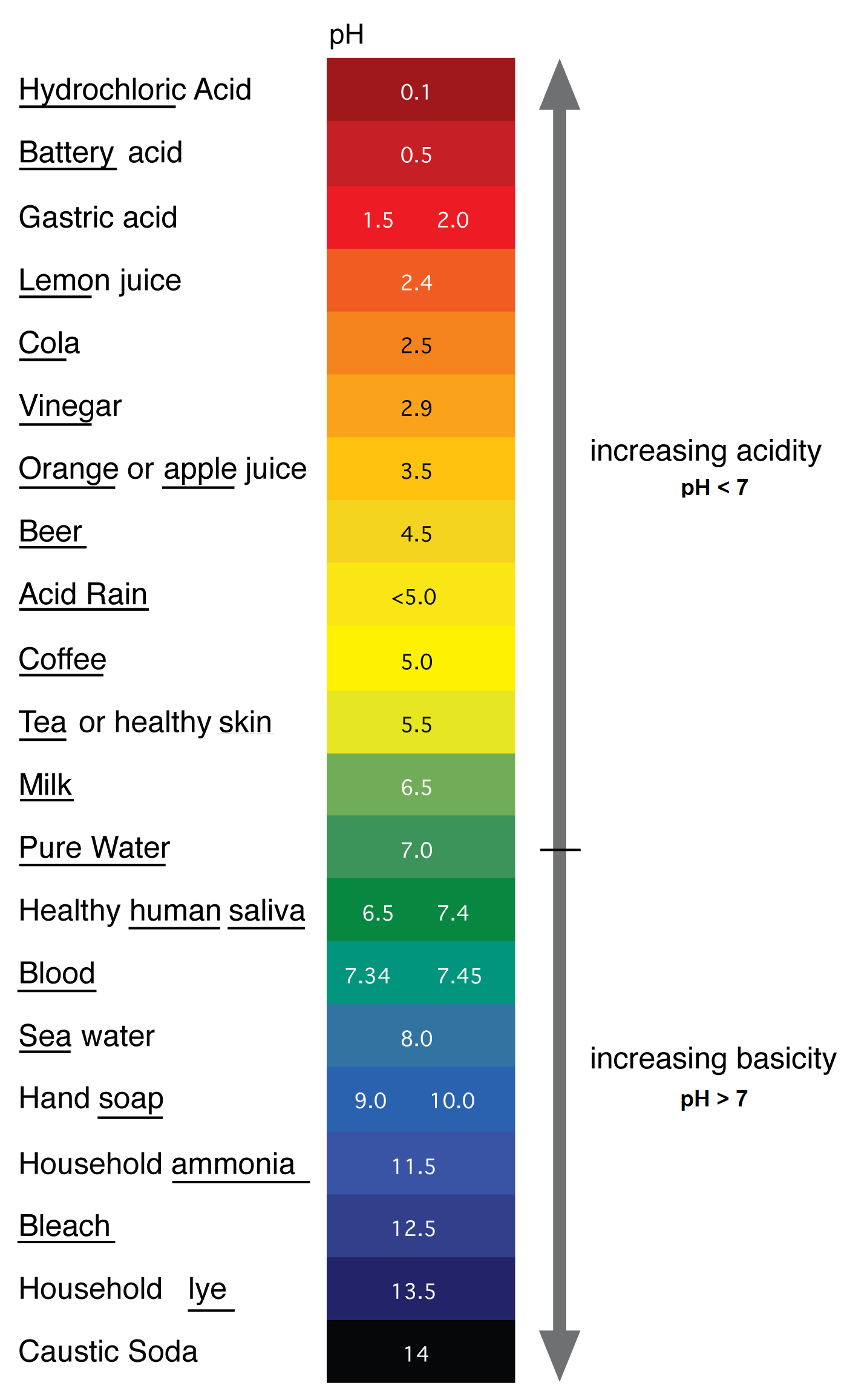
The most prevalent use of ORP technology is in the management of water quality. In municipal water treatment and large-scale commercial swimming pools, maintaining a specific ORP level is the “gold standard” for safety. While measuring pH or parts-per-million (PPM) of chlorine is important, those metrics don’t always tell the whole story. For instance, at a high pH, chlorine becomes less effective. An ORP sensor accounts for this, measuring the actual effectiveness of the sanitizer rather than just its concentration.
In industrial wastewater, ORP technology is used to automate the “destruction” of toxic chemicals. For example, in the treatment of cyanide waste, ORP sensors detect when enough oxidizer has been added to neutralize the toxin, automatically shutting off chemical pumps once the target mV threshold is reached. This automation prevents chemical waste and ensures environmental compliance.
Integration with SCADA and Cloud Monitoring Systems
Modern ORP transmitters are designed to communicate via standard industrial protocols such as 4-20mA analog signals, Modbus RS485, or HART. This allows the sensor to feed data directly into a Supervisory Control and Data Acquisition (SCADA) system.
The latest generation of “Smart Sensors” features onboard microprocessors that convert the analog millivolt signal into digital data directly within the sensor head. This reduces signal noise—a common problem with high-impedance ORP probes—and allows for “Plug-and-Play” functionality. Tech-forward facilities now utilize IoT gateways to push this ORP data to the cloud, allowing engineers to monitor the oxidation levels of a cooling tower or a manufacturing plant from a smartphone dashboard thousands of miles away.
Maintaining Accuracy: Calibration, Maintenance, and Troubleshooting
The primary challenge in ORP technology is the “drifting” of data. Because the sensors rely on physical contact with potentially harsh chemicals, the hardware requires a rigorous maintenance schedule to ensure digital integrity.
Standardizing Measurements through Digital Calibration
Unlike pH sensors, which are calibrated using a multi-point slope, ORP sensors are typically calibrated using a single-point offset. Technicians use “Quinhydrone” solutions or commercially prepared ORP standards (e.g., 200 mV or 475 mV) to check the probe’s accuracy.
In modern tech-driven setups, digital calibration is stored within the sensor’s memory (Memosens or similar technologies). This means a sensor can be calibrated in a controlled laboratory environment and then hot-swapped into an industrial process in the field without requiring re-calibration at the point of use. This shift from analog to “smart” digital sensors has significantly reduced the downtime of automated monitoring systems.
Dealing with Electrode Poisoning and Drift
From a technical troubleshooting perspective, ORP probes are susceptible to “electrode poisoning.” This occurs when substances like oils, proteins, or heavy metals coat the platinum surface, insulating it from the solution. When this happens, the millivolt response becomes sluggish or “flatlines.”
Advanced diagnostic software integrated into modern transmitters can now detect these issues. By monitoring the glass impedance and the reference system’s stability, the software can alert a technician that a probe needs cleaning before the data becomes invalid. This transition from reactive maintenance to predictive maintenance is a hallmark of current industrial technology trends.
Future Trends: The Evolution of ORP Sensing and Automation
As we look toward the future of chemical sensing, the technology surrounding ORP is evolving to become more resilient, smaller, and more intelligent.
AI and Predictive Water Analytics
The next frontier for ORP tech is the integration of Machine Learning (ML). By feeding years of ORP, pH, temperature, and flow data into an AI model, companies are beginning to predict water quality events before they happen. For example, an AI could notice a subtle downward trend in ORP that precedes a bacterial outbreak in a cooling tower, allowing for preemptive chemical dosing. This moves the technology from a “monitor and react” tool to a “predict and prevent” system.
Miniaturization and Lab-on-a-Chip
We are also seeing the rise of solid-state ORP sensors. Traditional sensors are bulky and fragile due to their glass components. Research into “Lab-on-a-Chip” (LOC) technology is producing micro-sensors that use thin-film electrodes. These can be integrated into wearable tech for athletes (to monitor sweat) or into disposable sensors for remote environmental monitoring in smart cities.
Enhanced Digital Security for Industrial Sensors
As ORP sensors become part of the connected IoT landscape, digital security has become a paramount concern. A malicious actor gaining access to a city’s water treatment SCADA system could theoretically spoof ORP data to hide the fact that sanitization levels have dropped. Consequently, the latest industrial tech focus is on “Security at the Edge,” ensuring that the data packet leaving the ORP transmitter is encrypted and authenticated before it ever reaches the cloud.
In conclusion, Oxidation-Reduction Potential is far more than a simple chemical measurement. It is a vital data stream that powers the automation of our most essential industries. From the delicate metallurgy of the probe tip to the complex cloud architectures that process its signals, ORP technology represents a perfect intersection of electrochemistry and digital innovation. For those in the tech sector, staying abreast of these developments is key to managing the automated environments of tomorrow.
aViewFromTheCave is a participant in the Amazon Services LLC Associates Program, an affiliate advertising program designed to provide a means for sites to earn advertising fees by advertising and linking to Amazon.com. Amazon, the Amazon logo, AmazonSupply, and the AmazonSupply logo are trademarks of Amazon.com, Inc. or its affiliates. As an Amazon Associate we earn affiliate commissions from qualifying purchases.