
The quest to find the “safest state to live in” is a deeply personal one, often conjuring images of low crime rates, peaceful neighborhoods, and perhaps a slower pace of life. However, from a purely financial standpoint, the definition of “safety” expands significantly. It encompasses not just physical security but also economic stability, the robustness of public services, the affordability of essential amenities like healthcare, and resilience against unforeseen events that can impact your financial well-being. For individuals and families planning their futures, relocating, or even considering retirement, understanding the financial implications of a state’s overall safety profile is paramount.

This article delves into how different facets of a state’s safety—far beyond just crime statistics—directly influence your personal finances. We’ll explore how economic health, disaster preparedness, and the cost of living contribute to a state’s financial safety net, helping you make an informed decision that secures your wallet as much as your peace of mind.
Beyond Crime Rates: The Broader Definition of “Safety” for Your Wallet
When we think of a “safe” state, our minds often jump immediately to crime statistics. While certainly a critical component, financial safety requires a more holistic view. A state can boast low crime but be economically precarious, expose residents to frequent natural disasters, or impose significant financial burdens through high taxes or inadequate public services. True financial safety involves a comprehensive assessment of factors that protect and enhance your economic life.
Economic Stability and Job Market Security
A state’s economic health forms the bedrock of its residents’ financial security. A robust economy translates into better job opportunities, higher median incomes, and a lower unemployment rate. Conversely, states with volatile economies or declining industries can present significant financial risks, even if crime rates are low. For instance, a state heavily reliant on a single industry might experience widespread job losses during an economic downturn, affecting housing markets, local businesses, and individual savings.
Consider factors like industry diversity, projected job growth, and the presence of major employers. A diverse economic landscape, supported by multiple thriving sectors (tech, manufacturing, healthcare, tourism, etc.), offers greater resilience and a wider array of opportunities, providing a safety net for workers. Furthermore, state policies that foster business growth and innovation can create a more dynamic and secure job market, directly impacting your earning potential and long-term career stability. Evaluating a state’s economic forecast, average wage growth, and the stability of its housing market are crucial steps in determining its financial safety.
Healthcare Access and Affordability
The safety of a state is profoundly linked to the health and well-being of its population, and this has significant financial ramifications. Access to affordable and high-quality healthcare is a major concern for most households. A state might have excellent crime rates, but if its healthcare system is prohibitively expensive or severely lacking in infrastructure (e.g., shortage of doctors, long wait times, limited specialized care), it poses a substantial financial risk. Medical emergencies are a leading cause of bankruptcy in the U.S., making a supportive healthcare environment a non-negotiable aspect of financial safety.
When assessing a state, consider the average cost of health insurance premiums, the availability of providers, the quality of hospitals and clinics, and state-level initiatives designed to expand access to care or reduce costs. States with robust public health programs, lower average out-of-pocket medical expenses, and a higher density of healthcare professionals offer a greater degree of financial security. This becomes even more critical for retirees or individuals with chronic health conditions, where healthcare costs can quickly erode savings if not managed effectively within a supportive state environment.
Natural Disaster Preparedness and Insurance Costs
While not immediately obvious, a state’s susceptibility to natural disasters—and its preparedness to mitigate their impact—is a massive determinant of financial safety. Earthquakes, hurricanes, wildfires, floods, and tornadoes can cause catastrophic damage, leading to significant financial losses for homeowners and businesses. Even with insurance, deductibles, uncovered damages, and the sheer disruption to life can be financially devastating.
States frequently hit by severe weather events often have higher property insurance premiums, and in some cases, certain coverages (like flood or earthquake insurance) might be separate and expensive. Beyond direct damage, prolonged power outages, displacement, and the need for costly repairs can drain emergency funds. When evaluating a state’s safety, research its historical exposure to natural disasters, the effectiveness of its emergency response systems, and the availability of state-backed disaster relief programs. States that invest in resilient infrastructure (e.g., flood barriers, improved building codes) and have well-communicated evacuation plans often demonstrate a higher level of financial safety by reducing the risk and cost associated with recovery. This proactive approach can save residents untold thousands in both direct costs and the intangible value of peace of mind.
The Direct Financial Impact of Living in a Safe State
The benefits of living in a state considered “safe” extend directly to your balance sheet, often in ways that are not immediately apparent but accumulate significantly over time. From reduced insurance costs to enhanced property values, a safer environment can be a substantial financial boon.
Lower Insurance Premiums (Home, Auto, Life)
One of the most tangible financial advantages of living in a statistically safer state is the potential for lower insurance premiums. Insurance companies assess risk meticulously, and a state’s crime rates, incidence of natural disasters, and general economic stability directly influence their pricing models.
- Homeowner’s Insurance: In areas with lower property crime rates (burglary, vandalism) and less susceptibility to natural disasters, homeowner’s insurance premiums tend to be lower. Insurers see less risk of having to pay out claims, passing those savings on to policyholders. Conversely, states prone to hurricanes or high theft rates will see much higher premiums.
- Auto Insurance: While individual driving records are paramount, statewide crime rates for auto theft and vandalism, as well as the frequency of accidents, contribute to overall auto insurance costs. States with safer roads and lower crime incidence often have more favorable auto insurance markets.
- Life Insurance: While less directly tied to daily state safety, a generally healthy and secure environment can indirectly contribute to better overall community health, which insurers might factor in. More broadly, living in a state where one feels financially secure and stable can reduce stress, contributing to overall health.
These savings, while seemingly small on a monthly basis, add up to hundreds or even thousands of dollars annually, freeing up capital for savings, investments, or other personal financial goals.
Property Values and Long-Term Investment
Safety is a prime driver of property value. Homes in safe, well-maintained communities with good public services (including effective law enforcement) consistently command higher prices and appreciate more reliably than properties in areas plagued by high crime or economic uncertainty. This makes choosing a safe state not just about current peace of mind, but also about making a sound long-term financial investment.
When you purchase a home in a financially safe state, you’re not just buying a residence; you’re investing in an asset that is likely to retain or increase its value over time. This stability is crucial for building equity, which can be leveraged for future financial endeavors, retirement, or simply providing a solid foundation for your family’s wealth. Conversely, areas with high crime rates or economic instability often see stagnant or declining property values, turning a primary residence into a depreciating asset rather than a wealth-building tool. States that foster safe environments, invest in infrastructure, and maintain economic vitality offer a stronger return on your housing investment.
Reduced Risk of Financial Loss from Crime
Beyond the emotional toll, crime carries a significant financial burden. Theft, fraud, and property damage directly deplete personal wealth. In states or communities with higher crime rates, individuals are at a greater risk of experiencing these financial losses, whether it’s through stolen valuables, identity theft, or the cost of repairing vandalized property.
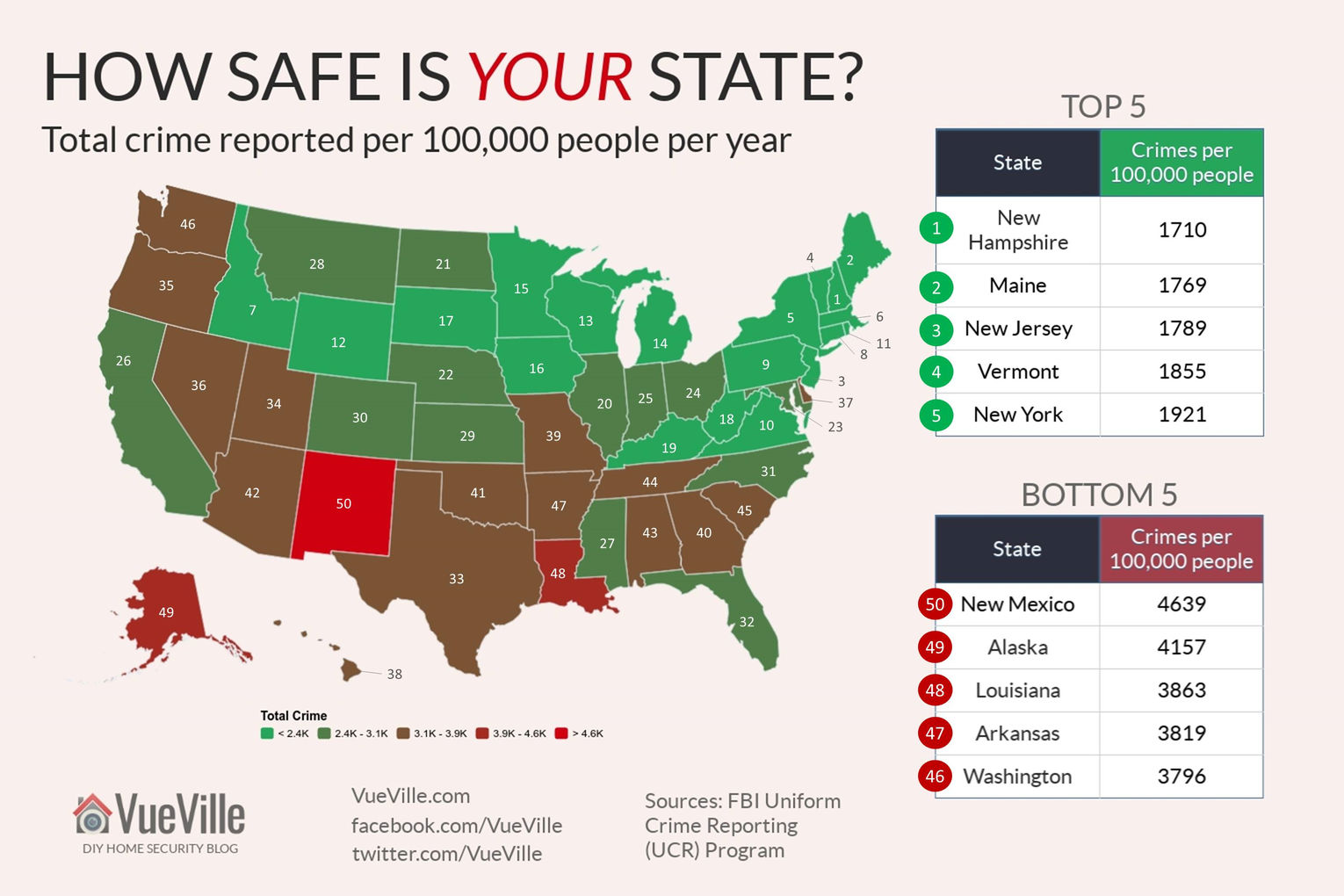
Living in a financially safe state drastically reduces your exposure to these risks. Lower rates of property crime mean less likelihood of burglaries or car theft, saving you the cost of replacements and increased insurance deductibles. Effective fraud prevention measures by state and local authorities can protect residents from scams that target savings. While no place is entirely crime-free, states with robust law enforcement, community safety initiatives, and effective judicial systems provide a more secure environment for your assets, safeguarding your hard-earned money from malicious acts. This peace of mind, knowing your financial resources are less vulnerable, is an invaluable aspect of true financial safety.
Cost of Living vs. Quality of Life: A Financial Balancing Act
The pursuit of a safe state is often intertwined with the desire for a high quality of life. However, achieving both requires a careful financial balancing act. What might be considered a “safe” state based on one metric could be financially prohibitive based on another, underscoring the need for a comprehensive financial analysis.
Evaluating Tax Burdens and State Incentives
A state’s tax structure is a critical component of its financial safety profile. High income taxes, property taxes, sales taxes, or specific excise taxes can significantly erode your disposable income, even if other aspects of the state are appealing. Some states, despite having an otherwise high cost of living, might offer tax advantages such as no state income tax, which can be a significant draw for high earners or retirees living on fixed incomes.
Conversely, states with seemingly lower taxes might compensate with higher fees, user charges, or reduced public services, which could necessitate private spending. It’s essential to look beyond the headline tax rates and consider the total tax burden relative to your income and spending habits. Furthermore, some states offer financial incentives for residents, such as tax credits for certain industries, energy-efficient home improvements, or programs for first-time homebuyers. Evaluating these benefits against the overall tax burden is crucial for understanding the true financial impact of living in a particular state. A state that manages its finances well and offers a reasonable tax structure, alongside good public services, can provide a more financially secure environment.
Public Services and Infrastructure Investment
The quality and availability of public services are a direct reflection of a state’s financial health and its commitment to its residents’ well-being. States that consistently invest in robust infrastructure (roads, bridges, public transport), quality public education, well-funded emergency services, and recreational facilities not only enhance the quality of life but also contribute to long-term financial safety.
For instance, excellent public schools can reduce or eliminate the need for costly private education, a significant financial saving for families. Reliable public transportation can lessen reliance on personal vehicles, saving on gas, insurance, and maintenance. Well-maintained infrastructure reduces wear and tear on vehicles and lowers the risk of accidents. Beyond direct savings, states with strong public services often exhibit greater overall stability and attractiveness, which in turn can bolster local economies and property values. A state’s investment in its public good is a proxy for its financial strength and its ability to provide a secure and supportive environment for its residents.
Retirement Planning and Senior Safety
For those approaching or in retirement, the definition of a financially safe state takes on specific considerations. Retirees often live on fixed incomes, making predictability, affordability, and access to specialized services paramount. States that are financially safe for seniors typically combine low crime rates with affordable healthcare, tax-friendly retirement policies, and a lower overall cost of living.
Key factors for seniors include the tax treatment of retirement income (pensions, Social Security, 401(k) withdrawals), property tax relief programs, and the availability of accessible and affordable senior care facilities. Beyond direct financial costs, safe states for seniors also feature good public safety, community engagement opportunities, and often a milder climate that reduces health risks and heating/cooling costs. Ensuring that a chosen state aligns with long-term retirement financial plans is critical for maintaining financial independence and dignity throughout one’s golden years.
Identifying Your Financial Safety Priorities
Ultimately, “the safest state to live in” from a financial perspective is highly subjective, depending on your individual circumstances, goals, and risk tolerance. There’s no one-size-fits-all answer. However, by understanding the various components of financial safety, you can make a data-driven decision tailored to your personal needs.
Data-Driven Decisions: Key Metrics to Consider
To make an informed choice, gather data across a range of financial safety metrics. Look beyond aggregated lists and dive into the specifics that matter most to you.
- Economic Indicators: Unemployment rate, job growth projections, median household income, industry diversity, cost of living index (especially for housing, groceries, and transportation).
- Healthcare Metrics: Average health insurance premiums, doctor-to-patient ratio, hospital quality ratings, percentage of uninsured residents, average out-of-pocket medical expenses.
- Safety & Security Data: FBI crime statistics (violent crime, property crime), natural disaster frequency and associated insurance costs, state emergency preparedness ratings.
- Fiscal Health: State and local tax burdens (income, sales, property), state debt per capita, bond ratings (indicating financial stability), availability of state-specific financial incentives.
- Public Services Quality: Public school rankings, infrastructure quality reports, public transportation availability and cost.
Utilize resources from government agencies (e.g., Bureau of Labor Statistics, Census Bureau, NOAA, FBI), financial research firms, and reputable consumer watchdog groups. Compare states against each other using these specific data points rather than relying solely on broad “best of” lists.
Personal Circumstances: Family, Career, and Future Goals
While data provides the objective framework, your personal situation dictates how that data is weighted.
- For Families: Prioritize states with excellent public schools, affordable childcare, low crime rates, and robust community services. Consider the cost of raising children and access to family-friendly amenities.
- For Career-Focused Individuals: Focus on states with thriving job markets in your industry, strong economic growth, and opportunities for professional development. The financial “safety” here relates to career longevity and income potential.
- For Retirees: Emphasize states with favorable tax policies for retirement income, affordable healthcare, a lower cost of living, and access to senior support services.
- Risk Tolerance: Are you comfortable with higher insurance premiums in exchange for living in a disaster-prone but otherwise desirable area? Or do you prioritize absolute stability, even if it means a higher overall cost of living?
Your future goals—whether it’s starting a business, saving for a down payment, or ensuring a comfortable retirement—will heavily influence which financial safety factors take precedence. The “safest state” isn’t a static concept but one that evolves with your life stages and financial objectives.

Conclusion
The question “What’s the safest state to live in?” transcends mere crime statistics; it’s an intricate query deeply intertwined with personal finance. A truly safe state offers not only peace of mind regarding physical security but also a robust financial environment that supports your economic well-being, protects your assets, and facilitates your long-term financial goals. This means evaluating a state’s economic stability, the accessibility and affordability of its healthcare system, its resilience against natural disasters, and the direct financial impacts on insurance premiums and property values.
Furthermore, a critical analysis of the cost of living versus the quality of life—weighing tax burdens against the quality of public services—is essential. Ultimately, the “safest state” for you will be one that aligns with your unique financial priorities, career aspirations, family needs, and retirement plans. By taking a comprehensive, data-driven approach and considering all these financial dimensions, you can make an informed decision that secures both your life and your livelihood.
aViewFromTheCave is a participant in the Amazon Services LLC Associates Program, an affiliate advertising program designed to provide a means for sites to earn advertising fees by advertising and linking to Amazon.com. Amazon, the Amazon logo, AmazonSupply, and the AmazonSupply logo are trademarks of Amazon.com, Inc. or its affiliates. As an Amazon Associate we earn affiliate commissions from qualifying purchases.