
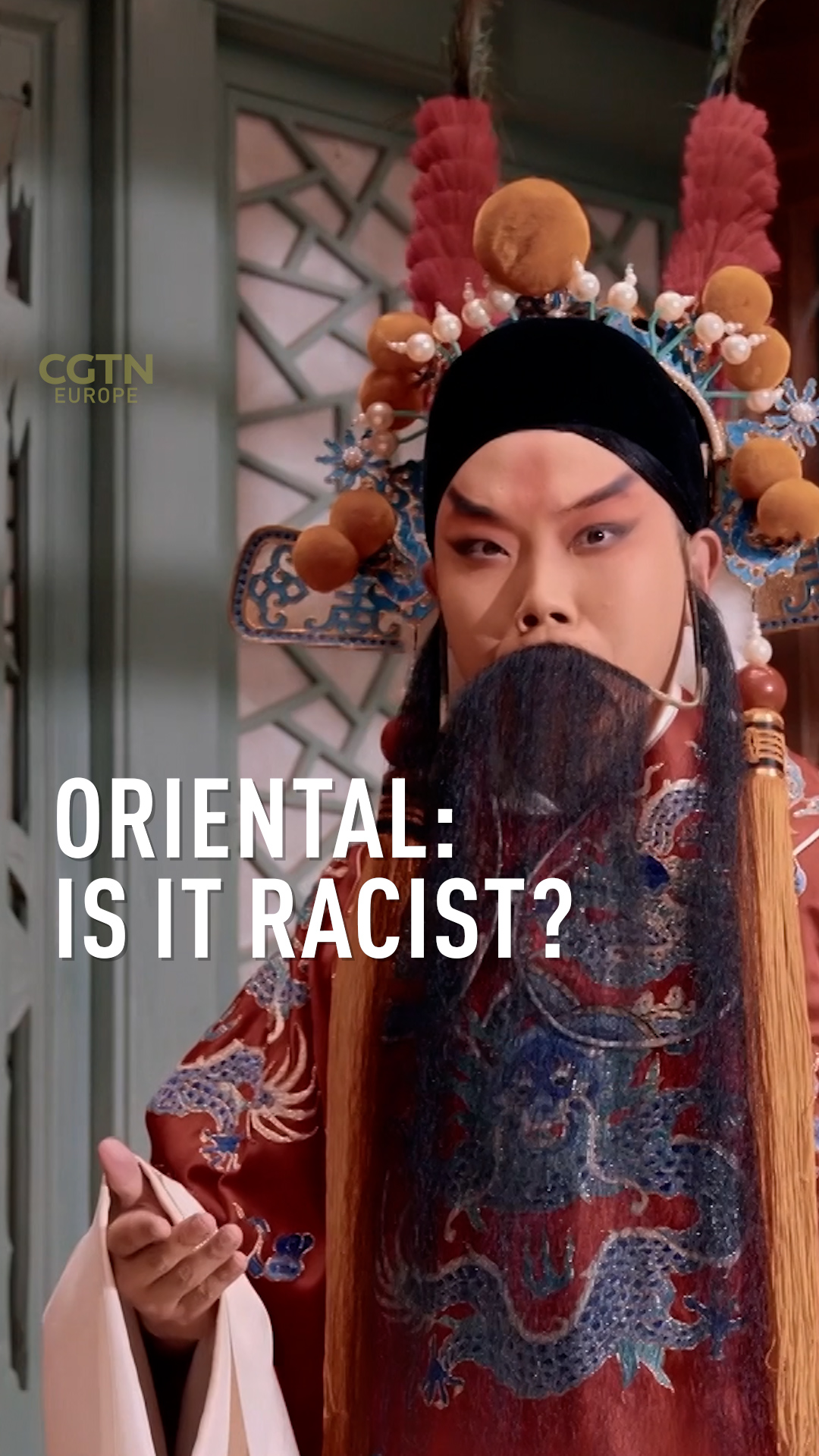
The term “Oriental” conjures a complex tapestry of imagery, history, and often, misconception. Originating from the Latin oriens, meaning “east” or “rising sun,” it historically referred to the geographical regions east of Europe – a vast and diverse expanse encompassing much of Asia, the Middle East, and North Africa. In the context of branding and corporate identity, “Oriental” has long been a powerful, albeit often problematic, descriptor, influencing product design, marketing campaigns, and consumer perceptions for centuries.
However, in our increasingly globalized and culturally conscious world, the term has become a subject of intense scrutiny, largely deemed outdated, monolithic, and even offensive. For brands navigating the intricate landscape of global markets, understanding the evolution, implications, and eventual decline of “Oriental” as a branding trope is not merely an academic exercise; it’s a critical component of ethical marketing, authentic representation, and sustained brand relevance. This article delves into the journey of “Oriental” within brand lexicon, examining its historical appeal, its cultural pitfalls, and the imperative for modern brands to move beyond its reductive embrace towards more nuanced and respectful forms of cross-cultural engagement.

The Genesis and Evolution of “Oriental” in Brand Lexicon
For centuries, the “Orient” represented an alluring, mysterious, and often exotic “other” in the Western imagination. This romanticized, sometimes fearful, perception deeply influenced the early days of global trade and subsequently, the nascent world of branding.
Historical Context and Western Gaze: How “Oriental” Entered Branding
The widespread use of “Oriental” in branding began to proliferate during the 19th and early 20th centuries, a period marked by European colonialism, exploration, and increasing trade with Asian nations. Western traders, artists, and writers, viewing the East through a distinct “Orientalist” lens—a concept famously critiqued by Edward Said—often depicted these cultures as static, mystical, sensual, and fundamentally different from the rational West. This “Western gaze” played a pivotal role in shaping how “Oriental” themes were adopted by brands.
Early brands capitalized on this existing fascination. For instance, luxury goods from perfume houses to textile manufacturers frequently incorporated “Oriental” motifs, scents, and names to evoke a sense of opulence, exoticism, and adventure. Brands selling teas, spices, silks, and even tobacco often used illustrations of distant landscapes, stylized calligraphy, or generic “Eastern” figures to market their products. The term served as a shorthand, a marketing cue that immediately communicated a sense of something foreign, precious, and perhaps, a little dangerous, directly appealing to a Western audience eager for escapism and novelty.
The Allure of the Exotic: Early Marketing Appeal
The appeal of “Oriental” branding in its early manifestations was rooted in its ability to tap into a rich vein of cultural stereotypes that resonated with target consumers. It wasn’t just about geography; it was about an implied set of qualities:
-
Mystery and Intrigue: The “Orient” was often portrayed as a land of ancient secrets and hidden wonders, imbuing products with a sense of depth and untold stories.
-
Luxury and Opulence: The association with silks, spices, precious jewels, and intricate craftsmanship automatically elevated the perceived value and exclusivity of a brand. This was particularly evident in fragrances (e.g., “Oriental” notes like amber, vanilla, incense) and home decor (e.g., “Oriental” rugs, furniture).
-
Spirituality and Wisdom: Brands sometimes leveraged the perception of the East as a cradle of ancient philosophies and spiritual enlightenment, suggesting products that offered more than just utility, but also a deeper connection or well-being.
-
Sensuality and Romance: The exotic beauty of imagined “Oriental” women and romanticized landscapes often featured in advertising, particularly for beauty products and fashion, promising an escape into a world of passion and allure.
For many decades, this approach was highly effective. Consumers bought into the narrative, and “Oriental” became a widely accepted, albeit broad, category for a range of products and experiences. However, the very stereotypes that made it appealing would ultimately become its undoing.
Cultural Appropriation vs. Appreciation: Navigating “Oriental” Branding
The distinction between genuinely appreciating a culture and merely appropriating elements for commercial gain lies at the heart of the modern critique of “Oriental” branding. What once seemed innocuous or even celebratory has increasingly been exposed as superficial, disrespectful, and harmful.
The Thin Line: When “Inspiration” Becomes Problematic
Brands often defend their use of “Oriental” themes as drawing inspiration from rich cultural heritages. However, the line between inspiration and appropriation is crossed when:
-
It lacks authentic understanding: Brands may cherry-pick aesthetic elements (e.g., dragon motifs, specific patterns, traditional attire) without delving into their historical, spiritual, or social significance. This often results in a superficial, “costume-like” representation.
-
It perpetuates stereotypes: Rather than challenging existing biases, “Oriental” branding frequently reinforces harmful clichés, reducing diverse cultures to a singular, exoticized monolith. This can range from portraying Asian women as subservient or hyper-sexualized to depicting entire regions as mystical and undeveloped.
-
It lacks reciprocity or recognition: When brands profit from cultural elements without engaging with, crediting, or benefiting the communities from which those elements originated, it becomes exploitative.
-
It homogenizes vast diversity: The “Orient” spans dozens of distinct countries, languages, religions, and ethnic groups. Branding that treats them all as interchangeable “Oriental” is inherently reductive and dismisses the rich tapestry of individual cultures.
The problem with “Oriental” is its inherent vagueness and its historical baggage as a term imposed by the West upon the East. It flattens distinct identities into a singular, often colonial-tinged, category.
Case Studies in Misstep and Success (and Why “Oriental” Rarely Succeeds Now)
While specific “Oriental” branding successes are hard to find in the modern era without significant backlash, many brands have faced criticism for cultural insensitivity:
-
Fashion Industry: Numerous fashion houses have drawn flak for campaigns featuring models in traditional Asian attire styled in ways deemed disrespectful, or for creating collections inspired by “the Orient” without proper consultation or credit. Examples include luxury brands using traditional symbols out of context or perpetuating stereotypes through their runway shows.
-
Food and Beverage: Certain food products historically used caricatures or generic “Asian” imagery that has now been widely recognized as problematic, leading to rebranding efforts. The term “Oriental” itself has been removed from many product names, such as “Oriental Dressing,” replaced with more specific or neutral descriptors.
-
Hollywood and Media: The entertainment industry, a major influencer of brand perception, has a long history of “Orientalist” tropes, from “yellowface” casting to narratives that exoticize or demonize Asian characters. This perpetuates a cultural lens that brands must now actively dismantle.
Modern successful brands that engage with global cultures generally do so by abandoning the “Oriental” umbrella entirely. Instead, they focus on:
-
Specificity: Celebrating Japanese craftsmanship, Korean beauty innovation, Vietnamese culinary traditions, or Indian textile artistry, rather than a generic “Asian” aesthetic.
-
Collaboration: Partnering with artists, designers, and cultural consultants from specific regions.
-
Authenticity: Deeply understanding and respectfully integrating cultural narratives, rather than superficial borrowing.
-
Inclusion: Ensuring diverse representation within their own teams and advertising.
The Shifting Sands: Why “Oriental” is Fading from Modern Branding
The decline of “Oriental” as a viable and respected term in branding is not accidental; it’s a direct consequence of a more interconnected, informed, and ethically conscious global society.
Global Connectivity and Amplified Voices
The advent of the internet and social media has fundamentally altered the power dynamics in branding. Consumers, particularly those from historically marginalized or misrepresented communities, now have a powerful platform to voice their objections, share their perspectives, and mobilize collective action against culturally insensitive branding. A tone-deaf campaign can go viral for all the wrong reasons overnight, leading to significant reputational damage.
This global connectivity means that brands can no longer operate in a cultural vacuum. What might have been acceptable in one market decades ago is now scrutinized by a worldwide audience that demands authenticity and respect. The “Western gaze” no longer holds absolute sway; voices from the East are amplified and heard globally, challenging historical misrepresentations.
The Drive for Specificity and Authenticity

Modern consumers, especially younger demographics, are increasingly sophisticated and demand authenticity from the brands they support. They are wary of generic, mass-produced cultural imitations and gravitate towards brands that demonstrate genuine understanding and specificity.
This drive for authenticity has pushed brands away from broad, generalizing terms like “Oriental.” Instead, successful brands are learning to:
-
Pinpoint Origins: Instead of “Oriental design,” they speak of “Japanese minimalism,” “Korean skincare innovation,” “Indian block prints,” or “Chinese silk embroidery.” This not only avoids offense but also adds precision and depth to their brand story.
-
Highlight Heritage: They focus on the specific history, craftsmanship, and cultural significance behind products and designs, rather than a vague exoticism.
-
Embrace Nuance: Recognizing that even within one country, there are vast cultural differences, brands strive for nuance and avoid oversimplification.
Ethical Branding and Social Responsibility
In an era where Corporate Social Responsibility (CSR) and Diversity, Equity, and Inclusion (DEI) are paramount, ethical branding is no longer optional. Companies are increasingly expected to reflect these values in every aspect of their operations, including their marketing and brand identity.
Using a term like “Oriental,” laden with colonialist connotations and perpetuating stereotypes, runs counter to these modern ethical imperatives. Brands face significant risks, including:
-
Reputational Damage: Backlash, boycotts, and negative media coverage can severely tarnish a brand’s image.
-
Loss of Market Share: Consumers, particularly those who are culturally aware, may choose to support competitors who demonstrate greater sensitivity.
-
Alienation of Talent: Diverse employees may be less willing to work for or stay with companies perceived as culturally insensitive.
Therefore, proactively moving away from “Oriental” is not just a trend but a strategic imperative for brands committed to long-term success and social responsibility.
Crafting Authentic Global Brands Beyond “Oriental” Tropes
As the term “Oriental” retreats from modern branding, a new paradigm emerges for brands seeking to engage with diverse global cultures. This new approach prioritizes respect, specificity, and genuine understanding.
Research and Cultural Competence: The Foundation of Respectful Branding
The first step in crafting authentic global brands is an unwavering commitment to in-depth research and cultural competence. This goes far beyond superficial trend-spotting:
-
Deep Dive into Specific Cultures: Instead of broad generalizations, brands must invest in understanding the nuances of specific cultures they wish to engage with. This includes historical context, social customs, religious practices, artistic traditions, and contemporary values.
-
Local Experts and Consultants: Collaborating with cultural consultants, anthropologists, local market researchers, and community leaders from the target regions is crucial. These voices provide invaluable insights and help avoid missteps.
-
Language and Symbolism: Understanding the correct usage and implications of local languages, symbols, colors, and motifs is paramount. What might be aesthetically pleasing to one culture could be offensive or meaningless to another.
This foundational work ensures that brand messaging, design, and product development are informed by genuine respect and understanding, rather than assumption.
Storytelling with Specificity and Nuance
Effective global branding moves beyond generic exoticism to embrace rich, specific storytelling. This means:
-
Highlighting Individual Stories: Focus on the stories of artisans, entrepreneurs, communities, or historical figures from specific regions. For example, rather than “Oriental craftsmanship,” focus on the unique pottery techniques of a specific village in Japan, or the traditional weaving methods of a particular ethnic group in Vietnam.
-
Showcasing Heritage with Context: If drawing inspiration from heritage, ensure that the historical context and evolution of the tradition are communicated authentically. Explain why a particular motif is significant, or how a technique has been passed down through generations.
-
Embracing Modernity and Diversity within Cultures: Recognize that cultures are not static. Showcase contemporary art, fashion, and innovation alongside traditional elements, demonstrating a full and dynamic appreciation of the culture. Also, acknowledge the internal diversity within any given culture.
By telling specific, nuanced stories, brands can create deeper connections with consumers and foster genuine appreciation for cultural richness.
Building Bridges, Not Barriers: Co-creation and Collaboration
The most powerful form of respectful cross-cultural branding involves collaboration and co-creation. This means bringing diverse voices into the creative process:
-
Partnerships with Local Talent: Engage local artists, designers, photographers, writers, and marketers from the regions you are featuring or targeting. This ensures authentic representation and provides economic opportunities within those communities.
-
Co-development of Products and Campaigns: Involve members of the target culture in the actual development of products, marketing strategies, and advertising campaigns. This iterative process ensures that the final output resonates authentically and avoids misinterpretations.
-
Internal Diversity and Inclusion: Cultivate a diverse workforce within the brand itself. Having team members from various cultural backgrounds naturally enriches the brand’s perspective and helps prevent culturally insensitive decisions.
This collaborative approach transforms the brand from an external observer into an active participant, fostering mutual respect and creating genuinely inclusive brand experiences.
The Future of Cross-Cultural Brand Representation
The journey away from the reductive “Oriental” framework marks a crucial evolution in global branding. The future of cross-cultural representation is not about avoiding engagement with other cultures, but about engaging with them thoughtfully, respectfully, and authentically.
Beyond Exoticism: Embracing Diversity as a Core Brand Value
In the coming years, successful brands will increasingly embed diversity, equity, and inclusion (DEI) not just as an HR policy, but as a core brand value that permeates their entire identity and communication strategy. This means:
-
Celebrating Global Diversity Organically: Rather than spotlighting a culture for its “exotic” appeal, brands will naturally integrate diverse perspectives and aesthetics because they are reflective of the global consumer base and the brand’s own inclusive philosophy.
-
Brands as Cultural Connectors: Brands can serve as platforms for genuine cultural exchange, fostering understanding and dialogue rather than perpetuating stereotypes. This involves showcasing the richness of various cultures while also highlighting shared human experiences.
-
Authentic Storytelling as a Standard: The expectation for deep, informed, and respectful storytelling will become the norm, pushing brands to invest more in cultural intelligence and collaborative processes.
The Evolving Role of the Global Consumer
The global consumer is becoming more empowered, informed, and ethically discerning. They are not merely purchasers of goods and services; they are active participants in brand narratives, demanding transparency, social responsibility, and cultural sensitivity.
Brands that fail to adapt to this evolving consumer landscape risk irrelevance. Those that genuinely embrace and reflect the rich tapestry of global cultures—with specificity, respect, and collaboration—will build stronger, more resilient brands that resonate deeply with diverse audiences worldwide. The term “Oriental” may fade into history, but the opportunity for meaningful and impactful cross-cultural branding has never been more vibrant. The challenge, and the reward, lies in harnessing this opportunity with wisdom and genuine human connection.
aViewFromTheCave is a participant in the Amazon Services LLC Associates Program, an affiliate advertising program designed to provide a means for sites to earn advertising fees by advertising and linking to Amazon.com. Amazon, the Amazon logo, AmazonSupply, and the AmazonSupply logo are trademarks of Amazon.com, Inc. or its affiliates. As an Amazon Associate we earn affiliate commissions from qualifying purchases.