
In the colossal narrative tapestry of the Marvel Cinematic Universe (MCU), every creative decision is meticulously scrutinized, not least the casting of its iconic characters. While often celebrated for its seemingly perfect choices—Robert Downey Jr. as Iron Man, Chris Evans as Captain America, Chadwick Boseman as Black Panther—the question “what if Marvel cast differently?” is more than just a fan’s idle curiosity. It’s a profound thought experiment in brand strategy, corporate identity, and the delicate art of marketing a global phenomenon. For a brand like Marvel, with its unparalleled cultural footprint and multi-billion-dollar valuation, casting is not merely about finding a talented actor; it’s about making a pivotal brand statement, shaping public perception, and engineering the very fabric of its cinematic universe.
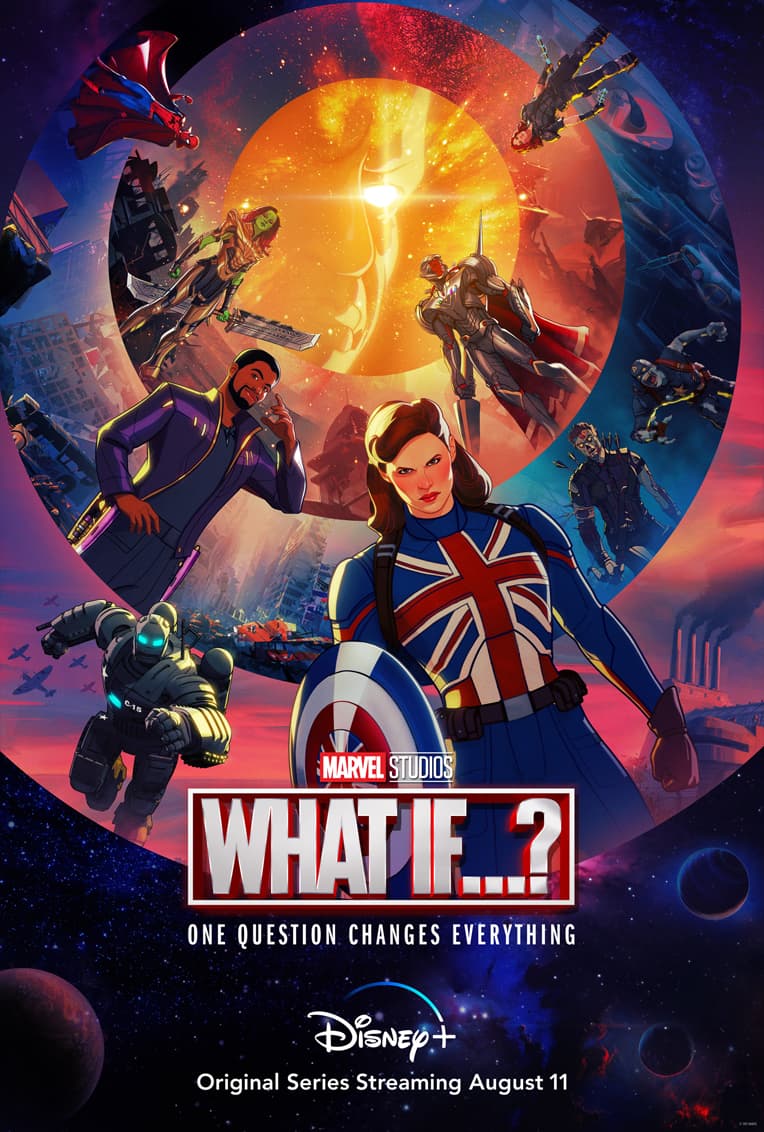
The hypothetical exploration of alternative casting choices offers a unique lens through which to understand the immense strategic weight behind each selection. It forces us to consider how different faces, voices, and acting styles might have altered the MCU’s trajectory, its emotional resonance, its marketing appeal, and ultimately, its enduring brand legacy. This isn’t just about individual performances; it’s about the holistic impact on a brand built on continuity, character depth, and an intricate interconnected narrative. Every actor cast becomes a living embodiment of the Marvel brand, extending its identity beyond the screen into interviews, fan conventions, and social media. Their persona, their public image, and their on-screen chemistry all contribute to the collective brand equity of Marvel Studios.
Casting as the Cornerstone of Brand Identity
At its heart, Marvel’s success is a testament to extraordinary brand building. The studio has meticulously crafted an identity synonymous with heroic sagas, groundbreaking visual effects, and a compelling blend of humor and gravitas. Crucially, the actors chosen to embody its heroes and villains are not just performers; they are the living, breathing extensions of this corporate identity. Their presence profoundly influences how the audience perceives the brand’s values, its commitment to quality, and its capacity for storytelling.
The Actor-Character Symbiosis: More Than Just a Role
The enduring magic of the MCU lies in its ability to make fantastical characters feel deeply real and relatable. This authenticity is overwhelmingly driven by the actors who inhabit these roles. When Robert Downey Jr. became Iron Man, he didn’t just play Tony Stark; he became Tony Stark, imbuing the character with an irreverent charm, a wounded brilliance, and an undeniable charisma that was arguably absent from the comic book page until his portrayal. This symbiosis created a character brand so potent that it shaped the entire tone of the early MCU.
What if Marvel had cast a different actor for Iron Man? Suppose the studio had gone with a more traditionally serious, less charismatic actor. The foundational tone of the MCU could have been far grittier, potentially lacking the signature wit and heart that defined its early triumphs. The overall brand identity might have skewed towards a darker, more brooding aesthetic, alienating a segment of the audience drawn to Marvel’s accessible, often lighthearted approach. Similarly, Chris Evans’s earnest, principled portrayal of Captain America perfectly anchored the MCU’s moral compass. A different actor, perhaps one with a more cynical or less inherently noble screen presence, might have undermined the core values of hope and unwavering integrity that Cap represents for the Marvel brand. The actor’s personal brand, their history, and their public persona all contribute to how readily audiences accept them in such pivotal roles, shaping the character’s brand identity and by extension, Marvel’s own.
Navigating Fan Expectations and Source Material Loyalty
Marvel operates within a unique ecosystem where its brand is constantly interacting with a fiercely dedicated and vocal fanbase. These fans often come with deeply ingrained ideas of how characters should look, sound, and behave, shaped by decades of comic book lore. Casting decisions, therefore, are always a tightrope walk between honoring the source material and introducing fresh interpretations that appeal to a broader, modern audience.
The “fan casting” phenomenon highlights this dynamic tension. Before major announcements, social media platforms buzz with suggestions, analyses, and debates over who should play which hero. While studios often state they don’t directly respond to fan casting, the collective anticipation and speculation undoubtedly contribute to the brand’s pre-release hype and marketing efforts. However, diverging too far from widely accepted fan preferences can lead to significant brand backlash, as seen in instances where casting choices faced initial skepticism (e.g., Ben Affleck as Batman for DC, though a different studio, illustrates the point). Marvel has, for the most part, managed this tightrope walk masterfully, often surprising fans with inspired choices that quickly win over doubters, thus reinforcing the brand’s reputation for astute decision-making. The challenge is to maintain a dialogue with the fanbase, leveraging their passion as a marketing tool while steadfastly pursuing a coherent, long-term brand vision.
The Amplification Effect: Casting’s Influence on Marketing and Global Reach
Casting is arguably one of the most powerful marketing tools in a studio’s arsenal. An actor’s name on a poster can draw audiences, while their persona off-screen can sustain interest and engagement long after the credits roll. For a global brand like Marvel, this amplification effect is critical, influencing everything from promotional campaigns to international box office performance.
Star Power vs. The Unknown: Marketability and Box Office Resonance
The strategic decision to cast an A-list celebrity versus a lesser-known talent profoundly impacts a film’s marketability and potential box office resonance. Casting a star like Robert Downey Jr. for Iron Man offered an immediate draw, leveraging his existing personal brand equity to lend gravitas and mainstream appeal to a character who, at the time, was not as universally recognized as Spider-Man or Captain America. This strategic gamble paid off handsomely, establishing a template for subsequent Marvel films.
Conversely, Marvel has also successfully introduced lesser-known actors into major roles, such as Chris Hemsworth as Thor or Chadwick Boseman as Black Panther. In these cases, the Marvel brand itself, coupled with compelling character design and storytelling, elevates the actor to global stardom. This strategy demonstrates confidence in the brand’s inherent power and its ability to mint new stars, further reinforcing its reputation as a talent incubator. However, the choice between star power and an unknown talent is a delicate balance, heavily influenced by the character’s pre-existing brand recognition, the film’s budget, and the desired marketing thrust. A film with a less-established character might benefit more from a recognizable name to mitigate risk, whereas a highly anticipated sequel for an established character might have more leeway to cast based purely on acting merit. Furthermore, certain actors have global appeal that can unlock specific international markets, making them invaluable assets in expanding the Marvel brand’s reach.
Crafting Brand Narrative Beyond the Screen

Marvel actors are not just hired hands; they become de facto brand ambassadors. Their engagements outside the films—interviews, press junkets, social media interactions, and convention appearances—are crucial extensions of the Marvel narrative. The way an actor speaks about their character, their co-stars, and the filmmaking process contributes significantly to the brand’s ongoing story. Positive, enthusiastic, and brand-aligned public personas can enhance fan engagement and reinforce the aspirational qualities of the Marvel universe.
Conversely, an actor’s off-screen conduct or public statements can pose significant brand risks. Any controversy involving a key cast member can reflect negatively on the studio, potentially damaging the carefully cultivated image of heroism and integrity. Marvel, like any major brand, invests heavily in maintaining a positive public image for its stars, understanding that their personal brands are inextricably linked to the Marvel corporate identity. The seamless integration of an actor’s public persona with the character they play, particularly through well-managed social media presence and public appearances, creates a continuous marketing loop that keeps the brand relevant and engaging between cinematic releases.
The Imperative of Adaptation: Brand Resilience and Evolution through Casting
No brand can remain static; adaptation and evolution are key to long-term survival. For Marvel, this means navigating actor departures, reflecting societal changes, and ensuring the brand remains fresh and relevant for new generations. Casting plays a critical role in these strategic adaptations, testing the brand’s resilience and capacity for growth.
Managing Recasting and Maintaining Brand Continuity
One of the greatest challenges for a long-running cinematic universe is the inevitable need for recasting. Actors may choose to leave, or tragic circumstances may necessitate a change, as seen with the passing of Chadwick Boseman. These moments test the core strength of the character’s brand independent of the actor. The “James Bond” effect—where a character’s identity is strong enough to transcend multiple actors—is the ideal scenario. Marvel has faced this with characters like the Hulk (originally Edward Norton, then Mark Ruffalo) and War Machine (Terrence Howard, then Don Cheadle). The success of these transitions hinges on strategic casting that respects the established character brand while allowing the new actor to bring their own dimension.
What if Marvel had struggled with these recasts? If the audience had rejected a new actor for a pivotal role, it could have fractured the sense of continuity and immersion that is fundamental to the MCU brand. The studio’s ability to smoothly integrate new talent, often by finding actors who embody the spirit of the character rather than merely imitating the previous performer, demonstrates a robust brand strategy focused on character longevity over individual actor tenure. This resilience underscores that while actors are crucial, the foundational strength of the Marvel IP and its narrative structure allows for necessary evolution.
Reflecting a Changing World: Diversity and Inclusion as Brand Strengths
In an increasingly diverse global landscape, a brand’s commitment to representation is not just a moral imperative but a strategic advantage. Marvel’s brand identity, while rooted in decades-old comic books, must evolve to reflect and appeal to a contemporary, multicultural audience. Casting choices are the most visible manifestation of this commitment. The introduction of characters like Black Panther, Captain Marvel, and Shang-Chi, and the intentional casting of diverse actors in these roles, significantly bolstered Marvel’s brand as progressive, inclusive, and culturally relevant.
What if Marvel had adhered rigidly to outdated interpretations of its characters, failing to cast diversely or to introduce new heroes that reflect a broader spectrum of humanity? The brand might have faced accusations of being exclusionary, out of touch, or even regressive, alienating a vast and growing segment of its potential audience. This would not only be a missed marketing opportunity but a significant blow to the brand’s public image and social resonance. By strategically embracing diversity in casting, Marvel has expanded its global appeal, fostered deeper connections with varied communities, and solidified its brand as a champion of modern values, proving that inclusive casting is not just good optics, but excellent brand strategy.
Imagining Alternate Realities: Hypothetical Casting and Strategic Lessons
The “what if” scenarios in casting offer invaluable lessons for brand leaders, highlighting the intricate interplay between talent, strategy, and public perception. By dissecting potential alternative universes, we can better appreciate the strategic genius behind Marvel’s existing choices and extract actionable insights for future brand building.
Recasting Iconic Roles: What If…?
Let’s revisit the hypothetical. What if Tom Cruise, a prominent choice considered for Iron Man, had taken the role instead of Robert Downey Jr.? Cruise undoubtedly brings immense star power and a proven track record. However, his established, often intense, on-screen persona might have resulted in a less vulnerable, less self-deprecating Tony Stark. The MCU’s early tone, with its blend of high-stakes drama and quick-witted banter, might have been different, possibly more serious, potentially altering the very fabric of the universe that followed. The foundational success of the MCU relied on its distinct tone, largely set by Downey’s portrayal, demonstrating how one casting decision can cascade through an entire franchise.
Similarly, consider a different actor for Captain America, perhaps one with a less inherently trustworthy or overtly patriotic screen presence. While the character’s core values would remain, the audience’s emotional connection to the “first Avenger” could have been less profound, making his eventual leadership less impactful. Or, imagining a different actor for Black Panther following Chadwick Boseman’s tragic passing. The immense cultural and emotional weight attached to that character, amplified by Boseman’s dignified portrayal and off-screen advocacy, makes a hypothetical recasting a daunting brand challenge. Any choice would need to honor Boseman’s legacy while forging a new path, a testament to the character’s brand strength but also the irreplaceable mark an actor leaves. These hypotheticals underscore that casting is never just about finding an actor who “looks the part”; it’s about finding the right brand fit.

Strategic Insights for Future Brand Building
The “what if Marvel cast” exercise reveals profound strategic insights applicable to any brand. Firstly, it emphasizes the importance of foresight in casting. Every actor hired for a long-term franchise is an investment in long-term brand equity, not merely a temporary role filler. Their potential for growth, their chemistry with other cast members, and their personal brand trajectory must be considered.
Secondly, it highlights the multi-faceted role of an actor in brand building. They are not just performers but also public figures, brand ambassadors, and integral components of the ongoing narrative. Their contribution extends far beyond the confines of the script. Finally, this thought experiment reinforces that brand success often hinges on a delicate balance between leveraging established tropes (e.g., casting a physically imposing actor as a superhero) and embracing disruptive, inspired choices (e.g., casting a relatively unknown actor who perfectly embodies a complex character). For Marvel, and for any brand seeking to achieve cultural ubiquity and lasting relevance, casting is not merely an operational task; it is a critical, strategic pillar of corporate identity, marketing, and long-term brand resilience.
aViewFromTheCave is a participant in the Amazon Services LLC Associates Program, an affiliate advertising program designed to provide a means for sites to earn advertising fees by advertising and linking to Amazon.com. Amazon, the Amazon logo, AmazonSupply, and the AmazonSupply logo are trademarks of Amazon.com, Inc. or its affiliates. As an Amazon Associate we earn affiliate commissions from qualifying purchases.