
To understand the term “hobo” in a modern financial context, one must look past the caricatures of the Great Depression and examine the underlying economic structures that created them. Far from being a mere synonym for homelessness, the term “hobo” historically defines a specific economic class: the migratory worker. In the intersection of personal finance, labor history, and the evolution of the gig economy, the hobo represents one of the earliest iterations of the mobile freelancer.
By analyzing the financial motivations, survival strategies, and economic impact of this group, we can draw startling parallels to today’s digital nomads and side-hustle culture. This article explores the economic identity of the hobo, their role in the industrial marketplace, and how their legacy influences contemporary views on financial independence and labor mobility.

The Economic Genesis: Hobos as Essential Labor in the Industrial Age
The term “hobo” emerged in the late 19th century, primarily in the United States, as the country underwent a massive industrial and agricultural expansion. This was an era where labor demand was high but geographically inconsistent. The hobo was the financial solution to this volatility—a worker willing to travel to where the capital was being deployed.
Distinguishing Hobos from Tramps and Bums: A Financial Taxonomy
In the world of economic history, there are strict distinctions between different classes of migratory individuals. A “hobo” is a migratory worker; a “tramp” is a migratory non-worker; and a “bum” is a non-migratory non-worker. This distinction is crucial for understanding the hobo as a financial entity.
Hobos were fundamentally driven by the pursuit of income. They were the “flex-labor” of the 1890s and 1930s. Their financial identity was built on the willingness to trade stability for a higher frequency of short-term earning opportunities. Unlike the destitute who had given up on the labor market, hobos were active participants in the economy, often possessing specialized skills in timber, harvesting, or rail construction.
The Market Forces of the Rails
The expansion of the American railroad system acted as the primary infrastructure for this labor market. From a business finance perspective, the railroads provided the “low-cost transport” (albeit often illicit) that allowed labor to meet demand. When a harvest was ready in the Midwest or a dam needed building in the West, hobos would migrate to those locations. This movement functioned as a natural market stabilizer, preventing labor shortages in remote areas and allowing for rapid industrial growth without the need for permanent local settlements.
The Original Gig Economy: Financial Lessons from the Road
Long before the advent of Uber, TaskRabbit, or Upwork, the hobo culture practiced a form of the “gig economy.” Their financial survival depended on the ability to rapidly assess market needs and pivot between different types of labor.
Diversified Income Streams in the Early 20th Century
The average hobo did not rely on a single employer. Their personal finance strategy was one of extreme diversification. One month might involve working on a “gandy dancer” crew (maintaining railroad tracks), while the next might involve seasonal fruit picking or ice cutting.
This taught a vital lesson in modern side-hustle culture: the importance of “stacking” skills. The most financially successful hobos were those who could adapt to the seasonal nature of the economy. They understood that relying on a single industry was a recipe for financial ruin during a recession. By moving across sectors, they mitigated the risk of localized economic downturns.
The Barter System and Communal Resource Management
Within hobo communities, or “jungles,” a sophisticated informal economy emerged. Because they lived outside traditional banking systems, hobos utilized a high degree of communal resource sharing and bartering. This was an early form of “collaborative consumption.”
In these camps, resources like food, information on job locations (the famous “hobo code”), and protection were exchanged. This informal networking was a critical financial tool; it reduced the individual cost of living and provided a rudimentary safety net that the formal government of the time failed to provide. For the modern entrepreneur, this underscores the value of networking and the “hidden economy” of information exchange.
From Rails to Remote Work: The Evolution of Financial Minimalism

As we transition into the 21st century, the spirit of the hobo has been rebranded under the guise of the “Digital Nomad” or the “FIRE” (Financial Independence, Retire Early) movement. While the aesthetics have changed from boxcars to coffee shops, the underlying financial principles remain remarkably similar: prioritizing mobility and minimizing overhead to maximize financial autonomy.
The Digital Nomad as a Modern Economic Successor
Today’s remote workers often mirror the hobo’s rejection of traditional, stationary employment. By leveraging technology, they can move to areas with a lower cost of living while earning wages from high-capital urban centers. This is, in essence, the same “labor arbitrage” that hobos practiced when they traveled to where wages were highest relative to the local cost of survival.
Geographic Arbitrage: Maximizing Purchasing Power
A key financial strategy for both historical hobos and modern nomads is geographic arbitrage. A hobo would work a high-intensity harvest for a few weeks, earning enough to sustain themselves for months in a more affordable region. Modern personal finance experts recommend similar strategies—earning in a strong currency (like USD or EUR) while living in a region with a lower consumer price index. This maximizes the “yield” of every hour worked, a concept that was the bread and butter of the hobo lifestyle.
Risk Management and the Absence of Social Safety Nets
The life of a hobo was fraught with financial and physical risk. Because they operated outside the bounds of traditional employment contracts, they lacked workers’ compensation, health insurance, or pension plans. This necessitated a unique approach to risk management.
Informal Insurance and Networking
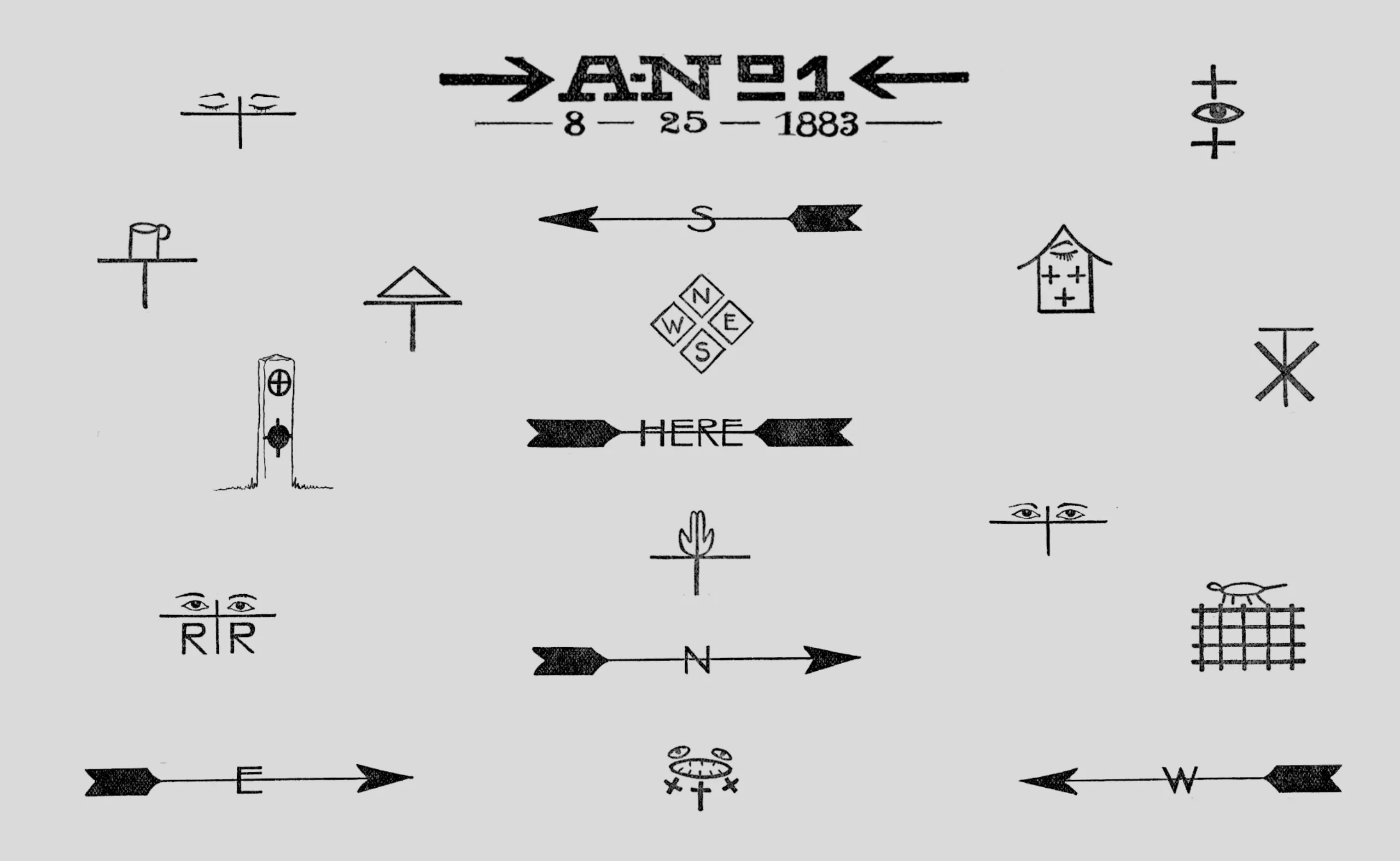
In the absence of formal financial tools, hobos developed the “Hobo Code”—a series of symbols etched on fences and gateposts. These symbols functioned as a data-sharing network. A symbol might indicate “good place for a handout” (lowering the cost of food) or “dishonest employer” (mitigating the risk of wage theft).
In modern business finance, we call this “due diligence.” The hobo’s survival depended on their ability to gather and analyze data about their environment. Today, freelancers use platforms like Glassdoor or LinkedIn to perform the same function. The lesson remains the same: in a decentralized labor market, information is the most valuable asset for mitigating financial risk.
The Cost of Liquidity
For the hobo, liquidity was everything. They could not afford to have their assets tied up in real estate or heavy possessions. Their “wealth” was held in their skills, their health, and whatever cash they could hide. This extreme liquidity allowed them to seize new opportunities the moment they appeared. In modern investing, we see a similar trend toward “asset-light” living, where younger generations prioritize liquid investments (stocks, crypto, ETFs) over illiquid assets like primary residences, seeking the same freedom of movement that the hobo enjoyed.
The Modern Business of “Hoboism”: Branding and Lifestyle Marketing
In a strange twist of corporate strategy, the “hobo” identity has been co-opted by high-end brands and marketing agencies. What was once a lifestyle of economic necessity has become a curated aesthetic for the affluent.
The “Workwear” Trend and Corporate Identity
Brands like Carhartt, Filson, and Red Wing have seen massive growth by leaning into the “rugged worker” aesthetic. This is a form of brand strategy that sells the feeling of the hobo’s independence without the financial instability. Consumers pay a premium for clothes designed for the hard labor of the early 20th-century migrant, effectively purchasing a symbol of resilience.
Selling the Dream of the “Van Life”
The modern “Van Life” movement, which fills Instagram feeds with pictures of converted Sprinter vans, is essentially the high-capital version of hoboism. Companies now specialize in outfitting these vehicles, creating a multi-billion dollar industry centered on migratory living. From a marketing perspective, this represents a shift where “freedom from the 9-to-5” is the most valuable product a brand can sell. The hobo, once an outcast of the financial system, has become the muse for a new era of consumer aspiration.
Conclusion: The Financial Legacy of the Migratory Worker
When we ask “what are hobos?”, the answer is not found in a dictionary of slang, but in the ledger of economic history. Hobos were the pioneers of flexible labor, geographic arbitrage, and financial minimalism. They navigated a world of high risk and no safety nets by relying on skill diversification and informal information networks.
In today’s volatile economic landscape, the lessons of the hobo are more relevant than ever. As the traditional “job for life” disappears and the gig economy grows, more individuals are becoming, in a sense, digital hobos. By understanding the economic mechanisms that allowed the original hobos to survive and even thrive during the toughest financial eras in history, modern professionals can better prepare for a future where mobility, adaptability, and liquid assets are the keys to financial survival. The boxcar has been replaced by the laptop, but the pursuit of financial autonomy through migratory labor remains a fundamental part of the human economic experience.
aViewFromTheCave is a participant in the Amazon Services LLC Associates Program, an affiliate advertising program designed to provide a means for sites to earn advertising fees by advertising and linking to Amazon.com. Amazon, the Amazon logo, AmazonSupply, and the AmazonSupply logo are trademarks of Amazon.com, Inc. or its affiliates. As an Amazon Associate we earn affiliate commissions from qualifying purchases.