
Prime Video, a cornerstone of the Amazon Prime subscription, has evolved beyond a simple streaming service to become a sophisticated digital entertainment ecosystem. Far more than just a repository of movies and TV shows, it represents a significant technological achievement in content delivery, user experience design, and data-driven personalization. Understanding “what is on Prime Video” extends beyond its content catalog to encompass the underlying technology that brings that content to life, how it’s accessed, and the innovative features that enhance the viewing experience.
Navigating the Prime Video Ecosystem: A Tech User’s Guide
Accessing Prime Video content is a testament to modern streaming technology, designed for seamless integration across a multitude of devices. The user interface, device compatibility, and core streaming mechanisms are pivotal to how users interact with and consume content.
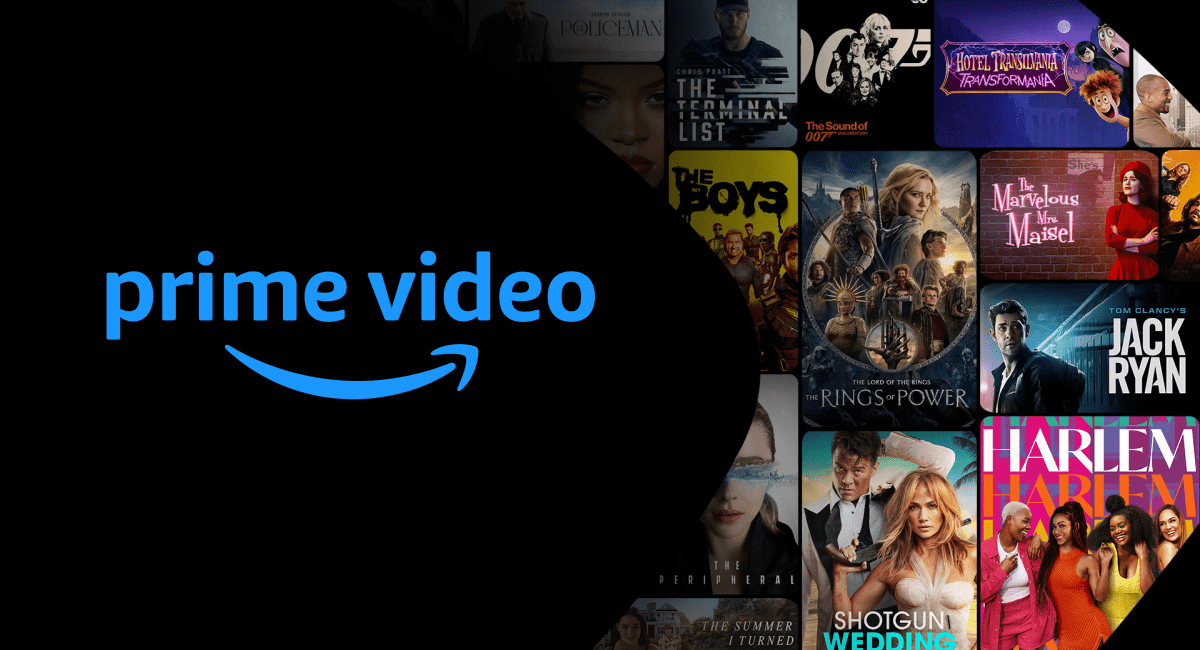
Understanding the Prime Video Interface
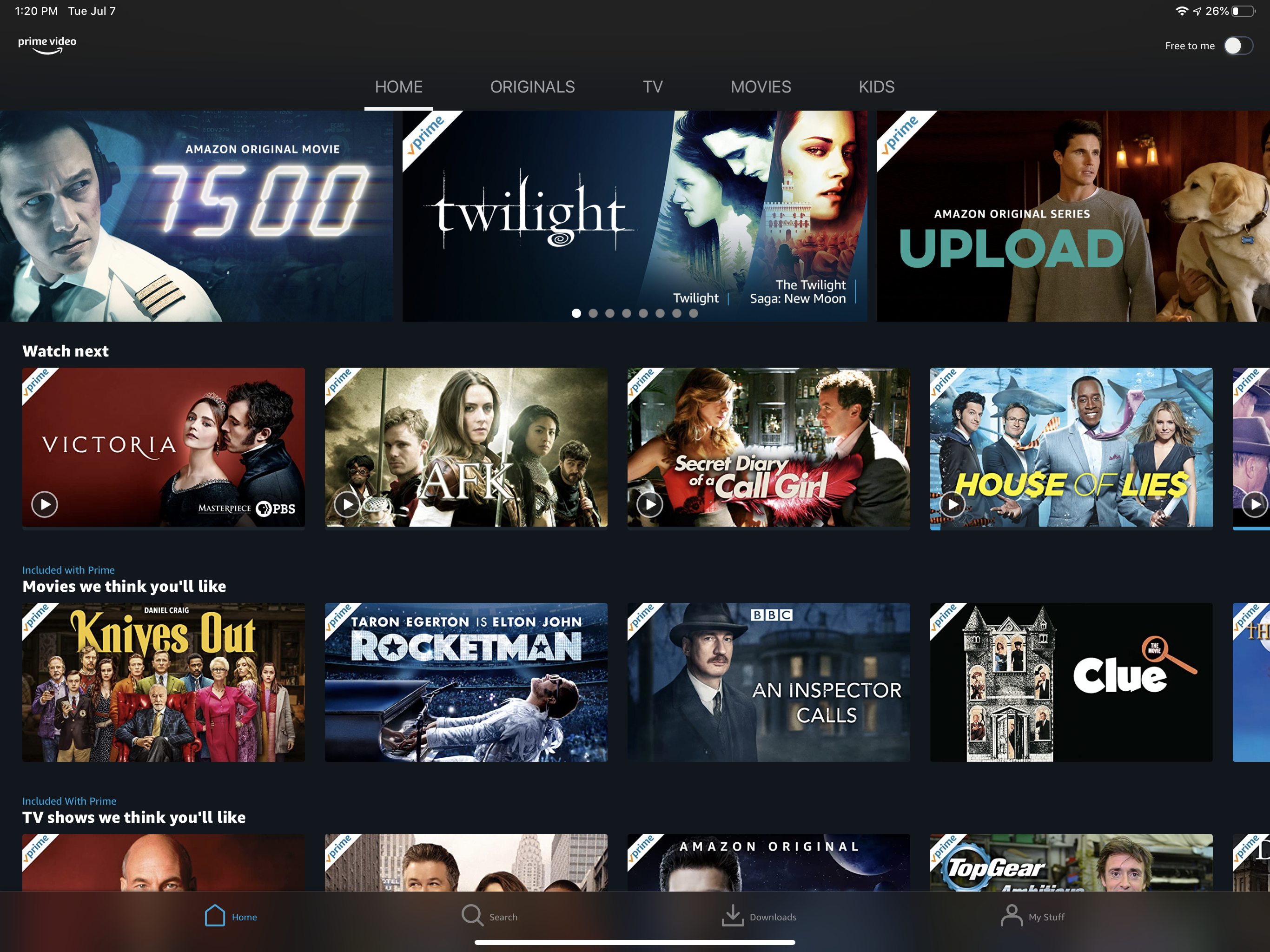
The Prime Video interface is a meticulously engineered digital storefront, optimized for discovery and engagement. Its design prioritizes content visibility, employing large carousels for featured titles and organized rows for genres, trending content, and personalized recommendations. The user experience (UX) design focuses on intuitive navigation, allowing users to browse categories like “Movies,” “TV Shows,” “Kids,” “Live TV,” and “Channels.”
Crucially, the interface is powered by sophisticated algorithms that analyze viewing habits, search queries, and demographic data to offer personalized recommendations. This machine learning-driven approach ensures that each user’s homepage is dynamically tailored, enhancing content discoverability and reducing decision fatigue. Search functionalities are robust, allowing for keyword searches not only by title but also by cast, director, genre, and even specific plot points, thanks to deep metadata tagging. Accessibility features are also deeply integrated, providing options for closed captions, subtitles in multiple languages, and audio descriptions for visually impaired viewers, showcasing a commitment to inclusive design principles.
Device Compatibility and Streaming Technology
Prime Video boasts impressive device compatibility, ensuring its content is accessible across virtually every modern screen. Users can stream content on dedicated Prime Video apps available on smart TVs (Samsung, LG, Sony, Vizio, etc.), streaming media players (Amazon Fire TV devices, Roku, Apple TV, Chromecast), game consoles (PlayStation, Xbox), mobile devices (iOS and Android smartphones and tablets), and via web browsers on computers. This broad compatibility is maintained through consistent API integrations and app development cycles, ensuring a uniform experience regardless of the hardware.
Underpinning this accessibility is state-of-the-art streaming technology. Prime Video utilizes adaptive bitrate streaming, a technique that dynamically adjusts video quality based on the user’s internet connection speed and device capabilities. This ensures a continuous, buffer-free playback experience, automatically scaling from standard definition (SD) to high definition (HD), and ultra-high definition (4K UHD) with High Dynamic Range (HDR) for compatible screens. Support for advanced audio formats like Dolby Atmos provides immersive soundscapes, enhancing the cinematic experience. Furthermore, many titles support offline viewing, allowing users to download content to mobile devices for consumption without an internet connection, a critical feature enabled by robust digital rights management (DRM) and efficient compression algorithms.
The Vast Digital Library: Content Delivery and Curation
The core of “what is on Prime Video” is its expansive and dynamic content library, a blend of proprietary productions, licensed content, and integrated third-party channels. The technology behind content acquisition, management, and delivery is critical to maintaining this diverse offering.
Amazon Originals and Exclusives: Proprietary Content Strategy
Amazon’s strategic investment in original content, branded as Amazon Originals, is a major differentiator. This includes critically acclaimed series like The Marvelous Mrs. Maisel, The Boys, Lord of the Rings: The Rings of Power, and a growing slate of original movies and documentaries. The production of these originals involves advanced filmmaking techniques and often leverages cutting-edge visual effects, demanding high bandwidth and specialized codecs for optimal streaming.
The delivery pipeline for Amazon Originals is entirely controlled by Amazon, from production to global distribution, allowing for optimized encoding, rapid deployment, and consistent quality across all regions. This proprietary content strategy not only attracts new subscribers but also serves as a testing ground for new streaming technologies and interactive features, pushing the boundaries of digital storytelling. The exclusivity of these titles locks viewers into the Prime Video ecosystem, creating a strong value proposition for the overall Prime subscription.
Licensed Content and Third-Party Integration
Beyond its originals, Prime Video’s library is enriched by a constantly rotating selection of licensed movies and TV shows from major studios and independent distributors. The content acquisition process involves complex licensing agreements, often with regional restrictions and time-sensitive availability. Amazon’s content management system (CMS) is engineered to handle this complexity, automatically adding and removing titles based on contract terms, ensuring compliance with digital rights and regional content policies.
A significant technological advancement within Prime Video is the integration of Prime Video Channels. This feature allows users to subscribe to dozens of third-party streaming services (e.g., Max, Paramount+, STARZ, Showtime, AMC+) directly within the Prime Video app. Technically, this simplifies the user experience by centralizing billing and content discovery under one platform, eliminating the need to jump between multiple apps. Each channel operates as a distinct content library but leverages Prime Video’s robust streaming infrastructure, search capabilities, and personalized recommendation engine. This integration demonstrates Amazon’s platform strategy, turning Prime Video into a hub for premium video content.
Advanced Features and Emerging Technologies on Prime Video
Prime Video is not stagnant; it continuously integrates new features and explores emerging technologies to enhance user engagement and enrich the viewing experience. These innovations often leverage AI, data analytics, and advanced multimedia techniques.
X-Ray: Enhanced Content Information
One of Prime Video’s standout technological innovations is X-Ray, a feature powered by Amazon’s IMDb subsidiary. X-Ray allows viewers to access real-time, context-sensitive information about what they are watching without interrupting playback. By pausing a title or simply hovering the cursor (on desktop) or tapping the screen (on mobile), users can instantly see details about the actors currently on screen, the music playing, trivia related to the scene, and even background information about the production.
The technology behind X-Ray involves sophisticated video analysis and metadata synchronization. Each frame of a video is tagged with detailed information, linking specific moments to a vast database of IMDb data. This deep integration provides an unparalleled level of interactivity, transforming passive viewing into an active exploration of content details. X-Ray exemplifies how a streaming platform can leverage external data sources and intelligent overlays to add significant value to the entertainment experience.
Personalization and AI-Driven Recommendations
At its core, Prime Video’s success in content curation is deeply tied to its advanced personalization engine. Utilizing machine learning and artificial intelligence, the platform continuously analyzes vast amounts of user data – including viewing history, genres watched, time of day, search queries, and even interactions with recommended content – to build highly accurate user profiles. These profiles then drive the algorithmic recommendations, suggesting movies and TV shows that are likely to appeal to individual users.
The system also supports multiple user profiles within a single account, ensuring that recommendations remain relevant for each family member. Features like watchlists allow users to curate their own queues, while parental controls offer robust settings to restrict content based on ratings, protecting younger viewers. This level of personalization is a direct result of continuous investment in AI research and development, aiming to make content discovery as effortless and relevant as possible.
Future Trends: Interactive Content and VR Integration
While still in nascent stages for mainstream streaming, Prime Video, like other tech-forward platforms, is exploring future trends such such as interactive content and virtual reality (VR) integration. Interactive storytelling allows viewers to make choices that influence the plot, offering a more immersive and personalized narrative experience. Technically, this requires sophisticated branching narrative structures, real-time decision processing, and seamless playback transitions.
The potential for VR/AR integration could transform how users consume content, moving beyond flat screens into fully immersive environments. While significant technological hurdles remain (e.g., hardware penetration, content production costs), Prime Video’s strong tech backbone positions it well to experiment with such innovations, potentially offering unique viewing experiences that blend traditional storytelling with cutting-edge immersive technologies.
Optimizing Your Prime Video Experience: Tech Tips
To fully leverage the capabilities of Prime Video, users can adopt several technical practices that enhance performance, security, and overall enjoyment.
Bandwidth Management and Quality Settings
Streaming high-quality video, especially 4K UHD with HDR, consumes significant internet bandwidth. Users can manage their data usage and prevent buffering by adjusting streaming quality settings within the Prime Video app. While the adaptive bitrate technology automatically adjusts, manual settings can prioritize lower data consumption over maximum visual fidelity, or vice-versa. For optimal 4K streaming, a consistent internet speed of at least 25 Mbps is generally recommended. Troubleshooting buffering often involves checking internet connection stability, router performance, and ensuring no other devices are heavily hogging bandwidth. Utilizing a wired Ethernet connection for streaming devices can also provide a more stable experience than Wi-Fi.
Digital Security and Account Management
Protecting your Prime Video account is crucial. Users should employ strong, unique passwords and enable two-factor authentication (2FA) for their Amazon account, which extends protection to Prime Video. Regularly reviewing the list of linked devices within your account settings allows you to revoke access from unfamiliar or unused devices, safeguarding against unauthorized access. Understanding and utilizing parental controls is also a key security measure, ensuring that children only access age-appropriate content. These digital security practices are foundational to maintaining a secure and private streaming environment within the Prime Video ecosystem.
aViewFromTheCave is a participant in the Amazon Services LLC Associates Program, an affiliate advertising program designed to provide a means for sites to earn advertising fees by advertising and linking to Amazon.com. Amazon, the Amazon logo, AmazonSupply, and the AmazonSupply logo are trademarks of Amazon.com, Inc. or its affiliates. As an Amazon Associate we earn affiliate commissions from qualifying purchases.