
When analyzing the economic landscape of the United States, Oklahoma often emerges as a paradox of traditional industry and modern financial innovation. While the popular imagination might drift toward its agricultural roots or its historical “Land Run” origins, the professional investor and the business strategist see a state defined by its immense energy reserves, a burgeoning aerospace sector, and a cost-of-living index that makes it one of the most attractive regions for wealth preservation and capital deployment. To understand what Oklahoma is truly known for today, one must look past the scenery and into the fiscal structures, commodity markets, and industrial pivots that drive its multi-billion dollar economy.
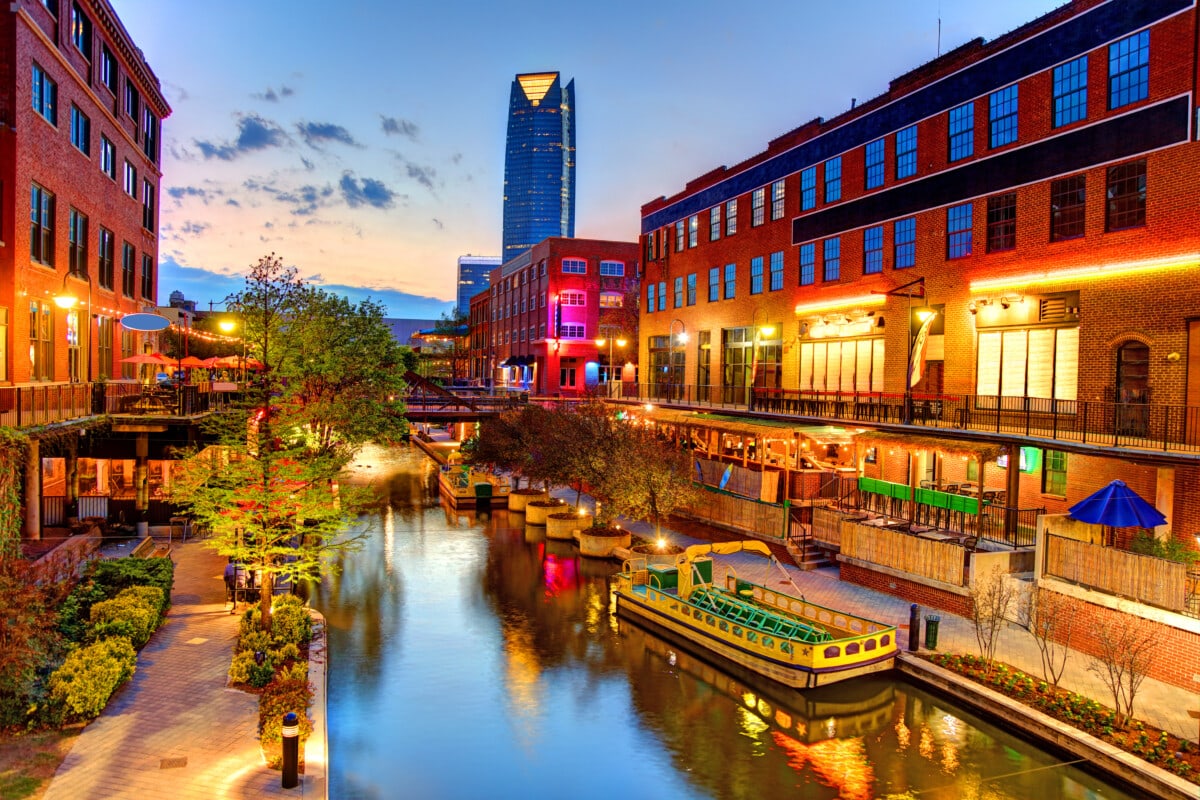
The Global Epicenter of Energy and Oil Markets
Oklahoma’s primary identity in the financial world is inextricably linked to the energy sector. For over a century, the state has been a cornerstone of the American oil and gas industry, but its significance extends far beyond simple extraction.
Cushing: The Pipeline Crossroads of the World
In the world of commodities trading, the town of Cushing, Oklahoma, is perhaps the most critical geographic point on the map. It serves as the delivery point for West Texas Intermediate (WTI), the benchmark for crude oil pricing in the United States. The massive tank farms in Cushing represent a physical manifestation of the global energy market. For investors, Oklahoma is known as the “Pipeline Crossroads of the World,” where storage capacity and midstream logistics dictate global pricing fluctuations. The health of the Oklahoma energy infrastructure is often a leading indicator for energy futures and national security.
The Modern Shale Revolution and Natural Gas
Beyond storage, Oklahoma’s SCOOP (South Central Oklahoma Oil Province) and STACK (Sooner Trend Anadarko Canadian Kingfisher) plays have redefined domestic production. These formations have attracted massive capital expenditures from giants like Devon Energy and Continental Resources. The state’s ability to refine hydraulic fracturing and horizontal drilling techniques has kept it at the forefront of the natural gas market, providing a steady stream of royalty income for private landowners and significant tax revenue for state infrastructure.
A Pivot Toward Renewable Energy Investments
While oil and gas remain king, Oklahoma has quietly transformed into a leader in renewable energy, specifically wind power. It consistently ranks as one of the top three states in the U.S. for wind energy generation. This diversification represents a strategic shift in the state’s economic portfolio, attracting institutional investors looking for ESG (Environmental, Social, and Governance) compliant assets. The vast, open plains provide a natural competitive advantage for large-scale wind farms, turning the state into a net exporter of electricity to neighboring regions.
A Powerhouse in Aerospace and Defense Logistics
For those in the industrial and manufacturing sectors, Oklahoma is best known as a premier hub for aerospace. This is not merely a regional niche but a global one, driven by both military necessity and commercial demand.
Tinker Air Force Base and the MRO Sector
The presence of Tinker Air Force Base in Oklahoma City serves as a massive economic engine. It is the largest single-site employer in the state and home to the Oklahoma City Air Logistics Complex. Oklahoma is world-renowned for MRO—Maintenance, Repair, and Overhaul. The concentration of specialized labor and technical expertise in this field has attracted private sector aerospace giants like Boeing, Northrop Grumman, and Pratt & Whitney. For the business community, Oklahoma offers a specialized ecosystem where military R&D feeds directly into commercial aerospace supply chains.
Unmanned Aerial Systems (UAS) and Future Tech
In recent years, Oklahoma has positioned itself as a testing ground for the next generation of aviation: drones and unmanned aerial systems. With dedicated flight corridors and partnerships between the University of Oklahoma, Oklahoma State University, and private tech firms, the state is attracting venture capital focused on autonomous logistics. This sector represents the “new money” entering the state, moving Oklahoma from a traditional manufacturing base toward a high-tech innovation hub.
Wealth Preservation Through Low Cost of Living and Real Estate

From a personal finance and corporate relocation perspective, Oklahoma is known for its remarkable “buying power.” In an era of high inflation and skyrocketing urban costs, the Oklahoma value proposition is a significant draw for both individual wealth-builders and corporate entities.
Arbitrage of Living Costs
Oklahoma consistently ranks among the states with the lowest cost of living in the United States. This creates a unique opportunity for “geographic arbitrage,” where professionals can maintain high-income remote roles or corporate salaries while drastically reducing their primary expenses—specifically housing and taxes. For the individual investor, this translates to a higher savings rate and more capital available for diversified investment portfolios.
Commercial and Residential Real Estate Yields
The real estate market in Oklahoma City and Tulsa is known for its stability and cash-flow potential. Unlike the volatile “boom and bust” cycles seen in coastal markets, Oklahoma real estate offers attractive capitalization (cap) rates for commercial investors. The steady population growth, fueled by domestic migration from more expensive states like California and New York, has created a robust demand for multi-family housing and industrial warehouse space. For the savvy investor, Oklahoma is a market where the entry price is low, but the fundamentals of demand remain strong.
Agricultural Wealth and Commodity Bedrocks
While tech and energy often dominate the headlines, Oklahoma’s foundational wealth is built on its soil. The state remains a global leader in the production of wheat and livestock, sectors that provide a non-correlated asset class for sophisticated investors.
The Cattle Industry and Protein Markets
Oklahoma is one of the top producers of beef cattle in the nation. The Oklahoma National Stockyards in Oklahoma City is the world’s largest stocker and feeder cattle market. For those interested in agribusiness and commodity trading, Oklahoma represents a critical node in the global food supply chain. The institutionalization of ranching has led to increased interest from private equity firms looking to hedge against inflation through land ownership and agricultural production.
Hard Red Winter Wheat
The state’s climate and geography make it a primary producer of Hard Red Winter Wheat, a staple commodity for the global milling and baking industries. This sector connects Oklahoma’s rural economy directly to international trade policies and global food demand. The resilience of the state’s agricultural sector provides a stabilized floor for its overall economy, ensuring that even during tech or energy downturns, the state maintains a core level of economic output.
Strategic Business Incentives and Fiscal Policy
Finally, Oklahoma is known in the corporate world for its aggressive and business-friendly fiscal environment. The state government has utilized targeted incentives to lure manufacturing and tech firms away from higher-tax jurisdictions.
The Quality Jobs Program
One of the most successful financial tools in the state’s arsenal is the Oklahoma Quality Jobs Program. This initiative provides quarterly cash rebates to companies that create high-paying jobs within the state. By offering direct financial incentives rather than just tax credits, Oklahoma has successfully diversified its economy, bringing in operations from companies like Amazon, Google (which operates a massive data center in Pryor), and various electric vehicle manufacturers.

Favorable Tax Structures for Entrepreneurs
With no inventory tax and a relatively low corporate income tax rate, Oklahoma is designed for scalability. For entrepreneurs and side-hustlers, the low barrier to entry for starting a business—combined with low regulatory hurdles—makes it an ideal “sandbox” for new ventures. The state’s fiscal policy is geared toward capital formation, encouraging residents to reinvest their earnings into local businesses and development projects.
In conclusion, Oklahoma is best known in the financial and business spheres as a state that offers a rare combination of industrial might and fiscal efficiency. It is a place where the legacy of the oil derrick meets the future of wind turbines and aerospace engineering. For the investor, Oklahoma represents a landscape of high-yield real estate, critical commodity infrastructure, and a pro-growth environment that prioritizes the bottom line. Whether through the lens of energy, agriculture, or modern manufacturing, the Oklahoma story is one of consistent economic relevance and strategic financial advantage.
aViewFromTheCave is a participant in the Amazon Services LLC Associates Program, an affiliate advertising program designed to provide a means for sites to earn advertising fees by advertising and linking to Amazon.com. Amazon, the Amazon logo, AmazonSupply, and the AmazonSupply logo are trademarks of Amazon.com, Inc. or its affiliates. As an Amazon Associate we earn affiliate commissions from qualifying purchases.