
For most individuals, the acquisition of real estate represents the single largest financial transaction of their lives. Because the cost of a home typically exceeds the liquid assets of the average buyer, the financial industry provides a specific vehicle to facilitate these purchases: the home loan. Commonly referred to as a mortgage, a home loan is more than just a means to an end; it is a complex financial instrument that involves a legal agreement between a borrower and a lender, structured over decades, and underpinned by the value of the property itself.
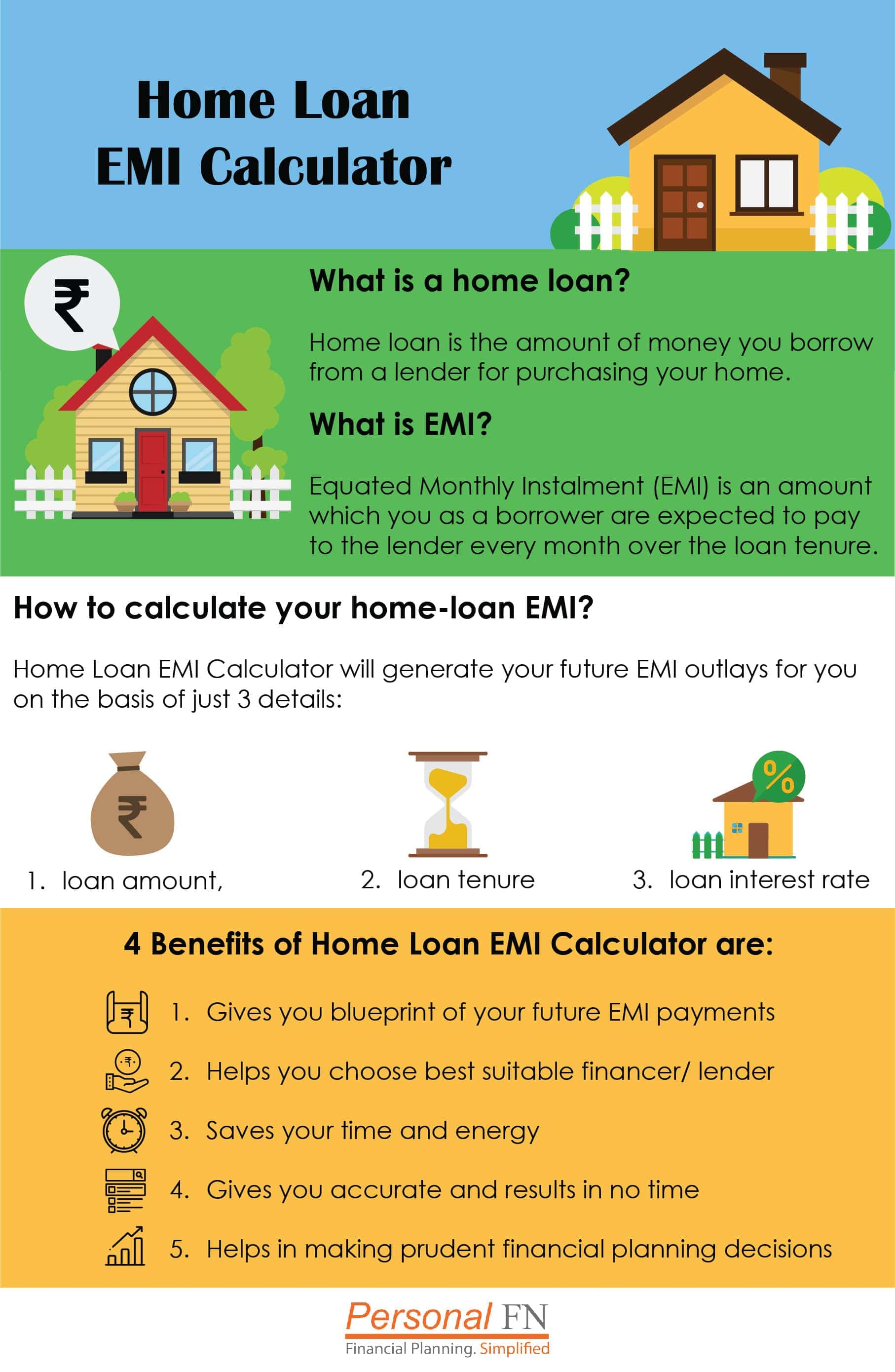
Understanding the mechanics of a home loan is essential for anyone looking to navigate the landscape of personal finance. It is not merely a debt, but a tool for leveraging capital, building equity, and securing a tangible asset that historically appreciates over time. This guide explores the fundamental structures, diverse types, and strategic considerations involved in securing and managing a home loan.
Understanding the Fundamentals of Home Financing
At its core, a home loan is a secured loan. In the world of finance, “secured” means the debt is backed by collateral. In this case, the collateral is the property being purchased. This arrangement provides a layer of security for the lender; if the borrower fails to meet the repayment terms, the lender has the legal right to seize the property through a process known as foreclosure to recover the outstanding balance.
The Dynamics of the Mortgage Agreement
A mortgage agreement consists of two primary documents: the promissory note and the deed of trust (or mortgage deed). The promissory note is a legal “I owe you” that outlines the amount borrowed, the interest rate, and the repayment schedule. The deed of trust is the document that secures the note with the property, giving the lender a lien on the home until the loan is paid in full.
The Role of Principal and Interest
Every home loan payment is primarily divided into two parts: principal and interest. The principal is the original amount of money borrowed. The interest is the cost of borrowing that money, expressed as a percentage. In the early years of a 30-year mortgage, a significant portion of the monthly payment is directed toward interest. As the loan matures, a larger share of the payment is applied to the principal balance, a process known as amortization.
The Importance of Equity
Equity is the difference between the current market value of the home and the remaining balance on the home loan. As you make payments and the principal decreases—or as the property value increases due to market trends—your equity grows. Equity is a vital component of personal net worth and can be leveraged later through home equity loans or lines of credit for other financial needs, such as home improvements or debt consolidation.
Diverse Types of Home Loans and Financing Options
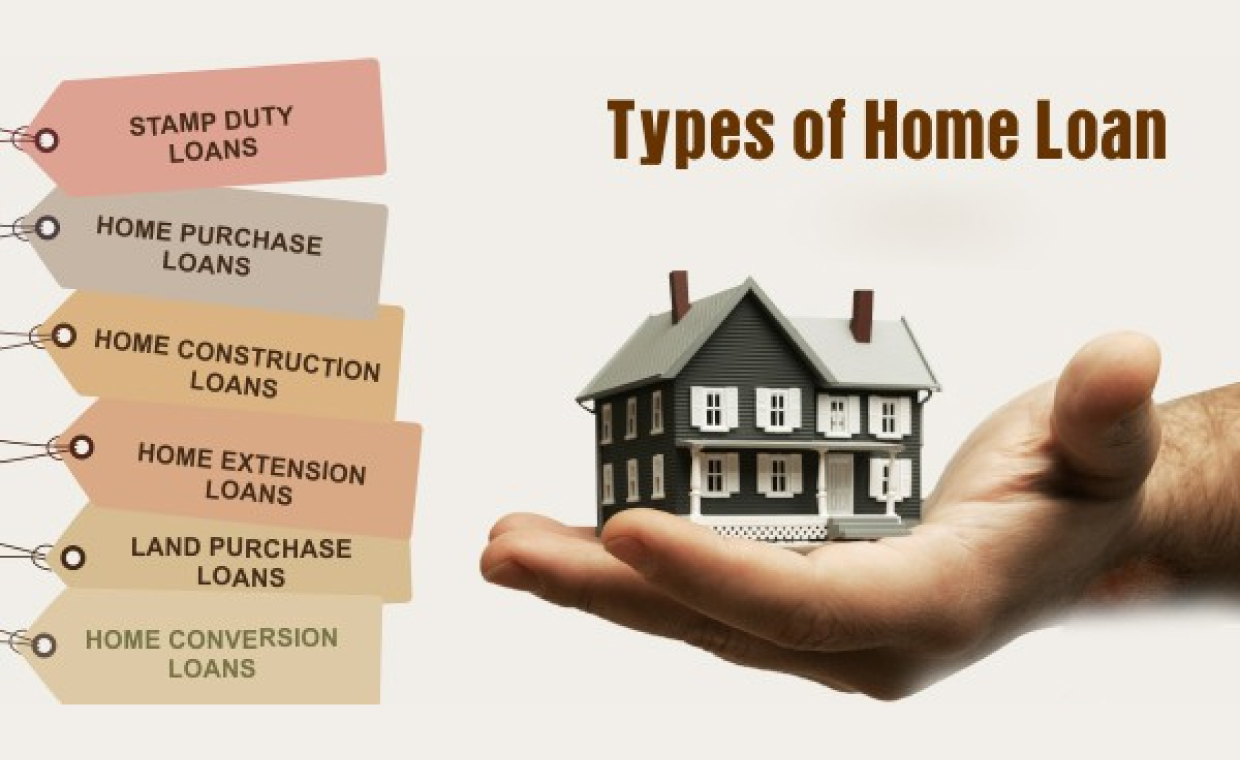
The financial market offers a variety of home loan products tailored to different borrower profiles, financial situations, and property types. Choosing the right loan type can save a borrower tens of thousands of dollars over the life of the loan.
Conventional Loans
Conventional loans are the most common type of home financing. They are not insured or guaranteed by the federal government but instead adhere to the guidelines set by government-sponsored enterprises like Fannie Mae and Freddie Mac. These loans typically require higher credit scores and larger down payments (often ranging from 3% to 20%). Borrowers who provide less than a 20% down payment on a conventional loan are usually required to pay Private Mortgage Insurance (PMI), which protects the lender in case of default.
Government-Backed Loans
To make homeownership more accessible, the government offers several loan programs designed for specific demographics:
- FHA Loans: Insured by the Federal Housing Administration, these loans are popular among first-time buyers. They allow for down payments as low as 3.5% and are more lenient regarding credit scores.
- VA Loans: Available to veterans, active-duty service members, and eligible surviving spouses, VA loans are backed by the Department of Veterans Affairs. They often require no down payment and no private mortgage insurance, making them an elite financial tool for those who have served.
- USDA Loans: These are designed for low-to-moderate-income buyers in designated rural areas. Backed by the U.S. Department of Agriculture, they offer 100% financing options to encourage development in less populated regions.
Fixed-Rate vs. Adjustable-Rate Mortgages (ARMs)
The structure of the interest rate is a defining feature of any home loan.
- Fixed-Rate Mortgages: These maintain the same interest rate for the entire duration of the loan, usually 15, 20, or 30 years. This provides stability, as the monthly principal and interest payment never changes, protecting the borrower from rising market rates.
- Adjustable-Rate Mortgages (ARMs): These have an interest rate that is fixed for an initial period (e.g., 5 or 7 years) and then adjusts periodically based on market indices. ARMs often start with lower rates than fixed mortgages, which can be advantageous for buyers who plan to sell or refinance before the adjustment period begins. However, they carry the risk of significantly higher payments if interest rates rise.
The Critical Components: Interest Rates, Down Payments, and Terms

When evaluating a home loan, three primary factors dictate the total cost and monthly affordability: the interest rate, the down payment, and the loan term.
The Impact of Interest Rates
Interest rates are influenced by both macroeconomic factors (such as Federal Reserve policy and inflation) and individual borrower factors (such as credit score and debt-to-income ratio). Even a 0.5% difference in an interest rate can result in a massive difference in total interest paid over 30 years. For instance, on a $300,000 loan, the difference between a 6% and a 6.5% interest rate amounts to over $35,000 in additional interest costs over the life of the loan.
The Down Payment Strategy
While the “20% down” rule is often cited as the gold standard, modern financing allows for much lower entries. However, the size of the down payment directly affects the loan-to-value (LTV) ratio. A higher down payment reduces the lender’s risk, often resulting in a lower interest rate and the elimination of monthly mortgage insurance premiums. From a personal finance perspective, a larger down payment also means immediate equity and lower monthly cash flow requirements.
Loan Terms: 15 vs. 30 Years
The term of the loan refers to how long the borrower has to repay the debt.
- 30-Year Term: This is the most popular choice because it offers the lowest monthly payment, making expensive homes more affordable. However, the trade-off is a much higher total interest cost over the three decades.
- 15-Year Term: These loans typically come with lower interest rates but significantly higher monthly payments. The benefit is a dramatic reduction in total interest paid and a much faster path to full homeownership.
The Application, Approval, and Closing Process
Securing a home loan is a rigorous process that requires transparency and financial preparation. Lenders perform deep dives into a borrower’s financial history to assess risk.
Credit Scores and Debt-to-Income (DTI) Ratios
Lenders primarily look at two numbers: the FICO score and the DTI ratio. A higher credit score signals a history of responsible debt management and grants access to the best interest rates. The DTI ratio compares the borrower’s monthly debt obligations (including the projected mortgage) to their gross monthly income. Most conventional lenders prefer a DTI ratio below 43%, though some programs allow for higher thresholds.
The Underwriting Phase
Once an offer on a home is accepted, the loan enters the underwriting phase. An underwriter verifies all documentation—tax returns, pay stubs, bank statements—and ensures the property itself is a sound investment through an appraisal. The appraisal is a critical step; if the home appraises for less than the purchase price, the lender will only fund the loan based on the appraised value, potentially requiring the buyer to cover the “appraisal gap” in cash.
Closing Costs
The final hurdle of a home loan is the closing. Beyond the down payment, borrowers must pay closing costs, which typically range from 2% to 5% of the home’s purchase price. These costs cover loan origination fees, title insurance, government recording fees, and escrowed taxes and insurance. It is a vital step in the financial planning process to ensure these liquid funds are available in addition to the down payment.
Strategic Financial Management of Your Mortgage
A home loan should not be viewed as a “set it and forget it” debt. It is a dynamic component of a person’s financial portfolio that requires ongoing management.
The Power of Refinancing
Refinancing involves replacing an existing home loan with a new one, typically to take advantage of lower interest rates or to change the loan term. A “rate-and-term” refinance can lower monthly payments, while a “cash-out” refinance allows homeowners to tap into their equity for major expenses. However, refinancing comes with its own set of closing costs, so a “break-even” analysis is necessary to ensure the long-term savings outweigh the immediate expense.
Building Equity Through Accelerated Payments
For those with excess cash flow, making extra payments toward the principal can yield a high “guaranteed return” by avoiding future interest charges. Even one extra mortgage payment per year can shave years off a 30-year mortgage. This strategy effectively increases the homeowner’s net worth and provides a psychological sense of security.
Mortgage as a Hedge Against Inflation
In a personal finance context, a fixed-rate home loan acts as a hedge against inflation. While the price of consumer goods, services, and rents may rise over time, the principal and interest portion of a fixed-rate mortgage remains constant. Over 20 or 30 years, the borrower is effectively paying back the debt with “cheaper” dollars, making the mortgage one of the few forms of debt that can actually work in the borrower’s favor during inflationary periods.
Navigating the world of home loans requires a balance of market knowledge and personal financial discipline. By understanding the different loan structures, the impact of interest rates, and the long-term strategies for equity growth, borrowers can transform a home loan from a daunting liability into a cornerstone of their financial success.
aViewFromTheCave is a participant in the Amazon Services LLC Associates Program, an affiliate advertising program designed to provide a means for sites to earn advertising fees by advertising and linking to Amazon.com. Amazon, the Amazon logo, AmazonSupply, and the AmazonSupply logo are trademarks of Amazon.com, Inc. or its affiliates. As an Amazon Associate we earn affiliate commissions from qualifying purchases.