
Maintaining optimal indoor humidity is a critical, yet often overlooked, aspect of a healthy and comfortable living environment. Far beyond mere comfort, balanced humidity levels play a significant role in preserving the structural integrity of your home, safeguarding electronics, and even impacting your personal well-being. In the era of smart homes and advanced environmental controls, understanding and managing household humidity has become more accessible and precise than ever before. This article delves into what constitutes “normal” humidity, exploring the technological tools and insights available to achieve and sustain it, ensuring your home remains a sanctuary of optimal air quality.
The Science of Indoor Air Quality and Humidity Monitoring
Understanding normal humidity begins with grasping the fundamental principles of indoor air quality and how technological advancements allow for its precise monitoring. Modern homes, increasingly sealed for energy efficiency, require sophisticated solutions to manage the delicate balance of their internal atmosphere.
Understanding Relative Humidity (RH) and its Impact
Relative humidity (RH) is the most common metric used to describe the amount of water vapor in the air, expressed as a percentage of the maximum amount of water vapor the air can hold at a given temperature. It’s a dynamic measurement, directly influenced by temperature changes. For instance, cold air holds less moisture than warm air, meaning a relatively small amount of water vapor can result in high RH in a cooler environment.
The impact of RH on a household is multifaceted:
-
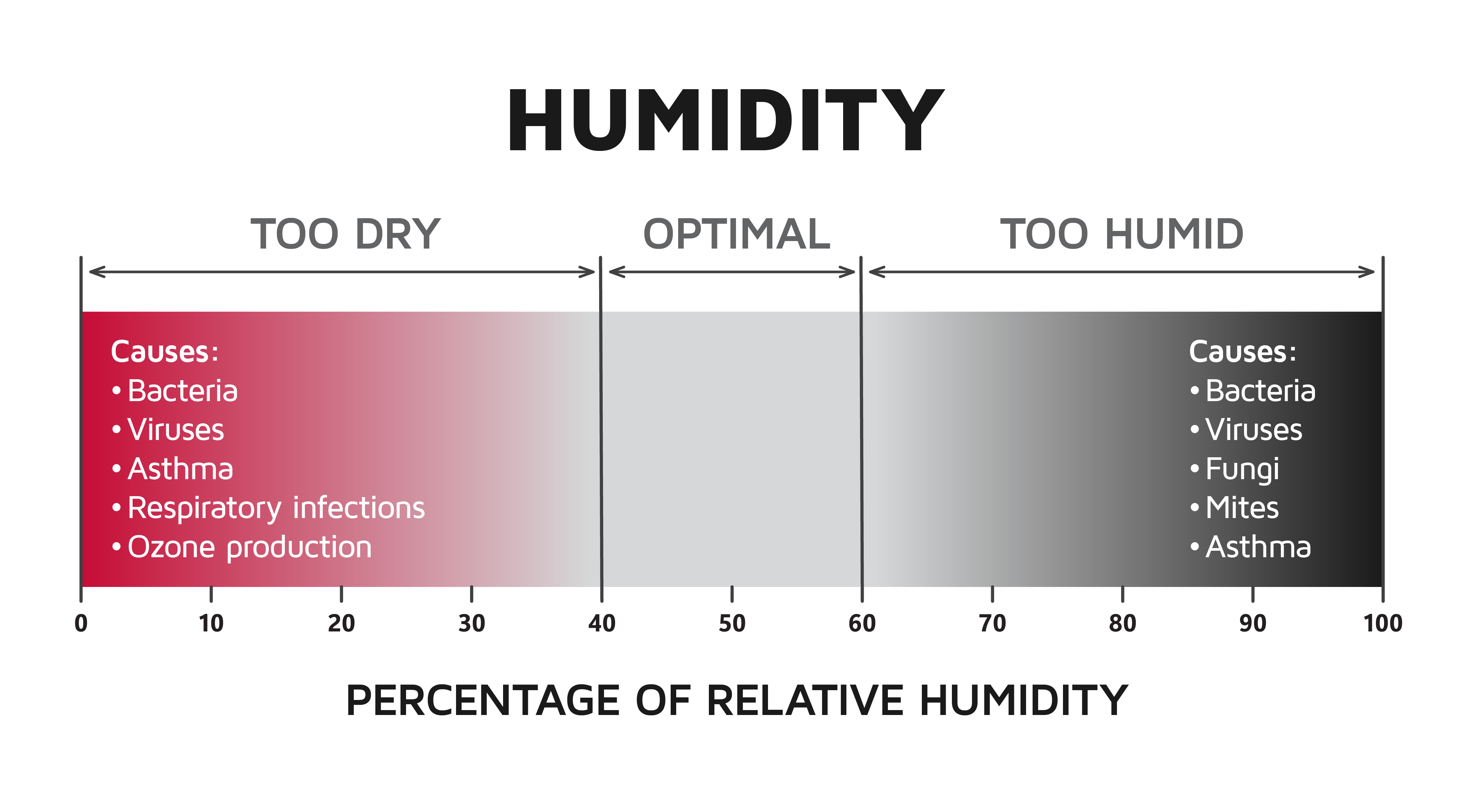
Low RH (below 30%): Can lead to dry skin, irritated respiratory passages, static electricity, damage to wooden furniture, floors, and musical instruments, and increased susceptibility to airborne viruses.
-
High RH (above 60%): Fosters the growth of mold, mildew, dust mites, and bacteria, leading to musty odors, respiratory issues, and potential structural damage to walls, ceilings, and foundations. It can also cause wood to swell and paint to peel, and in severe cases, damage sensitive electronics due to condensation.
Identifying the “normal” range is therefore not just about comfort; it’s about mitigating these tangible risks through informed environmental control.
Why Accurate Measurement Matters: The Role of Sensors
At the heart of effective humidity management lies accurate measurement, a capability vastly improved by contemporary sensor technology. Traditional analog hygrometers offered a rough estimate, but today’s digital sensors provide precise, real-time data crucial for intelligent home management. These advanced sensors, often based on capacitive or resistive technologies, detect changes in electrical properties due to moisture absorption, converting this into highly accurate RH readings.
Beyond mere accuracy, modern humidity sensors are engineered for:
-
Reliability: Long-term stability with minimal calibration requirements.
-
Connectivity: Seamless integration into smart home networks via Wi-Fi, Bluetooth, Zigbee, or Z-Wave.
-
Miniaturization: Enabling discreet placement in multiple rooms or within integrated devices.
-
Multi-sensing Capabilities: Often paired with temperature, VOC (Volatile Organic Compound), and CO2 sensors for a comprehensive view of indoor air quality.
This sophisticated sensing infrastructure forms the backbone of any intelligent system designed to maintain optimal indoor environments, providing the granular data necessary for informed decision-making and automated adjustments.
Ideal Humidity Ranges: A Technical Perspective
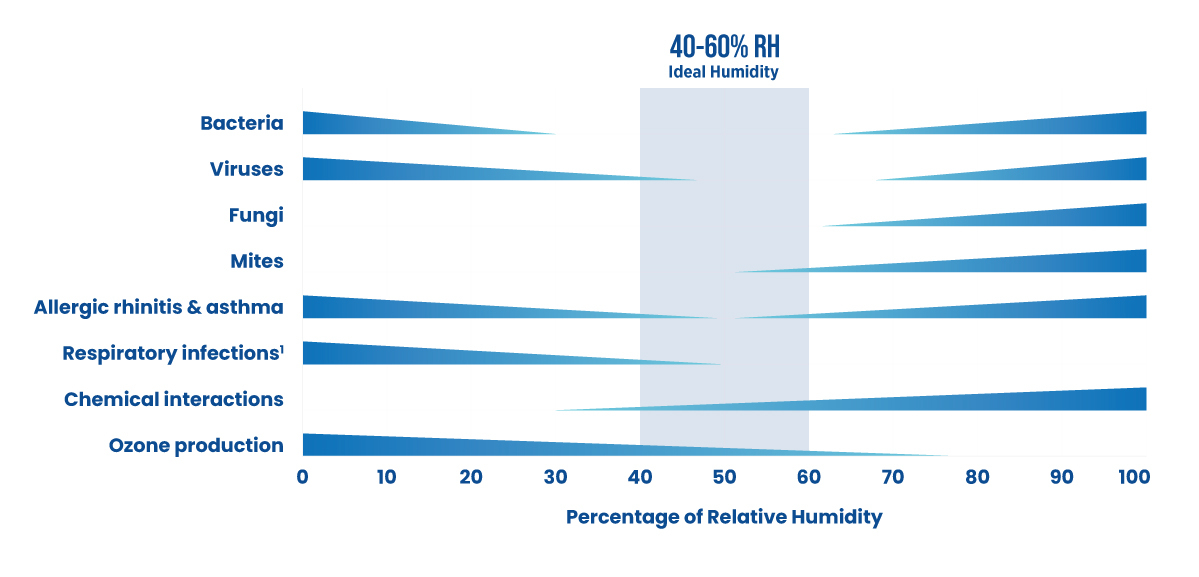
From a technical standpoint, the consensus among building scientists and HVAC professionals is that an ideal indoor RH range for most homes falls between 40% and 60%. This range strikes a balance that minimizes the risks associated with both excessively dry and excessively humid conditions.
-
Winter Considerations: During colder months, especially in regions with harsh winters, maintaining RH closer to the lower end of the 40-50% range is often advisable. Extremely high indoor humidity when outdoor temperatures are low can lead to condensation on windows and cold surfaces, potentially causing moisture damage and mold growth within wall cavities due to thermal bridging. Smart systems are often programmed with algorithms that consider outdoor temperature to adjust target indoor RH dynamically, preventing condensation issues.
-
Summer Considerations: In warmer, humid climates, aiming for 50-60% RH is generally comfortable and prevents excessive drying. Air conditioning systems inherently dehumidify, but in very damp environments, supplemental dehumidification might be necessary to stay within the optimal range without overcooling.
Achieving and maintaining these ideal ranges is less about manual adjustments and more about leveraging smart technologies that continuously monitor, analyze, and react to environmental shifts, ensuring a consistent and healthy indoor climate.
Smart Home Technology for Humidity Management
The advent of smart home technology has revolutionized how we perceive and manage our indoor environments. Humidity control, once a manual chore, has evolved into an integrated, intelligent, and often automated process, leveraging sophisticated gadgets and interconnected systems.
Digital Hygrometers and Smart Sensors: Beyond Basic Readings
The evolution from simple analog hygrometers to sophisticated digital and smart sensors represents a significant leap in environmental monitoring. Digital hygrometers offer precise, easy-to-read RH percentages and temperature readings. Taking this a step further, smart humidity sensors integrate seamlessly into your home network. These compact devices often connect via Wi-Fi, Bluetooth, or other smart home protocols (like Zigbee or Z-Wave) and transmit data to a central hub or a mobile application.
Key capabilities of smart humidity sensors include:
-
Remote Monitoring: Check humidity levels from anywhere via your smartphone.
-
Alerts and Notifications: Receive instant alerts if humidity deviates from your preset comfort zone.
-
Historical Data Logging: Track humidity trends over time, providing valuable insights into patterns and potential issues.
-
Integration with Other Devices: Act as triggers for other smart devices, like turning on a smart dehumidifier when RH goes too high.
These sensors are not just measurement tools; they are the eyes and ears of your smart home, providing the crucial data needed for informed and automated environmental control.
Integrated HVAC Systems and Smart Thermostats
Modern HVAC (Heating, Ventilation, and Air Conditioning) systems, when paired with smart thermostats, offer unparalleled control over both temperature and humidity. Many advanced HVAC units come with built-in dehumidification modes that work independently of cooling, allowing you to reduce humidity without lowering the temperature excessively.
Smart thermostats act as the brain of this integrated system:
-
Advanced Algorithms: They use complex algorithms that consider not only temperature setpoints but also current humidity levels, outdoor weather data, and even occupancy patterns to optimize climate control.
-
Zoned Control: In larger homes, multi-zone HVAC systems controlled by smart thermostats can maintain different humidity levels in various areas, catering to specific needs (e.g., lower humidity in a basement, slightly higher in a living room).
-
Energy Efficiency: By intelligently managing dehumidification cycles and fan speeds, smart thermostats can reduce energy consumption while maintaining desired humidity levels.
-
Predictive Capabilities: Some systems can learn your home’s thermal and humidity profile, anticipating needs and making pre-emptive adjustments.
The synergy between smart thermostats and advanced HVAC systems provides a holistic solution for maintaining precise humidity within your home, adapting to changing conditions automatically.

Automating Humidity Control with Smart Humidifiers and Dehumidifiers
For situations where your HVAC system alone isn’t sufficient, smart humidifiers and dehumidifiers provide targeted, automated control. These appliances are a cornerstone of modern humidity management, offering granular control that standalone units cannot match.
-
Smart Dehumidifiers: When RH rises above the desired threshold (e.g., in a humid basement or during a rainy season), a smart dehumidifier can be programmed to automatically activate. Many models feature integrated hygrometers and Wi-Fi connectivity, allowing for remote control and integration into smart home routines. They can send notifications when their water reservoir is full or if a filter needs changing.
-
Smart Humidifiers: Conversely, in dry climates or during heating seasons, smart humidifiers replenish moisture in the air. Like their dehumidifying counterparts, they can be set to maintain a specific RH level, often integrate with smart home platforms, and offer features like UV sterilization or essential oil diffusion, all controllable via an app or voice commands.
The ability to connect these devices to a central smart home ecosystem means you can create rules and routines. For example, “If humidity in the basement exceeds 60% for more than 30 minutes, turn on the smart dehumidifier until it drops to 50%.” This level of automation ensures that your home’s humidity is always within the optimal range, without constant manual intervention.
Software, Apps, and Data Analytics for Optimal Home Environments
The real intelligence in smart humidity management comes from the software and applications that process data, enable control, and provide actionable insights. These digital tools transform raw sensor readings into a comprehensive understanding of your home’s microclimate.
Mobile Applications for Remote Monitoring and Control
Virtually every smart humidity sensor, thermostat, and appliance comes with a dedicated mobile application, serving as the primary interface for users. These apps offer a wealth of features:
-
Real-time Data Dashboards: Display current humidity, temperature, and sometimes other air quality metrics for various zones in your home.
-
Historical Graphs: Visualize humidity trends over hours, days, weeks, or months, helping you identify patterns and potential problems.
-
Remote Control: Adjust target humidity levels, turn devices on/off, or activate specific modes from anywhere in the world.
-
Customizable Alerts: Set thresholds for humidity (e.g., notify me if RH drops below 35% or exceeds 65%) and receive push notifications on your phone.
-
Scheduling: Create schedules for when humidifiers or dehumidifiers should operate, aligning with your daily routine or specific environmental needs.
These apps empower homeowners with unprecedented control and awareness, turning their smartphone into a command center for indoor environmental quality.
Leveraging Data for Predictive Maintenance and Energy Efficiency
Beyond immediate control, the cumulative data collected by smart humidity sensors and integrated systems offers powerful opportunities for predictive maintenance and significant energy savings.
-
Identifying Anomalies: Consistent spikes in humidity in a specific area, even when outdoor conditions are stable, could indicate a plumbing leak, compromised insulation, or a ventilation issue. Analyzing historical data helps pinpoint these problems before they escalate into costly repairs.
-
Optimizing HVAC Cycles: By understanding how your home responds to different humidity levels and outdoor conditions, smart systems can optimize HVAC run times. For example, if the system learns that maintaining 50% RH typically requires 30 minutes of dehumidification per hour during a specific outdoor humidity range, it can adjust fan speeds or compressor cycles to achieve this more efficiently.
-
Preventing Mold and Pests: Sustained high humidity creates ideal conditions for mold growth and pest infestations. Data analysis can highlight areas consistently exceeding safe RH levels, prompting investigation and preventative measures, thereby avoiding expensive remediation efforts.
-
Informing Upgrades: Long-term data can reveal systemic issues that might warrant insulation upgrades, improved ventilation systems (e.g., an ERV/HRV), or a more powerful dehumidifier, leading to better long-term performance and efficiency.
This data-driven approach moves beyond reactive problem-solving, enabling proactive management that saves money and prolongs the lifespan of your home’s components.
AI-Powered Insights into Your Home’s Microclimate
The next frontier in home humidity management is the integration of Artificial Intelligence (AI) and machine learning. AI algorithms can process vast amounts of data from multiple sensors (humidity, temperature, outdoor weather, occupancy, energy usage) to develop a nuanced understanding of your home’s unique microclimate.
AI-powered systems can:
-
Predictive Control: Anticipate changes in humidity based on weather forecasts, occupancy schedules, and historical data, making adjustments before conditions become uncomfortable or problematic. For instance, knowing a rainstorm is coming, an AI might slightly lower humidity proactively.
-
Personalized Comfort Profiles: Learn individual preferences and adjust humidity levels not just to a “normal” range but to what feels most comfortable for the occupants while remaining within healthy parameters.
-
Anomaly Detection: More sophisticated than simple threshold alerts, AI can identify subtle, unusual patterns in humidity data that might indicate nascent issues like a slow leak or an impending HVAC malfunction.
-
Optimized Energy Use: Fine-tune the operation of humidifiers, dehumidifiers, and HVAC systems to achieve desired humidity levels with the absolute minimum energy expenditure, constantly learning and improving efficiency.
These intelligent systems transition home environmental control from rule-based automation to truly adaptive and self-optimizing management, offering unprecedented levels of comfort, health, and efficiency.
Choosing and Implementing Humidity Tech Solutions
Navigating the diverse market of smart humidity solutions requires a strategic approach. Selecting the right devices and integrating them effectively into your smart home ecosystem is key to achieving seamless and efficient humidity control.
Key Features to Look for in Smart Humidity Devices
When investing in smart humidity technology, consider the following features to ensure you select devices that best meet your needs:
-
Accuracy and Reliability: Prioritize devices with high-precision sensors and a reputation for long-term stability. Read reviews and look for certifications if available.
-
Connectivity Options: Ensure compatibility with your existing smart home platform (e.g., Apple HomeKit, Google Home, Amazon Alexa, Samsung SmartThings) or the ability to operate standalone if preferred. Wi-Fi, Zigbee, and Z-Wave are common protocols.
-
Integration Capabilities: Can the device communicate and interact with other smart devices in your home (e.g., smart thermostats, smart plugs for dumb humidifiers/dehumidifiers)? This is crucial for automation.
-
Mobile App Functionality: A user-friendly, feature-rich app with remote monitoring, historical data, and customizable alerts is essential.
-
Power Source: Battery-powered sensors offer placement flexibility, while wired devices provide continuous data without battery changes. Consider the trade-offs.
-
Data Security and Privacy: Choose brands with strong commitments to data encryption and user privacy, especially for devices connected to your home network.
-
Design and Placement: Some sensors are designed to be discreet, while others might be integrated into a larger smart display. Consider where the device will be located and how it blends with your home décor.
Thoughtful selection based on these criteria ensures you build a robust and effective humidity management system.
Installation and Integration with Existing Smart Home Ecosystems
Once selected, proper installation and integration are vital. Many smart humidity sensors are designed for easy, DIY setup:
-
Placement: Position sensors in areas where you want to monitor humidity, away from direct sunlight, vents, or external doors that could skew readings. Place them at living height, not on the floor or ceiling. For critical areas like basements or bathrooms, consider multiple sensors.
-
Network Connection: Follow the manufacturer’s instructions to connect the device to your home’s Wi-Fi network or smart home hub. This typically involves using the device’s companion app.
-
Ecosystem Integration: Add the device to your preferred smart home platform (e.g., Google Home app, Apple Home app). This step allows you to create routines, automations, and control the device alongside your other smart gadgets. For example, “If the bathroom sensor detects humidity above 70% after 6 PM, turn on the smart fan.”
-
Calibration (if applicable): Some high-end sensors offer calibration features. While not always necessary, if you suspect inaccuracy, check the manual for calibration instructions.
For smart humidifiers and dehumidifiers, ensure they are placed appropriately (e.g., away from walls for optimal airflow) and connected to power. Integrating them into your smart home platform allows them to respond to sensor data and other triggers.
Troubleshooting Common Tech Issues and Optimizing Performance
Even with advanced technology, occasional issues can arise. Knowing how to troubleshoot and optimize performance is crucial:
-
Connectivity Problems: If a device goes offline, first check your Wi-Fi router. Ensure the device is within range and that there isn’t interference from other electronics. Restarting the device and your router often resolves minor glitches.
-
Inaccurate Readings: Compare readings with another trusted hygrometer (if available). If consistently off, consider recalibrating (if the feature exists) or contacting customer support. Ensure correct placement (away from heat/cold sources).
-
Automation Failures: Double-check your smart home routines and rules. Ensure all devices involved in an automation are online and functioning correctly. Simple typos or logic errors can prevent routines from executing.
-
Battery Life: For battery-powered sensors, monitor battery levels via the app and replace batteries proactively to avoid data gaps.
-
Software Updates: Regularly update the firmware of your smart devices and their companion apps. Manufacturers often release updates that improve performance, fix bugs, and enhance security.
-
Over-reliance on Defaults: Don’t just stick with factory default settings. Tailor humidity thresholds, alerts, and automation rules to your specific home, climate, and personal comfort preferences for optimal performance.
By actively engaging with your smart humidity tech, troubleshooting issues, and optimizing settings, you can ensure a consistently healthy and comfortable indoor environment, managed with precision and intelligence.
aViewFromTheCave is a participant in the Amazon Services LLC Associates Program, an affiliate advertising program designed to provide a means for sites to earn advertising fees by advertising and linking to Amazon.com. Amazon, the Amazon logo, AmazonSupply, and the AmazonSupply logo are trademarks of Amazon.com, Inc. or its affiliates. As an Amazon Associate we earn affiliate commissions from qualifying purchases.