
In the intricate world of business finance and risk management, safeguarding assets against unforeseen threats is paramount. While many businesses are adept at insuring against external perils like fire, theft, or natural disasters, a less commonly understood yet equally critical threat often lurks within: employee dishonesty. This is where a fidelity bond steps in, serving as a vital financial instrument designed to protect employers from losses arising from fraudulent or dishonest acts committed by their own employees. More than just a simple insurance policy, a fidelity bond is a specialized type of surety bond, offering a robust layer of financial protection that underscores its indispensable role in prudent business operations and financial stability.
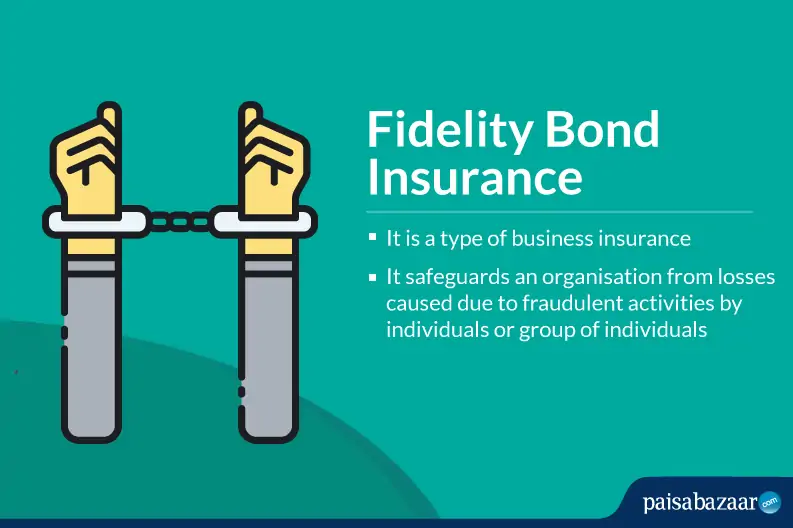
At its core, a fidelity bond is a guarantee from a surety company that an employer will be compensated for financial losses resulting from specified dishonest acts of employees. These acts can range from outright theft and embezzlement to forgery, fraud, and other forms of financial malfeasance. For any business handling money, valuable goods, or sensitive financial information, understanding and implementing fidelity bond coverage is not merely a best practice; it is often a critical component of a comprehensive financial risk strategy, ensuring the continuity and integrity of the enterprise against internal threats that could otherwise lead to devastating financial ruin.
The Core Purpose of a Fidelity Bond: Protecting Against Internal Financial Threats
The primary raison d’être of a fidelity bond is to act as a bulwark against the financial ramifications of employee dishonesty. In any organization, regardless of size or industry, a degree of trust is placed in employees who handle financial transactions, manage assets, or access sensitive data. While the vast majority of employees are trustworthy, the potential for a single individual to abuse that trust and cause significant financial harm is a persistent risk that smart businesses must address.
Protecting Against Employee Dishonesty
Employee dishonesty encompasses a broad spectrum of illicit activities, all designed to financially benefit the employee at the expense of the employer. This includes:
-
Embezzlement: The fraudulent appropriation of assets (typically money) entrusted to an individual. An accounts manager diverting company funds to a personal account is a classic example.
-
Theft of Money or Property: Direct stealing of cash, inventory, equipment, or other valuable assets belonging to the company.
-
Forgery: Falsifying documents, signatures, or records to gain financial advantage or facilitate other fraudulent activities. A payroll clerk forging checks to unauthorized recipients exemplifies this.
-
Computer Fraud: Unauthorized access to computer systems to manipulate data, transfer funds, or steal sensitive information for personal gain.
-
Credit Card Fraud: Unauthorized use of company credit cards for personal purchases.
A fidelity bond specifically covers losses directly caused by these types of acts. It’s not general liability insurance, which covers third-party claims for injury or property damage, nor is it directors and officers (D&O) insurance, which protects company leaders from lawsuits related to their management decisions. A fidelity bond focuses precisely on the internal financial threat posed by employees.
Why Businesses Need This Protection
The need for fidelity bond protection stems from several crucial factors that impact a business’s financial health and operational integrity:
-
Ubiquity of Risk: No business is immune to the risk of employee dishonesty. Even small businesses, where owners often feel they know their employees intimately, can be vulnerable. As businesses grow, the opportunities for fraud and the potential losses can escalate dramatically.
-
Magnitude of Potential Loss: A single act of embezzlement or large-scale fraud can result in devastating financial losses, potentially crippling a small business or causing significant disruption to a larger enterprise. Beyond direct financial loss, there can be additional costs associated with forensic investigations, legal fees, and reputational damage.
-
Difficulty of Recovery: Recovering stolen funds directly from a dishonest employee can be extremely challenging, if not impossible, especially if the funds have been spent or moved offshore. Litigation is often protracted and expensive, with no guarantee of full restitution. A fidelity bond provides a reliable financial backstop.
-
Maintaining Public and Investor Trust: For publicly traded companies, non-profits, or any organization handling public funds or sensitive client data, demonstrating robust internal controls and financial safeguards, including fidelity bonds, is crucial for maintaining trust and fulfilling fiduciary duties.
By transferring the financial risk of employee dishonesty to a surety company, businesses gain a critical layer of financial security, allowing them to focus on growth and operations with greater peace of mind.
Types of Fidelity Bonds: Tailoring Protection to Business Needs
Fidelity bonds are not a one-size-fits-all solution; they come in various forms, each designed to address specific risk profiles and organizational structures. Understanding these distinctions is crucial for businesses to select the most appropriate and cost-effective coverage. The choice often depends on the number of employees, the nature of their roles, and regulatory requirements.
Individual Fidelity Bonds
An individual fidelity bond is the most specific type, covering a single, named employee. This bond is typically used when a particular employee holds a position of significant trust and responsibility, such as a high-level financial officer or an employee with access to substantial assets, and the employer wishes to bond that specific individual. While precise, this type can become cumbersome for larger organizations with high employee turnover, as each new employee in a critical role would require a new bond.
Name Schedule Fidelity Bonds
A name schedule fidelity bond provides coverage for multiple employees, but each covered employee is individually named on the bond. This offers more flexibility than an individual bond by allowing several specific individuals to be covered under one policy. It is suitable for businesses that have a relatively stable workforce and can clearly identify the employees they wish to bond. Like individual bonds, it requires updating the bond whenever a named employee leaves or a new one is hired into a covered position.
Blanket Fidelity Bonds
Blanket fidelity bonds are the most common and comprehensive type of fidelity coverage. Instead of naming specific individuals or positions, a blanket bond covers all employees, or all employees within a specified group, for a set aggregate amount. This simplifies administration and ensures continuous coverage even with employee turnover, as new hires are automatically covered from their start date. There are two primary forms of blanket fidelity bonds:
-
Commercial Blanket Bonds: These bonds cover all employees up to a specified limit for each loss discovered. The maximum liability of the surety is the face amount of the bond, regardless of how many employees are involved in a single loss event. This is often preferred by businesses for its broad coverage.
-
Discovery Bonds: Similar to commercial blanket bonds in that they cover all employees, discovery bonds differ in their trigger for coverage. They cover losses discovered during the policy period, regardless of when the dishonest act actually occurred. This means if a long-standing embezzlement scheme is uncovered today, a discovery bond would provide coverage even if the fraud began years before the bond was purchased, provided the bond was active when the loss was discovered. This feature makes discovery bonds particularly attractive for uncovering historical issues.
Position Schedule Fidelity Bonds
A position schedule fidelity bond covers specific positions within a company, rather than specific individuals. For example, it might cover “all cashiers,” “all warehouse managers,” or “the Chief Financial Officer.” The bond covers whoever fills that position at any given time. This type is highly practical for businesses with defined organizational structures and specific roles that inherently carry higher risks, as it eliminates the need to update the bond with personnel changes within those positions.
ERISA Fidelity Bonds
The Employee Retirement Income Security Act (ERISA) of 1974 mandates a specific type of fidelity bond for individuals who handle funds or other property of an employee benefit plan. This bond, known as an ERISA fidelity bond, is crucial for pension plans, 401(k) plans, and other employee welfare benefit plans. It protects the plan participants and beneficiaries from losses due to fraud or dishonesty by the plan’s fiduciaries or anyone else who handles plan assets. ERISA bonds have specific coverage requirements, typically set at 10% of the amount of funds handled, with minimums and maximums defined by law. Compliance with ERISA bonding requirements is not optional; it is a legal obligation for most employee benefit plans.
Selecting the right type of fidelity bond requires a careful assessment of a company’s specific risks, its operational scale, and any regulatory obligations. Consulting with a knowledgeable insurance broker specializing in surety bonds is often advisable to ensure adequate and appropriate coverage.
How Fidelity Bonds Work: A Financial Mechanism for Recovery
Understanding the practical mechanics of how a fidelity bond operates is crucial for any business contemplating this form of financial protection. It involves a clear delineation of roles, a structured claim process, and specific underwriting considerations that influence both eligibility and cost. Unlike traditional insurance where premiums are paid in exchange for risk transfer, a fidelity bond is a three-party agreement, positioning the surety as a guarantor rather than just an insurer.
Parties Involved
A fidelity bond agreement typically involves three distinct parties:
-
The Obligee: This is the employer, the business or organization that purchases the bond and is protected by it. The obligee is the entity that suffers the financial loss due to employee dishonesty and files a claim.
-
The Principal: This refers to the employee (or group of employees) whose honest performance is guaranteed by the bond. While the bond protects the employer from the principal’s dishonest acts, the principal is ultimately responsible for their actions. If the surety pays a claim, they have the right to seek reimbursement from the principal.
-
The Surety: This is the insurance company or financial institution that issues the bond. The surety company guarantees to the obligee that if a covered loss occurs due to the principal’s dishonest acts, it will pay the obligee up to the bond’s face amount.
This three-party structure highlights the “guarantee” aspect of a surety bond. The surety is essentially vouching for the integrity of the employees (the principals) to the employer (the obligee).
The Claim Process
When an employer (obligee) discovers a financial loss suspected to be caused by an employee’s (principal’s) dishonest act, the claim process generally follows these steps:
-
Discovery of Loss: The employer identifies a discrepancy, theft, or other financial irregularity that points to employee dishonesty. This discovery must be made within the bond’s active period (or during the discovery period for a discovery bond).
-
Notification to Surety: The employer promptly notifies the surety company of the suspected loss, usually within a specified timeframe outlined in the bond agreement.
-
Investigation: The surety company will conduct its own investigation into the claim. This often involves reviewing the employer’s internal records, interviewing relevant personnel, and potentially engaging forensic accountants or private investigators. The employer is expected to cooperate fully with this investigation, providing all necessary documentation and access.
-
Proof of Loss: The employer must provide sufficient proof that the loss occurred, that it was caused by a covered dishonest act of a bonded employee, and the extent of the financial damage. This typically requires clear evidence, such as financial statements, transaction records, police reports, and employee confessions if available.
-
Claim Settlement: If the surety determines the claim is valid and falls within the bond’s coverage, it will pay the employer the amount of the loss, up to the bond’s penal sum (the maximum amount the surety will pay).
-
Subrogation: After paying a valid claim, the surety has the right of subrogation, meaning they can pursue legal action against the dishonest employee (the principal) to recover the funds they paid out. This is a key distinction from traditional insurance, where subrogation rights typically apply to third parties, not the insured.

Underwriting and Cost Factors
The cost of a fidelity bond, known as the premium, is determined by the surety company’s underwriting process, which assesses the risk associated with bonding the employees of a particular business. Key factors include:
-
Type of Business: Industries that handle large amounts of cash, valuable inventory, or sensitive financial data (e.g., banks, retail, financial services, healthcare) are generally considered higher risk.
-
Number of Employees: More employees generally mean a higher aggregate risk, though blanket bonds manage this efficiently.
-
Coverage Amount: The higher the desired coverage limit, the higher the premium.
-
Internal Controls and Management Practices: Businesses with robust internal controls, segregation of duties, regular audits, thorough background checks for employees, and clear policies on financial management are viewed as lower risk and may qualify for lower premiums.
-
Claims History: A history of previous losses due to employee dishonesty will significantly impact future bond costs.
-
Financial Stability of the Business: The overall financial health of the obligee can also be a factor.
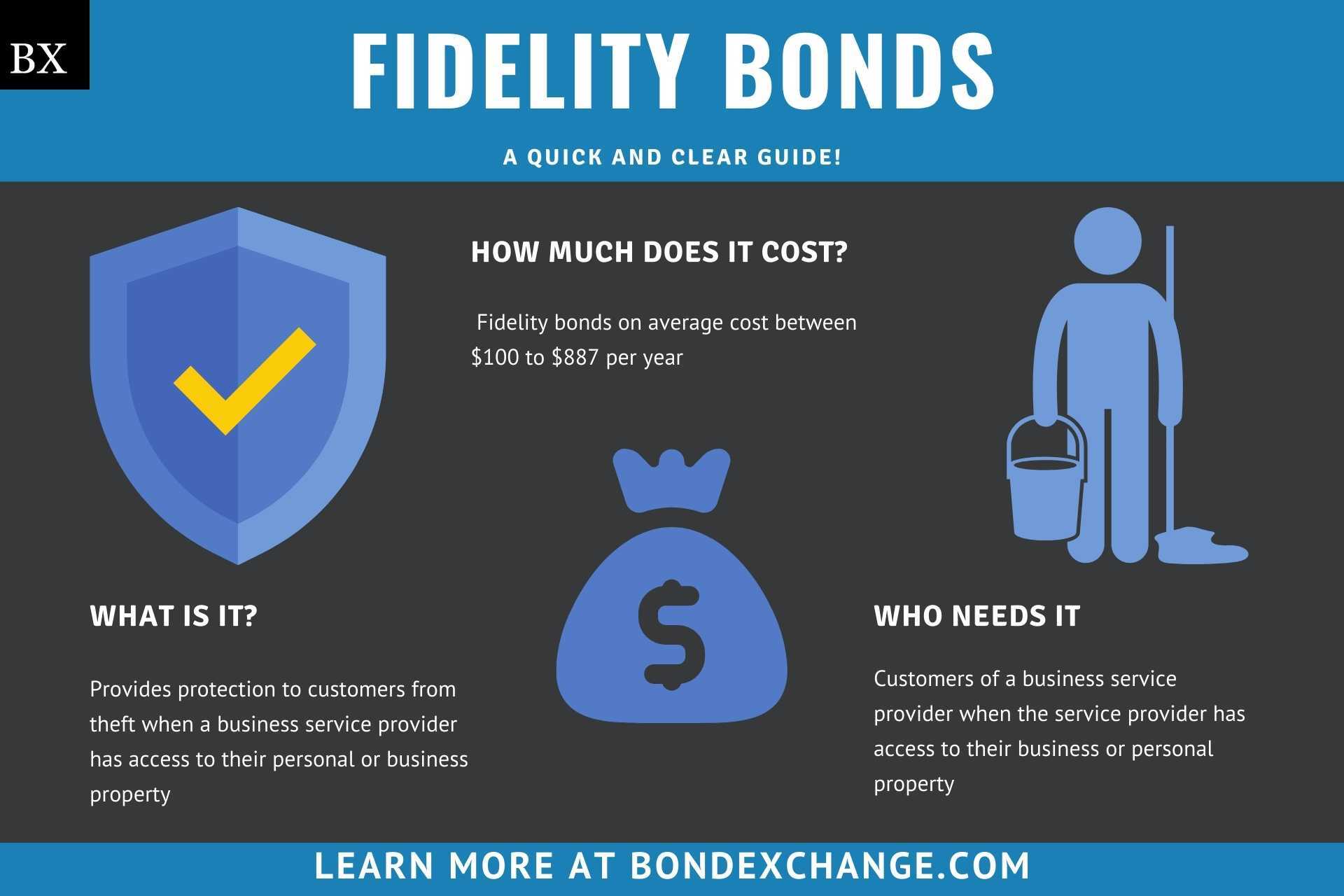
Surety companies typically require applicants to complete a detailed application, provide financial statements, and disclose information about their operations and employee screening processes. The premium is usually an annual fee, and the bond must be renewed periodically to maintain continuous coverage.
The Strategic Financial Benefits for Businesses
Beyond the immediate financial protection against employee dishonesty, fidelity bonds offer a range of strategic financial benefits that contribute to a business’s overall stability, reputation, and operational efficiency. These advantages extend beyond mere risk mitigation, touching upon regulatory compliance, market perception, and even indirect talent attraction.
Risk Mitigation and Financial Stability
The most direct and significant benefit of a fidelity bond is its role in mitigating financial risk. Employee theft or fraud, even from a single individual, can inflict substantial financial damage, potentially wiping out profits, draining cash reserves, or even leading to bankruptcy for smaller enterprises. By having a fidelity bond in place, a business effectively transfers this specific financial risk to a surety provider. This ensures that in the event of a covered loss, the company has a mechanism to recover the stolen funds, thus preserving its working capital, maintaining liquidity, and protecting its overall financial stability. This proactive approach to internal risk management allows a business to weather unforeseen financial shocks caused by internal malfeasance, safeguarding its long-term viability.
Regulatory Compliance
For many industries and specific types of organizations, having a fidelity bond is not merely a prudent business practice but a mandatory regulatory requirement. The most prominent example is the Employee Retirement Income Security Act (ERISA), which stipulates that individuals who handle funds or other property of an employee benefit plan must be bonded. This ensures the protection of plan participants’ retirement savings and benefits. Similarly, certain financial institutions, brokerage firms, government contractors, and companies operating in highly regulated sectors may be required by state or federal law to carry fidelity bonds. Non-compliance with these bonding requirements can lead to severe penalties, including fines, legal action, and even the revocation of licenses or operating permits. Thus, a fidelity bond becomes an essential tool for maintaining legal standing and operational legitimacy.
Enhanced Business Reputation and Trust
In today’s interconnected business environment, reputation is a critical intangible asset. A company that proactively invests in strong internal controls and financial safeguards, including fidelity bonds, signals a commitment to integrity and responsible stewardship. This can significantly enhance its reputation among clients, investors, partners, and even potential employees.
-
For Clients: Businesses that handle client funds, sensitive data, or valuable assets (e.g., wealth management firms, logistics companies, IT service providers) can use their fidelity bond coverage as a differentiator, assuring clients that their interests are protected even against internal threats.
-
For Investors and Lenders: Demonstrating robust risk management, including fidelity bonding, can make a business appear more financially sound and less risky, potentially leading to more favorable terms for loans or attracting investment.
-
For Partners: In joint ventures or supply chain relationships, a fidelity bond can provide reassurance to partners about the security of shared assets and financial dealings.
This enhanced trust can translate into stronger relationships, increased business opportunities, and a more resilient market position.
Attracting and Retaining Talent (Indirectly)
While not a direct benefit, a strong commitment to financial security and ethical operations can indirectly contribute to attracting and retaining high-quality talent. Employees generally prefer to work for stable, well-managed organizations that demonstrate a commitment to ethical conduct. A business that visibly protects its assets and ensures financial integrity, partly through measures like fidelity bonds, fosters a sense of security and professionalism. This environment can be more appealing to conscientious individuals, reducing turnover among valuable employees and creating a more positive workplace culture. Furthermore, the robust internal controls that often accompany the underwriting process for fidelity bonds contribute to a more structured and accountable workplace, which can be a positive for employee morale and productivity.
In essence, fidelity bonds are more than just an expense; they are a strategic investment in a business’s long-term financial health, regulatory compliance, market standing, and overall sustainability.
Obtaining a Fidelity Bond: Key Considerations
For businesses seeking to implement or review fidelity bond coverage, a methodical approach is essential. The process involves assessing specific needs, selecting the right provider, and ensuring ongoing management to maintain adequate protection. Approaching this strategically ensures that the bond effectively serves its purpose as a critical financial safeguard.
Assessing Your Business Needs
The first and most crucial step is a thorough assessment of your business’s unique risk profile and operational requirements. This involves asking several key questions:
-
What are your potential exposures? Consider the types and values of assets handled (cash, inventory, securities, sensitive data), the volume of financial transactions, and the number of employees with access to these assets or systems.
-
Which employees or positions pose the highest risk? While blanket bonds are comprehensive, understanding specific vulnerabilities (e.g., payroll, accounts payable, inventory management) can help determine appropriate coverage limits.
-
Are there any regulatory requirements? Determine if your industry, specific licenses, or employee benefit plans (like ERISA) mandate a certain type or amount of fidelity bond coverage.
-
What is the potential maximum loss from a single incident? While difficult to pinpoint precisely, estimating the worst-case scenario can help in setting an adequate bond limit. Under-bonding can leave your business exposed to significant unreimbursed losses.
-
What types of dishonest acts are most concerning? While most bonds cover various acts, some businesses might have specific concerns (e.g., cyber fraud for tech companies, inventory shrinkage for retailers) that might influence the choice of bond type or riders.
This comprehensive self-assessment provides the foundation for determining the appropriate bond type (individual, schedule, or blanket) and the necessary coverage amount.
Working with a Reputable Surety Company
Once your needs are identified, selecting a reputable and financially strong surety company is paramount. A fidelity bond is only as good as the surety backing it. Key factors to consider when choosing a surety provider include:
-
Financial Strength: Look for companies with high ratings from independent financial rating agencies (e.g., A.M. Best, Standard & Poor’s). This indicates their ability to meet their obligations and pay claims.
-
Experience in Fidelity Bonding: Choose a surety that specializes in or has extensive experience with fidelity bonds, particularly in your industry. They will better understand your specific risks and offer appropriate solutions.
-
Customer Service and Claim Handling: Research the company’s reputation for responsiveness and fairness in processing claims. A streamlined and transparent claims process is critical when you need it most.
-
Underwriting Expertise: A good surety will work with you to understand your internal controls and risk management practices, potentially offering advice and helping tailor the bond to your specific needs.
-
Broker Relationship: Often, working through an experienced insurance broker specializing in surety bonds can be beneficial. Brokers can provide access to multiple surety markets, help you compare quotes, and guide you through the application and underwriting process. They act as your advocate, ensuring you get the right coverage at a competitive price.
Avoid simply choosing the cheapest option without vetting the surety’s credentials and service quality. The true value of a bond lies in its ability to deliver when a loss occurs.
Ongoing Management
Obtaining a fidelity bond is not a one-time transaction; it requires ongoing management to ensure its continued effectiveness:
-
Regular Review of Coverage: Businesses evolve. As your company grows, adds new services, expands its workforce, or acquires new assets, your risk profile changes. It’s crucial to review your fidelity bond coverage at least annually, or whenever significant operational changes occur, to ensure the bond limits and terms remain adequate.
-
Maintain Strong Internal Controls: Remember that fidelity bonds are a financial backstop, not a replacement for robust internal controls. Continue to implement and enforce strong policies and procedures for financial oversight, background checks, segregation of duties, and regular audits. These practices can also help reduce your bond premiums.
-
Prompt Reporting of Losses: Should a loss occur, it’s critical to report it to your surety company promptly and follow the claims process meticulously. Delays or incomplete information can jeopardize your claim.
-
Employee Awareness: While specific bond details may not be public, ensuring employees understand the company’s commitment to ethical conduct and the consequences of dishonesty (including potential recovery efforts by the surety) can act as a deterrent.
By taking a proactive and continuous approach to managing your fidelity bond, businesses can ensure that this vital financial tool remains a strong and reliable component of their overall risk management strategy.
Conclusion
In the complex landscape of modern business, where financial integrity and asset protection are paramount, the fidelity bond stands out as an indispensable financial instrument. It serves as a crucial line of defense, specifically designed to shield businesses from the potentially devastating financial fallout of employee dishonesty, ranging from embezzlement and theft to forgery and fraud. By transferring this inherent internal risk to a surety provider, companies can secure their financial stability and ensure continuity even in the face of unforeseen ethical breaches.
Beyond its primary function of risk mitigation, the strategic benefits of a fidelity bond are far-reaching. It aids businesses in meeting critical regulatory compliance requirements, particularly for those handling employee benefit plans under ERISA or operating in heavily regulated sectors. Furthermore, possessing a fidelity bond enhances a company’s reputation, building trust with clients, investors, and partners by demonstrating a proactive commitment to robust financial controls and ethical operations. This commitment, in turn, can indirectly contribute to attracting and retaining high-caliber talent, fostering a more secure and professional work environment.
Choosing the right type of fidelity bond—be it individual, schedule, or the widely adopted blanket coverage—requires careful consideration of a business’s unique vulnerabilities and operational scale. The process involves a thorough assessment of potential exposures, diligent selection of a reputable surety company, and ongoing management to ensure the coverage remains adequate as the business evolves.
Ultimately, a fidelity bond is more than just an expense; it is a prudent and strategic investment in a business’s long-term health and resilience. It is a testament to sound financial management, providing peace of mind by safeguarding assets against internal threats and allowing businesses to focus on their core objectives with an enduring layer of financial security. For any entity concerned with protecting its bottom line and upholding its integrity, understanding and implementing a fidelity bond is not merely an option, but a financial imperative.
aViewFromTheCave is a participant in the Amazon Services LLC Associates Program, an affiliate advertising program designed to provide a means for sites to earn advertising fees by advertising and linking to Amazon.com. Amazon, the Amazon logo, AmazonSupply, and the AmazonSupply logo are trademarks of Amazon.com, Inc. or its affiliates. As an Amazon Associate we earn affiliate commissions from qualifying purchases.