
The seemingly simple act of taking your temperature can sometimes spark a flurry of questions, especially when relying on methods beyond the traditional oral or rectal readings. One such method, and the focus of our exploration today, is axillary temperature measurement – the reading taken from the armpit. While often considered less precise than other methods, understanding what constitutes a “normal” axillary temperature is crucial for accurate health monitoring, particularly for infants and young children, or when other methods are inconvenient or unavailable.
This article will delve into the nuances of axillary temperature readings, exploring what constitutes a typical range, the factors that can influence it, and how to interpret these readings in the context of overall health. We’ll also touch upon the technological advancements and financial considerations that sometimes intersect with health monitoring, even for something as fundamental as body temperature.
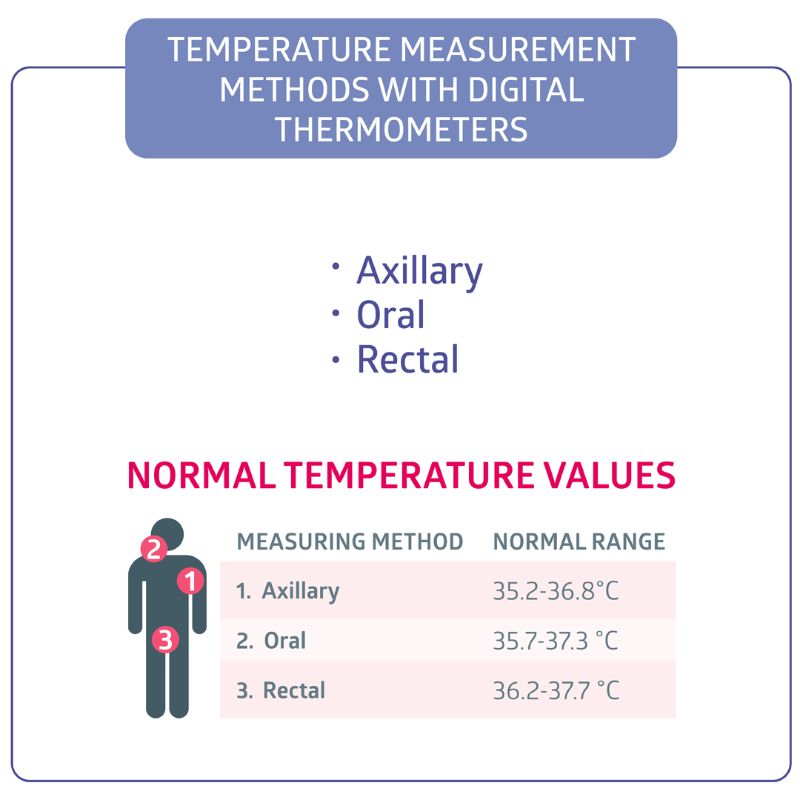
Understanding the Axillary Temperature Measurement
Axillary temperature is measured by placing a thermometer in the armpit. This method is generally considered non-invasive and is often preferred for infants and young children who may not tolerate oral thermometers well, or for individuals who are unconscious or unable to cooperate with other methods.
The Mechanics of Axillary Thermometry
The process is straightforward. A thermometer, whether digital or traditional glass, is placed firmly in the center of the armpit. The arm should then be held down against the thermometer to ensure good contact and prevent air from affecting the reading. For digital thermometers, you’ll typically wait for an audible beep to signal that the reading is complete. For glass thermometers, a few minutes are usually recommended.
Why Choose Axillary?
The primary advantages of axillary thermometry lie in its ease of use and comfort. It’s a safe method for all age groups and can be particularly helpful in situations where:
- Infants and Toddlers: These young individuals may struggle to keep a thermometer in their mouth or find rectal readings uncomfortable or distressing.
- Individuals with Breathing Difficulties: Those who breathe through their mouths will not get an accurate oral temperature reading.
- Post-Surgery or Oral Trauma: If a person has had recent surgery in their mouth or suffered an injury, axillary temperature can be a suitable alternative.
- Unconscious or Uncooperative Individuals: For those who cannot hold a thermometer in their mouth or assist with other methods, the armpit offers a accessible point of measurement.
However, it’s important to acknowledge that axillary temperature readings are generally considered less accurate than oral or rectal measurements. The armpit is an external body part, and its temperature is more susceptible to environmental influences.
What is Considered Normal Axillary Temperature?
Defining “normal” body temperature is a complex undertaking, as it’s not a single fixed number but rather a range that can fluctuate based on numerous factors. When it comes to axillary temperature, this range is typically considered to be slightly lower than oral or rectal temperatures.
The “Normal” Axillary Range: A General Guideline
While a core body temperature of 98.6°F (37°C) is often cited as the average, axillary readings tend to be approximately 0.5°F to 1°F (0.3°C to 0.6°C) lower than oral temperatures. Therefore, a generally accepted range for normal axillary temperature in adults is often considered to be between 97.0°F and 97.9°F (36.1°C and 36.6°C).
For infants and young children, the interpretation can be similar, but their basal body temperature might naturally be slightly higher. However, the principle of axillary readings being cooler than core temperatures remains.
Factors Influencing Axillary Temperature Readings
It is critical to understand that these are just guidelines. Several factors can influence the reading obtained from the armpit, leading to variations that may or may not indicate illness:
- Environmental Temperature: A cold room can lead to a lower reading, while a warm environment might artificially elevate it. Ensuring the individual is dressed appropriately and in a comfortable room temperature is crucial.
- Recent Physical Activity: Exercise increases body temperature. If the armpit reading is taken immediately after strenuous activity, it may be higher than the person’s baseline.
- Clothing: Wearing thick clothing that traps heat can influence the armpit temperature.
- Sweating: The presence of sweat in the armpit can cool the skin, leading to a lower reading. It’s important to ensure the armpit is dry before taking the measurement.
- Placement of the Thermometer: The accuracy of the reading depends on the thermometer being placed correctly in the deepest part of the armpit and held firmly against the skin.
- Individual Metabolism and Circadian Rhythms: Just like oral temperatures, axillary temperatures can vary slightly throughout the day due to natural biological rhythms.
- Age: As mentioned, infants and young children can have slightly different temperature ranges, and their temperature regulation mechanisms are still developing.

Interpreting Axillary Fever
When considering whether an axillary temperature indicates a fever, it’s essential to use a higher threshold than the “normal” range. Generally, an axillary temperature of 100.4°F (38°C) or higher is considered to be a fever. However, due to the inherent variability and lower precision of axillary readings, it is often recommended to confirm a suspected fever with an oral or rectal thermometer, especially in infants and young children, or if the reading is borderline concerning.
If you are concerned about a temperature reading, especially if it is accompanied by other symptoms such as lethargy, irritability, poor feeding, or dehydration, it is always best to consult a healthcare professional.
Navigating Health Monitoring: Tech, Brands, and Your Wallet
While understanding normal body temperature is a fundamental aspect of health, the broader landscape of health monitoring is increasingly intertwined with technology, branding, and financial considerations. From sophisticated diagnostic gadgets to the trusted reputation of healthcare brands, and the cost of staying healthy, these elements play a significant role in how we approach our well-being.
The Role of Technology in Temperature Monitoring
The evolution of thermometers itself is a testament to technological advancement. Gone are the days when mercury thermometers were the only option. Digital thermometers, infrared thermometers, and even smart thermometers that connect to smartphone apps offer greater convenience, speed, and in some cases, enhanced accuracy.
- Digital Thermometers: These are the most common type of thermometer today, offering quick readings and easy-to-understand digital displays. Many are designed for multiple uses (oral, axillary, rectal), though it’s crucial to follow manufacturer instructions for proper cleaning and use for each site.
- Infrared Thermometers: These non-contact thermometers are excellent for quickly checking temperatures, especially on sleeping infants, without disturbing them. They measure the infrared heat emitted from the forehead or ear. While convenient, their accuracy can be influenced by factors like sweat or ambient temperature.
- Smart Thermometers and Health Apps: The integration of health monitoring with smart devices is a growing trend. Some advanced thermometers can sync data with health apps on your smartphone, allowing you to track temperature trends over time, share information with your doctor, and even receive alerts based on your readings. These apps can provide valuable insights, helping you to identify patterns and understand how different factors might be affecting your temperature.
The development of these technologies is often driven by the need for more precise, user-friendly, and accessible health monitoring tools. The focus on features like speed, accuracy, and ease of use is paramount, making health tracking more integrated into our daily lives.
Brand Trust and Healthcare Decisions
When it comes to health, the brand behind a product or service often carries significant weight. In the realm of thermometers and health monitoring devices, consumers tend to gravitate towards brands that have a reputation for reliability, accuracy, and safety.
- Established Healthcare Brands: Companies with a long history in the medical field often inspire confidence. Their brand identity is built on trust, rigorous testing, and a commitment to quality. When choosing a thermometer, looking for well-respected brands can offer a degree of assurance.
- Personal Branding in Health: While not directly related to thermometer brands, the concept of personal branding can extend to how individuals present their health journey. Sharing reliable health information, advocating for personal well-being, and building a reputation for informed health choices can be a form of personal branding in the health space.
- Corporate Identity in Health Tech: Companies developing innovative health tech are also focused on building a strong corporate identity. This involves not only the quality of their products but also their customer service, ethical practices, and commitment to advancing healthcare solutions.
The choice of a particular brand can be influenced by reviews, recommendations from healthcare professionals, and personal experiences. In the context of health, brand loyalty can be driven by a deep-seated need for assurance and peace of mind.
Financial Implications of Health Monitoring
While taking an axillary temperature with a basic digital thermometer is generally an inexpensive endeavor, the broader financial aspects of health monitoring can be significant.
- Cost of Devices: While basic thermometers are affordable, more advanced smart thermometers or other diagnostic tools can represent a substantial investment. The decision to purchase these devices often involves weighing the cost against the perceived benefits in terms of convenience, data tracking, and potential early detection of health issues.
- Insurance Coverage: Some health monitoring devices and related services might be covered by health insurance, particularly if they are prescribed by a doctor or deemed medically necessary. Understanding your insurance policy is crucial in managing these costs.
- Preventive Care and Long-Term Savings: Investing in reliable health monitoring tools can be seen as a form of preventive care. Early detection of potential health problems can often lead to less invasive and less costly treatments in the long run, potentially saving money on medical bills.
- Side Hustles and Health-Related Ventures: For some, the interest in health and technology might even translate into entrepreneurial opportunities. Developing apps for health tracking, creating informative content about wellness, or even selling health-related gadgets could be explored as side hustles or full-fledged businesses.
The financial aspect of health monitoring is a constant consideration for individuals and healthcare providers alike. Balancing the cost of tools and interventions with their potential benefits is a key aspect of making informed health decisions.

Conclusion: The Subtle Science of Axillary Temperature
In conclusion, understanding what constitutes a “normal” axillary temperature is about appreciating a specific measurement method and its inherent characteristics. While generally lower than oral or rectal temperatures, the axillary reading of 97.0°F to 97.9°F (36.1°C to 36.6°C) provides a useful baseline. However, it’s crucial to remember the numerous factors that can influence this reading and to use a higher threshold, typically 100.4°F (38°C) or above, when considering a fever.
The world of health monitoring is ever-evolving, with technology continually offering new and improved ways to track our well-being. From the brands we trust to the financial considerations of accessing these tools, our approach to health is multifaceted. When in doubt about any temperature reading or concerning health symptom, always consult a qualified healthcare professional for accurate diagnosis and guidance. By combining a foundational understanding of basic health metrics with an awareness of technological advancements and personal financial planning, we can navigate our health journeys more effectively.
aViewFromTheCave is a participant in the Amazon Services LLC Associates Program, an affiliate advertising program designed to provide a means for sites to earn advertising fees by advertising and linking to Amazon.com. Amazon, the Amazon logo, AmazonSupply, and the AmazonSupply logo are trademarks of Amazon.com, Inc. or its affiliates. As an Amazon Associate we earn affiliate commissions from qualifying purchases.