
The term “stress test” evokes images of intense pressure, pushing systems to their absolute limits. While often associated with physical exertion or financial institutions undergoing rigorous scrutiny, the concept of stress testing is remarkably relevant across a surprisingly diverse range of domains, particularly within the realms of technology, brand resilience, and financial stability. Understanding what happens during a stress test provides crucial insights into the robustness, limitations, and potential failure points of any system, whether it’s a cutting-edge AI application, a carefully cultivated brand reputation, or a personal investment portfolio.
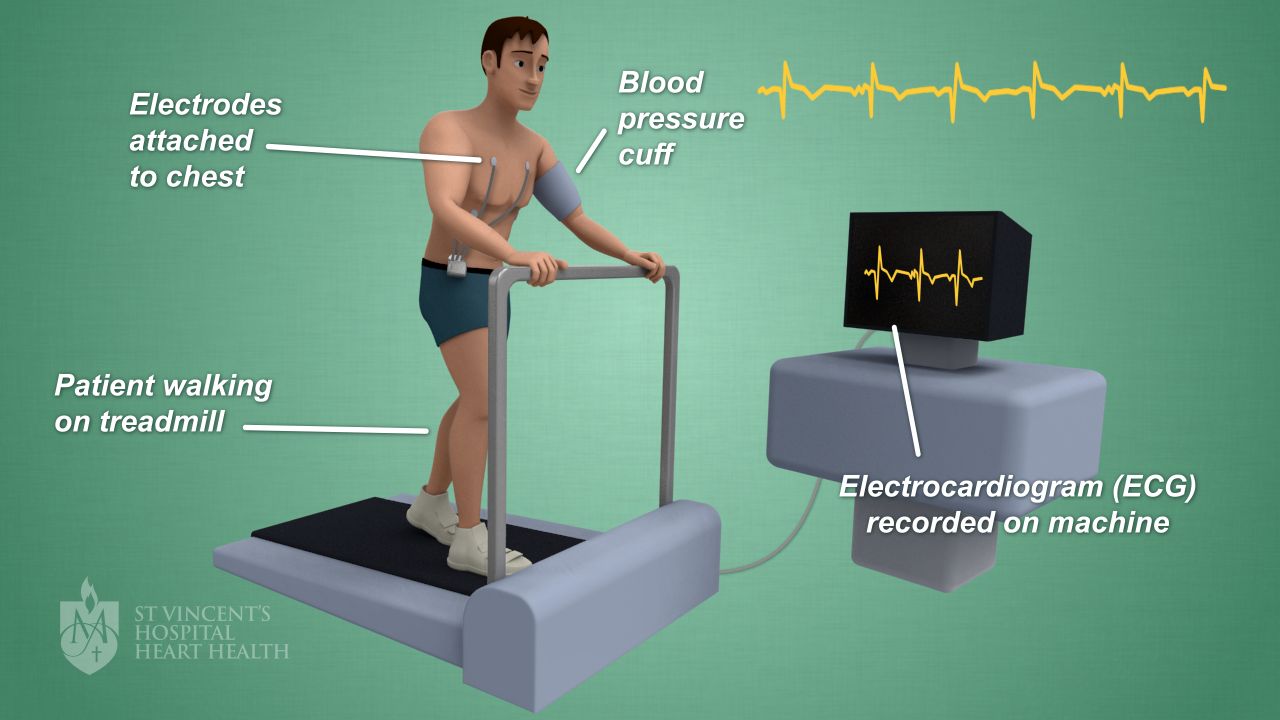
In essence, a stress test is a diagnostic process designed to evaluate how a system, entity, or individual behaves when subjected to extreme, abnormal, or adverse conditions that are unlikely to occur during normal operation but could have significant consequences if they did. It’s about proactively identifying vulnerabilities and understanding the breaking point before it’s too late. Let’s delve into the core mechanisms and outcomes of stress testing across these vital areas.
Stress Testing Technology: Ensuring Digital Resilience
In the fast-paced world of technology, where innovation is constant and user expectations are sky-high, ensuring that software, applications, and digital infrastructure can withstand unexpected loads or attacks is paramount. Tech stress tests are not just about optimizing for peak performance during normal usage; they are about simulating worst-case scenarios to guarantee reliability and security.
Load Testing: Simulating High Demand
One of the most common forms of stress testing in technology is load testing. This involves simulating a large number of users or requests simultaneously to see how the system handles the increased traffic. Think of it like opening a popular new gadget for pre-order on a high-traffic e-commerce site – millions of users might try to access the page at once.
What happens during load testing?
- Response Time Degradation: As the load increases, users will likely experience longer waiting times for pages to load, transactions to complete, or features to respond. A well-designed system will exhibit a gradual increase in response time, while a poorly designed one will see it spike dramatically.
- Resource Utilization: Servers, databases, and network bandwidth will be pushed to their limits. Monitoring tools will track CPU usage, memory consumption, disk I/O, and network traffic. An overload can lead to all these resources becoming saturated, causing performance bottlenecks.
- Error Rates: With increased strain, the likelihood of errors occurring also rises. This could manifest as broken links, failed transactions, or application crashes. The rate and type of errors provide valuable clues about where the system is faltering.
- Throughput Measurement: This measures the number of transactions or requests the system can successfully process within a given timeframe. Load testing helps determine the maximum throughput before performance becomes unacceptable.
Beyond simple load testing, more sophisticated forms of stress testing are employed. Spike testing, for instance, simulates sudden, massive bursts of traffic to see how the system recovers after such an event. Soak testing, also known as endurance testing, involves running the system under a sustained, heavy load for an extended period to detect memory leaks or other issues that manifest over time.
Security Stress Testing: Uncovering Vulnerabilities
In an era of sophisticated cyber threats, security stress testing is a critical component of digital resilience. This involves deliberately attempting to breach the system’s defenses to identify weaknesses.
What happens during security stress testing?
- Vulnerability Scanning: Automated tools scan for known vulnerabilities in the software, operating system, and network configurations.
- Penetration Testing (Pen Testing): Skilled security professionals simulate real-world attacks, attempting to gain unauthorized access, exploit vulnerabilities, or disrupt services. This can involve phishing attempts, SQL injection attacks, brute-force password attacks, and more.
- Denial-of-Service (DoS) and Distributed Denial-of-Service (DDoS) Attacks: These tests aim to overwhelm the system with traffic, rendering it inaccessible to legitimate users. Understanding how the system defends against and recovers from such attacks is crucial.
- Data Integrity Checks: Stress tests can also assess whether sensitive data remains secure and uncorrupted under duress.
The outcomes of security stress tests are often alarming but invaluable. They reveal exploitable flaws, such as weak authentication mechanisms, unpatched software, or insecure coding practices. The goal isn’t to break the system for the sake of it, but to proactively identify and fix these vulnerabilities before malicious actors can exploit them. This process directly impacts digital security and the overall productivity enabled by reliable technology.
Stress Testing Brands: Fortifying Reputation Under Fire
In the competitive landscape of Brand Strategy and Marketing, a brand’s reputation is its most valuable asset. A brand stress test is designed to assess how a brand’s identity, messaging, and overall perception would hold up under adverse conditions – be it a product recall, a public relations crisis, or a significant shift in consumer sentiment.
Crisis Simulation: Navigating the Storm
The core of brand stress testing lies in crisis simulation. This involves creating hypothetical scenarios that could damage the brand’s reputation and then observing how the organization responds and how the public reacts.
What happens during a brand crisis simulation?
- Scenario Development: This involves brainstorming realistic but challenging situations. Examples include:
- A product safety issue leading to widespread customer complaints.
- Allegations of unethical business practices.
- A major social media backlash due to a poorly judged marketing campaign.
- Economic downturn impacting customer spending power.
- A competitor launching a disruptive new offering.
- Response Strategy Activation: The organization’s crisis communication plan is put into action. This involves testing the effectiveness of pre-defined protocols for:
- Internal Communication: Ensuring all employees are informed and aligned.
- External Communication: Crafting and disseminating official statements, engaging with media, and addressing customer concerns across various platforms.
- Stakeholder Engagement: Managing relationships with investors, partners, and regulatory bodies.
- Public Perception Monitoring: Sophisticated tools and techniques are used to gauge how the simulated crisis affects public sentiment. This can involve:
- Social Media Listening: Tracking mentions, sentiment, and conversation volume.
- Media Analysis: Assessing news coverage and its tone.
- Surveys and Focus Groups: Directly gathering feedback from target audiences.
- Brand Resilience Assessment: The ultimate goal is to measure how quickly and effectively the brand can recover its reputation and regain trust. This involves evaluating:
- Speed of Response: How quickly the organization acknowledges and addresses the issue.
- Clarity and Consistency of Messaging: Is the communication clear, honest, and unified?
- Empathy and Authenticity: Does the brand demonstrate genuine concern and accountability?
- Long-Term Impact: Does the crisis leave lasting damage to the brand’s image and customer loyalty?
The insights gained from brand stress tests are invaluable for refining Corporate Identity, Personal Branding (for key individuals), and Marketing strategies. They help organizations identify weaknesses in their crisis management plans, develop more robust communication strategies, and build a more resilient brand that can weather any storm. Case Studies of successful and unsuccessful crisis management often inform these testing protocols.
Stress Testing Finances: Safeguarding Economic Well-being
In the realm of Money, stress testing is a fundamental practice for both individuals and large financial institutions. It’s about understanding financial resilience in the face of economic shocks and ensuring the ability to meet obligations and achieve financial goals even when circumstances turn unfavorable.
Personal Finance Stress Testing: Individual Resilience
For individuals, stress testing their personal finances involves assessing their ability to cope with unexpected financial setbacks.
What happens during personal finance stress testing?
- Income Disruption Scenarios: The most common stress test involves simulating a significant loss of income. This could be due to:
- Job loss or a reduction in working hours.
- A spouse losing their job.
- Disability preventing work.
- A significant business downturn for self-employed individuals.
- Unforeseen Expenses: This simulates the impact of large, unexpected costs, such as:
- Major medical emergencies not fully covered by insurance.
- Significant home or car repairs.
- Natural disasters causing property damage.
- Market Volatility: For those with investments, stress testing involves simulating a sharp decline in asset values, such as a stock market crash.
- Interest Rate Hikes: For individuals with variable-rate loans (mortgages, credit cards), stress testing involves simulating an increase in interest rates and assessing the impact on monthly payments.
During these simulations, individuals analyze:
- Emergency Fund Sufficiency: Does their emergency fund cover essential expenses for a projected period (e.g., 3-6 months)?
- Budget Adjustments: What discretionary spending can be cut if income decreases or expenses increase?
- Debt Management: Can they still service their debts if their financial situation deteriorates?
- Investment Portfolio Performance: How much could their investments lose in a severe downturn, and can they still meet their long-term goals?
- Insurance Coverage: Is their insurance adequate to protect against the simulated risks?
The outcome of personal finance stress testing helps individuals make informed decisions about saving, investing, insurance coverage, and debt management, ultimately contributing to their Personal Finance and Online Income stability.

Business and Institutional Finance Stress Testing: Systemic Stability
For businesses and financial institutions, stress testing is far more rigorous and often mandated by regulators. It’s about ensuring the solvency and liquidity of the entity under severe economic conditions.
What happens during business/institutional finance stress testing?
- Macroeconomic Shocks: These tests simulate severe downturns in the broader economy, such as:
- Deep recessions with high unemployment rates.
- Sharp increases in inflation or deflation.
- Sudden drops in asset prices (e.g., housing market collapse, stock market crash).
- Geopolitical events disrupting trade and markets.
- Scenario Analysis: Complex models are used to project the impact of these shocks on key financial metrics, including:
- Profitability: How much would revenues and profits decline?
- Liquidity: Would the institution have enough cash to meet its short-term obligations?
- Solvency: Would the institution’s assets remain sufficient to cover its liabilities?
- Capital Adequacy: Would regulatory capital ratios be maintained?
- Specific Risk Assessments: Tests may focus on particular risks, such as:
- Credit Risk: The likelihood of borrowers defaulting on loans.
- Market Risk: Losses from adverse movements in market prices.
- Operational Risk: Failures in internal processes, people, and systems.
- Liquidity Risk: The inability to meet financial obligations as they come due.
The results of these extensive stress tests inform Business Finance decisions, regulatory capital requirements, and the development of risk mitigation strategies. They are crucial for maintaining the stability of the financial system and protecting consumers and investors. Tools like Financial Tools are often integral to performing these complex analyses.
In conclusion, the concept of a stress test, at its core, is about controlled exposure to extreme conditions to reveal vulnerabilities and build resilience. Whether it’s ensuring your technology can withstand a cyberattack, your brand can weather a public relations storm, or your finances can survive an economic downturn, understanding what happens in a stress test is the first step towards building a more robust and secure future.
aViewFromTheCave is a participant in the Amazon Services LLC Associates Program, an affiliate advertising program designed to provide a means for sites to earn advertising fees by advertising and linking to Amazon.com. Amazon, the Amazon logo, AmazonSupply, and the AmazonSupply logo are trademarks of Amazon.com, Inc. or its affiliates. As an Amazon Associate we earn affiliate commissions from qualifying purchases.