
The Unseen Science Behind Milk’s Creamy Texture
The phrase “non-homogenized milk” might conjure images of quaint dairies and simpler times, but it represents a fundamental difference in how milk is processed – a difference with tangible implications for taste, texture, and even its perceived nutritional profile. While homogenization has become a standard practice in modern dairy production, non-homogenized milk offers a distinct experience. This article delves into the science behind homogenization, the characteristics of its absence, and why some consumers are actively seeking out this less-processed alternative.
Understanding the Homogenization Process
To truly grasp what non-homogenized milk is, we must first understand what homogenization does. Milk, in its raw, natural state, is a complex emulsion. It contains fat globules of varying sizes suspended within a watery solution of proteins, carbohydrates, vitamins, and minerals. These fat globules are naturally lighter than the surrounding liquid.
H3: The Natural State of Milk Fat
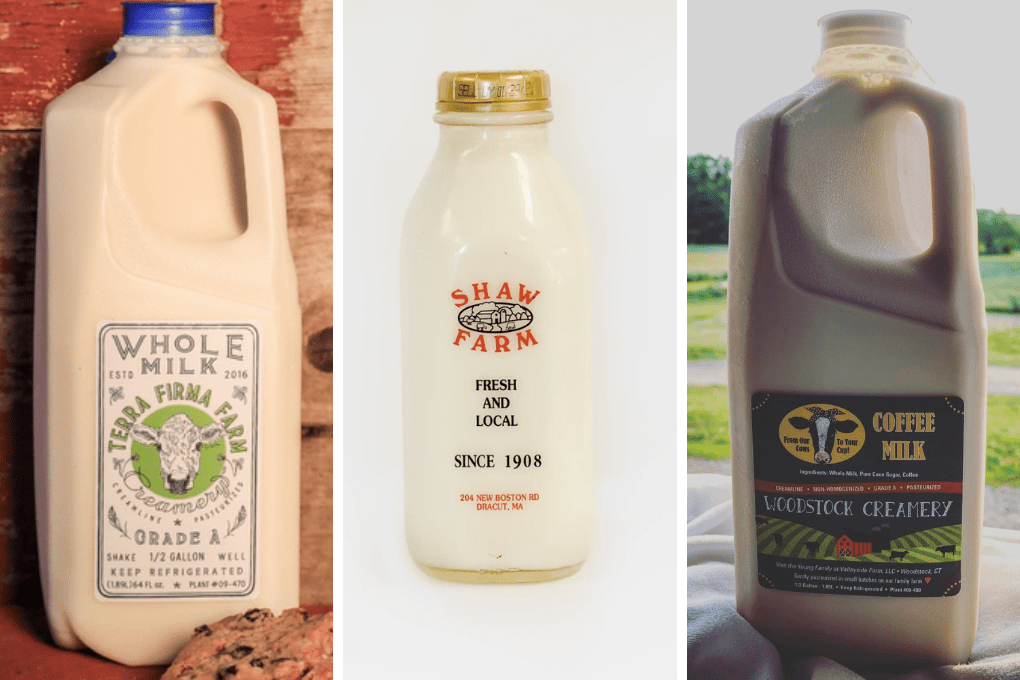
In unhomogenized milk, these fat globules, coated in a membrane, tend to coalesce and rise to the surface over time. This is why a bottle of fresh, unhomogenized milk, if left undisturbed, will naturally separate, with a thick layer of cream forming at the top. This phenomenon is a testament to the natural composition of milk and is the very reason homogenization was developed.
H3: The Mechanical Transformation
Homogenization is a mechanical process that breaks down these larger fat globules into much smaller, more uniform droplets. This is typically achieved by forcing the milk through a high-pressure valve or a tiny gap at very high speed. The intense pressure and shear forces effectively shatter the fat globules, reducing their average diameter significantly. Simultaneously, new membranes are formed around these smaller droplets, preventing them from re-coalescing.
H3: The Purpose of Homogenization
The primary goals of homogenization are:
- Prevent Fat Separation: The most visible outcome is the elimination of the cream layer. Homogenized milk remains uniform throughout, regardless of how long it sits. This provides a consistent texture and appearance, which consumers have come to expect.
- Improve Texture and Mouthfeel: The smaller fat globules contribute to a smoother, richer, and more consistent mouthfeel. This can make milk feel more “creamy” and palatable to many.
- Enhance Shelf Life (Indirectly): While not a direct preservation method, the reduced susceptibility to fat separation can indirectly contribute to a perceived longer freshness and prevent off-flavors that might arise from rancidity in separated fat.
- Standardize Product: Homogenization ensures that every carton of milk from a particular producer has a consistent fat distribution, making quality control and product labeling more straightforward.
The Characteristics of Non-Homogenized Milk
When milk is not homogenized, it retains its natural fat structure. This results in several distinguishing characteristics that appeal to a specific segment of consumers.
H3: Natural Fat Separation and the Cream Line
The most obvious characteristic of non-homogenized milk is its tendency to separate. Upon standing, the lighter fat globules will naturally rise to the top, forming a distinct cream layer, often referred to as the “cream line.” This separation is a visual indicator of the milk’s unprocessed state. To consume the milk with its full fat content, one typically needs to shake the container or stir it to redistribute the cream.
H3: Distinct Taste and Texture
The absence of homogenization leads to a noticeable difference in taste and texture. Many describe non-homogenized milk as having a richer, fuller flavor. This is because the larger fat globules carry more flavor compounds, and their slower breakdown in the mouth can release these flavors more gradually, creating a more complex sensory experience. The texture is often perceived as less uniform and can sometimes feel slightly “grittier” or “heavier” due to the presence of larger fat particles. This is not a defect, but rather a reflection of its natural state.
H3: Perceived Nutritional Differences
While the fundamental nutritional composition of milk – its proteins, lactose, vitamins, and minerals – remains largely the same whether homogenized or not, some consumers believe non-homogenized milk offers subtle advantages. The larger fat globules in non-homogenized milk may be digested differently. Some proponents suggest that the natural structure allows for easier assimilation of fat-soluble vitamins, although scientific evidence for significant differences in nutrient absorption is limited and debated. The primary perceived benefit often revolves around the fat itself, with some believing whole, unadulterated fat is superior.
The Appeal of Non-Homogenized Milk
The choice between homogenized and non-homogenized milk often comes down to personal preference, a desire for a more natural product, and sometimes, perceived health benefits.
H3: A Return to Tradition and Authenticity
For many, non-homogenized milk represents a connection to traditional dairy practices. It evokes a sense of authenticity and a more direct relationship with the source of their food. In an era of highly processed foods, seeking out minimally processed options is a conscious decision for many consumers. This resonates with a broader movement towards whole foods and less intervention in food production.
H3: Flavor and Sensory Experience
The richer, more distinct flavor profile is a significant draw for enthusiasts of non-homogenized milk. The pronounced taste of cream, the subtle nuances that emerge with each sip, and the tactile sensation of the cream layer all contribute to a more engaging and satisfying drinking experience for those who appreciate it. It’s akin to appreciating the difference between artisan bread and mass-produced loaves – the subtle complexities are valued.
H3: Concerns About Processing
While homogenization is widely considered safe and beneficial for its functional purposes, some consumers express concerns about the high-pressure mechanical process itself. They may worry about potential impacts on the milk’s structure at a molecular level or the effect of intense mechanical forces. These concerns, whether fully substantiated by scientific consensus or not, drive a preference for milk that has undergone less alteration.
Considerations for Consumers
Opting for non-homogenized milk involves a few practical considerations that differ from the convenience of its homogenized counterpart.
H3: Storage and Handling
As mentioned, non-homogenized milk requires a bit more attention during storage and consumption. It’s crucial to store it upright in the refrigerator to minimize the surface area exposed to air, which can help slow down oxidation. Before serving, a good shake or stir is essential to ensure an even distribution of fat and a consistent taste and texture throughout.
H3: Sourcing and Availability
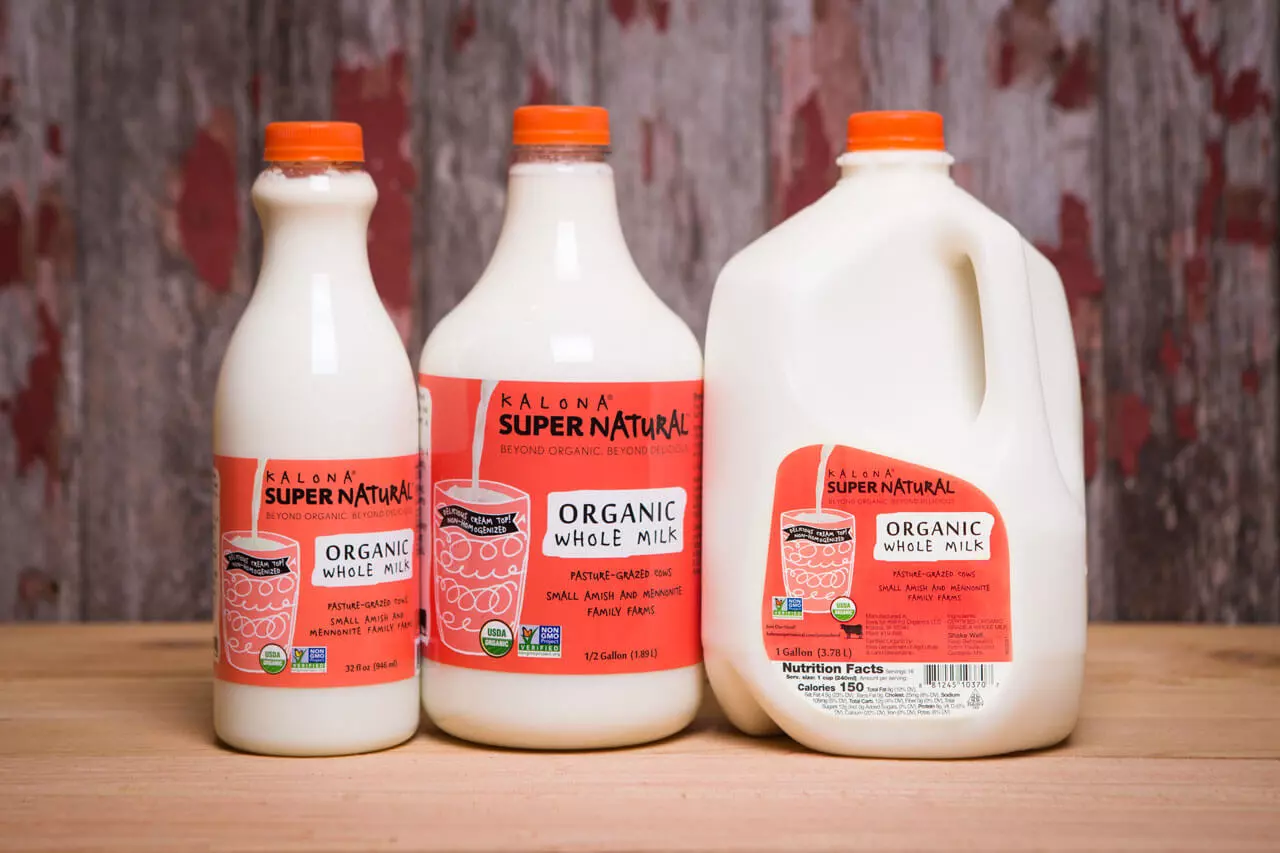
Non-homogenized milk is not as widely available as homogenized milk. It is more commonly found in smaller, independent dairies, farmers’ markets, and specialty grocery stores that cater to consumers seeking niche products. Consumers interested in non-homogenized milk may need to do a bit more research to locate reliable sources. It’s also important to look for labels that explicitly state “non-homogenized,” “unhomogenized,” or “cream-top.”
H3: Understanding Fat Content
The fat content in non-homogenized milk will appear higher at the top cream layer than in the skimmed milk below. When the milk is mixed, the overall fat percentage will be consistent with the product’s labeling (e.g., whole milk, reduced-fat milk). However, the visual representation of fat distribution is markedly different.
Conclusion: A Matter of Preference and Philosophy
Non-homogenized milk is more than just milk without a specific processing step; it represents a distinct choice in how we consume dairy. It offers a sensory experience that emphasizes the natural richness and complexity of milk, appealing to those who value authenticity and a less-processed approach to their food. While homogenization serves practical purposes for widespread distribution and consistent consumer experience, the enduring appeal of non-homogenized milk highlights a growing consumer desire to connect with food in its more natural state. Whether one chooses homogenized or non-homogenized milk ultimately depends on individual taste preferences, priorities regarding food processing, and a personal philosophy on how food should be presented from farm to table.
aViewFromTheCave is a participant in the Amazon Services LLC Associates Program, an affiliate advertising program designed to provide a means for sites to earn advertising fees by advertising and linking to Amazon.com. Amazon, the Amazon logo, AmazonSupply, and the AmazonSupply logo are trademarks of Amazon.com, Inc. or its affiliates. As an Amazon Associate we earn affiliate commissions from qualifying purchases.