
Decoding an Ideological Brand Identity
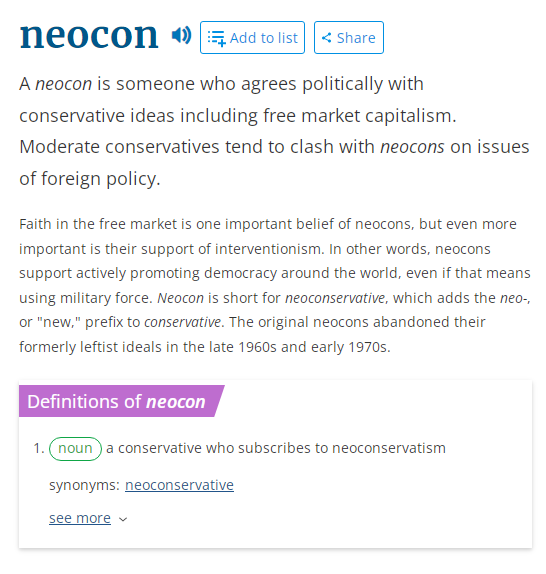
In the complex landscape of political thought, labels often function much like brand names, conveying a specific set of values, principles, and strategic approaches. The term “neocon,” short for neoconservative, is one such label, representing a distinct ideological brand within the broader conservative movement. Understanding “neocon” from a branding perspective involves examining its origins, its core tenets as brand pillars, and how it differentiates itself in the marketplace of ideas. It’s not merely a descriptor but an identity, a strategic positioning that informs how an individual or group is perceived and understood within political discourse.
The Genesis of a Political Label
The emergence of “neocon” as a recognizable brand can be traced back to the mid-20th century, primarily among intellectuals and policymakers who, while often starting from liberal or socialist backgrounds, grew disillusioned with aspects of the left and eventually shifted their ideological alignment. This evolution created a new political identity that needed a distinct name, much like a new product entering a crowded market. The “neocon brand” served to differentiate these thinkers from traditional conservatives, whom they often viewed as too isolationist or less committed to certain foreign policy ideals. It marked a specific intellectual journey and a particular set of policy prescriptions, offering a fresh “brand proposition” that appealed to a segment of the political spectrum seeking a more assertive, moralistic foreign policy. The label itself became a shorthand, a brand mark, encapsulating a complex intellectual heritage and a forward-looking vision.
Core Principles as Brand Pillars
At the heart of the “neocon brand” are several distinctive core principles that function as its foundational brand pillars. These are not merely policies but deeply held values that give the brand its unique character and appeal. A primary pillar is the belief in American exceptionalism and the moral imperative to use American power, including military force, to promote democracy and human rights globally. This contrasts with more traditional conservative “brands” that might prioritize national sovereignty above interventionism. Another key pillar is a skeptical view of international institutions and a preference for unilateral action when deemed necessary, reflecting a strong emphasis on national interest and self-reliance. Domestically, while often associated with economic conservatism, the neocon brand has historically shown a willingness for government intervention to achieve certain social or moral objectives, subtly differentiating its domestic “product line” from pure libertarian or small-government conservative brands. These pillars collectively form the brand’s unique selling proposition, defining its identity and distinguishing it from competing political ideologies. They are the consistent themes that allow the “neocon brand” to be identified and understood across various contexts, shaping expectations about its adherents’ likely positions on critical issues.
Crafting and Communicating the Neocon Message
Like any successful brand, the “neocon” identity relies heavily on effective messaging and strategic communication to resonate with its target audience and shape public perception. This involves not only articulating its core principles clearly but also leveraging influential voices to act as brand ambassadors. The way the “neocon brand” is presented, the narratives it constructs, and the individuals who champion it all contribute to its recognition and impact within the political arena.
Messaging Strategy and Public Perception
The messaging strategy of the “neocon brand” often revolves around a compelling narrative of moral clarity, strength, and purpose. In the realm of foreign policy, for instance, the message frequently emphasizes the fight against tyranny, the defense of freedom, and the imperative to confront global threats with resolve. This narrative is crafted to evoke strong emotional responses and appeal to a sense of national pride and responsibility. Key terms and phrases — such as “axis of evil,” “regime change,” or “spread of democracy” — have become part of the brand’s lexicon, instantly signaling its positions and intentions. These linguistic cues serve as brand identifiers, much like a slogan or jingle, reinforcing its image. Public perception of the “neocon brand” is thus heavily influenced by the consistency and power of this messaging. When articulated effectively, it can galvanize support, define adversaries, and position the “neocon” approach as the most principled and effective course of action. Conversely, inconsistent or poorly received messaging can lead to brand confusion or negative associations, illustrating the critical importance of a cohesive communication strategy for any ideological brand.
Thought Leaders as Brand Ambassadors
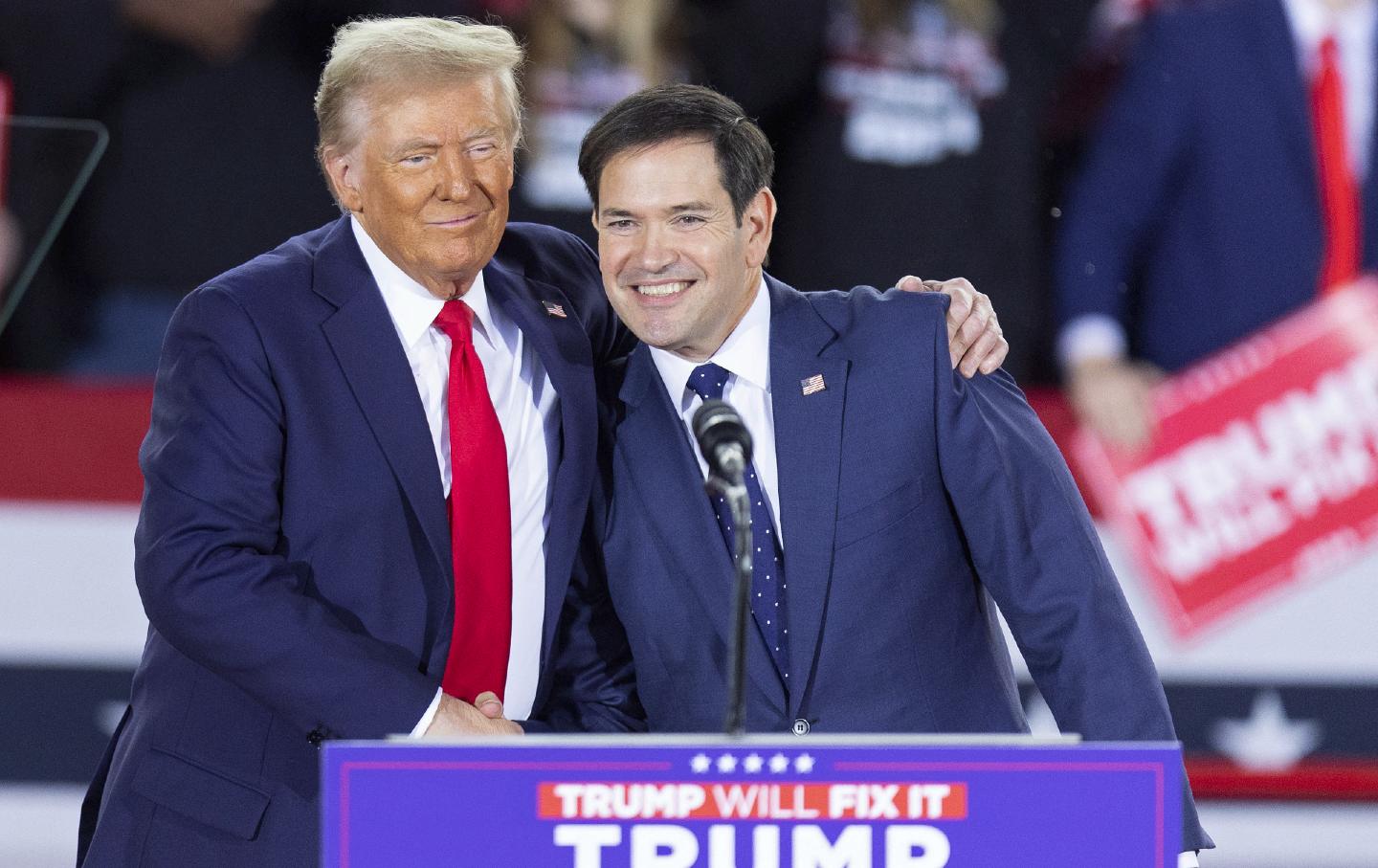
The “neocon brand” has been significantly shaped and propagated by a cohort of prominent intellectuals, policymakers, and media figures who have acted as its de facto brand ambassadors. Individuals like Irving Kristol, Paul Wolfowitz, Richard Perle, and William Kristol played pivotal roles in articulating, defending, and popularizing neoconservative ideas. These figures, through their writings, speeches, and media appearances, served to define the brand’s characteristics, clarify its vision, and promote its policy applications. They acted as “influencers,” lending credibility and intellectual weight to the “neocon” identity. Their consistent advocacy and coherent articulation of the brand’s core principles helped to build a recognizable public profile, ensuring that the “neocon” label carried a specific set of connotations. Just as a CEO or founder often embodies a corporate brand, these thought leaders embodied the intellectual spirit and strategic direction of neoconservatism, effectively marketing the ideology to a broader audience and reinforcing its position within the political “marketplace.” Their influence was crucial in solidifying the “neocon brand” in the public consciousness, making it a powerful and frequently referenced term.
The Evolution and Challenges of a Political Brand
Like any brand operating in a dynamic environment, the “neocon” brand has faced periods of adaptation, growth, and challenge. Its journey reflects the ongoing need for ideological brands to evolve in response to changing “market conditions” – referring to global events, shifts in public opinion, and internal disagreements. This constant flux necessitates strategic adjustments to maintain relevance and manage perception.
Adapting to Market Shifts: Global and Domestic Contexts
The “neocon brand” has demonstrated an inherent need to adapt its “brand proposition” in response to significant shifts in both global and domestic political “markets.” For instance, following the collapse of the Soviet Union, the brand’s emphasis shifted from confronting communism to promoting democracy in a unipolar world. Later, in the aftermath of 9/11, the “neocon brand” saw a surge in prominence as its tenets aligned with a heightened national security focus and a more interventionist foreign policy stance. This period marked a peak in its brand visibility and influence. However, subsequent events and public disillusionment led to a decline in its perceived efficacy and popularity, necessitating further adaptation or even a form of rebranding. Domestically, the brand has had to navigate changing conservative movements, sometimes aligning with populist sentiments and at other times finding itself at odds with them. This constant recalibration—whether in emphasizing different aspects of its core principles or adjusting its rhetorical approach—is crucial for the “neocon brand” to remain a viable and recognizable entity, demonstrating the agility required for any brand to survive and thrive through varying economic, social, or political cycles.
Brand Perception and Reputational Management
Managing the perception and reputation of the “neocon brand” has been a continuous challenge, especially given its association with controversial foreign policy decisions and their outcomes. Like any brand, it has faced periods of strong public criticism, leading to negative brand associations and a decline in its perceived value. For instance, the prolonged conflicts in Iraq and Afghanistan significantly impacted the “neocon brand’s” reputation, linking it in the public mind with costly and unsuccessful interventions. This created a need for extensive reputational management, including attempts by its proponents to distance themselves from past failures or to redefine the brand’s essence. Such efforts mirror corporate crisis management strategies, where companies work to restore trust and rebuild their image after setbacks. Challenges also arose from internal fragmentation, where different adherents of the “neocon brand” offered varying interpretations, leading to a degree of brand dilution. The ongoing struggle to maintain a coherent and positive brand image amidst controversy, while adapting to new geopolitical realities, underscores the difficulties inherent in managing an ideological brand in a highly politicized and constantly scrutinized public sphere.
“Neocon” as a Label: Implications for Personal and Corporate Identity
The term “neocon” extends beyond merely describing an ideology; it acts as a powerful label that shapes the personal branding of individuals within politics and influences the corporate identity of political organizations. Its usage conveys immediate connotations, aligning individuals or entities with a specific set of values, strategies, and historical baggage, thereby impacting their standing and perceived mission.
The Impact on Personal Branding within Politics
For individuals operating within the political sphere, being labeled “neocon” significantly impacts their personal brand. This label functions as a shorthand that signals a specific ideological alignment, often implying a hawkish stance on foreign policy, a belief in American exceptionalism, and a readiness for assertive military intervention. When a politician or commentator is identified as a “neocon,” it immediately frames their public persona and shapes expectations about their policy positions, often without needing further explanation. This can be both an advantage and a disadvantage. For those who embrace the label, it provides a clear, established identity that resonates with certain segments of the electorate or donor base, reinforcing their personal brand as principled, strong, and globally-minded leaders. However, for others, particularly during periods when the “neocon brand” faces public criticism or is associated with unpopular policies, the label can become a liability, requiring careful messaging to distance themselves from negative perceptions or to redefine what “neocon” means in their specific context. It dictates how they are interviewed, what questions they are asked, and how their statements are interpreted, demonstrating the profound influence of ideological labels on individual political branding.
Resonance in Political Corporate Identity
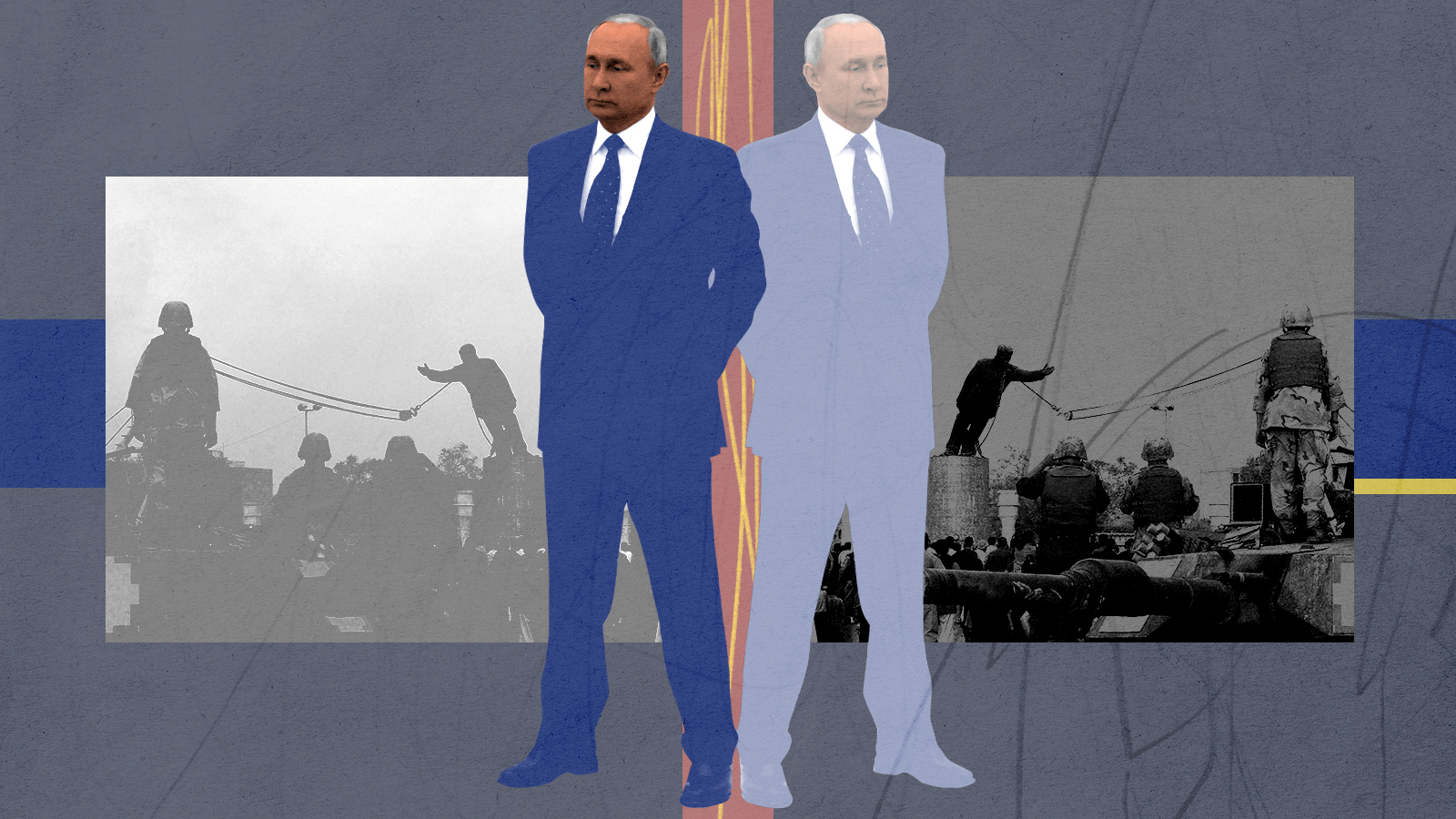
Beyond individual branding, the “neocon” label also plays a crucial role in shaping the “corporate identity” of political organizations, such as think tanks, advocacy groups, and media outlets. Organizations might explicitly adopt or implicitly align with the “neocon brand” to clearly define their mission, attract specific talent, and appeal to a targeted audience of donors, policymakers, and public intellectuals. For instance, a think tank dedicated to promoting democracy abroad and advocating for a strong U.S. military presence might intentionally cultivate a “neocon” corporate identity to signal its strategic focus and philosophical underpinnings. This alignment helps in establishing a recognizable “brand architecture” within the broader political landscape, making it easier for stakeholders to understand the organization’s ethos and objectives. Conversely, other organizations might actively seek to distance themselves from the “neocon brand,” particularly if its connotations do not align with their broader agenda or if they wish to appeal to a more diverse audience. This strategic decision reflects an organization’s careful consideration of its brand positioning, its target demographic, and how the “neocon” label resonates (positively or negatively) with its overall institutional goals and public image. The term, therefore, acts as a powerful identifier, shaping not just individual reputations but the very public face and strategic direction of political entities.
aViewFromTheCave is a participant in the Amazon Services LLC Associates Program, an affiliate advertising program designed to provide a means for sites to earn advertising fees by advertising and linking to Amazon.com. Amazon, the Amazon logo, AmazonSupply, and the AmazonSupply logo are trademarks of Amazon.com, Inc. or its affiliates. As an Amazon Associate we earn affiliate commissions from qualifying purchases.