
In today’s hyper-connected world, the smartphone has become an indispensable extension of ourselves. We use it for everything from managing our finances and staying in touch with loved ones to discovering new trends and even building businesses. Behind the seamless user experience of these powerful devices lies a complex ecosystem, and at its core, a mobile application platform plays a crucial role.
This article will demystify what a mobile application platform is, exploring its significance across the realms of technology, brand building, and financial empowerment. Whether you’re a tech enthusiast eager to understand the engine behind your favorite apps, a marketer looking to leverage mobile for brand growth, or an entrepreneur seeking to tap into the lucrative app economy, understanding mobile application platforms is paramount.
The Foundation of Your Mobile Experience: Understanding the Core Components
At its most fundamental level, a mobile application platform is the underlying infrastructure and set of tools that enable the development, deployment, and execution of mobile applications. Think of it as the operating system and its associated services that allow your apps to function, interact with your device’s hardware, and connect to the wider digital world.
Beyond the Operating System: Key Elements of a Mobile Platform
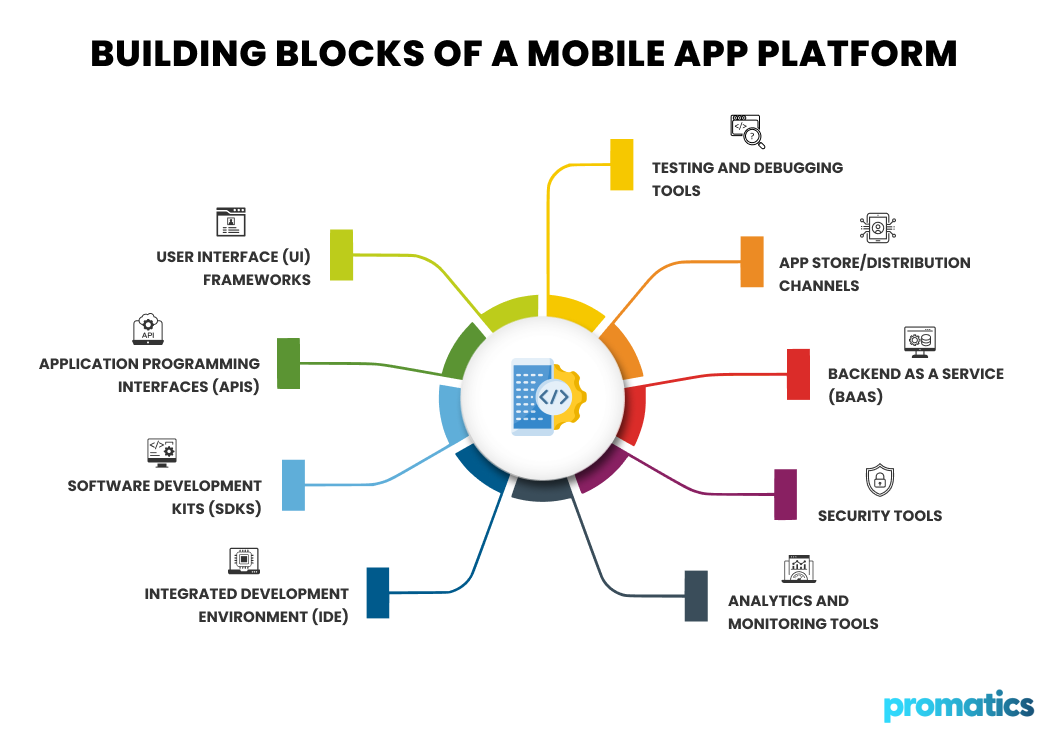
While the operating system like Android or iOS is the most visible part of a mobile platform, it encompasses much more. Let’s break down the key components:
-
The Operating System (OS): This is the brain of the operation. Android (developed by Google) and iOS (developed by Apple) are the two dominant mobile operating systems globally. They provide the fundamental software that manages your device’s hardware (CPU, memory, storage, camera, GPS, etc.) and allows other software, namely applications, to run. The OS dictates how users interact with their devices, how apps access resources, and how apps communicate with each other.
-
Software Development Kits (SDKs): These are collections of tools, libraries, documentation, and code samples that developers use to build applications for a specific platform. For example, the Android SDK provides developers with everything they need to create Android apps, while the iOS SDK is for iPhone and iPad apps. SDKs often include emulators for testing apps on virtual devices, debuggers for identifying and fixing errors, and compilers to translate human-readable code into machine-executable instructions.
-
Application Programming Interfaces (APIs): APIs are sets of rules and specifications that allow different software components to communicate with each other. In the context of mobile platforms, APIs enable applications to access the device’s hardware features (like the camera or location services), interact with the operating system’s core functionalities (like notifications or data storage), and connect to external services (like cloud storage or social media platforms). For instance, a weather app uses APIs to fetch real-time weather data from a meteorological service.
-
Development Environments (IDEs): Integrated Development Environments provide a comprehensive suite of tools for software development, typically including a code editor, debugger, and build automation tools. Popular IDEs for mobile development include Android Studio (for Android) and Xcode (for iOS). These environments streamline the entire app development process, making it more efficient and less prone to errors.
-
Runtime Environments: This is the environment where applications are executed. For mobile platforms, this is typically handled by the operating system itself, which manages the allocation of resources and ensures that applications run smoothly without interfering with each other or the overall system.
-
App Distribution Platforms (App Stores): While not strictly part of the development platform, app stores like the Google Play Store and the Apple App Store are integral to the mobile application ecosystem and a mobile platform’s success. They serve as marketplaces where users can discover, download, and purchase applications, and where developers can distribute their creations to a global audience. These platforms also provide crucial services like payment processing, analytics, and update management.
The Dual Pillars of Mobile Application Platforms: Native vs. Cross-Platform
When developers set out to build a mobile application, they often face a fundamental decision: should they develop a native application or a cross-platform application? This choice significantly impacts the development process, performance, user experience, and ultimately, the success of the app.
Native Application Development: Tailored for Excellence
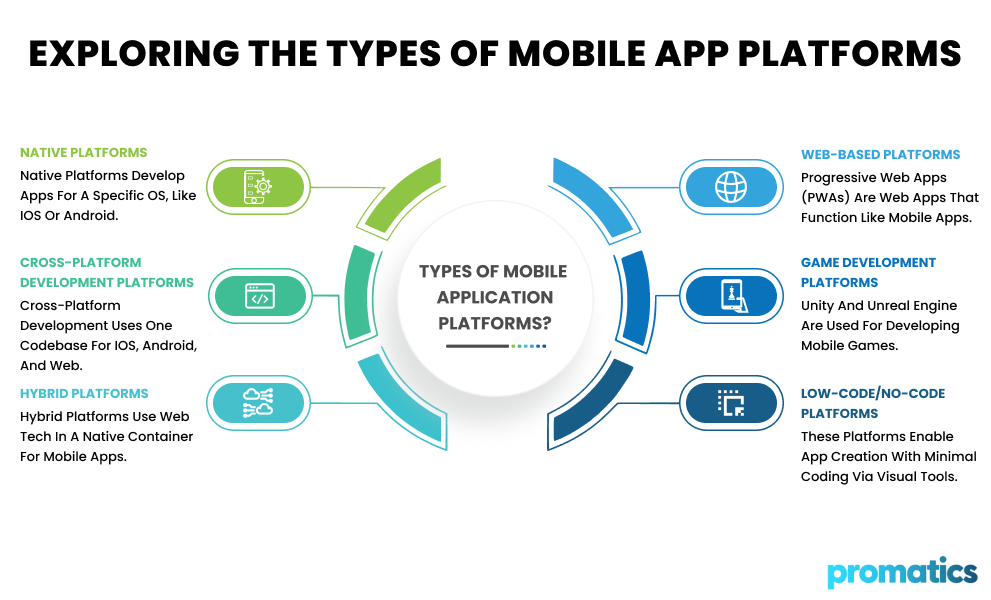
Native applications are built specifically for a particular mobile operating system. This means an app designed for Android will be written using Android-specific programming languages (like Java or Kotlin) and tools (Android SDK), and an app for iOS will use Swift or Objective-C and the iOS SDK.
Advantages of Native Development:
- Optimal Performance and User Experience: Native apps leverage the full capabilities of the device and the OS. This translates to faster performance, smoother animations, and a user experience that feels deeply integrated with the platform’s design language and conventions. Users are accustomed to the look and feel of their OS, and native apps adhere to these expectations.
- Access to Latest Features: Native developers have immediate access to the newest features and APIs released by the OS vendor. This allows them to implement cutting-edge functionalities as soon as they become available.
- Enhanced Security: Native apps can often take advantage of platform-specific security features and protocols, leading to more robust protection of user data.
- Richer Functionality: Native development allows for deeper integration with device hardware like advanced camera features, sensors, and Bluetooth connectivity, enabling more complex and feature-rich applications.
Disadvantages of Native Development:
- Higher Development Costs and Time: Developing separate native apps for both Android and iOS requires separate codebases, separate development teams (or developers proficient in both ecosystems), and thus, significantly increases development time and cost.
- Maintenance Challenges: Maintaining two separate codebases means updates, bug fixes, and feature additions need to be implemented and tested twice.
Cross-Platform Application Development: Efficiency and Reach
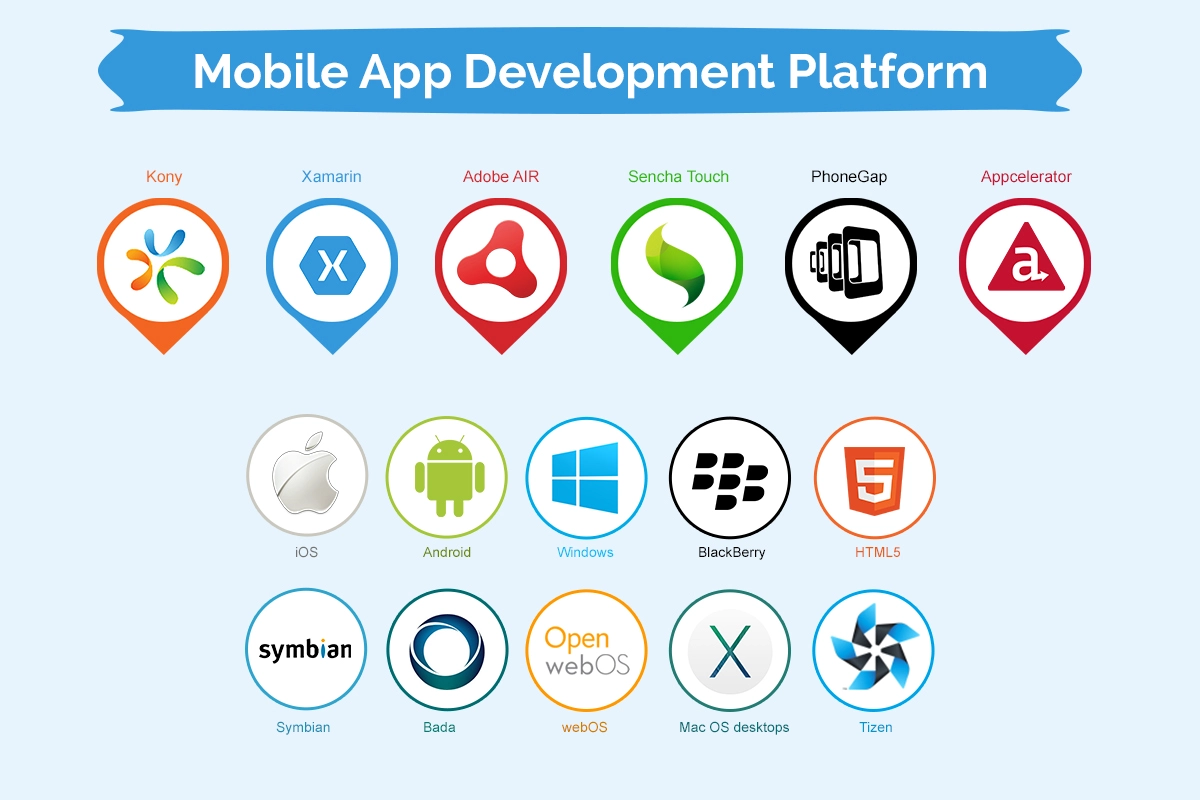
Cross-platform applications are developed using a single codebase that can be deployed on multiple mobile operating systems. Frameworks like React Native, Flutter, and Xamarin enable developers to write code once and run it on both Android and iOS devices, and sometimes even web and desktop.
Advantages of Cross-Platform Development:
- Reduced Development Time and Cost: The primary advantage is the ability to share a significant portion of the codebase across platforms, leading to faster development cycles and lower overall costs.
- Wider Audience Reach: By developing for multiple platforms simultaneously, businesses can reach a larger user base with a single development effort.
- Easier Maintenance: Updates and bug fixes can often be applied to the shared codebase, streamlining the maintenance process.
- Faster Time to Market: The efficiency of cross-platform development allows businesses to launch their applications to a wider audience more quickly.
Disadvantages of Cross-Platform Development:
- Potential Performance Compromises: While cross-platform frameworks have improved significantly, they can sometimes fall short of the absolute peak performance achievable with native development, especially for highly demanding applications with complex graphics or real-time processing.
- Delayed Access to New Features: Cross-platform frameworks often rely on bridges or plugins to access native functionalities. This can mean a slight delay in accessing the very latest OS features until the framework or its community updates its support.
- Platform-Specific UI/UX Challenges: While frameworks aim to provide a consistent look and feel, achieving a truly native user experience that perfectly aligns with the design guidelines of each platform can sometimes be challenging and require platform-specific adjustments.
- Dependency on Framework Updates: The reliance on a third-party framework means developers are dependent on that framework’s ongoing development, updates, and support.
The Strategic Impact: Mobile Platforms for Brands and Business Growth
For brands and businesses, mobile application platforms are not just technological enablers; they are strategic assets that can profoundly impact their brand identity, customer engagement, and revenue streams.
Building a Digital Brand Presence: Beyond the Website
In an era where mobile devices are the primary gateway to the internet for many, a well-designed and functional mobile application can become a cornerstone of a brand’s digital identity.
- Direct Customer Engagement: A branded app provides a direct channel to connect with customers. Push notifications can deliver timely updates, personalized offers, and important announcements, fostering a sense of loyalty and keeping the brand top-of-mind.
- Enhanced User Experience and Loyalty: A dedicated app can offer a more streamlined and engaging user experience than a mobile website. Features like personalized dashboards, loyalty programs, and in-app purchasing can significantly boost customer satisfaction and encourage repeat engagement.
- Data Collection and Insights: Mobile applications offer rich opportunities for data collection. User behavior within the app, purchase history, preferences, and interactions can provide invaluable insights that inform marketing strategies, product development, and customer service.
- Brand Storytelling and Value Proposition: Apps can be designed to embody a brand’s personality and communicate its core values in an interactive and immersive way. This can be through gamification, engaging content, or unique service offerings that differentiate the brand from competitors.
- Building a Community: Apps can facilitate the creation of brand communities, allowing users to connect with each other, share experiences, and provide feedback. This fosters a sense of belonging and strengthens the brand’s relationship with its audience.
Monetizing Through the Mobile Ecosystem: The Financial Frontier
The rise of mobile application platforms has unlocked unprecedented opportunities for money generation, both for individuals and established businesses. The app economy is a multi-billion dollar industry, and understanding its financial dynamics is crucial.
-
Direct Revenue Streams:
- Paid Apps: Selling an application outright on app stores.
- In-App Purchases (IAPs): Offering virtual goods, premium features, or consumables within a free app. This is a dominant monetization strategy for many games and utility apps.
- Subscriptions: Providing access to content, services, or features on a recurring basis (monthly or annually). This is common for media, productivity, and fitness apps.
- Advertising: Displaying ads within a free application. This can take various forms, including banner ads, interstitial ads, rewarded video ads, and native ads.
-
Indirect Revenue and Business Growth:
- Lead Generation: For service-based businesses, an app can be a powerful tool for capturing leads and driving inquiries.
- E-commerce Integration: Apps can act as extensions of online stores, facilitating seamless browsing, purchasing, and order tracking, thereby boosting online sales.
- Improved Customer Service: An app with integrated customer support features can reduce the burden on call centers and improve customer satisfaction, indirectly contributing to retention and revenue.
- Data Monetization (with ethical considerations): Aggregated and anonymized user data can sometimes be valuable for market research or targeted advertising, though this requires strict adherence to privacy regulations.
-
The Rise of the “App-as-a-Service” (AaaS) Model: Many businesses are increasingly shifting towards a service-oriented model where the app is the primary interface for accessing a valuable ongoing service, leading to predictable recurring revenue.
Navigating the Future: Trends and Innovations in Mobile Application Platforms
The mobile application platform landscape is constantly evolving, driven by technological advancements and shifting user expectations. Staying abreast of these trends is vital for anyone involved in mobile development, branding, or investment.
Key Trends Shaping the Mobile Platform Landscape:
- AI and Machine Learning Integration: Artificial intelligence is increasingly being embedded within mobile platforms and applications. This enables features like personalized recommendations, intelligent assistants, enhanced image and speech recognition, and predictive analytics.
- Augmented Reality (AR) and Virtual Reality (VR): As AR and VR technologies mature, mobile platforms are becoming more capable of supporting immersive experiences. This opens up new possibilities for gaming, education, e-commerce, and social interaction.
- 5G Connectivity: The rollout of 5G networks promises significantly faster speeds and lower latency, enabling more data-intensive and real-time mobile applications, from seamless video streaming to complex cloud-based gaming.
- Progressive Web Apps (PWAs): PWAs blur the lines between web applications and native apps, offering offline capabilities, push notifications, and installable icons directly from a web browser, providing a cost-effective alternative for some use cases.
- Enhanced Security and Privacy Measures: With growing concerns about data privacy, mobile platforms are continuously improving their security features and offering users more granular control over their data.
- Low-Code/No-Code Development Platforms: These platforms are democratizing app development, allowing individuals with limited coding experience to build functional mobile applications using visual interfaces and pre-built components.
The Enduring Significance of Mobile Application Platforms
In conclusion, a mobile application platform is the comprehensive ecosystem that underpins the creation, delivery, and operation of mobile apps. It encompasses the operating system, development tools, and distribution channels that empower innovation and connect users with digital services.
For those in the tech world, understanding the intricacies of these platforms is fundamental to building cutting-edge applications. For brands, a well-executed mobile strategy leveraging these platforms is crucial for building presence, engaging customers, and fostering loyalty. And for anyone looking to harness the financial opportunities, the app economy, fueled by robust mobile platforms, offers a dynamic and lucrative frontier. As technology continues to advance, mobile application platforms will undoubtedly remain at the forefront of digital interaction, shaping how we work, play, and connect with the world around us.
aViewFromTheCave is a participant in the Amazon Services LLC Associates Program, an affiliate advertising program designed to provide a means for sites to earn advertising fees by advertising and linking to Amazon.com. Amazon, the Amazon logo, AmazonSupply, and the AmazonSupply logo are trademarks of Amazon.com, Inc. or its affiliates. As an Amazon Associate we earn affiliate commissions from qualifying purchases.