
The acronym “IMF” is frequently encountered in global discourse, often associated with financial stability and international economic cooperation. However, when you encounter this term on a platform focused on the dynamic intersection of technology, branding, and finance, its meaning might take on a slightly different hue, or at least demand a more nuanced understanding. This article will delve into what the IMF traditionally stands for, and then explore how this foundational concept resonates and interacts with the cutting-edge trends shaping our digital and economic landscape today.

The Traditional Standpoint: What the IMF Does Stand For
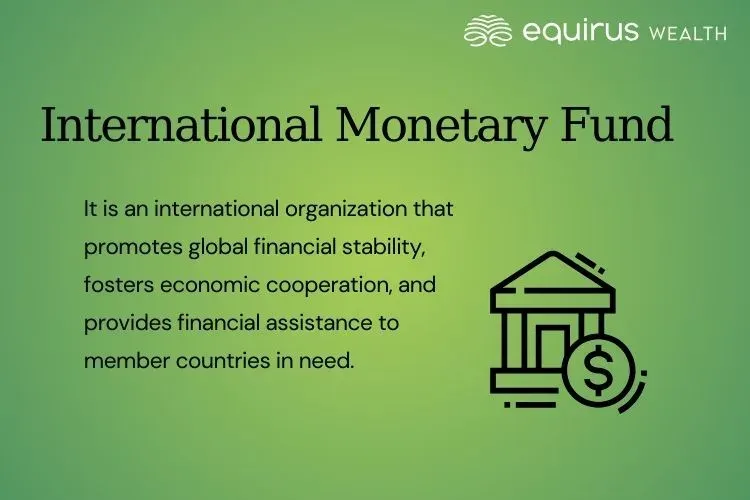
The International Monetary Fund (IMF) is a globally recognized institution with a clear and established mandate. For decades, it has been the cornerstone of the international financial architecture, working to foster global monetary cooperation, secure financial stability, facilitate international trade, promote high employment and sustainable economic growth, and reduce poverty around the world.
Origins and Mandate: A Historical Perspective
Established in the aftermath of World War II at the Bretton Woods Conference in 1944, the IMF’s primary goal was to prevent a recurrence of the competitive devaluations that had plagued the interwar period and contributed to the global economic downturn. Its charter outlines a commitment to:
- Promoting international monetary cooperation: This involves providing a forum for countries to discuss and coordinate their international monetary policies.
- Facilitating the expansion and balanced growth of international trade: By ensuring stable exchange rates and managing balance of payments issues, the IMF helps to create a predictable environment for global commerce.
- Promoting exchange stability: The Fund aims to prevent disruptive fluctuations in currency values, which can destabilize economies.
- Assisting in the establishment of a multilateral system of payments: This system allows for current transactions between member countries without restrictions that would hinder the growth of world trade.
- Making resources available to members experiencing balance of payments difficulties: This is perhaps the most well-known function, where the IMF provides financial assistance to countries facing temporary economic crises, contingent on them implementing policy reforms.
Essentially, the IMF acts as a global lender of last resort for countries in economic distress and a guardian of the international monetary system. Its influence is felt through its surveillance of member economies, its policy advice, and its lending operations.
The IMF in the Modern Landscape: Navigating Tech, Brand, and Money
While the core meaning of the IMF as the International Monetary Fund remains constant, the context in which we discuss it is evolving rapidly. The interconnectedness of technology, the strategic importance of branding, and the ever-shifting landscape of money necessitate a fresh look at how the IMF’s principles and operations are impacted, and how they, in turn, influence these crucial domains.
H2: The Digital Transformation of Financial Systems: IMF’s Evolving Role
The advent of sophisticated technology has profoundly reshaped the global financial system, and the IMF is not immune to these changes. From the way financial data is collected and analyzed to the nature of financial crises themselves, technology demands an adaptive approach from international institutions.
H3: AI and Big Data in Economic Surveillance
The IMF has been increasingly leveraging artificial intelligence (AI) and big data analytics to enhance its surveillance capabilities. Traditionally, economic analysis relied on periodic reports and statistical data. Now, AI can process vast amounts of real-time information, including social media sentiment, satellite imagery of economic activity, and global news flows, to identify emerging risks and trends with greater speed and accuracy.
- Predictive Analytics for Crises: AI algorithms can be trained to identify patterns that precede financial crises, enabling the IMF to offer more timely and targeted advice to member countries. This could involve detecting early signs of asset bubbles, unsustainable debt accumulation, or capital flight.
- Enhanced Data Collection and Processing: The sheer volume and velocity of data generated by the digital economy present both challenges and opportunities. The IMF is investing in advanced data infrastructure and machine learning techniques to effectively collect, clean, and analyze this information, providing a more granular understanding of global economic health.
- Personalized Policy Recommendations: By analyzing a wider range of data points, the IMF can tailor its policy recommendations to the specific circumstances of individual countries, taking into account their unique technological adoption rates, digital infrastructure, and economic vulnerabilities.
H3: The Rise of Digital Currencies and Fintech
The rapid growth of cryptocurrencies, stablecoins, and other forms of digital money presents a new frontier for the IMF. While these innovations offer potential benefits like increased financial inclusion and more efficient payment systems, they also introduce new challenges related to monetary policy, financial stability, and illicit financial flows.

- Understanding and Regulating Digital Assets: The IMF is actively researching the implications of central bank digital currencies (CBDCs) and private digital currencies. This involves understanding their potential impact on monetary sovereignty, the role of commercial banks, and the effectiveness of traditional monetary policy tools.
- Combating Illicit Finance: The pseudonymous nature of some cryptocurrencies can be exploited for money laundering and terrorist financing. The IMF is working with member countries to develop frameworks for regulating digital assets and ensuring compliance with anti-money laundering and counter-terrorism financing (AML/CFT) standards.
- Financial Inclusion through Fintech: Fintech innovations, often built on digital technologies, have the potential to expand access to financial services for underserved populations. The IMF is exploring how these technologies can be harnessed to promote financial inclusion without compromising stability.
H2: Branding the Global Economy: Perception, Reputation, and Trust
In today’s interconnected world, the “brand” of a nation, a corporation, and even international institutions is crucial. The IMF, as a global entity, is keenly aware of the importance of its reputation and how it is perceived by stakeholders, including governments, financial markets, and the public.
H3: Communicating Economic Stability and Trust
The IMF’s core mission is to foster economic stability. In an era where information spreads instantaneously, the way the IMF communicates its assessments, policy advice, and interventions directly impacts global market sentiment and investor confidence. A strong “brand” for the IMF means being perceived as a reliable, objective, and effective institution.
- Transparency and Open Communication: The IMF has been increasing its efforts to communicate its findings and policy recommendations transparently. This includes publishing detailed country reports, research papers, and press releases. This transparency builds trust and allows markets to better understand the rationale behind its actions.
- Managing Narratives in a Crisis: During times of economic turmoil, the IMF’s pronouncements carry significant weight. Effectively managing the narrative around a bailout or a policy adjustment is critical to preventing panic and fostering stability. This involves clear, consistent, and empathetic communication that addresses the concerns of affected populations.
- The Role of Social Media and Digital Platforms: The IMF, like any modern organization, utilizes social media and digital platforms to disseminate information and engage with a wider audience. This requires adapting its communication style to be accessible and engaging, while maintaining its professional credibility.
H3: Corporate Identity and Global Governance
The IMF’s “corporate identity” extends beyond its logo and branding guidelines. It encompasses its values, its operational principles, and its perceived legitimacy in the global governance landscape. As the world grapples with complex global challenges like climate change and pandemics, the role and image of institutions like the IMF are under scrutiny.
- Adapting to Evolving Global Challenges: The IMF’s brand is being shaped by its response to new global challenges that transcend traditional economic boundaries. Its involvement in issues like climate finance, pandemic preparedness, and the digital divide reflects an evolving mandate and a commitment to broader global well-being.
- Perception of Fairness and Inclusivity: The IMF’s governance structure and the distribution of voting power among member countries have often been subjects of debate. Ensuring that the institution is perceived as fair and inclusive by all its members is vital for its long-term legitimacy and effectiveness.
- Partnerships and Collaboration: The IMF increasingly works in partnership with other international organizations, national governments, and the private sector. The strength of these collaborations contributes to its brand image and its ability to achieve its objectives.
H2: The Shifting Sands of Money: IMF and the Future of Finance
The “money” aspect of the IMF’s mandate is perhaps the most directly impacted by technological advancements and evolving global economic structures. Understanding how the IMF navigates these shifts is crucial for anyone interested in the future of finance.
H3: Monetary Policy in a Digital Age
The traditional tools of monetary policy, such as interest rate adjustments and quantitative easing, are being re-evaluated in light of digital currencies and evolving payment systems. The IMF plays a vital role in advising countries on how to adapt their monetary policy frameworks.
- Impact of Cryptocurrencies on Inflation and Monetary Control: The widespread adoption of decentralized digital currencies could, in theory, challenge the ability of central banks to control inflation and manage the money supply. The IMF is studying these potential impacts and the mechanisms by which they might occur.
- CBDCs and Monetary Policy Transmission: The potential introduction of CBDCs by many countries raises questions about how monetary policy would be transmitted through these new digital channels. The IMF is actively researching and advising on the design and implications of CBDCs for monetary policy effectiveness.
- Cross-Border Payments and Exchange Rate Regimes: The efficiency and cost of cross-border payments are being transformed by fintech. The IMF is a key player in advocating for reforms that make these payments faster, cheaper, and more accessible, which can in turn influence exchange rate dynamics and trade balances.
H3: Financial Inclusion and Access to Capital
A core objective of the IMF is to promote global economic growth and reduce poverty, which is inextricably linked to financial inclusion. Technology and innovative financial instruments are central to achieving this.
- Leveraging Fintech for Financial Inclusion: The IMF supports initiatives that use fintech to bring unbanked and underbanked populations into the formal financial system. This can involve mobile money, digital lending platforms, and accessible investment tools.
- SME Financing and Access to Capital: Small and medium-sized enterprises (SMEs) are often the backbone of economies but struggle to access financing. The IMF advocates for policies and financial instruments that facilitate SME access to capital, thereby stimulating job creation and economic growth.
- Investing in Emerging Markets: The IMF’s work often involves guiding emerging markets on how to attract foreign investment and develop robust capital markets. This includes advising on regulatory frameworks, investor protection, and the development of innovative financial products tailored to their economic contexts.
In conclusion, while the IMF fundamentally stands for the International Monetary Fund and its core mission of global economic stability, its relevance and operations are deeply intertwined with the transformative forces of technology, the strategic importance of branding, and the ever-evolving nature of money. As these domains continue to advance, the IMF will undoubtedly continue to adapt, offering crucial guidance and support to navigate the complexities of the 21st-century global economy.
aViewFromTheCave is a participant in the Amazon Services LLC Associates Program, an affiliate advertising program designed to provide a means for sites to earn advertising fees by advertising and linking to Amazon.com. Amazon, the Amazon logo, AmazonSupply, and the AmazonSupply logo are trademarks of Amazon.com, Inc. or its affiliates. As an Amazon Associate we earn affiliate commissions from qualifying purchases.