
In the digital era, the “MLS website” is often referenced as the holy grail of real estate information. However, from a technological standpoint, the Multiple Listing Service (MLS) is not a single website, but a sophisticated, interconnected ecosystem of databases, software protocols, and data-sharing agreements. It represents one of the most successful examples of a private B2B data exchange network in history. For those looking to understand what the MLS is, it is essential to look beneath the surface-level user interface and explore the robust technical framework that powers the buying and selling of property in the 21-century.

The Architecture of a Multiple Listing Service (MLS)
At its core, an MLS is a centralized database used by real estate professionals to store and share information about properties for sale. Unlike a standard consumer-facing website like Zillow or Redfin, which are “aggregators,” a true MLS is the source of truth—the primary data entry point where the raw information is birthed.
From Paper Ledgers to Cloud-Based Databases
The technological evolution of the MLS is a fascinating case study in digital transformation. In the mid-20th century, the MLS consisted of physical books updated weekly. Today, these have been replaced by high-availability cloud databases. Modern MLS platforms leverage distributed computing to ensure that when a realtor in Los Angeles updates a listing, the data is reflected across the network in near real-time. This transition required a massive overhaul of legacy systems, moving from localized servers to scalable cloud infrastructures like Amazon Web Services (AWS) or Microsoft Azure, allowing for 99.9% uptime and rapid data retrieval.
The Role of Relational Databases and Data Normalization
The complexity of real estate data cannot be overstated. A single property listing contains hundreds of data points: square footage, zoning codes, school districts, tax history, and high-resolution media. To manage this, MLS providers use advanced relational database management systems (RDBMS).
A critical technical challenge within the MLS is data normalization. Because there are hundreds of independent MLS organizations across the country, each historically used its own terminology. One might use “half-bath,” while another used “powder room.” The industry has moved toward the Real Estate Standards Organization (RESO) Data Dictionary. This is a standardized “language” that allows different software systems to talk to each other, ensuring that data remains consistent as it travels from the local MLS database to various third-party applications.
Connectivity and Interoperability: How MLS Data Flows
The true power of the MLS lies not in the storage of data, but in its distribution. The “MLS website” that an agent logs into is just the tip of the iceberg; the real magic happens in the pipelines that connect that database to the rest of the internet.
Understanding IDX and RETS Protocols
To understand how property data moves from the MLS to the public, one must understand Internet Data Exchange (IDX) and the Real Estate Transaction Standard (RETS). IDX is a set of rules and technologies that allow agents to display MLS listings on their own professional websites. It is the framework that enables a “search for homes” feature on a local boutique agency’s site.
For years, the industry relied on RETS, a framework specifically designed for the real estate industry to transfer data between systems. It functioned by “pulling” data at scheduled intervals—for example, every 15 minutes. While effective, RETS was often clunky and required significant local storage for anyone trying to mirror the MLS database.
The Shift Toward the RESO Web API
In recent years, the tech focus has shifted from RETS to the RESO Web API. This is a modern, RESTful API (Representational State Transfer) that follows global web standards used by tech giants like Google and Twitter. The Web API allows for “on-the-fly” data requests, meaning a website can fetch the most current data directly from the MLS server without needing to store a copy of the entire database. This reduces server costs, increases security, and ensures that the “pending” status of a home is updated the second it happens, providing a more “live” experience for the end user.
Software Ecosystems and User Interface (UI) in Real Estate
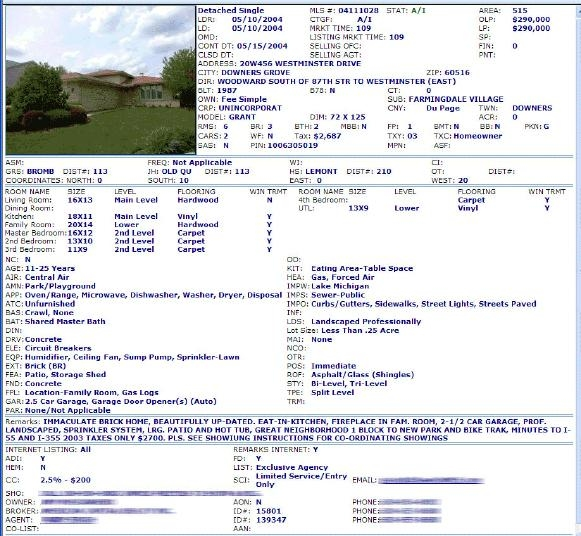
The “MLS website” that real estate professionals use is often referred to as the “front-end” or the “MLS system.” There are several major software providers that build these interfaces, each competing to offer the most efficient workflow for agents who spend hours a day within these portals.
Popular MLS Platforms: Matrix, Paragon, and Flexmls
The market is dominated by a few key software suites. CoreLogic’s Matrix is perhaps the most widely used, known for its speed and ability to handle massive amounts of data across large metropolitan areas. Black Knight’s Paragon focuses on a highly intuitive user interface and customization, while FBS’s Flexmls is praised for its mobile-first design and open-API philosophy.
These platforms are not just search engines; they are full-scale enterprise resource planning (ERP) tools. They include automated email engines that notify clients of new matches, CMA (Comparative Market Analysis) tools that use algorithmic calculations to estimate home values, and integration with e-signature platforms to facilitate digital contracts.
Mobile Integration and Field Tech for Agents
In the modern tech landscape, an MLS that only works on a desktop is obsolete. The “MLS website” has evolved into a suite of mobile applications. These apps utilize GPS data to allow agents to see “hidden” listing data while standing in front of a property. Using geofencing technology, these apps can push notifications to an agent’s device about nearby lockbox codes or showing instructions the moment they arrive at a coordinates-verified location. This integration of hardware (the smartphone) and software (the MLS database) has revolutionized the efficiency of property showings.
Digital Security and Data Integrity
Because the MLS contains sensitive information—including showing instructions, alarm codes, and contact details for homeowners—security is a paramount technical concern. The “MLS website” is a hardened environment compared to public real estate portals.
Authentication and Access Control
Access to an MLS is strictly controlled through multi-factor authentication (MFA). Many MLSs use hardware tokens or biometric “Clareity” logins to ensure that only licensed professionals can access the back-end data. This is critical for maintaining the “walled garden” that ensures data hasn’t been tampered with or scraped by malicious bots.
Ensuring Accuracy Through Algorithmic Validation
Data integrity is maintained through automated business rules and validation scripts. When an agent enters a listing, the software runs real-time checks. If a listing price is entered as $500 instead of $500,000, or if a property’s zip code doesn’t match its city, the system flags the error instantly. Many MLSs also employ AI-driven image recognition to ensure that photos uploaded to the system do not contain prohibited content, such as people, contact information, or “For Sale” signs that violate the platform’s neutral data policy.
The Future of MLS: AI, Big Data, and Blockchain
As we look toward the future, the “MLS website” is poised to move beyond a mere repository of facts and become a predictive engine. The next generation of real estate technology is focusing on how to make sense of the vast oceans of data collected over decades.
Predictive Analytics in Property Valuation
By applying machine learning (ML) models to historical MLS data, new tools are beginning to predict market trends before they happen. These AI tools can analyze “days on market” against economic variables to tell an agent exactly when a price drop will be necessary to secure a sale. This is no longer just about showing “what is,” but predicting “what will be.”
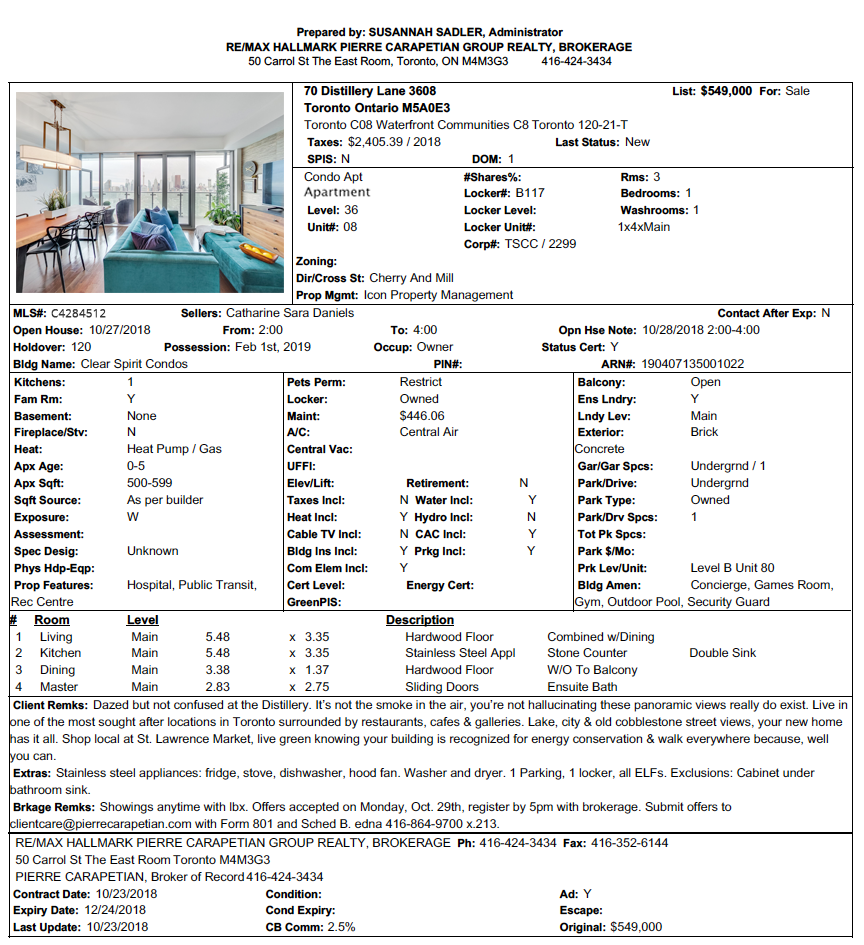
Decentralized Ledgers and the Evolution of Listing Ownership
There is significant tech-sector buzz regarding the use of Blockchain in the MLS space. While still in its infancy, the idea of a decentralized MLS would involve using a distributed ledger to track property history, titles, and listing agreements. This would theoretically eliminate the need for a central authority and create a transparent, immutable record of every change made to a property’s status. While the traditional MLS remains the dominant tech force today, the integration of smart contracts could eventually automate the entire closing process directly through the listing platform itself.
In conclusion, the MLS is far more than a “website.” It is a complex technological marvel that sits at the intersection of big data, cloud computing, and cybersecurity. By standardizing information and providing a reliable framework for data exchange, the technology behind the MLS ensures that the real estate market remains liquid, transparent, and efficient in an increasingly digital world. For tech professionals and real estate agents alike, understanding this digital architecture is the key to navigating the future of the property market.
aViewFromTheCave is a participant in the Amazon Services LLC Associates Program, an affiliate advertising program designed to provide a means for sites to earn advertising fees by advertising and linking to Amazon.com. Amazon, the Amazon logo, AmazonSupply, and the AmazonSupply logo are trademarks of Amazon.com, Inc. or its affiliates. As an Amazon Associate we earn affiliate commissions from qualifying purchases.