
In the intricate world of finance, where numbers dictate opportunity, risk, and growth, one concept stands as an unassuming yet utterly indispensable cornerstone: the percentage. Far from being a mere mathematical curiosity, percentages are the universal language of money. From the interest rates on your savings account and the APR on your credit card to investment returns, profit margins, and economic inflation, understanding “how you do percent” isn’t just a useful skill—it’s a critical prerequisite for financial literacy, sound decision-making, and ultimately, building wealth. This article will demystify percentages, revealing their pervasive influence across personal finance, investing, and business, and equip you with the insights to wield them effectively.

The Ubiquitous Role of Percentages in Personal Finance
Percentages are the bedrock upon which personal financial management is built. They transform raw numbers into relatable metrics, allowing for clear comparisons and strategic planning. Without a firm grasp of percentages, navigating daily financial decisions becomes akin to sailing without a compass.
Budgeting and Expense Tracking: The 50/30/20 Rule and Beyond
Effective budgeting is fundamentally a percentage game. Frameworks like the popular 50/30/20 rule—50% of income for needs, 30% for wants, and 20% for savings and debt repayment—are entirely dependent on percentage allocations. Understanding how much of your income goes towards rent (a “need”), dining out (a “want”), or retirement contributions (a “saving”) by expressing it as a percentage provides a holistic view of your financial health. This clarity empowers you to identify areas for adjustment, optimize spending, and ensure your money aligns with your financial goals. Tracking expenses as percentages of your total income or budget helps you spot trends, prevent overspending in certain categories, and make informed adjustments to maintain fiscal discipline.
Saving, Debt Management, and the Cost of Money
The true cost and benefit of borrowing and saving are almost exclusively communicated through percentages. Savings accounts offer an Annual Percentage Yield (APY), indicating how much your money will grow over a year. Conversely, loans, mortgages, and credit cards come with an Annual Percentage Rate (APR), representing the yearly cost of borrowing. A small difference in APR can translate to thousands of dollars in interest paid or saved over the life of a loan. Furthermore, understanding the percentage of your income you can realistically allocate to debt repayment is crucial for accelerated debt reduction strategies, while knowing the percentage of your income you’re saving directly impacts your future financial security.
Deciphering Investment Returns and Risks
For investors, percentages are the essential tools for evaluating performance, gauging risk, and understanding the power of compounding. They allow for an apples-to-apples comparison across diverse investment vehicles and timeframes.
Understanding Return on Investment (ROI) and Capital Appreciation
Return on Investment (ROI) is the quintessential percentage metric for evaluating the profitability of an investment. Whether it’s stocks, bonds, real estate, or a business venture, ROI (calculated as (Net Profit / Cost of Investment) * 100%) quantifies the gain or loss relative to the initial outlay. It enables investors to compare the effectiveness of different investments and make data-driven choices. Similarly, capital appreciation—the increase in an investment’s value—is typically expressed as a percentage, offering a clear snapshot of growth over a specific period. A stock that increased from $100 to $120 represents a 20% capital appreciation, a far more meaningful metric than just the absolute dollar amount when comparing it to other assets.
Growth Rates, Compound Interest, and the Rule of 72
The magic of compounding, often called the “eighth wonder of the world,” is fundamentally a percentage concept. Compound interest means earning interest not only on your initial principal but also on the accumulated interest from previous periods. The growth rate, expressed as a percentage, dictates the speed at which your investments multiply. A higher percentage growth rate, compounded over time, dramatically accelerates wealth accumulation. The “Rule of 72” is a powerful mental shortcut leveraging percentages: by dividing 72 by an annual percentage rate of return, you can estimate the number of years it will take for an investment to double. For example, an investment growing at 8% per year will approximately double in 9 years (72 / 8 = 9). This simple percentage rule offers profound insights into long-term financial planning.
Risk Assessment and Portfolio Diversification
Percentages are also vital in managing investment risk. Portfolio diversification, a key strategy to mitigate risk, involves allocating your investments across various asset classes, industries, or geographies. This allocation is almost always expressed in percentages—e.g., 60% stocks, 30% bonds, 10% cash. Understanding what percentage of your portfolio is exposed to a particular sector or country helps you gauge overall risk. Furthermore, metrics like volatility are often presented as percentages to indicate how much an investment’s value fluctuates over time, aiding in building a portfolio that aligns with your risk tolerance.
Percentages in Business Finance and Online Income
From small online ventures to multinational corporations, percentages are the language of business performance, profitability, and strategic growth.
Profit Margins, Markups, and Business Health
For any business, understanding profit margins is non-negotiable. Gross profit margin ((Gross Profit / Revenue) * 100%) indicates the percentage of revenue left after covering the cost of goods sold, while net profit margin ((Net Profit / Revenue) * 100%) reveals the percentage of revenue remaining after all expenses. These percentages are critical indicators of a business’s efficiency and overall financial health. Similarly, markups are expressed as percentages to determine selling prices from costs, ensuring profitability. Businesses also use percentages to analyze operational expenses, comparing them against revenue to identify areas for cost reduction and efficiency improvements.
Sales Commissions, Royalties, and Online Income Structures
Many online income models and sales-driven businesses are built entirely on percentage-based earnings. Affiliate marketing, a popular online income stream, involves earning a percentage commission on sales generated through unique referral links. Freelancers and consultants might receive a percentage of project value or ongoing revenue shares. Authors, musicians, and content creators often earn royalties, which are a percentage of sales or licensing fees. Understanding these percentage structures is fundamental to calculating potential earnings, negotiating fair terms, and strategically scaling online income ventures.
Business Growth, Market Share, and Economic Indicators
Businesses measure their success and competitive standing using percentages. Revenue growth, customer growth, and market share are all critical performance indicators expressed as percentages. A company’s market share—the percentage of total sales within its industry—reveals its competitive strength. On a broader scale, economic indicators like inflation, GDP growth, and unemployment rates are also presented as percentages, influencing business strategies, investment decisions, and consumer spending patterns. Tracking these percentage-based metrics allows businesses to adapt to changing economic landscapes and plan for future expansion.
Practical Application: Mastering Percentage Calculations
Beyond understanding their importance, being able to perform basic percentage calculations is key to leveraging them effectively in your financial life.
Basic Conversions: Decimals, Fractions, and Percentages
The fundamental step is to understand the interchangeability between percentages, decimals, and fractions.
-
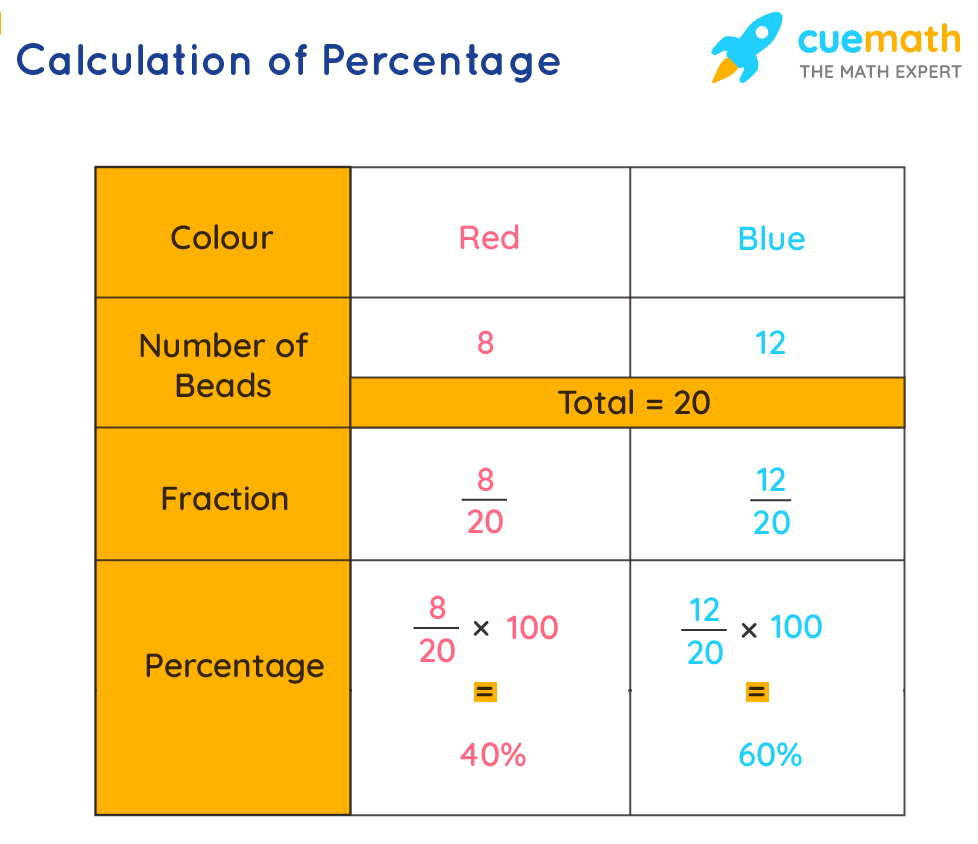
Percent to Decimal: Divide by 100 (e.g., 25% = 0.25).
-
Decimal to Percent: Multiply by 100 (e.g., 0.75 = 75%).
-
Fraction to Percent: Convert to a decimal first, then multiply by 100 (e.g., 1/4 = 0.25 = 25%).
Finding a Percentage of a Number
To find a percentage of a number (e.g., 15% of $200), convert the percentage to a decimal and multiply: 0.15 * $200 = $30. This calculation is vital for understanding discounts, sales tax, commissions, and interest accrual.
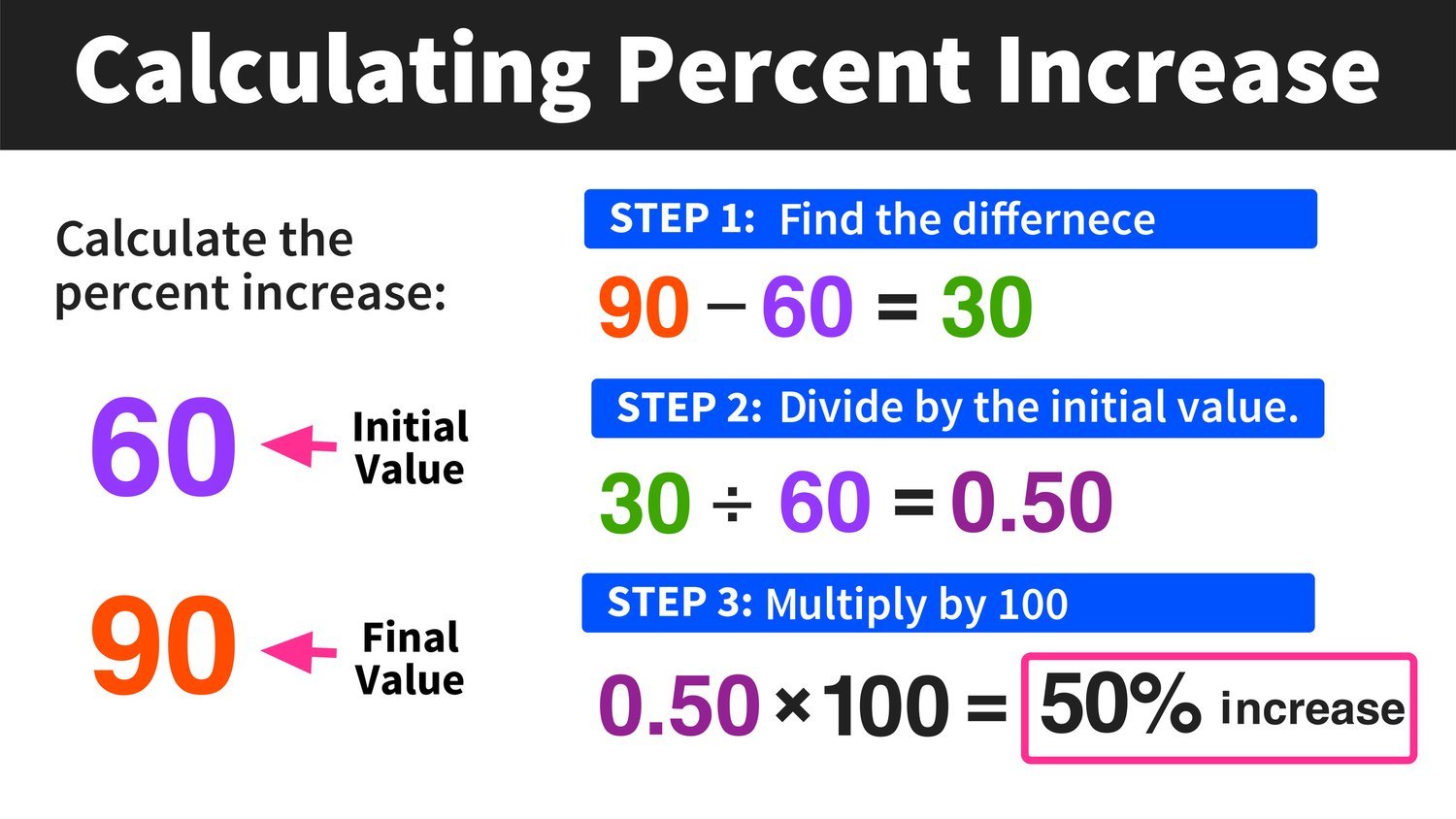
Calculating Percentage Change
Percentage change is crucial for tracking growth, inflation, and investment performance.
-
Percentage Change = ((New Value - Old Value) / Old Value) * 100% -
If your investment grew from $1,000 to $1,200:
((1200 - 1000) / 1000) * 100% = (200 / 1000) * 100% = 0.20 * 100% = 20%. -
A positive result indicates an increase; a negative result indicates a decrease.
Reverse Percentage Problems
Sometimes you need to find the original amount before a percentage increase or decrease. For example, if an item costs $80 after a 20% discount, what was the original price?
-
The discounted price is 80% of the original price (100% – 20%).
-
So,
Original Price * 0.80 = $80. -
Original Price = $80 / 0.80 = $100.
These calculations are invaluable for understanding true costs and values.
Leveraging Tools and Avoiding Common Pitfalls
While manual calculations are fundamental, modern tools and critical thinking are essential for navigating the real-world application of percentages.
Digital Tools for Percentage Calculations
Leverage technology to simplify complex calculations. Spreadsheets (like Excel or Google Sheets) are powerful tools for managing budgets, tracking investments, and calculating various percentages automatically. Financial calculators (physical or online) can perform compound interest calculations and other percentage-heavy functions with ease. Many banking apps and investment platforms also provide percentage-based insights into your financial activities, streamlining the process of understanding your money.
The Importance of Context and Scale
A critical aspect of understanding percentages is context. A 10% salary increase sounds great, but 10% of a minimum wage salary is vastly different from 10% of a six-figure income. Similarly, a 5% return on an investment of $100 is only $5, while 5% on $1,000,000 is $50,000. Always consider the absolute numbers alongside the percentages to grasp the true impact and significance. Overlooking context can lead to misinterpretations and poor financial decisions.
Beware of Misleading Statistics
Percentages, while powerful, can be easily manipulated or misunderstood. A common pitfall is comparing percentages without understanding the base from which they are calculated. For instance, “our sales grew by 100%!” sounds impressive, but if it grew from $10 to $20, the absolute impact is minimal. Always question the source, the baseline, and the methodology behind percentage-based claims, especially in marketing, news, and political discourse, to avoid being misled.
Conclusion
The question “how do you do percent?” transcends a simple mathematical inquiry; it’s a gateway to profound financial understanding. From managing your daily budget and navigating debt to making shrewd investment decisions and building a successful business, percentages are the indispensable tools that empower you to interpret, analyze, and control your financial narrative. By mastering their calculations, understanding their varied applications, and applying critical thinking to their interpretation, you unlock a higher level of financial literacy. Embrace percentages not as a daunting mathematical concept, but as the fundamental language of money, and you will be far better equipped to achieve your financial goals and navigate the complexities of the modern economic landscape with confidence and clarity.
aViewFromTheCave is a participant in the Amazon Services LLC Associates Program, an affiliate advertising program designed to provide a means for sites to earn advertising fees by advertising and linking to Amazon.com. Amazon, the Amazon logo, AmazonSupply, and the AmazonSupply logo are trademarks of Amazon.com, Inc. or its affiliates. As an Amazon Associate we earn affiliate commissions from qualifying purchases.