
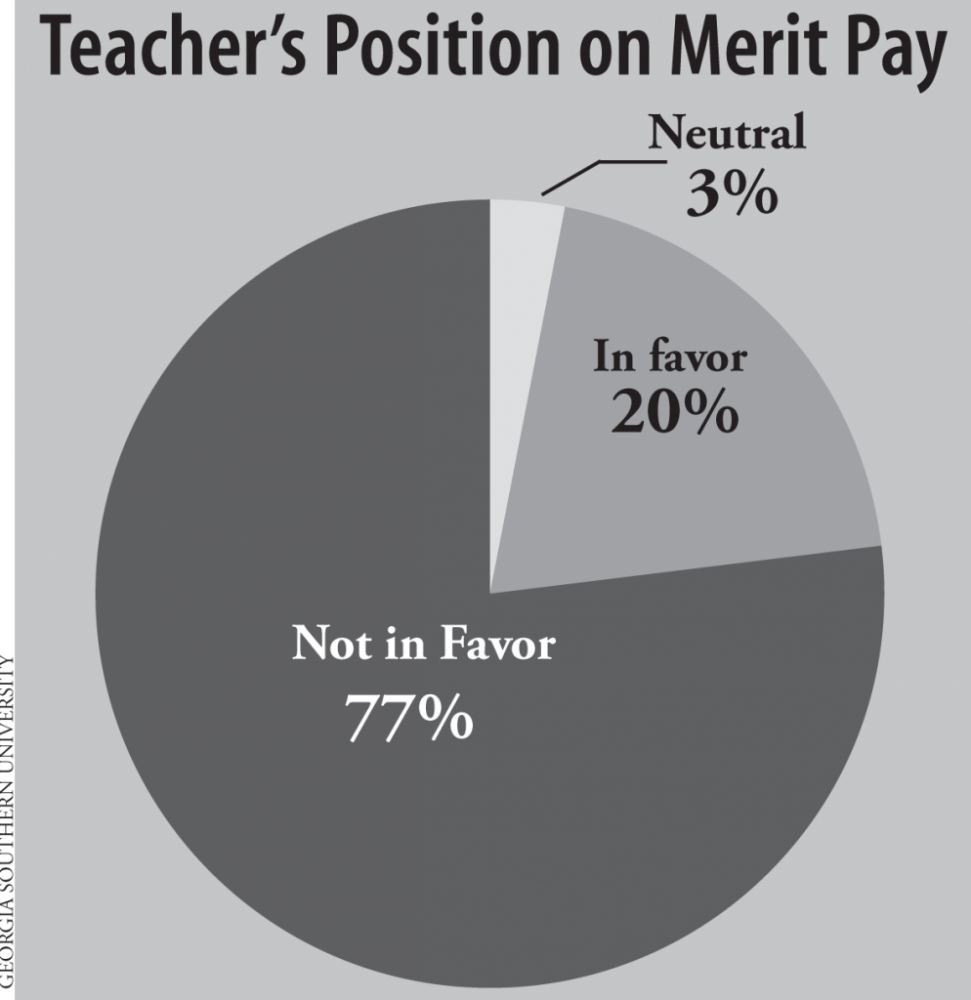
Merit pay, also known as performance-based pay, represents a compensation strategy that ties a portion of an employee’s salary directly to their performance. In the context of education, this means that teachers’ financial compensation can fluctuate based on specific metrics of effectiveness, rather than solely relying on a fixed salary schedule determined by years of service and educational attainment. While seemingly straightforward, the application of merit pay in schools introduces complex financial considerations for individuals, institutions, and the broader educational economy. It shifts the traditional financial paradigm of teacher remuneration, aiming to incentivize excellence and productivity through direct monetary rewards.
The Financial Mechanics of Merit Pay Systems
Understanding merit pay requires a close look at its financial underpinnings, contrasting it with conventional salary structures and exploring how it integrates into existing educational budgets. This approach moves beyond the simple concept of “pay for performance” to dissect the operational and fiscal realities.
Traditional Salary Schedules vs. Performance-Based Compensation
Historically, teacher salaries have been structured around “step-and-ladder” systems. These systems provide predictable annual salary increases based on a teacher’s experience (steps) and their level of education (ladders, e.g., master’s degree). This model offers financial stability and clear career progression, but it does not differentiate compensation based on individual performance or classroom impact.
Merit pay disrupts this predictable financial model by introducing a variable component. Instead of, or in addition to, annual step increases, teachers might receive bonuses or higher base salaries if they meet predefined performance targets. This shift aims to create a financial incentive for teachers to excel, potentially leading to a more dynamic and competitive professional environment. From a financial perspective, it transforms a purely fixed-cost salary system into one with a variable-cost component, contingent on measured outputs.
Funding Mechanisms for Merit Pay Initiatives
Implementing merit pay systems necessitates a distinct funding strategy. Unlike standard salary increases, which are often built into annual budget appropriations, merit pay typically requires dedicated funding that can withstand fluctuating performance levels and budgetary pressures. Potential funding sources include:
- Reallocation of Existing Funds: School districts might reallocate portions of their operating budgets, perhaps by reducing administrative overhead or diverting funds from other programs, to finance merit pay pools. This approach can be financially challenging, as it often means making difficult trade-offs.
- State or Federal Grants: Many merit pay programs are initiated or supplemented by specific state or federal grants designed to promote educational reform and improve teacher quality. While these grants can provide significant initial capital, their long-term sustainability can be uncertain, posing a risk to the ongoing financial viability of the program once grant cycles conclude.
- Local Tax Revenue Increases: In some cases, communities might approve tax increases specifically earmarked for educational improvements, including merit pay. This direct local investment ties the program’s funding directly to community support and willingness to invest in performance-based teacher compensation.
- Private Philanthropy: Occasional merit pay programs receive funding from private foundations or donors interested in educational innovation. While helpful, this source is typically supplemental and rarely forms the primary funding backbone for large-scale, ongoing programs.
Each funding mechanism carries its own set of financial implications, from budgetary stability to reliance on external, potentially temporary, revenue streams.
Potential for Budget Strain and Fiscal Management
One of the significant financial challenges associated with merit pay is its potential to strain school district budgets. If a large number of teachers meet performance targets, the financial outlay for merit bonuses can be substantial. Without robust, predictable, and sustainable funding, districts risk:
- Inconsistent Payouts: If funding fluctuates, the size or even the availability of merit bonuses can vary year to year, undermining the incentive structure and creating financial uncertainty for teachers.
- Deficit Spending: Districts might overcommit to merit pay without adequate long-term financial planning, leading to budget deficits in subsequent years.
- Underfunding Other Priorities: Diverting funds to merit pay might necessitate cuts in other critical areas, such as classroom resources, professional development not tied to merit, or support staff, potentially hindering overall educational quality.
Effective fiscal management, including rigorous cost-benefit analyses, transparent budgeting, and long-term financial forecasting, is crucial for districts attempting to implement and sustain merit pay programs without jeopardizing their overall financial health.
Financial Impact on Teachers and Educational Institutions
Merit pay systems introduce significant financial implications for individual teachers, influencing their personal financial planning, and for the institutions themselves, affecting their ability to manage resources and attract talent.
Personal Financial Implications for Teachers
For teachers, merit pay presents a double-edged financial sword. On one hand, it offers the potential for increased earnings, providing a direct monetary reward for exceptional performance. This can be particularly appealing for highly effective teachers who might feel undervalued by traditional salary scales that don’t differentiate based on impact. The added income could contribute to personal savings, debt reduction, or improved quality of life.
However, the variable nature of merit pay introduces financial uncertainty. Unlike predictable step increases, merit bonuses are not guaranteed and depend on meeting specific performance criteria, which can sometimes be subjective or tied to external factors. This variability can make personal financial planning more challenging, as teachers cannot consistently rely on these funds. Furthermore, if the performance metrics are perceived as unfair or unattainable, merit pay can lead to frustration and financial demotivation, especially if the base salary is not sufficiently competitive. The mental and emotional cost of striving for performance targets under financial pressure is also a factor.
Institutional Financial Health and Resource Allocation
From an institutional perspective, merit pay aims to optimize human capital investment. By financially rewarding top performers, schools hope to retain their best teachers, attract new talent motivated by performance incentives, and ultimately improve student outcomes. This is seen as a strategic allocation of financial resources toward areas that demonstrably produce results.
However, the implementation of merit pay systems also impacts institutional financial health in several ways:
- Administrative Costs: Designing, implementing, and managing a robust merit pay system requires significant administrative overhead. This includes developing clear performance metrics, collecting and analyzing data, conducting evaluations, and managing the payout process. These administrative costs draw resources that could otherwise be allocated to direct educational services.
- Equity and Morale: While merit pay aims to reward excellence, its implementation can inadvertently create financial disparities among staff, potentially leading to morale issues if teachers perceive the system as unfair or biased. Such issues can negatively impact collaboration and overall school culture, which has an indirect but tangible financial cost in terms of productivity and staff turnover.
- Recruitment and Retention: A well-designed and adequately funded merit pay system can be a powerful tool for recruitment, attracting high-performing educators. Conversely, a poorly designed or inconsistently funded system can deter potential candidates and lead to attrition of existing staff, forcing institutions to incur additional recruitment and training costs.
The successful integration of merit pay requires careful financial planning that balances the potential benefits of performance incentives with the practical realities of budgetary constraints and the need to maintain a cohesive and motivated teaching force.
Measuring Merit: The Financial Metrics and Data
The efficacy and financial integrity of any merit pay system hinge entirely on the ability to accurately and fairly measure “merit.” This involves selecting specific metrics and developing robust data collection and analysis systems. The financial investment in these measurement tools can be substantial, yet it is critical for ensuring the program’s legitimacy and impact.
Defining Performance Metrics
To financially reward performance, that performance must be quantifiable. Common metrics used in merit pay systems include:
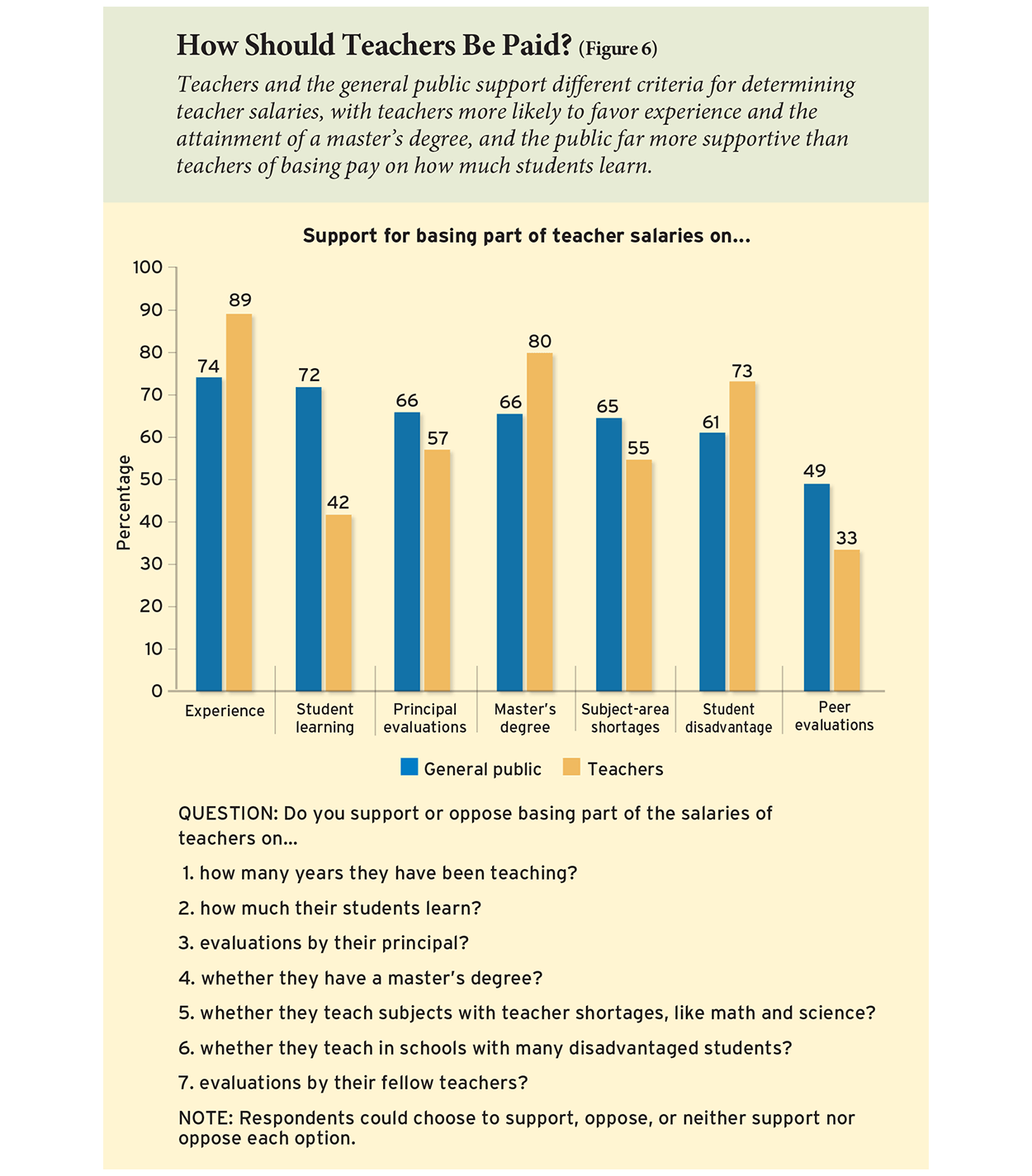
- Student Achievement Data: This often involves using standardized test scores, student growth measures (how much students improve over time), or other academic indicators. The financial reward is directly tied to student progress or attainment benchmarks.
- Classroom Observations: Evaluators (e.g., principals, expert teachers) conduct structured observations of teaching practices, instructional strategies, and classroom management. Financial incentives are linked to ratings received during these observations.
- Peer Reviews and Professional Development: Some systems incorporate feedback from colleagues or participation and leadership in professional development initiatives as performance indicators. The financial value here is placed on collaborative improvement and professional growth.
- Parent and Student Feedback: While less common as a primary financial driver, surveys of parents and students can provide supplementary data on teacher effectiveness.
- Multi-faceted Evaluation Systems: The most comprehensive and often most expensive systems combine several of these metrics to create a holistic view of teacher performance, aiming to provide a more balanced and fair assessment for financial compensation.
The choice of metrics directly influences what behaviors are financially incentivized and what data needs to be collected. The costs associated with developing, implementing, and maintaining these measurement systems — from standardized testing infrastructure to training evaluators — are a significant part of the overall financial commitment to merit pay.
Data Collection, Analysis, and Transparency
Effective merit pay systems require meticulous data collection and rigorous analysis to ensure that financial rewards are accurately distributed. This involves:
- Robust Data Infrastructure: Schools need reliable systems for tracking student data, observation scores, professional development participation, and other relevant metrics. The upfront and ongoing investment in technology and human resources for this infrastructure can be considerable.
- Fairness and Objectivity: To maintain trust and avoid disputes over financial payouts, the data collection and analysis processes must be perceived as fair, objective, and transparent. Any perception of bias or inaccuracy can undermine the entire system and lead to financial grievances.
- Transparency and Communication: Teachers need a clear understanding of how their performance is measured, how data is used, and how financial rewards are calculated. Transparent communication about the process and outcomes is crucial for buy-in and perceived fairness, which in turn influences teacher morale and motivation, impacting their financial engagement with the system.
The financial cost of developing and maintaining these data systems, including software, training, and personnel, must be weighed against the perceived benefits of a performance-driven compensation model. Without this investment, merit pay systems risk becoming arbitrary, leading to financial dissatisfaction and undermining their stated goals of improving educational outcomes through targeted financial incentives.
Is Merit Pay a Good Financial Investment?
The ultimate question surrounding merit pay for teachers is whether it represents a sound financial investment for school districts and the broader education system. This involves evaluating its return on investment (ROI) in terms of educational outcomes, teacher quality, and long-term financial sustainability.
Return on Investment for School Districts
For school districts, merit pay is an investment aimed at improving the quality of education. A positive ROI would manifest in:
- Improved Student Performance: The primary goal is that incentivized teachers will lead to better student academic achievement. If this occurs, the financial investment in merit pay could be justified by the increased human capital development and societal benefits derived from a more educated populace.
- Enhanced Teacher Quality and Retention: If merit pay successfully attracts high-caliber teachers and incentivizes existing staff to improve, leading to lower turnover among effective educators, the ROI could be seen in reduced recruitment costs and a stronger, more experienced teaching workforce.
- Efficient Resource Allocation: Proponents argue that directing funds to the most effective teachers is a more efficient use of taxpayer money than uniform raises that do not differentiate performance.
However, if merit pay fails to demonstrably improve student outcomes or teacher quality, or if it leads to significant administrative burdens and morale issues, the financial investment could be considered poor, with resources potentially better allocated elsewhere. The challenge lies in isolating the impact of merit pay from other factors influencing educational success.

Teacher Recruitment, Retention, and Financial Sustainability
Merit pay’s impact on teacher recruitment and retention is a critical financial consideration. A competitive merit pay system could:
- Attract Top Talent: Prospective teachers, particularly those in high-demand fields like STEM, might be drawn to districts offering the potential for higher earnings based on performance, making these districts more financially competitive in the talent market.
- Retain High Performers: Effective teachers, who might otherwise seek more lucrative opportunities outside education or in districts with better pay, could be incentivized to remain in a system that financially rewards their contributions. This reduces the financial burden of constant recruitment and training of new staff.
Conversely, if merit pay is poorly structured, unfairly administered, or insufficiently funded, it can have adverse effects:
- Teacher Attrition: Disillusioned teachers, particularly those who feel undervalued or whose efforts are not recognized financially, may leave the profession or seek employment in districts with more predictable or higher traditional salaries. This increases the financial cost of recruitment and professional development for replacements.
- Decreased Morale and Collaboration: If merit pay fosters intense competition or resentment over financial disparities, it can erode collegiality and collaboration, potentially undermining the overall effectiveness of the teaching staff. The hidden costs of low morale can be substantial, impacting productivity and institutional stability.
From a financial sustainability perspective, merit pay requires long-term commitment and stable funding. Districts must assess whether they can consistently finance a merit pay structure without jeopardizing other essential educational services or placing undue strain on their budgets. The investment in merit pay must be carefully managed to ensure it delivers tangible financial and educational returns that justify its implementation over the long haul. Without clear evidence of positive impact on student learning and teacher quality that outweighs its financial and administrative costs, the argument for merit pay as a sound financial investment becomes difficult to sustain.
aViewFromTheCave is a participant in the Amazon Services LLC Associates Program, an affiliate advertising program designed to provide a means for sites to earn advertising fees by advertising and linking to Amazon.com. Amazon, the Amazon logo, AmazonSupply, and the AmazonSupply logo are trademarks of Amazon.com, Inc. or its affiliates. As an Amazon Associate we earn affiliate commissions from qualifying purchases.