
Auto insurance is a necessary expense for nearly every driver, a legal requirement in most places, and a crucial financial safety net in the event of an accident or unforeseen incident. However, for many, it represents a significant and often escalating line item in their monthly budget. The quest to reduce these costs without compromising essential protection is a common concern. While the market can seem opaque, riddled with complex algorithms and numerous providers, understanding the underlying factors and employing strategic approaches can significantly lower your premiums. This comprehensive guide delves into actionable strategies, offering professional and insightful advice to help you navigate the complexities of auto insurance and secure more affordable rates.
Understanding the Drivers of Your Insurance Premiums
Before you can effectively reduce your auto insurance costs, it’s essential to understand what factors insurance companies consider when calculating your premiums. These are not arbitrary figures but rather a reflection of the perceived risk you present as a policyholder. Grasping these influences empowers you to make informed decisions that can lead to substantial savings.
Your Personal Profile: Driving Record, Age, and Credit Score
Your personal history and characteristics are paramount in an insurer’s assessment. Your driving record is arguably the most significant factor. A clean record, free of accidents, speeding tickets, or other moving violations, signals to insurers that you are a low-risk driver, often qualifying you for preferred rates and “good driver” discounts. Conversely, a history of infractions will almost certainly lead to higher premiums.
Age and experience also play a crucial role. Younger, less experienced drivers, particularly those under 25, are statistically more prone to accidents, resulting in higher rates. As drivers mature and accumulate years of safe driving experience, their premiums tend to decrease. Marital status can also be a factor, with married individuals often receiving slightly lower rates due to statistical correlations with more stable driving habits.
Less intuitively, your credit score can heavily influence your auto insurance premiums in many states. Insurers use “credit-based insurance scores” as a predictor of how likely you are to file a claim. Statistical models suggest a correlation between a higher credit score and a lower likelihood of filing claims. Therefore, improving and maintaining a good credit score can indirectly contribute to lower insurance costs.
Vehicle Characteristics and Location
The type of vehicle you drive profoundly impacts your insurance rates. Factors include the car’s make, model, year, safety features, and cost to repair or replace. Luxury cars, sports cars, and vehicles with high theft rates typically command higher premiums. Cars with excellent safety ratings and anti-theft devices may qualify for discounts. The vehicle’s engine size and horsepower can also be considered, with more powerful cars sometimes associated with higher risk.
Where you live and park your car also matters. Your location, down to your specific zip code, can influence rates due to varying risks of theft, vandalism, and accidents in different areas. Urban areas with higher traffic density and crime rates generally have higher premiums than rural areas. Similarly, annual mileage is often a rating factor; the more you drive, the higher the perceived risk of an accident, potentially leading to increased costs.
The Impact of Your Coverage Choices
Beyond personal and vehicle factors, the specific types and amounts of coverage you choose directly dictate a significant portion of your premium. Standard auto insurance policies typically include several components:
- Liability Coverage: Mandatory in most states, covering bodily injury and property damage you cause to others. Higher limits offer more protection but increase premiums.
- Collision Coverage: Pays for damage to your car resulting from a collision, regardless of fault.
- Comprehensive Coverage: Covers damage to your car from non-collision incidents like theft, vandalism, fire, or natural disasters.
- Uninsured/Underinsured Motorist Coverage: Protects you if you’re hit by a driver without sufficient insurance.
- Medical Payments/Personal Injury Protection (PIP): Covers medical expenses for you and your passengers after an accident, regardless of fault.
The deductible you select for collision and comprehensive coverage also impacts your premium. A higher deductible (the amount you pay out-of-pocket before insurance kicks in) typically results in a lower premium, as you are assuming more of the initial risk. Conversely, a lower deductible means higher premiums. Choosing the right balance here is crucial for affordability and adequate protection.
Strategic Shopping: The Power of Comparison
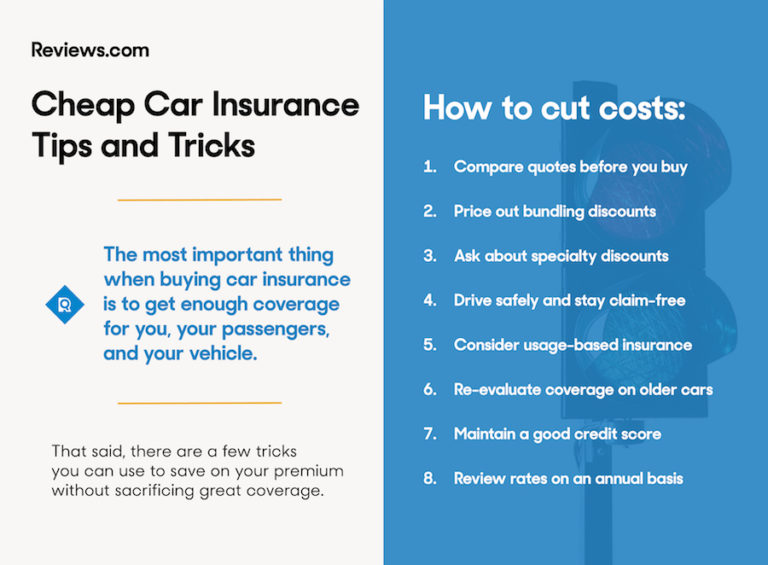
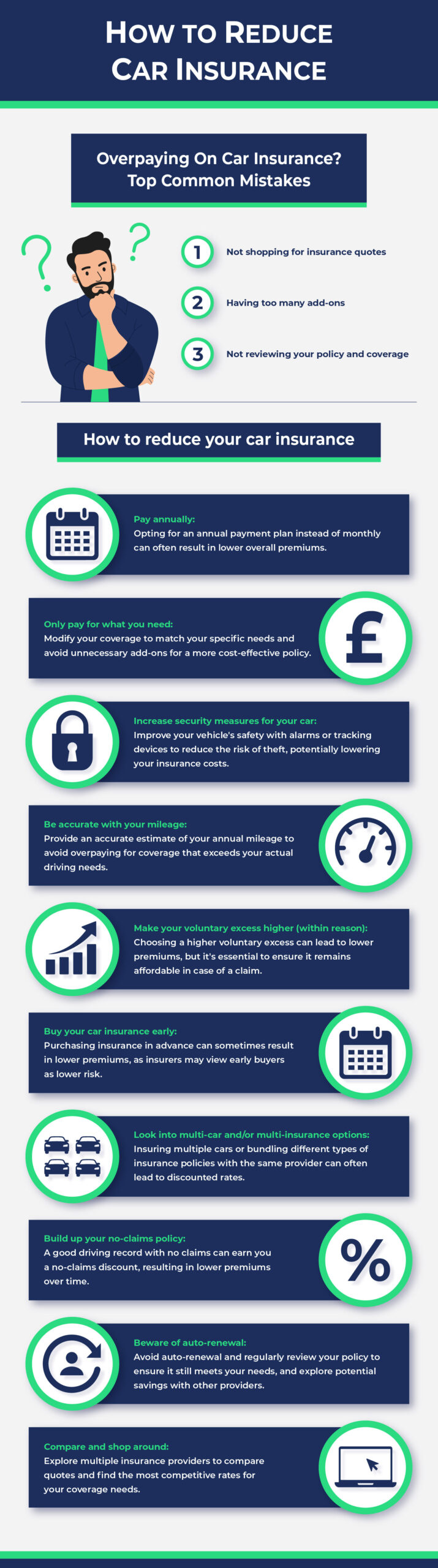
One of the most effective, yet often overlooked, strategies for securing cheaper auto insurance is diligent comparison shopping. The auto insurance market is highly competitive, with dozens of providers offering different rates and coverage options. Relying solely on your current insurer or the first quote you receive is a common mistake that can cost you hundreds, if not thousands, of dollars annually.
Leveraging Online Comparison Tools and Aggregators
The digital age has made comparison shopping easier than ever. Numerous online comparison tools and aggregators allow you to input your information once and receive multiple quotes from various insurers simultaneously. Websites like Policygenius, The Zebra, or QuoteWizard streamline the process, presenting a side-by-side view of different policies, premiums, and coverage details. This saves significant time and helps you quickly identify competitive rates.
When using these tools, ensure accuracy in your inputs. Even small discrepancies can lead to inaccurate quotes. Be prepared to provide details about your vehicle, driving history, personal information, and desired coverage levels. While convenient, remember that these aggregators may not include every insurer, so it’s often wise to supplement their results with direct quotes from other providers.
Engaging with Independent Agents and Direct Insurers
While online tools are powerful, they are not the sole avenue for comparison. Independent insurance agents can be invaluable allies. Unlike captive agents who work for a single company, independent agents work with multiple insurance providers. They can shop around on your behalf, often accessing exclusive rates or bundles, and provide personalized advice tailored to your specific needs. Their expertise can help you understand the nuances of different policies and identify the best value.
Additionally, consider directly contacting direct insurers – companies that sell policies directly to consumers without intermediaries. Companies like Geico, Progressive, and State Farm (which also has agents) often have competitive online rates and direct-to-consumer specials. It’s prudent to get quotes from a mix of channels: online aggregators, an independent agent, and a few direct insurers to ensure you’ve cast a wide enough net.
The Importance of Annual Reviews and Re-quoting
Your insurance needs and the market landscape are not static. Life changes—a new car, a move, marriage, a clean driving period—can all impact your rates. Similarly, insurers frequently adjust their pricing models and offer new discounts. For these reasons, re-quoting your auto insurance annually is a non-negotiable step in maintaining affordable rates.
Many policyholders simply allow their policies to renew year after year out of convenience or inertia. However, this often means missing out on potential savings. Set a reminder to shop around a few weeks before your current policy expires. Even if you’re happy with your current insurer, present them with competitive quotes you’ve received; they may be willing to match or beat them to retain your business. This proactive approach ensures you’re always getting the best possible rate for your coverage.
Unlocking Discounts: Maximizing Your Savings Potential

Insurance companies offer a myriad of discounts designed to attract and retain customers, as well as to incentivize lower-risk behaviors. Identifying and claiming every discount you qualify for is a powerful way to reduce your premiums. Don’t assume your insurer has automatically applied every available discount; it’s often up to you to inquire.
Bundling Policies and Loyalty Programs
One of the most significant discounts available is the multi-policy or bundling discount. Insurers often provide substantial savings (sometimes 10-25%) when you purchase multiple insurance products from them, such as combining your auto and home/renters insurance, or even life insurance. This not only simplifies your insurance management but also creates a significant financial incentive to stay with one provider.
Beyond bundling, many insurers reward customer loyalty. If you’ve been with the same company for several years without making a claim, you might qualify for a loyalty discount. It’s worth asking your current provider about this, especially if you’re considering switching. Some companies also offer multi-car discounts if you insure more than one vehicle on the same policy.
Safe Driver and Telematics Programs
Insurers highly value responsible driving. Many offer explicit good driver discounts for policyholders who maintain a clean driving record for a specified period (e.g., three or five years). Some even offer accident forgiveness programs after a certain tenure.
A growing trend is telematics or usage-based insurance (UBI) programs. These programs involve installing a small device in your car or using a mobile app that monitors your driving habits (speed, braking, acceleration, mileage, time of day driven). Drivers who demonstrate safe habits can earn significant discounts, sometimes up to 30%. While it requires allowing the insurer to collect data on your driving, the savings can be substantial for careful drivers. This is particularly beneficial for those with low annual mileage or who primarily drive during off-peak hours.
Vehicle-Specific and Membership Discounts
Various discounts are tied to your vehicle’s features or your personal affiliations. Anti-theft device discounts are common for cars equipped with alarms, immobilizers, or tracking systems. Similarly, vehicles with advanced safety features, such as automatic emergency braking, lane-keeping assist, or adaptive cruise control, may qualify for lower rates due to their reduced accident risk.
Your professional or academic affiliations can also be a source of savings. Many insurers offer group discounts through employers, alumni associations, professional organizations, or credit unions. Students with good grades (“good student discount”) or who are away at college without a car (“student away discount”) can also find reduced rates. Even military personnel and veterans often qualify for specific discounts. Always inquire about any group affiliations you might have that could lead to savings.
Optimizing Your Policy: Adjustments for Affordability
Beyond shopping around and leveraging discounts, you can directly influence your premium by making strategic adjustments to your insurance policy itself. These choices often involve balancing cost savings with your personal risk tolerance and financial capacity.
Smart Deductible Choices and Coverage Levels
As mentioned earlier, your deductible plays a significant role in your collision and comprehensive premiums. Raising your deductible from, say, $500 to $1,000 can often lead to a noticeable decrease in your annual premium. However, this strategy requires having enough emergency savings readily available to cover the higher deductible should you need to file a claim. If you have a good driving record and are confident in your ability to cover a larger out-of-pocket expense, this can be an effective cost-saving measure.
Similarly, carefully review your coverage levels. While it’s crucial to have adequate liability coverage to protect your assets, ensure you’re not over-insuring in other areas. For example, if you have an older car whose market value is very low, the cost of collision and comprehensive coverage might exceed the car’s actual worth. In such cases, dropping these coverages might be a financially prudent decision, as the payout from a claim would barely cover the premiums paid. This is often referred to as “self-insuring” for older, less valuable vehicles.
Paying Your Premiums Annually
Most insurance companies offer a small discount (often 3-5%) if you pay your entire premium upfront for the full policy term (usually six or twelve months), rather than in monthly installments. This is because it reduces the administrative costs for the insurer and eliminates the risk of missed payments. If you have the financial means, paying annually can lead to modest but consistent savings over time. It’s a simple change that often goes overlooked but contributes to overall cost reduction.
Reassessing Coverage for Older Vehicles
For drivers with older, fully paid-off vehicles that have depreciated significantly, re-evaluating collision and comprehensive coverage is a must. If your car is only worth a few thousand dollars, and your annual premiums for these coverages amount to a substantial percentage of that value, it might not be economically rational to maintain them. Consider the “2,000 Rule of Thumb”: if your annual collision and comprehensive premiums exceed 10% of your car’s actual cash value, it might be time to drop them. The money saved could be set aside in an emergency fund to cover potential repairs or a down payment on a new vehicle, effectively self-insuring.
Long-Term Financial Habits for Lower Premiums
While immediate actions like comparison shopping and discount hunting yield quick results, cultivating certain long-term financial and driving habits can fundamentally reduce your risk profile in the eyes of insurers, leading to sustained savings over your lifetime.
Maintaining a Pristine Driving Record
This is perhaps the most impactful long-term strategy. A clean driving record—free of accidents, speeding tickets, DUIs, and other moving violations—is the bedrock of low insurance premiums. Every ticket or accident not only potentially raises your rates for several years but can also disqualify you from “good driver” discounts and preferred insurer tiers. Driving safely and responsibly isn’t just about protecting yourself and others; it’s also a direct investment in keeping your auto insurance costs down. Consider taking a defensive driving course, as some insurers offer a discount upon completion, and it can also help you hone your safe driving skills.
Improving and Managing Your Credit Score
As discussed, your credit score plays a significant role in determining your insurance rates in many states. Therefore, proactively managing and improving your credit score is a crucial long-term financial habit that extends beyond auto insurance savings. Pay your bills on time, keep credit utilization low, and regularly check your credit report for errors. As your credit score improves, insurers will view you as a more responsible financial risk, potentially leading to lower premiums across various insurance products, not just auto.
Choosing a “Cheaper to Insure” Vehicle
When it’s time to purchase a new or used vehicle, consider its insurance costs alongside its purchase price, fuel efficiency, and maintenance expenses. Research different models to understand their average insurance premiums. Generally, vehicles with strong safety ratings, lower repair costs, less powerful engines, and a lower theft rate tend to be cheaper to insure. Family sedans and SUVs often fall into this category, while high-performance cars, luxury vehicles, and certain popular theft targets command higher premiums. Making an informed choice at the point of purchase can set you up for lower insurance costs for years to come.
In conclusion, getting cheaper auto insurance is not about sacrificing essential coverage but about being an informed consumer and proactive manager of your personal finance. By understanding the factors that influence your premiums, diligently comparing options, actively seeking out discounts, smartly optimizing your policy, and cultivating long-term responsible habits, you can significantly reduce your auto insurance burden. Take the time to implement these strategies, and you’ll find yourself driving with both peace of mind and a healthier wallet.
aViewFromTheCave is a participant in the Amazon Services LLC Associates Program, an affiliate advertising program designed to provide a means for sites to earn advertising fees by advertising and linking to Amazon.com. Amazon, the Amazon logo, AmazonSupply, and the AmazonSupply logo are trademarks of Amazon.com, Inc. or its affiliates. As an Amazon Associate we earn affiliate commissions from qualifying purchases.