
The shimmering spectacle of a modern cruise ship, a colossal city afloat, conjures images of luxury, adventure, and boundless ocean horizons. Yet, beneath the glamour and the promise of unforgettable vacations lies an economic reality of truly staggering proportions. These engineering marvels are not just vessels; they are multi-billion-dollar investments, intricate financial ecosystems, and operational behemoths that represent one of the most significant capital expenditures in the global tourism industry. Understanding “how much do cruise ships cost” extends far beyond a simple price tag; it’s an exploration of construction economics, operational finance, and the complex investment strategies that underpin the entire cruise industry.
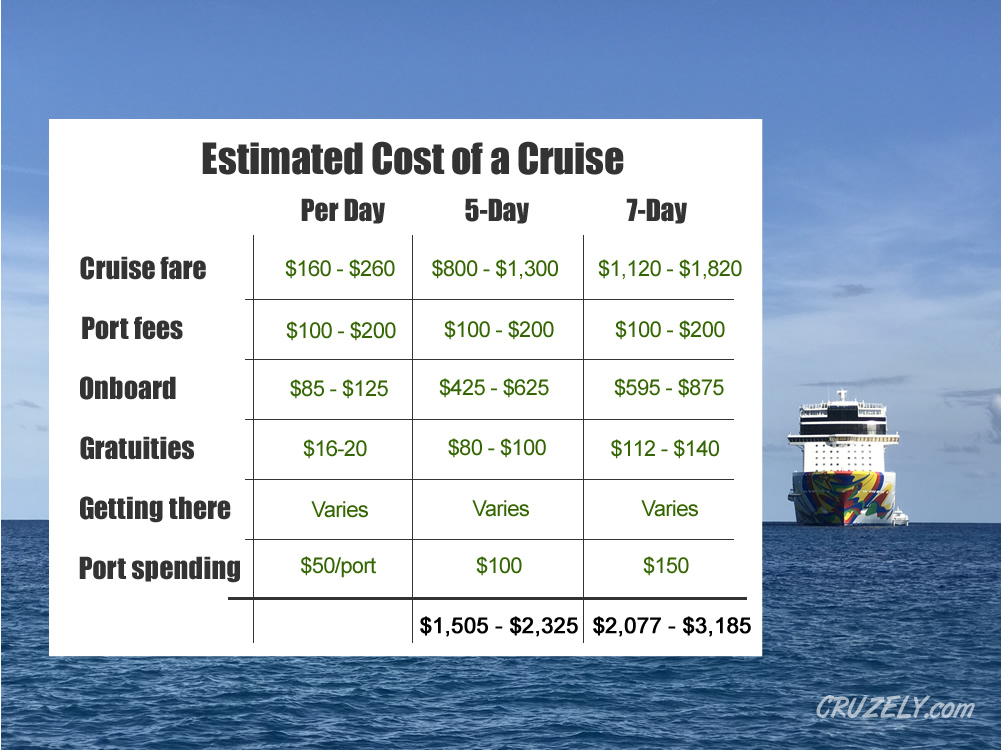
From the initial blueprints to the moment a ship welcomes its first passengers, and throughout its decades of service, the financial outlays are monumental. This article delves into the myriad costs associated with these floating resorts, offering an insightful look into the financial architecture of an industry that continues to navigate both economic waves and market currents.
The Astonishing Price Tag of a New Cruise Ship
The initial acquisition cost of a brand-new cruise ship is arguably the most eye-watering figure in its financial lifecycle. Unlike buying a car or even a private jet, purchasing a cruise ship involves sums that only governments or multinational corporations typically handle. The price of a new vessel can range from hundreds of millions to well over a billion U.S. dollars, depending on its size, luxury level, and technological sophistication.
Factors Driving the Base Construction Cost
Several intertwined factors contribute to the colossal construction costs, each adding layers of complexity and expense to the shipbuilding process.
Ship Size and Passenger Capacity
The most immediate determinant of cost is sheer size. Larger ships, capable of accommodating thousands of passengers and crew, naturally require more materials, more complex engineering, and longer construction times. A mega-ship like Royal Caribbean’s Oasis-class vessels, for instance, can carry over 6,000 passengers and push the price tag well beyond the $1 billion mark. These larger ships aim for economies of scale, justifying their immense upfront cost through higher passenger volume and greater revenue potential. Conversely, smaller, more intimate luxury ships or expedition vessels, while perhaps less in total size, often have higher per-passenger construction costs due to specialized features and higher-end finishes.
Luxury vs. Mainstream Offerings
The level of luxury and sophistication embedded in a ship’s design significantly impacts its cost. Mainstream cruise lines focus on offering a wide range of activities and dining options to appeal to a broad demographic, balancing quality with scalability. Luxury lines, however, invest heavily in premium materials, bespoke interiors, private amenities, and a higher crew-to-guest ratio, driving up both construction and operational expenses. Features like marble bathrooms, designer furnishings, Michelin-star quality kitchens, and exclusive lounge areas all add to the bottom line during construction.
Advanced Technology and Propulsion Systems
Modern cruise ships are marvels of engineering, incorporating cutting-edge technology for navigation, guest services, and, critically, propulsion. The drive towards environmental sustainability has seen significant investment in alternative fuel systems, such as Liquefied Natural Gas (LNG), hybrid propulsion, and advanced exhaust gas cleaning systems (scrubbers). While these technologies promise long-term operational savings and compliance with stricter environmental regulations, their initial installation cost is substantial. Sophisticated stabilization systems, dynamic positioning, complex wastewater treatment plants, and advanced IT infrastructure for connectivity and ship management also represent significant capital expenditures.
Design and Amenities
Today’s cruise ships are not just modes of transport; they are floating entertainment complexes. The inclusion of elaborate amenities like multi-deck water parks, Broadway-style theaters, ice-skating rinks, go-kart tracks, virtual reality experiences, and specialty restaurants, each with its own bespoke design and equipment, adds enormously to the construction budget. Each new feature requires careful integration into the ship’s structure, often demanding custom solutions and specialized contractors. The interior design alone, encompassing thousands of cabins, dozens of public spaces, and intricate décor, represents a significant financial commitment.
Safety and Regulatory Compliance
The maritime industry is one of the most heavily regulated in the world, particularly concerning safety and environmental protection. Compliance with international maritime conventions (like SOLAS for safety and MARPOL for pollution prevention) and national regulations is non-negotiable. Designing and building a ship to meet these stringent standards, which often involves specialized fire suppression systems, robust structural integrity, advanced navigation and communication equipment, and robust life-saving appliances, adds considerably to the overall cost. Every new regulation can translate into new design requirements and increased material or labor costs.
The Role of Shipyards and Global Competition
The construction of cruise ships is a highly specialized endeavor, with only a handful of shipyards globally possessing the necessary infrastructure, expertise, and workforce. Major European shipyards, primarily in Italy (Fincantieri), Germany (Meyer Werft), and France (Chantiers de l’Atlantique), dominate the market. The limited number of facilities capable of building these complex vessels means cruise lines often face long waiting lists and relatively fixed pricing structures, given the specialized nature of the work. The economic impact on the local economies where these shipyards operate is immense, providing thousands of high-skilled jobs and supporting a vast supply chain.
Operational Expenses: The Ongoing Financial Sink
Once a cruise ship is built and launched, its financial demands do not cease. In fact, the day-to-day operational costs are an ongoing, formidable expense that cruise lines meticulously manage. These costs determine a cruise line’s profitability and influence ticket pricing.
Fuel and Energy Consumption
Fuel is typically the single largest operational expense for a cruise ship. These massive vessels consume vast quantities of marine fuel (bunker fuel, marine gas oil, or LNG) to power their engines, generators, and hotel services (lighting, air conditioning, galleys, etc.).
Bunker Fuel Costs
The price of bunker fuel is subject to global oil market volatility, geopolitics, and supply chain disruptions. A single large cruise ship can burn hundreds of tons of fuel per day, meaning even small fluctuations in fuel prices can have a massive impact on a cruise line’s quarterly earnings. Strategies like slow steaming, optimized routing, and hedging fuel prices are critical financial management tools.
Shifting to LNG and Alternative Fuels
The industry’s move towards LNG and other cleaner fuels, while expensive in terms of initial capital investment, aims to mitigate long-term fuel costs and reduce environmental impact. However, the infrastructure for bunkering LNG is still developing, and the price of LNG can also fluctuate, presenting new financial considerations.
Crew Salaries and Welfare
A modern cruise ship operates with a diverse, international crew numbering anywhere from 500 to over 2,500 individuals. This workforce includes deck officers, engineers, culinary staff, entertainers, housekeepers, medical personnel, and guest services representatives.
Global Workforce
Crew salaries, wages, and benefits represent another significant operational cost. While many crew members come from countries where wages are lower than in Western nations, the sheer number of personnel, combined with the need for specialized skills, training, and round-the-clock availability, accumulates quickly.
Training, Accommodation, and Benefits
Beyond salaries, cruise lines bear the costs of recruiting, extensive training, uniforms, accommodation (cabins, mess halls), medical care, and travel for their global crew. Maintaining high crew morale and retention is also crucial, leading to investments in crew welfare programs and facilities.
Food, Beverages, and Provisions
Feeding thousands of passengers and crew multiple meals a day, along with supplying beverages, alcohol, and other provisions, is a monumental logistical and financial undertaking.
Supply Chain Logistics
Cruise lines manage complex global supply chains to source fresh produce, meat, dairy, and specialty items from various ports of call or central distribution hubs. The cost of food and beverages is highly dependent on global commodity prices, shipping costs, and efficient inventory management. Waste reduction strategies are also paramount to financial efficiency.
Waste Management and Recycling
Disposing of the enormous volume of waste generated on a cruise ship—from food waste to plastics, glass, and paper—in an environmentally responsible and compliant manner adds significantly to operational costs. Investment in advanced onboard waste processing facilities is common.
Maintenance, Repairs, and Dry-Docking
Like any complex machinery operating in a harsh environment, cruise ships require continuous maintenance, periodic inspections, and major overhauls.
Regular Upkeep vs. Major Refits
Routine maintenance includes engine checks, minor repairs, painting, and general upkeep. However, every few years (typically every 2-5 years), a ship undergoes a mandatory dry-docking period. During this time, the ship is taken out of the water for extensive inspections, hull cleaning and repainting, major engine overhauls, regulatory compliance checks, and often significant cosmetic refurbishments or additions of new amenities. These dry-dock periods can last weeks and cost tens of millions of dollars, representing a significant planned expenditure.
Classification Societies and Inspections
Cruise ships are subject to regular inspections by classification societies (e.g., Lloyd’s Register, DNV, RINA) to ensure they meet stringent safety and structural integrity standards. The fees associated with these inspections and surveys, along with any necessary repairs identified, contribute to operational costs.
Port Fees, Taxes, and Regulatory Compliance
Every time a cruise ship docks in a port, it incurs a variety of charges.
Port of Call Charges
These include pilotage fees, tugboat services, docking fees, garbage disposal fees, and passenger taxes imposed by local authorities. These charges vary significantly by port and can add up to hundreds of thousands of dollars per itinerary, making efficient itinerary planning a crucial financial strategy.
Environmental Regulations
Beyond port fees, cruise lines face a growing number of environmental regulations, such as emissions caps in specific areas (Emission Control Areas – ECAs) or wastewater discharge rules. Compliance often requires investment in expensive abatement technology and strict operational protocols, incurring ongoing costs and potential fines for non-compliance.
Financing the Giants: Billions in Investment
Given the multi-billion-dollar price tags and the ongoing operational expenses, financing cruise ships is a complex financial endeavor that involves significant capital mobilization.
Debt Financing and Equity
Most cruise lines utilize a combination of debt and equity to finance new ship builds.
Bank Loans and Syndicates
For a single ship costing over a billion dollars, no single bank typically lends the entire amount. Instead, cruise lines secure financing from syndicates of international banks, often with export credit agency backing from the ship-building nation (e.g., German, Italian, or French export credit agencies). These loans are usually long-term, often stretching over 10-12 years, and come with specific covenants and interest rates.
Public Offerings and Shareholder Investments
Publicly traded cruise lines, like Carnival Corporation, Royal Caribbean Group, and Norwegian Cruise Line Holdings, also raise capital through issuing new shares (equity) or corporate bonds to investors. This equity capital provides a financial cushion and reduces reliance solely on debt. Investors evaluate the cruise line’s financial health, future prospects, and ability to generate sufficient returns to justify the colossal investment in new tonnage.
Impact on Cruise Line Balance Sheets
The financing of cruise ships has a profound impact on a cruise line’s balance sheet and overall financial health.
Asset Management and Depreciation
Each new ship represents a massive fixed asset on the company’s balance sheet. These assets are depreciated over their expected useful life (typically 30-40 years), which impacts reported earnings. Managing a fleet of dozens of ships requires sophisticated asset management strategies.
Revenue Generation and Profit Margins
The ultimate goal of these colossal investments is to generate substantial revenue and profit. Cruise lines rely on ticket sales, onboard spending (ancillary revenue from specialty dining, excursions, retail, casinos, spa services), and efficient cost management to achieve profitability. The capital-intensive nature of the industry means high debt loads are common, requiring strong cash flow generation to service debt and fund future growth.
Beyond the Purchase Price: The Economic Ecosystem of a Cruise Ship
A cruise ship is not just a company asset; it’s a floating economic engine, generating significant direct and indirect economic activity far beyond the cruise line’s own balance sheet.
Direct and Indirect Economic Contributions
The presence and operation of cruise ships ripple through various sectors of the global economy.
Job Creation
Beyond the thousands of crew members, cruise ships create numerous shoreside jobs in reservations, marketing, administration, ship design, manufacturing (furniture, engines, electronics), food supply, port operations, and tourism services in destination ports. The indirect job creation in related industries is vast.
Tourism Revenue for Destinations
When a cruise ship docks, it brings thousands of tourists who spend money on excursions, local goods, food, and transportation, injecting crucial revenue into local economies, particularly in developing island nations and popular tourist destinations.
The Return on Investment for Cruise Lines
For cruise lines, the colossal investment in a ship must yield a significant return.
Passenger Yields and Occupancy Rates
Key financial metrics for cruise lines include passenger yield (revenue per passenger per day) and occupancy rates. Maximizing these figures through competitive pricing, effective marketing, and desirable itineraries is essential for generating the cash flow needed to cover costs and pay off debt.
Ancillary Revenue
A growing portion of a cruise line’s revenue comes from onboard spending. From specialty restaurants and alcoholic beverages to spa treatments, casino gambling, retail purchases, and shore excursions, these ancillary revenues often have higher profit margins than the base cruise fare and are critical to overall profitability.
Depreciation and Resale Value
Like any asset, cruise ships depreciate over time. However, their long service life means they can retain considerable value for decades.
Life Cycle of a Cruise Ship
A well-maintained cruise ship can remain in service for 30-40 years, often undergoing multiple refurbishments and modernizations. As they age, their market value decreases, but they can still be a viable asset.
Secondary Market for Older Vessels
There is a secondary market for older cruise ships. Often, these vessels are acquired by smaller, regional cruise lines, startup companies, or even converted for other purposes (e.g., offshore accommodation, hospital ships). They can be refurbished and given a new lease on life, offering a more budget-friendly entry point into the cruise market for new operators.

Conclusion: A Floating Financial Marvel
The question “how much do cruise ships cost” unravels a complex tapestry of colossal capital expenditure, intricate operational finance, and sophisticated investment strategies. From the multi-billion-dollar price tag of new builds driven by size, luxury, and technology, to the relentless operational demands of fuel, crew, provisions, and maintenance, these vessels are financial marvels in every sense. The financing mechanisms, involving global banking syndicates and public market investments, underscore the immense scale of capital required to participate in this industry. Ultimately, each cruise ship represents not just a vacation experience, but a dynamic, floating economic ecosystem, generating substantial revenue, employment, and economic activity across the globe, all while constantly navigating the ebbs and flows of the financial tides.
aViewFromTheCave is a participant in the Amazon Services LLC Associates Program, an affiliate advertising program designed to provide a means for sites to earn advertising fees by advertising and linking to Amazon.com. Amazon, the Amazon logo, AmazonSupply, and the AmazonSupply logo are trademarks of Amazon.com, Inc. or its affiliates. As an Amazon Associate we earn affiliate commissions from qualifying purchases.