
The question “what is melatonin made of?” might seem straightforward, implying a simple chemical breakdown. However, in the dynamic and often complex world of health supplements, this inquiry transcends mere scientific curiosity. For brands operating in this space, the answer to what their melatonin is “made of” is inextricably linked to their core identity, their promise of quality, and their ability to forge lasting trust with consumers. In an industry scrutinized for purity, potency, and transparency, understanding the composition of melatonin—from its raw ingredients to its final formulation—becomes a critical pillar of brand strategy and differentiation.
The Core Composition: From Endogenous Hormone to Commercial Product
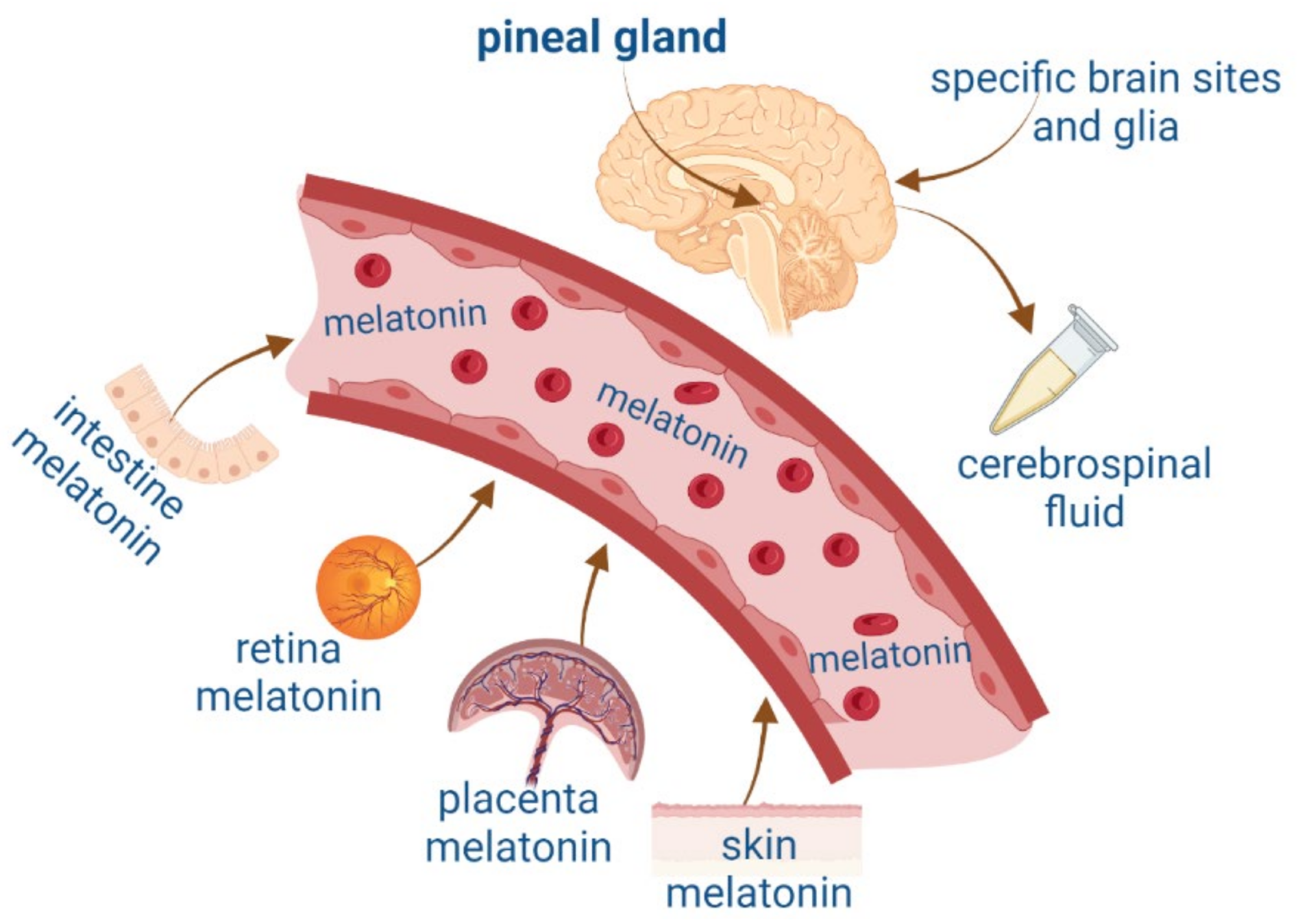
Melatonin is a naturally occurring hormone, primarily synthesized in the pineal gland of the human brain, playing a crucial role in regulating sleep-wake cycles. Its popularity as an over-the-counter sleep aid has led to a booming supplement market. For brands, the journey from this endogenous hormone to a marketable product involves key decisions about sourcing and synthesis that profoundly impact their brand narrative and product positioning.
Natural Synthesis vs. Commercial Production
Naturally, melatonin is synthesized in the body from the amino acid tryptophan. This intricate biological process, while vital for human health, is not scalable for commercial supplement production. Consequently, the vast majority of melatonin supplements available today are either synthetically derived or, historically, sourced from animal glands.
-
Synthetic Production: The predominant method involves chemical synthesis. This process typically starts with precursor chemicals, often derived from petrochemicals, which undergo a series of controlled chemical reactions to yield melatonin. Brands that opt for synthetic melatonin often highlight its purity, consistency, and the fact that it is not animal-derived, making it suitable for vegetarians and vegans. This appeals to a broad consumer base seeking “clean” and consistent ingredients.
-
Animal-Derived Melatonin (Historical/Niche): In earlier days, melatonin was extracted from the pineal glands of animals, primarily cows (bovine). However, concerns regarding potential viral contamination (e.g., Bovine Spongiform Encephalopathy or “mad cow disease”) and ethical considerations have rendered this method largely obsolete in mainstream production. A brand choosing this rare route today would face significant scrutiny and would need to build an extremely robust brand story around its “natural” yet ethically sourced animal-derived melatonin, a challenging feat in the modern market.
A brand’s choice between synthetic and natural (albeit rare for melatonin) production methods forms a foundational element of its brand identity. A brand emphasizing a “scientific” or “pharmaceutical-grade” image might lean into synthetic purity, while one aiming for a “natural” or “holistic” appeal might focus on plant-based alternatives (like certain botanicals that support melatonin production, though not actual melatonin) or meticulously sourced rare animal-derived options, if any, underscoring significant differences in target audience and marketing approach.
Key Raw Materials and Purity Concerns
Regardless of the primary production method, the quality and purity of the initial raw materials are paramount. For synthetic melatonin, the specific precursor chemicals used and the stringency of the synthesis process directly determine the final product’s quality. Impurities in raw materials or contaminants introduced during synthesis can compromise the melatonin’s efficacy and safety.
-
For Synthetic Melatonin: Brands must ensure their manufacturers use high-grade chemical precursors and employ rigorous quality control measures throughout the multi-step synthesis process. This meticulous attention to detail is not just about product integrity; it’s a cornerstone of brand trust. A brand’s commitment to sourcing only the purest raw materials, often validated through third-party testing, becomes a powerful marketing tool, reassuring consumers worried about adulterated or ineffective supplements.
-
Purity Validation: Brands invest significantly in testing for heavy metals, microbial contaminants, residual solvents, and other unwanted byproducts. This commitment to purity validation, often advertised through seals and certifications (e.g., USP verified, NSF certified), forms a crucial part of their brand’s quality assurance messaging. In a market where trust is hard-won and easily lost, demonstrating an unwavering dedication to ingredient purity is non-negotiable for long-term brand viability.
Beyond the Molecule: Adjuvants, Fillers, and Delivery Systems
While the melatonin molecule itself is central, a finished supplement is rarely just the active ingredient. The “what is it made of” question extends to the array of additional substances—excipients, fillers, binders, and coatings—that comprise the final product. These seemingly ancillary ingredients play a significant role in a product’s stability, bioavailability, shelf life, and, crucially, its brand appeal.
The “Other Ingredients” on the Label
Consumers are increasingly scrutinizing supplement labels, looking beyond the active ingredient to the “other ingredients” list. These often include:
-
Fillers: Such as microcrystalline cellulose or dicalcium phosphate, used to give tablets or capsules bulk.
-
Binders: Like magnesium stearate, to hold ingredients together.
-
Disintegrants: To help the tablet break down in the digestive tract.
-
Coatings: To aid in swallowing, protect the active ingredient, or provide a sustained release.
For many health-conscious consumers, a long list of unfamiliar “other ingredients” can be a red flag. Brands that champion a “clean label” strategy differentiate themselves by minimizing unnecessary additives, opting for natural alternatives, or using excipients in the smallest effective quantities. This commitment to simplicity and transparency resonates deeply with a demographic seeking products free from artificial colors, flavors, or obscure chemicals, thereby enhancing their brand’s image of naturalness and integrity.
Formulations and Bioavailability as Brand Differentiators
The physical form and delivery mechanism of melatonin also fall under “what it’s made of” in a broader sense, as they are integral components of the final product and key brand differentiators. Melatonin supplements come in various formulations, each designed to meet specific consumer needs and offer unique benefits.
-
Tablets and Capsules: The most common forms.
-
Gummies: Popular for their palatability and ease of consumption, especially for those who dislike swallowing pills. Brands producing gummies often emphasize flavor profiles and a pleasant user experience.
-
Liquids/Sprays: Offer faster absorption and adjustable dosing.
-
Sustained-Release Formulations: Designed to release melatonin gradually over several hours, mimicking the body’s natural melatonin release cycle and aiming for longer-lasting sleep.
-
Fast-Dissolve/Sublingual: Intended for rapid onset of action.
A brand’s choice of formulation is a strategic decision that directly targets specific segments of the market. For instance, a brand specializing in “sleep maintenance” might prominently feature its sustained-release melatonin, while a brand for “travelers” might offer fast-acting or convenient gummy forms. This focus on innovative delivery systems and tailored bioavailability allows brands to carve out niche markets, communicate unique benefits, and reinforce their specialized expertise, moving beyond generic “melatonin” to a branded “sleep solution.”
The “Made Of” Narrative: Branding Purity, Potency, and Promise
In a market saturated with options, a brand’s ability to articulate “what its melatonin is made of” in a compelling and trustworthy manner is paramount. This narrative extends beyond the literal ingredients to encompass manufacturing standards, ethical sourcing, and overall brand promise.
Communicating Sourcing and Manufacturing Standards
Consumers are increasingly sophisticated, demanding proof behind purity claims. This has elevated the importance of certifications and third-party testing in brand communication.
-
Certifications: Brands leverage certifications like Good Manufacturing Practices (GMP), Non-GMO Project Verified, organic certifications, and seals from independent testing organizations (e.g., USP, NSF, ConsumerLab.com). These aren’t merely badges; they are verifiable commitments to quality control, ingredient traceability, and product consistency.
-
Transparency: A brand that proudly displays its adherence to stringent manufacturing standards and third-party validation effectively builds a reputation for reliability. This transparency becomes a critical component of its brand equity, assuring consumers that “what it’s made of” is consistently of high quality and safety. By openly sharing lab results or process details, brands foster a deeper level of trust, distinguishing themselves from less scrupulous competitors.
Transparency and Traceability: Cornerstones of Modern Supplement Branding
Modern consumers want to know the complete journey of their supplements, from raw material to final product. This demand for traceability shapes brand strategy significantly.
-
From Farm to Bottle (or Lab to Bottle): Brands that can articulate the origin of their raw materials, the conditions under which they are processed, and the specific quality checks performed at each stage gain a significant advantage. For synthetic melatonin, this means detailing the purity of precursor chemicals and the precision of the synthesis environment.
-
Building Loyalty: In an era of skepticism, brands that embrace radical transparency—offering lot numbers for consumers to check third-party lab results online, for example—build stronger loyalty. This open-book approach communicates integrity and confidence in “what it’s made of,” transforming a commodity ingredient into a premium, trusted product. Traceability isn’t just an operational requirement; it’s a powerful storytelling tool that reinforces the brand’s commitment to quality at every level.
Navigating Regulatory Environments and Brand Responsibility
The supplement industry operates within a complex and often debated regulatory landscape. A brand’s understanding and adherence to these regulations concerning “what it’s made of” are not just legal obligations but fundamental aspects of responsible branding.
The Role of Regulations in Defining “What It’s Made Of”
Regulatory bodies like the FDA in the United States or EFSA in Europe establish guidelines for supplement manufacturing, labeling, and ingredient safety. While these regulations might not always be as stringent as those for pharmaceuticals, they set minimum standards that brands must meet.
-
Compliance as a Brand Differentiator: For conscientious brands, compliance isn’t just about avoiding penalties; it’s about upholding a standard of excellence. Brands that proactively exceed minimum regulatory requirements, perhaps by voluntarily submitting to additional testing or adhering to stricter sourcing protocols, position themselves as leaders in quality and safety. This proactive approach strengthens their brand’s reputation for responsibility and consumer protection.
-
Ethical Labeling: Regulations often dictate how ingredients must be listed and what claims can be made. Brands must ensure their labels accurately reflect “what it’s made of” without misleading consumers. Ethical labeling, free from ambiguous language or unsubstantiated claims, is a hallmark of a trustworthy brand and fosters long-term consumer confidence.
Ethical Sourcing and Sustainability as Brand Values
Beyond chemical composition and regulatory compliance, the “what it’s made of” narrative is increasingly encompassing broader ethical and environmental considerations.
-
Ethical Sourcing: For brands that might source niche “natural” ingredients (though less applicable to melatonin directly, it sets a precedent for their broader product lines), ethical labor practices and fair trade are crucial. For synthetic melatonin, this might extend to the ethical procurement of precursor chemicals.
-
Sustainability: Brands committed to environmental stewardship consider the carbon footprint of their manufacturing processes, their packaging, and the sustainable practices of their suppliers. For instance, using recyclable packaging or minimizing waste during synthesis and formulation processes contribute to a brand’s sustainability narrative.
Integrating ethical sourcing and sustainability into the “what it’s made of” story appeals to a growing segment of environmentally and socially conscious consumers. These values-driven brands build a powerful connection with their audience, positioning themselves not just as providers of health solutions but as responsible corporate citizens. This holistic approach to composition—considering not just the molecule but its entire lifecycle and impact—is becoming a non-negotiable aspect of modern, successful branding in the health and wellness sector.

Conclusion
The question “what is melatonin made of?” serves as a powerful lens through which to examine the intricate relationship between product composition, brand identity, and consumer trust in the competitive supplement market. It moves beyond a simple scientific inquiry to encompass critical decisions about sourcing, manufacturing, formulation, and communication. For brands, every ingredient choice, every certification pursued, and every label detail presented contributes to a larger narrative about quality, purity, and integrity. In an era where consumers demand unprecedented transparency and accountability, brands that meticulously deconstruct and proudly communicate “what their melatonin is made of” are not just selling a product; they are building a foundation of trust that is essential for enduring success in the dynamic landscape of health and wellness.
aViewFromTheCave is a participant in the Amazon Services LLC Associates Program, an affiliate advertising program designed to provide a means for sites to earn advertising fees by advertising and linking to Amazon.com. Amazon, the Amazon logo, AmazonSupply, and the AmazonSupply logo are trademarks of Amazon.com, Inc. or its affiliates. As an Amazon Associate we earn affiliate commissions from qualifying purchases.