
Skydiving, at its core, is the act of exiting an aircraft at altitude and descending to earth with the aid of gravity, controlled by the use of a parachute. For many, it represents the ultimate thrill, a profound encounter with freedom and fear, a moment where the world tilts on its axis. But beneath the exhilarating rush of freefall and the gentle canopy ride lies a complex financial ecosystem. Understanding “what is skydiving” from a monetary perspective reveals not just the costs incurred by participants, but also the significant business operations, investment opportunities, and potential for income generation that define this adrenaline-fueled industry. This article delves into the financial facets of skydiving, exploring it as an investment in experience, a thriving business, and a source of diverse income streams.
The Financial Gateway to the Skies: Initial Costs and Investments
Embarking on a skydiving journey is, for most, an expenditure. It’s an investment in an experience, a memory, and often, the first step towards a new passion. Understanding these initial financial commitments is crucial for anyone considering taking the leap.
Tandem Jumps: The Price of a First Thrill
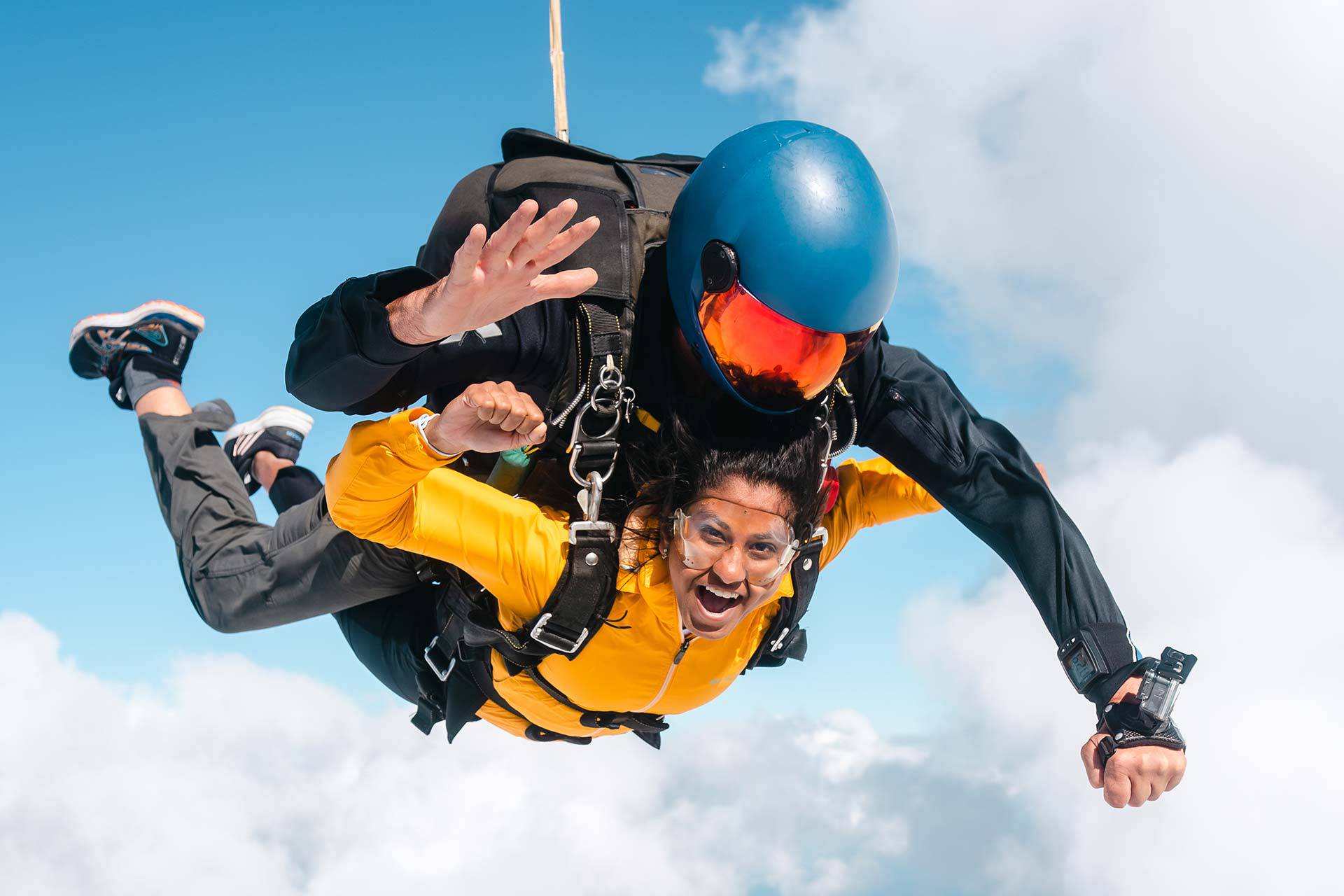
The vast majority of first-time skydivers opt for a tandem jump, where they are securely harnessed to a highly experienced instructor. This format minimizes training time and maximizes safety, making it the most accessible entry point. The cost of a tandem jump typically ranges from $200 to $350 USD, varying significantly by location, dropzone reputation, and inclusion of extras like photo and video packages. While these packages can add another $75 to $150, many consider them a worthwhile investment to capture and relive such a monumental experience. Deals and discounts can sometimes be found, especially during off-peak seasons or through group bookings, but budget-conscious thrill-seekers should always prioritize safety and instructor experience over the cheapest price point.
Budgeting for Your First Experience
Beyond the jump itself, potential ancillary costs should be factored into your budget. Transportation to the dropzone, often located outside major metropolitan areas, fuel, and perhaps even accommodation if traveling a significant distance, can add up. Some dropzones may also have small facility fees or offer optional merchandise. Smart budgeting involves researching these potential additional costs beforehand to ensure a seamless and financially stress-free first jump experience. For many, this initial outlay represents an investment in personal growth, overcoming fear, and creating an unforgettable memory, rather than a mere recreational expense.
Beyond the First Jump: The Economics of Becoming a Skydiver
For those bitten by the skydiving bug, the journey extends far beyond a single tandem jump. Becoming a licensed skydiver involves a more substantial financial commitment, transforming a one-off adventure into a regular pursuit.
Getting Licensed: Course Fees and Training Expenses
To jump independently, individuals must complete a comprehensive training program, most commonly the Accelerated Freefall (AFF) course. This program typically involves 7-10 coached jumps, ground school instruction, and equipment rental. The total cost for an AFF course, including all necessary jumps and coaching, can range from $1,500 to $2,500 USD. This fee covers instructor time, parachute rentals for each jump, packing services, and sometimes even a logbook and initial gear inspection. Post-AFF, additional coached jumps and progression jumps are required to reach the A-license status, which grants the ability to jump unsupervised with other licensed skydivers. Each of these jumps, plus gear rental, adds to the overall cost, typically bringing the total investment for an A-license to approximately $3,000 to $5,000 USD or more, depending on the individual’s learning curve and dropzone pricing.
The Gear Investment: Parachutes, Suits, and Safety Tech
While rentals are available, dedicated skydivers quickly realize that owning their own gear is both more economical in the long run and safer, as it’s perfectly fitted and familiar. A full skydiving rig – comprising a main parachute, a reserve parachute, a container, and an automatic activation device (AAD) – is the most significant capital expenditure. A new, complete rig can cost anywhere from $6,000 to $12,000 USD, with custom options and advanced technology pushing prices higher. Used gear, if inspected by a certified rigger, can offer significant savings, often starting from $3,000-$6,000. Beyond the rig, skydivers also invest in specialized jumpsuits ($200-$800), altimeters ($150-$500), helmets ($100-$800), and other personal safety equipment. This substantial investment underscores the long-term financial commitment involved in skydiving as a hobby.
Ongoing Costs: Jump Tickets, Repacks, and Maintenance
Once licensed and geared up, the recurring costs of skydiving revolve primarily around jump tickets. Each individual jump ticket typically costs $25 to $35 USD, varying by altitude and dropzone. Active skydivers might make dozens or even hundreds of jumps a year, quickly accumulating thousands of dollars in jump ticket expenses. Furthermore, reserve parachutes must be inspected and repacked by a certified rigger every 180 days, costing around $60-$100 per repack. General maintenance, repairs, and eventual replacement of gear components (like linesets or even entire canopies) are also part of the financial lifecycle of a skydiver. These ongoing expenses require a dedicated financial plan or budget to sustain the hobby over time.
Skydiving as a Business: From Dropzone Operations to Professional Careers
Beyond the individual participant, skydiving is a robust industry with significant business operations and diverse professional career paths. The financial model supporting this extreme sport is multi-faceted and capital-intensive.
Establishing a Dropzone: A Capital-Intensive Venture
Operating a skydiving dropzone (DZO) is a complex business that requires substantial initial investment and continuous financial management. Key expenditures include the purchase and maintenance of aircraft (turbine aircraft can cost millions, piston planes hundreds of thousands), hangar facilities, packing areas, student training rooms, and often a restaurant or pro-shop. Licensing, insurance (a major ongoing cost), payroll for pilots, instructors, riggers, manifest staff, and ground crew represent significant operational overheads. Revenue is generated through tandem jumps, student training programs, jump ticket sales for licensed skydivers, and gear sales/rentals. A successful dropzone is not merely an adrenaline factory but a finely tuned business, managing cash flow, marketing, and safety regulations with utmost precision.

Instructor, Rigger, Videographer: Career Paths and Earnings
For those who turn their passion into a profession, skydiving offers several specialized career paths.
-
Skydiving Instructors: Tandem instructors, AFF instructors, and coach ratings require extensive experience and additional training, often costing several thousand dollars to achieve. Instructors earn per jump or per student, with annual incomes varying widely based on dropzone volume, season, and the instructor’s reputation, potentially ranging from $20,000 to $70,000+ USD for full-time positions.
-
Parachute Riggers: Certified riggers inspect, pack, and repair parachutes. This highly specialized skill is essential for safety and commands respectable fees for their services, with full-time riggers earning a steady income, particularly at busy dropzones or gear manufacturing facilities.
-
Skydiving Videographers/Photographers: Capturing the experience is a significant revenue stream. Professional freefall videographers are skilled skydivers who specialize in aerial cinematography. They are typically paid per jump, often earning a substantial portion of the photo/video package price, making it a lucrative side hustle or full-time career for those with exceptional flying and camera skills.
-
Pilots, Manifestors, and Ground Crew: These roles are vital to dropzone operations and offer more traditional employment opportunities within the industry, with standard salaries and benefits.
The Event Economy: Competitions, Festivals, and Sponsorships
The skydiving industry also benefits from an active event economy. Major competitions (e.g., USPA Nationals, World Championships) draw participants and spectators, generating revenue through entry fees, merchandise sales, and local tourism. Skydiving boogies and festivals are social events that attract hundreds of skydivers, boosting jump ticket sales and creating opportunities for vendors. Sponsorships from gear manufacturers, energy drink companies, and other brands also play a role, funding professional teams, events, and individual athletes, further illustrating the diverse financial landscape of the sport.
Turning Passion into Profit: Side Hustles and Online Income in Skydiving
Beyond formal employment, the skydiving world presents unique avenues for individuals to leverage their passion and skills into supplementary income or even primary revenue streams, aligning with modern concepts of online income and side hustles.
Content Creation: Vlogging, Photography, and Social Media
The visually spectacular nature of skydiving makes it prime content for social media and online platforms. Skydivers with exceptional freefall skills and an engaging personality can build substantial followings on platforms like YouTube, Instagram, and TikTok. Monetization comes through ad revenue, brand sponsorships for gear or lifestyle products, affiliate marketing, and direct fan support. Professional aerial photographers and videographers can also market their services directly to individual skydivers, groups, and even corporations for advertising campaigns, offering a high-value side hustle that leverages specialized skills and equipment.
Gear Sales and Customization
The constant evolution of skydiving gear and the high demand for specialized equipment create opportunities for entrepreneurs. This can range from designing and selling custom jumpsuits and accessories to acting as a dealer for major manufacturers. E-commerce platforms facilitate reaching a global audience. Knowledgeable skydivers can also offer consulting services on gear selection, fitting, and maintenance, providing a valuable service for new and experienced jumpers alike.
Coaching and Consulting
Experienced skydivers, particularly those with advanced ratings, can offer coaching services to licensed jumpers looking to improve specific skills (e.g., relative work, freeflying, canopy piloting). This can be a lucrative side hustle, charging hourly or daily rates for personalized instruction. Furthermore, veterans of the sport might transition into consulting for new dropzone setups, safety protocols, or event management, leveraging their deep industry knowledge for professional fees.
Financial Wisdom for Skydiving Enthusiasts
Engaging in skydiving, whether as a casual hobbyist or an aspiring professional, requires sound financial planning. It’s an expensive pursuit, but with careful management, it can be a sustainable and immensely rewarding one.
Smart Saving Strategies for Your Skydiving Journey
To manage the significant costs of skydiving, proactive financial strategies are essential. Setting up a dedicated skydiving savings fund, prioritizing budgeting for jump tickets and gear, and taking advantage of off-season package deals can make the sport more affordable. Some skydivers employ “money-saving” techniques like packing their own parachute (after certification) or carpooling to the dropzone. Considering the purchase of quality used gear, carefully inspected by a certified rigger, can also represent substantial savings compared to buying new.
Insurance Considerations: Protecting Your Investment and Yourself
While skydiving insurance is not typically mandatory for participants in the same way car insurance is, it’s a critical financial consideration. Standard health and life insurance policies often exclude “extreme sports,” making specialized skydiving insurance a wise investment. This can cover medical expenses for injuries, accidental death, and even equipment damage. For dropzone owners and instructors, comprehensive liability insurance is non-negotiable, protecting against the substantial financial risks inherent in operating an adventure sports business. Understanding these insurance nuances is paramount for both personal financial security and the longevity of skydiving businesses.
The Value Proposition: Is Skydiving a Worthwhile Financial Commitment?
Ultimately, the question of “what is skydiving” from a financial standpoint leads to a broader question of value. For participants, the financial outlay is balanced against the profound personal rewards: the thrill, the community, the confidence gained from conquering fear, and the unique perspective on life. For business owners and professionals, the financial risks and significant investments are offset by the passion for the sport, the satisfaction of providing unforgettable experiences, and the potential for a profitable enterprise. Skydiving is more than just a jump; it’s a financial journey, a calculated risk, and for many, an invaluable investment in a life less ordinary.
aViewFromTheCave is a participant in the Amazon Services LLC Associates Program, an affiliate advertising program designed to provide a means for sites to earn advertising fees by advertising and linking to Amazon.com. Amazon, the Amazon logo, AmazonSupply, and the AmazonSupply logo are trademarks of Amazon.com, Inc. or its affiliates. As an Amazon Associate we earn affiliate commissions from qualifying purchases.