
Matte paint, at its core, is a finish characterized by its low sheen or complete lack of reflectivity, presenting a flat, non-glossy appearance. Unlike its high-gloss counterparts, which reflect light to create a shiny, mirror-like surface, matte paint absorbs or diffuses light, resulting in a muted, sophisticated, and often luxurious aesthetic. From a technical standpoint, the distinction lies in the paint’s composition and the way pigments are arranged at a microscopic level. Gloss paints feature a smoother, more uniform surface at the molecular scale, allowing light to bounce off cleanly. Matte paints, conversely, incorporate additives that create a slightly uneven surface texture, scattering light rather than reflecting it directly. This fundamental difference in light interaction is precisely what grants matte finishes their unique visual impact, making them a powerful tool in brand strategy, product design, and corporate identity.

The Aesthetic Power of Matte: A Brand Statement
The choice of finish is rarely arbitrary in the world of branding and design; it is a deliberate decision aimed at communicating specific values and evoking particular emotions. Matte paint, in this context, serves as a potent aesthetic language, capable of conveying messages that high-gloss finishes simply cannot. Its non-reflective nature offers a distinct visual departure, allowing brands to sculpt perception and differentiate themselves in crowded markets.
Defining Matte: Beyond the Sheen
While the absence of shine is the most apparent characteristic, “matte” encompasses a spectrum of finishes, from ultra-flat to eggshell, each with varying degrees of reflectivity. However, the unifying principle is the deliberate reduction of specular reflection. This characteristic translates into a surface that feels substantial and absorbs light rather than fighting it. For brands, this means products or environments coated in matte paint possess a certain gravitas, an understated elegance that speaks volumes without shouting. It removes the distraction of glare, forcing the viewer to focus on the form, texture, and inherent quality of the object itself, thereby enhancing the perceived authenticity and craftsmanship behind the brand.
The Psychology of Finish: How Matte Communicates
The psychological impact of matte finishes is profound and often leveraged by brands to cultivate a specific brand personality. Glossy surfaces often evoke feelings of newness, cleanliness, futurism, and sometimes even luxury through opulence. Matte, however, taps into a different set of associations:
- Sophistication and Premium: Matte finishes are frequently associated with high-end products and luxury brands. This stems from their refined, often minimalist aesthetic, which eschews overt flashiness for an understated elegance. It suggests a brand that is confident and secure, needing no superficial shine to validate its quality.
- Modernity and Innovation: Many contemporary design trends lean towards clean lines and subdued palettes. Matte fits seamlessly into this aesthetic, signaling a forward-thinking, modern brand identity. It often suggests innovation not through flashy presentation, but through thoughtful design and user experience.
- Authenticity and Tactility: The non-reflective nature of matte can make objects appear more tactile, inviting touch and conveying a sense of genuine material rather than a mere coating. This fosters a connection between the consumer and the product, aligning with brands that emphasize authenticity, craftsmanship, and a tangible experience.
- Subtlety and Understatement: In an increasingly saturated visual landscape, matte offers a sense of calm and restraint. Brands that aim to be perceived as discreet, reliable, or environmentally conscious often find matte finishes align perfectly with their message of understated quality and responsible luxury.
Strategic Application of Matte in Branding and Design
The strategic deployment of matte paint across various brand touchpoints is a testament to its versatility and power as a design element. Brands meticulously choose finishes to reinforce their core message and differentiate their offerings.
Product Design: Elevating Perceived Value
From automotive exteriors to consumer electronics and luxury packaging, matte finishes are increasingly prevalent.
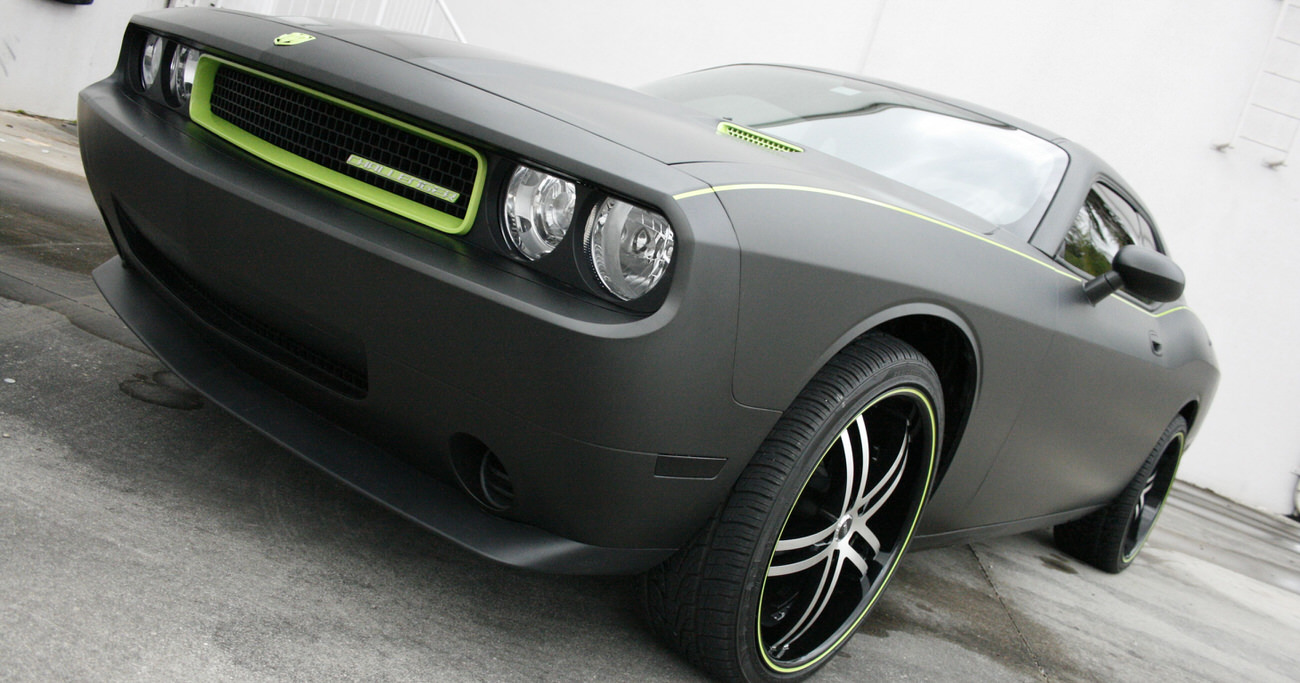
- Automotive Industry: Matte car paint, once exclusive to custom builds, has become a premium option offered by high-end manufacturers. It imbues vehicles with an aggressive, stealthy, or ultra-modern look, appealing to consumers seeking exclusivity and a distinctive road presence. This choice directly influences the brand’s perception as innovative, bold, and luxurious.
- Consumer Electronics: Laptops, smartphones, and gaming consoles often feature matte plastics or metallic finishes. This not only reduces fingerprint smudges and glare (a practical benefit) but also communicates a streamlined, professional, and sophisticated device. It subtly suggests cutting-edge technology wrapped in thoughtful, user-centric design.
- Packaging: Luxury goods, cosmetics, and premium food products frequently utilize matte packaging. A matte carton or bottle elevates the product, making it feel more substantial and exclusive. It signals quality and attention to detail, transforming the unboxing experience into a sensory ritual that reinforces the brand’s high-end positioning.
- Home Appliances and Furniture: Matte black or grey finishes on kitchen appliances or furniture pieces instantly upgrade their appearance, moving them from utilitarian to design statement. This helps brands target consumers who prioritize aesthetics and integration into modern living spaces.
Corporate Identity & Brand Spaces: Crafting an Atmosphere
Beyond products, matte finishes play a crucial role in shaping the physical manifestation of a brand’s identity within its environments.
- Retail Environments: Boutiques and flagship stores often employ matte walls, fixtures, or displays to create a sophisticated, gallery-like atmosphere. This allows the products to stand out without visual competition from reflective surfaces, enhancing their perceived value and drawing focus to their design. It creates an immersive, premium shopping experience.
- Office Interiors: Modern corporate spaces frequently use matte paint on walls, furniture, and architectural elements. This contributes to a calm, focused, and professional environment, reducing visual clutter and glare that could distract employees. It communicates a brand that values efficiency, clarity, and employee well-being.
- Exhibition Booths and Showrooms: At trade shows, where brands vie for attention, matte surfaces can create a sophisticated backdrop that helps products pop. Instead of reflecting the busy environment, a matte finish helps create a controlled visual zone, drawing visitors into the brand’s narrative.
Marketing & Visuals: Enhancing Brand Storytelling
The visual impact of matte extends into marketing collateral and digital presence.
- Photography and Advertising: Products with matte finishes photograph beautifully, often lending themselves to dramatic lighting that highlights their form and texture without harsh reflections. This allows brands to create compelling visuals that convey sophistication and quality in their campaigns.
- Website Design and UI/UX: The aesthetic principles of matte can be translated into digital design, using muted color palettes, flat design elements, and subtle textures to create a clean, modern, and user-friendly interface. This ensures a consistent brand experience across physical and digital touchpoints.
Advantages of Matte for Brand Differentiation
In today’s competitive landscape, differentiation is paramount. Matte paint offers distinct advantages for brands looking to carve out a unique identity and connect with specific consumer segments.
Standing Out in a Glossy World

While gloss finishes remain popular, the increasing prevalence of matte offers a compelling alternative for brands that want to deviate from the norm. A matte product or space instantly grabs attention precisely because it breaks the expectation of shine. This contrast allows brands to project an image of individuality, innovation, and a willingness to challenge conventional aesthetics, thereby fostering a stronger recall and distinct brand personality.
Communicating Sophistication and Exclusivity
The rarity and often higher cost associated with achieving a durable matte finish inherently position products as more exclusive and premium. Brands selling luxury goods or high-design items leverage this perception. The subtle elegance of matte speaks to a consumer base that appreciates refined tastes and is willing to pay for superior aesthetics and unique design. It suggests a discerning brand for a discerning customer.
Practical Benefits with Branding Implications
Beyond pure aesthetics, matte finishes offer practical advantages that subtly support brand messaging:
- Reduced Glare and Fingerprints: For products that are frequently handled, matte surfaces are less prone to showing fingerprints, smudges, and glare. This contributes to a consistently clean and pristine appearance, reinforcing a brand’s commitment to quality and attention to detail in the user experience.
- Hides Imperfections: Minor surface imperfections, dents, or scratches are often less noticeable on matte surfaces compared to high-gloss ones, which tend to highlight every flaw. This can contribute to a perception of durability and longevity, enhancing customer satisfaction and reinforcing brand trust.
- Depth of Color: While gloss can brighten colors, matte finishes often give colors a richer, deeper, and more intense appearance by absorbing light rather than reflecting it. This allows brands to showcase their color palette with a greater sense of gravity and sophistication.
Considerations for Brands Adopting a Matte Aesthetic
While the allure of matte is undeniable, brands must also consider certain practicalities and potential challenges to ensure a successful integration into their strategy. These considerations are crucial for maintaining brand integrity and customer satisfaction.
Maintenance and Durability: Managing Brand Perception
Matte finishes, particularly on high-touch surfaces like vehicles or frequently used electronics, can sometimes be perceived as more delicate or harder to maintain than gloss finishes. They can be more susceptible to scratching or marring, and cleaning requires specific products to avoid creating shiny spots or streaks. Brands must proactively address these concerns through:
- Product Innovation: Developing more durable and scratch-resistant matte coatings.
- Consumer Education: Providing clear instructions for care and maintenance, offering specialized cleaning kits, and setting realistic expectations about the finish’s lifespan.
- Warranty and Support: Offering robust warranties and customer service reinforces the brand’s commitment to quality despite perceived maintenance challenges.
Effectively managing these aspects ensures that the initial aesthetic appeal translates into long-term brand satisfaction, rather than becoming a source of frustration.
Cost Implications and Value Proposition
Producing a high-quality, durable matte finish often involves more complex manufacturing processes and specialized materials, which can translate into higher production costs. Brands must evaluate whether the elevated aesthetic and perceived value of matte align with their target market’s willingness to pay.
- Premium Pricing: For luxury and high-end brands, the increased cost is typically justified by the enhanced exclusivity and design appeal, allowing for premium pricing that aligns with their brand positioning.
- Value Alignment: For mass-market brands, the decision requires careful consideration to ensure the added cost translates into a perceived value that resonates with their broader customer base. It might be strategically used on limited edition runs or specific product lines to test market acceptance and reinforce an innovative sub-brand.
Consistency Across Brand Touchpoints
For matte to effectively serve as a brand differentiator, its application must be consistent across all relevant touchpoints. Inconsistency can dilute the intended brand message and create a disjointed perception.
- Visual Identity Guidelines: Brands need clear guidelines for applying matte finishes in packaging, product design, retail environments, advertising, and even digital interfaces.
- Supplier Partnerships: Collaborating with suppliers who can consistently deliver high-quality matte finishes across different materials (paint, plastic, metal, paper) is crucial.
Ensuring a cohesive matte aesthetic reinforces brand recognition and strengthens its unique identity in the minds of consumers.
The Future of Matte in Brand Design
The trajectory of matte finishes in brand design continues to evolve, driven by changing consumer preferences, technological advancements, and a growing emphasis on sustainability.
Evolving Trends and Consumer Preferences
The fascination with matte is not a fleeting trend but rather a testament to a broader shift in consumer values towards authenticity, minimalism, and understated luxury. As consumers become more discerning and seek products that reflect their personal aesthetic and values, matte finishes are likely to remain a powerful tool for brands. We may see an expansion into more varied applications, from architectural elements to fashion accessories, further integrating matte into the fabric of modern design. The demand for finishes that offer both visual appeal and a reduced environmental footprint will also shape its evolution, favoring brands that combine aesthetics with ethical production.
Sustainable Solutions and Innovation
Innovation in paint technology is continually addressing the challenges associated with matte finishes, such as durability and environmental impact.
- Eco-friendly Formulations: The development of water-based and low-VOC (Volatile Organic Compound) matte paints is crucial for brands committed to sustainability. These formulations reduce environmental harm during production and application, aligning with eco-conscious brand values.
- Self-Healing Coatings: Advanced material science is exploring self-healing matte coatings that can repair minor scratches, mitigating one of the primary concerns regarding maintenance. Such innovations would significantly enhance the long-term appeal and practicality of matte finishes, bolstering brand trust and customer satisfaction.
- “Smart” Matte Coatings: The future may also bring “smart” matte surfaces with integrated functionalities, such as temperature regulation, anti-microbial properties, or even subtle interactive elements, further expanding the utilitarian and aesthetic potential for brands.
In conclusion, matte paint is far more than just a surface treatment; it is a strategic branding element. Its unique aesthetic qualities allow brands to communicate sophistication, modernity, and exclusivity, shaping perception and fostering emotional connections with consumers. As brands continue to refine their identities in an increasingly competitive marketplace, the understated power of matte will undoubtedly remain a cornerstone of effective design and compelling brand storytelling.
aViewFromTheCave is a participant in the Amazon Services LLC Associates Program, an affiliate advertising program designed to provide a means for sites to earn advertising fees by advertising and linking to Amazon.com. Amazon, the Amazon logo, AmazonSupply, and the AmazonSupply logo are trademarks of Amazon.com, Inc. or its affiliates. As an Amazon Associate we earn affiliate commissions from qualifying purchases.