
Understanding the current landscape of mortgage interest rates is paramount for anyone considering purchasing a home, refinancing an existing loan, or simply monitoring the broader economic indicators that influence personal finance. These rates are not static figures; they fluctuate daily, sometimes even hourly, reacting to a complex interplay of economic forces, monetary policy decisions, and market sentiment. For the prospective homeowner, securing a favorable rate can translate into tens or even hundreds of thousands of dollars in savings over the life of a loan, making an informed perspective on “what is the average mortgage interest rate today” an invaluable asset. This article delves into the intricacies of current mortgage rates, exploring the factors that shape them, the various loan types available, strategies for securing the best terms, and their long-term financial implications.
Understanding Today’s Mortgage Landscape
The first step in navigating the mortgage market is to grasp the current environment. Average rates serve as a crucial benchmark, reflecting the prevailing cost of borrowing for home loans. However, it’s essential to understand that these averages are generalizations; the rate an individual borrower receives can vary significantly.
The Current Snapshot: Averages and Trends
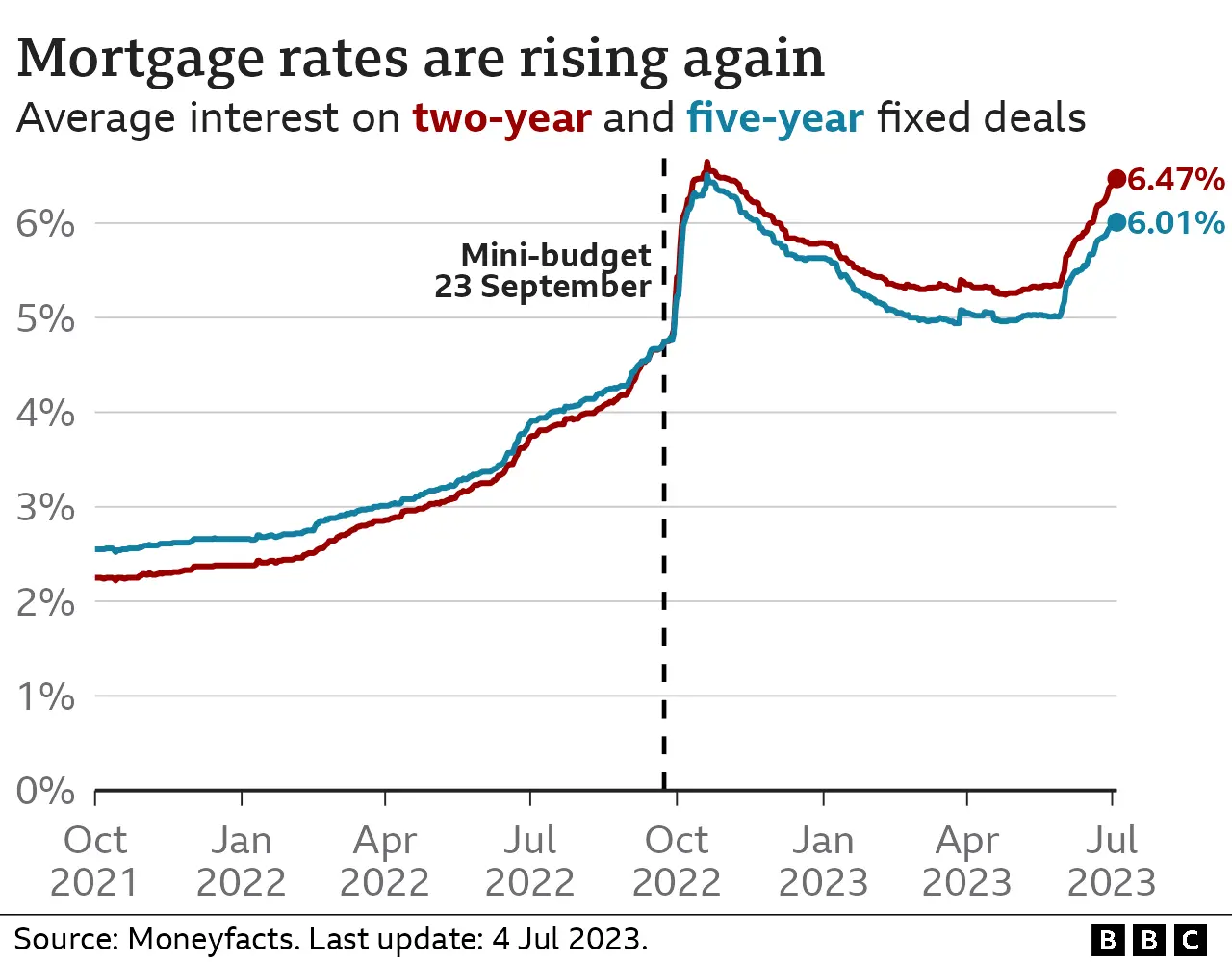
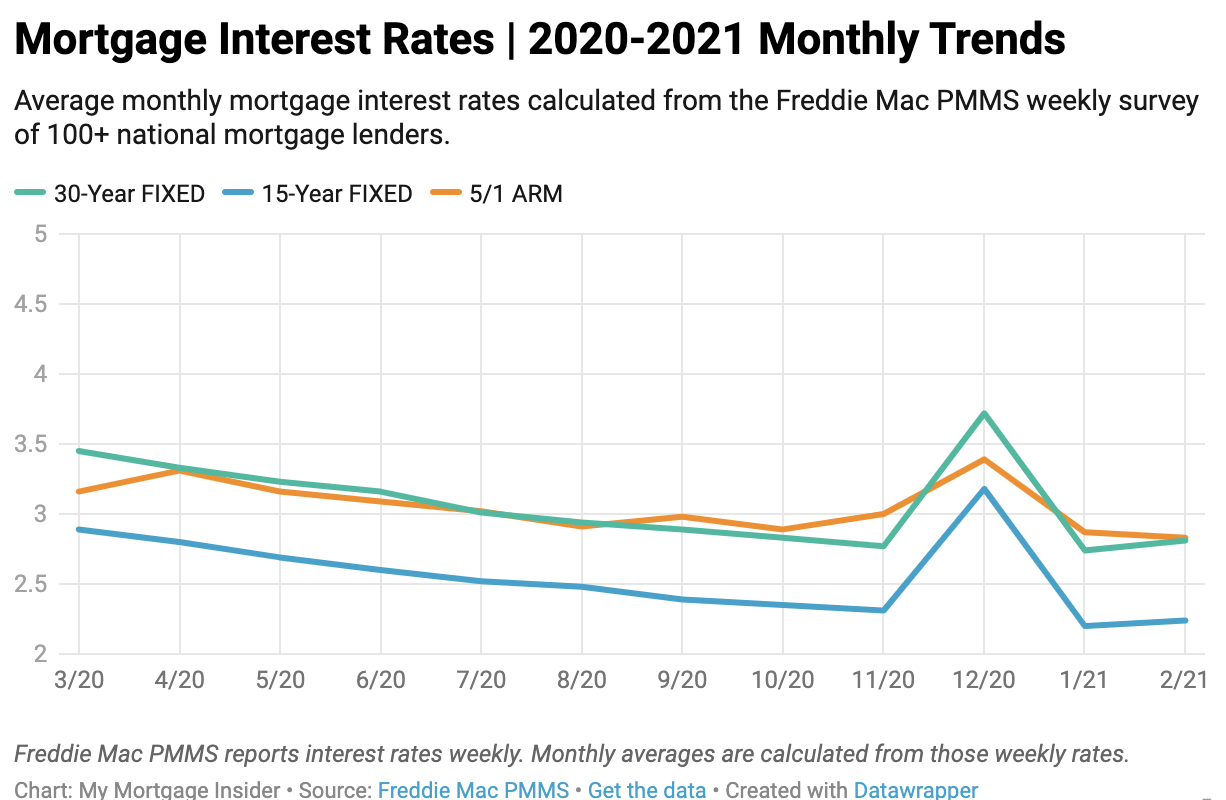
When we speak of “average mortgage interest rates,” we are typically referring to the rates for standard 30-year fixed-rate mortgages, which are the most common type of home loan in the United States. These averages are usually compiled from surveys of mortgage lenders across the country by entities like Freddie Mac, the Mortgage Bankers Association (MBA), or various financial news outlets. As of a recent general market observation, average 30-year fixed mortgage rates have shown significant volatility, often hovering in the mid-to-high 6% range, occasionally touching 7% or dropping into the high 5s, largely depending on broader economic news. Shorter-term loans, like 15-year fixed-rate mortgages, typically offer lower interest rates due to the reduced risk for lenders and the quicker repayment schedule. Adjustable-rate mortgages (ARMs) present a more complex picture, often starting with lower introductory rates that can then adjust periodically.
The trend in rates is equally as important as the current snapshot. Are rates generally rising, falling, or remaining stable? This trajectory often informs decisions about when to buy or refinance. A rising trend might prompt quicker action, while a falling trend might encourage waiting for better terms. Economic forecasts, particularly those related to inflation and central bank policy, are key indicators of future rate movements.
Key Factors Influencing Rates
Several powerful forces conspire to determine the daily movement of mortgage interest rates. Understanding these underlying drivers provides a more complete picture than simply observing the numbers.
- Inflation: Perhaps the most significant driver, inflation erodes the purchasing power of money. Lenders demand higher interest rates to compensate for the diminished value of the money they will be repaid in the future. When inflation is high or expected to rise, mortgage rates tend to increase.
- Federal Reserve Policy: While the Federal Reserve does not directly set mortgage rates, its actions profoundly influence them. The Fed targets the federal funds rate, an overnight lending rate between banks. Changes to this rate impact the broader economy, including the yields on Treasury bonds. Mortgage rates tend to track the yield on the 10-year Treasury note, which is sensitive to the Fed’s monetary policy and inflation expectations. When the Fed raises its policy rate to combat inflation, mortgage rates typically follow suit.
- Economic Growth: A strong economy, characterized by robust job growth and consumer spending, often leads to higher inflation expectations and, consequently, higher interest rates. Conversely, a weakening economy might see rates decline as demand for loans softens and inflation concerns recede.
- Bond Market Performance: Mortgage rates are closely tied to the bond market, specifically the yields on mortgage-backed securities (MBS) and U.S. Treasury bonds. When bond prices fall, their yields (and thus mortgage rates) rise. Investors often shift between stocks and bonds based on economic outlook, influencing bond yields.
- Housing Market Dynamics: While less direct, the supply and demand within the housing market can also have an indirect effect. A hot housing market with high demand might keep rates elevated as lenders see ample opportunity, whereas a sluggish market might pressure lenders to offer more competitive rates.
How to Interpret Published Rates
It’s crucial to understand that the “average rate” you see published is often a baseline. It usually refers to the Annual Percentage Rate (APR) for a borrower with excellent credit (e.g., a FICO score of 740 or higher) and a significant down payment (e.g., 20%). Your individual rate will depend on numerous personal factors, including your credit score, debt-to-income ratio, loan-to-value ratio (determined by your down payment), loan type, and even the specific lender you choose. Always use published averages as a starting point for your research, but expect your personalized quote to vary.
The Mechanics Behind Mortgage Interest Rates
Delving deeper into the mechanics reveals the sophisticated systems that dictate mortgage interest rates. It’s not a simple calculation but a confluence of global and local financial forces.
The Federal Reserve’s Role and Monetary Policy
The Federal Reserve, the central bank of the United States, plays a pivotal role in the economy through its monetary policy. Its primary tools include adjusting the federal funds rate target, conducting open market operations (buying or selling government securities), and setting reserve requirements for banks. When the Fed signals a commitment to tightening monetary policy to control inflation, it raises the federal funds rate. This makes it more expensive for banks to borrow from each other overnight, which in turn influences the rates banks charge consumers for various loans, including mortgages. While the Fed doesn’t directly control long-term mortgage rates, its actions create a ripple effect throughout the financial system, influencing everything from the prime rate to the yields on the 10-year Treasury bond, which mortgage rates tend to track.
Economic Indicators to Watch
Savvy borrowers and investors pay close attention to several key economic indicators that provide clues about future rate movements.
- Consumer Price Index (CPI): This measures inflation. A rising CPI often signals higher future mortgage rates.
- Producer Price Index (PPI): Measures inflation at the wholesale level, which can eventually pass through to consumers.
- Employment Reports: Strong job growth and low unemployment rates are indicators of a healthy economy, which can lead to higher inflation and rates. Wage growth, in particular, is closely watched.
- Gross Domestic Product (GDP): This measures the overall economic output. Robust GDP growth can correlate with higher rates.
- Retail Sales: Indicates consumer spending, a key component of economic health.
- Housing Data: New home sales, existing home sales, and housing starts provide insights into the strength of the housing market itself, which can indirectly influence rates.
Monitoring these indicators, alongside statements from the Federal Reserve, offers a more predictive understanding of rate trajectories.
Lender Specifics and Profit Margins
Even with a strong grasp of macroeconomics, individual lender practices play a critical role. Each lender has its own operational costs, risk assessments, and desired profit margins. They package mortgage loans into mortgage-backed securities (MBS) and sell them on the secondary market. The price at which these MBS sell influences the rates lenders offer. Lenders also factor in their own overhead, competition in the market, and the risk profile of individual borrowers. This is why shopping around among multiple lenders can yield significantly different rate offers for the same applicant. Some lenders may also offer “points,” which are fees paid upfront to reduce the interest rate over the life of the loan, effectively lowering their future profit in exchange for immediate income.
Types of Mortgages and Their Rate Structures
The “average mortgage interest rate” often refers to a specific type of loan. However, the market offers a variety of products, each with its own rate structure and suitability for different financial situations.
Fixed-Rate Mortgages: Stability in an Unpredictable Market
The most common type, a fixed-rate mortgage, maintains the same interest rate for the entire life of the loan. This provides predictable monthly payments, making budgeting easier and shielding borrowers from potential rate increases. The 30-year fixed-rate mortgage is the most popular, offering lower monthly payments due to the extended repayment period. However, it often comes with a higher interest rate compared to shorter terms and accumulates more interest over its lifespan. The 15-year fixed-rate mortgage, while having higher monthly payments, typically offers a lower interest rate, allows borrowers to pay off their home faster, and significantly reduces the total interest paid. Fixed-rate mortgages are ideal for borrowers seeking long-term stability and those who anticipate staying in their homes for many years.
Adjustable-Rate Mortgages (ARMs): Flexibility and Risk
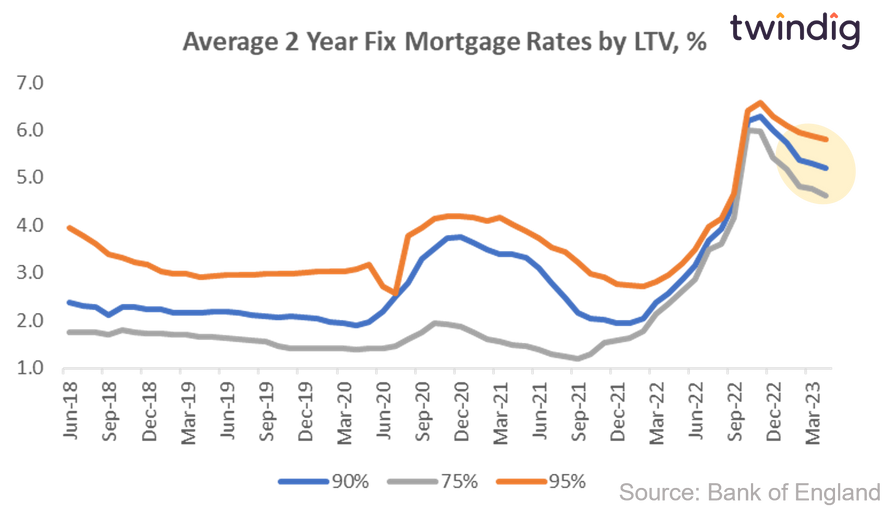
Adjustable-rate mortgages (ARMs) start with an initial fixed interest rate for a set period (e.g., 3, 5, 7, or 10 years), after which the rate adjusts periodically based on a chosen financial index (like the Secured Overnight Financing Rate – SOFR) plus a margin. For example, a “5/1 ARM” means the rate is fixed for the first five years, then adjusts annually thereafter. ARMs often offer lower initial interest rates compared to fixed-rate mortgages, making them attractive to borrowers who plan to sell or refinance before the fixed-rate period ends, or those who expect their income to increase significantly in the future. However, ARMs carry the risk that interest rates could rise substantially after the fixed period, leading to higher monthly payments. Most ARMs have caps that limit how much the rate can adjust per period and over the life of the loan, providing some protection against extreme increases.
Government-Backed Loans (FHA, VA, USDA): Specific Benefits
Beyond conventional loans, government-backed programs offer mortgages with specific benefits, often aimed at helping particular groups of borrowers.
- FHA Loans: Insured by the Federal Housing Administration, these loans are popular for first-time homebuyers or those with lower credit scores. They often require a smaller down payment (as low as 3.5%) but come with mandatory mortgage insurance premiums (MIP). The interest rates on FHA loans are generally competitive and may be lower than conventional loans for borrowers with less-than-perfect credit.
- VA Loans: Guaranteed by the U.S. Department of Veterans Affairs, these loans are available to eligible service members, veterans, and surviving spouses. VA loans are highly advantageous, often requiring no down payment and no private mortgage insurance (PMI). Interest rates are typically very competitive, reflecting the government guarantee.
- USDA Loans: Backed by the U.S. Department of Agriculture, these loans are designed for low-to-moderate-income individuals purchasing homes in eligible rural areas. They also typically require no down payment and offer attractive interest rates, making homeownership more accessible in qualifying regions.
Each of these loan types serves a distinct purpose, and understanding their rate structures is key to selecting the most appropriate financial product.
Strategies for Securing the Best Rate
Even when average rates are high, there are proactive steps borrowers can take to improve their individual offers. Securing the best possible rate can lead to substantial long-term savings.
Improving Your Credit Score
Your credit score is arguably the single most important factor in determining the interest rate you’ll be offered. Lenders use it to assess your creditworthiness and the likelihood of you repaying the loan. A higher FICO score (generally 740 or above) signals less risk to lenders, translating into access to the lowest available rates. To improve your score, focus on:
- Paying bills on time: Payment history is the largest factor in your score.
- Reducing outstanding debt: Especially credit card balances, which impact your credit utilization ratio.
- Avoiding new credit applications: Opening new accounts can temporarily ding your score.
- Checking your credit report for errors: Disputing any inaccuracies can boost your score.
Debt-to-Income Ratio (DTI) and Down Payments
Lenders also scrutinize your debt-to-income (DTI) ratio, which is the percentage of your gross monthly income that goes toward debt payments. A lower DTI (ideally below 43%) indicates you have more disposable income to cover your mortgage payments. To lower your DTI, pay down existing debts or increase your income.
A larger down payment also plays a significant role. A higher down payment reduces the loan-to-value (LTV) ratio, signaling less risk to the lender. If you put down 20% or more, you typically avoid private mortgage insurance (PMI), which is an additional monthly cost that effectively increases your overall housing expense. Even if you can’t hit 20%, a larger down payment generally translates to a better interest rate and more favorable terms.
Shopping Around and Comparing Offers
This cannot be stressed enough: do not settle for the first quote you receive. Interest rates and fees can vary significantly between lenders. Contact at least three to five different mortgage lenders—including banks, credit unions, and online lenders—to get personalized loan estimates. Compare not only the interest rate but also the Annual Percentage Rate (APR), which includes the interest rate plus certain fees and charges. Also, examine closing costs and any points offered or charged. The Consumer Financial Protection Bureau (CFPB) provides helpful resources for understanding and comparing loan estimates.
Understanding Points and Closing Costs
When comparing offers, pay close attention to mortgage points and closing costs.
- Points: A mortgage point is equivalent to 1% of the loan amount. Borrowers can pay “discount points” upfront to lower their interest rate over the life of the loan. Conversely, some lenders may offer “lender credits” which increase your interest rate slightly but reduce your closing costs. Calculate the breakeven point to determine if paying points is financially beneficial for your anticipated tenure in the home.
- Closing Costs: These are fees paid at the close of a real estate transaction. They include appraisal fees, origination fees, title insurance, attorney fees, and more. Closing costs typically range from 2% to 5% of the loan amount. While an offer might have an attractive interest rate, high closing costs could negate the savings. Always compare the full picture, including all associated fees.
The Long-Term Impact of Mortgage Rates on Your Financial Future
The interest rate you secure today will have a profound and lasting impact on your financial health, affecting everything from your monthly budget to your long-term wealth accumulation.
Total Cost of the Loan Over Time
A seemingly small difference in interest rate can translate into tens or even hundreds of thousands of dollars over a 30-year mortgage. For example, on a $300,000 loan, the difference between a 6% and a 7% interest rate could mean an extra $200 per month in payments, totaling over $72,000 in additional interest paid over the life of the loan. This calculation underscores the importance of striving for the lowest possible rate. It directly impacts your disposable income and how much wealth you can build or save for other financial goals.
Refinancing Opportunities and Considerations
The mortgage market is dynamic, and rates will change over time. If interest rates fall significantly after you’ve secured your initial loan, refinancing can be a viable strategy to lower your monthly payments, reduce the total interest paid, or even change the loan term (e.g., from a 30-year to a 15-year mortgage). However, refinancing involves new closing costs, so it’s essential to calculate the breakeven point (how long it takes for the savings from the lower payment to offset the refinancing costs) before proceeding. It’s generally advisable to consider refinancing when rates drop by at least 0.75% to 1% below your current rate, but individual circumstances will dictate the optimal time.
Building Equity and Wealth
Your mortgage interest rate also plays a role in your ability to build equity and accumulate wealth. A lower interest rate means more of your monthly payment goes towards paying down the principal balance of your loan, accelerating equity accumulation. Equity is the portion of your home that you own outright, and it represents a significant store of wealth for many homeowners. This equity can later be leveraged for other financial goals, such as funding education, starting a business, or providing a financial cushion in retirement. By understanding and actively managing your mortgage interest rate, you are not just securing a home; you are laying a foundational stone for your long-term financial prosperity.
In conclusion, while the question “what is the average mortgage interest rate today” offers a starting point, a comprehensive understanding requires delving into the economic forces at play, the various loan products available, and the personal strategies that can influence your specific rate. By being informed and proactive, individuals can navigate the complex mortgage market to secure terms that best support their financial objectives and contribute positively to their wealth-building journey.
aViewFromTheCave is a participant in the Amazon Services LLC Associates Program, an affiliate advertising program designed to provide a means for sites to earn advertising fees by advertising and linking to Amazon.com. Amazon, the Amazon logo, AmazonSupply, and the AmazonSupply logo are trademarks of Amazon.com, Inc. or its affiliates. As an Amazon Associate we earn affiliate commissions from qualifying purchases.