
Hemoglobin, a vital protein found within our red blood cells, plays a crucial role in transporting oxygen from our lungs to the rest of our body. It’s this remarkable molecule that gives blood its characteristic red color. When the amount of hemoglobin in your blood dips below a healthy range, it’s considered low hemoglobin, a condition that can have significant implications for your overall health and well-being. Understanding what constitutes “low” and why it matters is the first step towards addressing it.
This article will delve into the nuances of low hemoglobin, exploring what it means, the various factors that can contribute to it, and the potential impact on your daily life. While the primary focus is on health, we’ll also briefly touch upon how understanding and managing health conditions can indirectly influence aspects of our personal and professional lives, aligning with the broader themes of the website.

Defining Low Hemoglobin: Numbers and Nuances
The term “low hemoglobin” isn’t a one-size-fits-all designation. What’s considered low can vary slightly depending on factors such as age, sex, and even the laboratory performing the test. However, general guidelines are established by medical professionals.
Understanding Hemoglobin Levels: The Numbers Game
Hemoglobin levels are typically measured in grams per deciliter (g/dL). According to the World Health Organization (WHO) and many national health organizations, the following are generally accepted ranges for non-pregnant adults:
- Men: A normal hemoglobin level is typically between 13.5 and 17.5 g/dL. Levels below 13.5 g/dL are considered low.
- Women: A normal hemoglobin level is typically between 12.0 and 15.5 g/dL. Levels below 12.0 g/dL are considered low.
- Pregnant Women: Hemoglobin levels naturally decrease during pregnancy due to an increase in blood volume. For pregnant women, a level below 11.0 g/dL is generally considered low.
- Children: Normal ranges vary significantly with age. For infants, levels are higher at birth and gradually decrease. For older children, ranges become closer to adult levels, with specific values depending on their age and developmental stage.
It’s crucial to remember that these are general guidelines. A single low reading doesn’t automatically mean you have a serious medical condition. Your doctor will consider your individual health history, other symptoms, and potentially repeat the test to confirm a diagnosis.
Beyond the Numbers: The Impact of Low Hemoglobin
While the numerical value of your hemoglobin is important for diagnosis, it’s the consequences of low hemoglobin that truly highlight why it matters. The primary function of hemoglobin is to carry oxygen. When hemoglobin levels are insufficient, your body’s tissues and organs don’t receive enough oxygen to function optimally. This can manifest in a wide range of symptoms, affecting your physical and even cognitive well-being.
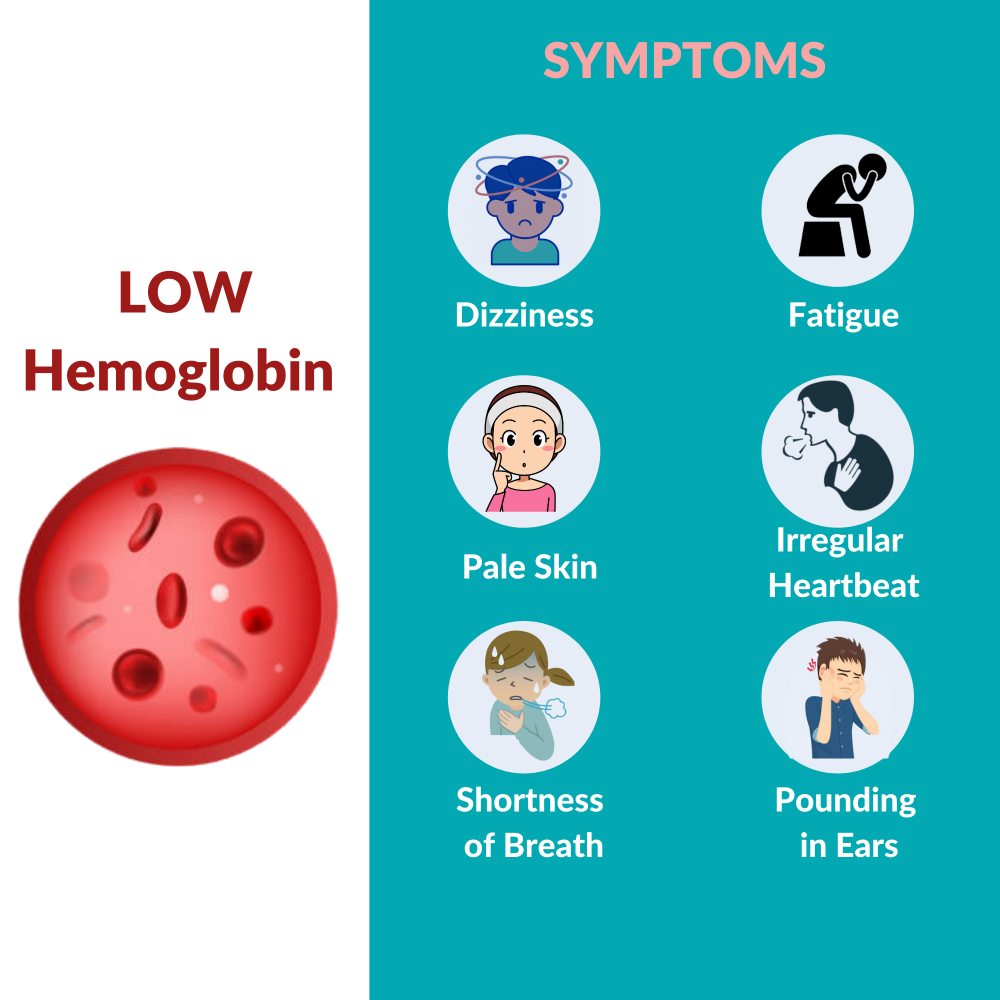
Common symptoms of low hemoglobin include:
- Fatigue and Weakness: This is often the most prominent symptom. You might feel constantly tired, lacking energy, and experiencing muscle weakness. Simple daily tasks can feel exhausting.
- Pale Skin: Reduced hemoglobin can lead to a paleness in the skin, particularly noticeable on the face, inside the lips, and under the eyelids.
- Shortness of Breath: Your body tries to compensate for low oxygen by breathing faster and deeper. This can result in feeling breathless, especially during exertion.
- Headaches and Dizziness: Insufficient oxygen to the brain can cause frequent headaches and feelings of lightheadedness or dizziness.
- Cold Hands and Feet: Poor circulation due to reduced oxygen transport can lead to extremities feeling cold.
- Brittle Nails and Hair Loss: Over time, chronic low hemoglobin can affect the health of your nails and hair.
- Rapid or Irregular Heartbeat: The heart may beat faster to try and circulate oxygenated blood more efficiently.
- Chest Pain: In severe cases, the heart may struggle to get enough oxygen, leading to chest pain.
The severity of these symptoms generally correlates with how low the hemoglobin level is and how quickly it has dropped. A gradual decline might lead to milder, more insidious symptoms, while a rapid drop can cause more acute and noticeable distress.
Causes of Low Hemoglobin: Unraveling the “Why”
Low hemoglobin, medically known as anemia, is not a disease in itself but rather a symptom of an underlying issue. Identifying the root cause is paramount for effective treatment. The reasons for low hemoglobin are diverse and can be broadly categorized into three main groups: decreased red blood cell production, increased red blood cell destruction, and blood loss.
Decreased Red Blood Cell Production: The Factory Slowdown
Red blood cells are produced in the bone marrow, a spongy tissue found inside your bones. Several factors can impair this production process:

- Nutritional Deficiencies: This is one of the most common causes of anemia.
- Iron Deficiency: Iron is a critical component of hemoglobin. Insufficient dietary iron intake, poor iron absorption, or increased iron needs (like during pregnancy) can lead to iron-deficiency anemia.
- Vitamin B12 Deficiency: Vitamin B12 is essential for red blood cell formation. Conditions like pernicious anemia (an autoimmune disorder affecting B12 absorption), strict vegetarian or vegan diets without proper supplementation, or certain gastrointestinal surgeries can lead to B12 deficiency.
- Folate (Folic Acid) Deficiency: Folate, another B vitamin, is also vital for DNA synthesis and red blood cell production. Poor diet, malabsorption issues, or increased needs can cause folate deficiency.
- Bone Marrow Problems: The bone marrow itself can be affected by various conditions:
- Aplastic Anemia: A rare condition where the bone marrow doesn’t produce enough blood cells.
- Leukemia and Lymphoma: Cancers of the blood and lymph system can infiltrate the bone marrow and disrupt red blood cell production.
- Myelodysplastic Syndromes (MDS): A group of disorders where the bone marrow doesn’t produce enough healthy blood cells.
- Chronic Diseases: Many chronic illnesses can interfere with red blood cell production or lifespan:
- Kidney Disease: Damaged kidneys produce less erythropoietin (EPO), a hormone that stimulates red blood cell production.
- Inflammatory Conditions: Diseases like rheumatoid arthritis, lupus, and Crohn’s disease can cause anemia of chronic disease by affecting iron metabolism and the body’s response to EPO.
- Infections: Certain chronic infections can suppress bone marrow function.
- Cancer: Beyond cancers directly affecting the bone marrow, other cancers can lead to anemia through various mechanisms, including inflammation and nutrient depletion.
- Endocrine Disorders: Conditions like hypothyroidism can sometimes be associated with anemia.
Increased Red Blood Cell Destruction (Hemolytic Anemias): The Premature Demise
In these types of anemia, red blood cells are destroyed faster than the bone marrow can produce them.
- Inherited Conditions:
- Sickle Cell Anemia: A genetic disorder where red blood cells are abnormally shaped and easily destroyed.
- Thalassemia: A group of genetic disorders characterized by reduced production of hemoglobin.
- Hereditary Spherocytosis: A condition where red blood cells have an abnormal shape and are prone to destruction.
- Acquired Conditions:
- Autoimmune Hemolytic Anemia: The immune system mistakenly attacks and destroys red blood cells.
- Infections: Certain infections, like malaria, can directly destroy red blood cells.
- Certain Medications: Some drugs can trigger a hemolytic reaction.
- Mechanical Damage: Artificial heart valves or other medical devices can sometimes damage red blood cells.
Blood Loss: The Leaky System
Significant or chronic blood loss can deplete the body’s red blood cell supply, leading to low hemoglobin.
- Gastrointestinal Bleeding: Ulcers, polyps, inflammatory bowel disease, and cancers in the digestive tract can cause slow, chronic blood loss that may not be immediately apparent.
- Menstrual Bleeding: Heavy or prolonged menstrual periods are a common cause of iron deficiency anemia in women.
- Trauma or Surgery: Acute blood loss from injuries or surgical procedures can lead to a sudden drop in hemoglobin.
- Frequent Blood Donation: While beneficial for some, very frequent blood donation without adequate iron replenishment can lead to low hemoglobin.
- Urinary Tract Bleeding: Less common, but bleeding in the urinary tract can also contribute to blood loss.
Managing Low Hemoglobin: From Diagnosis to Digital Solutions
Addressing low hemoglobin involves a multi-faceted approach, starting with accurate diagnosis and then implementing appropriate treatment strategies. In today’s digitally-driven world, technology and smart planning can play an increasingly important role in managing one’s health journey.
The Diagnostic Journey: Pinpointing the Problem
The first step to managing low hemoglobin is a proper diagnosis by a healthcare professional. This typically involves:
- Medical History and Physical Examination: Your doctor will ask about your symptoms, diet, medications, family history, and lifestyle. They will also perform a physical exam, looking for signs like pale skin or an enlarged spleen.
- Complete Blood Count (CBC): This common blood test measures various components of your blood, including hemoglobin, red blood cell count, and hematocrit (the proportion of red blood cells in your blood).
- Other Blood Tests: Depending on the suspected cause, further blood tests may be ordered to:
- Check iron levels (ferritin, serum iron, total iron-binding capacity).
- Assess vitamin B12 and folate levels.
- Evaluate for signs of inflammation or kidney function.
- Test for specific antibodies or genetic markers if a hemolytic anemia is suspected.
- Bone Marrow Biopsy: In some complex cases, a bone marrow biopsy might be necessary to assess the bone marrow’s ability to produce blood cells.
Treatment Strategies: Restoring the Balance
Treatment for low hemoglobin is highly dependent on the underlying cause.
- Dietary Changes and Supplements:
- Iron Supplements: For iron-deficiency anemia, iron supplements are usually prescribed. It’s crucial to take them as directed by your doctor, as too much iron can be harmful. Dietary sources rich in iron, such as red meat, poultry, fish, beans, and leafy green vegetables, should also be incorporated.
- Vitamin B12 and Folate Supplements: If a deficiency in these vitamins is identified, supplements and dietary adjustments (e.g., fortified foods, dairy, meat for B12; leafy greens, citrus fruits for folate) will be recommended.
- Addressing Underlying Conditions: If low hemoglobin is caused by a chronic disease, infection, or bleeding disorder, treating that primary condition is essential. This might involve medications, surgery, or lifestyle modifications.
- Blood Transfusions: In cases of severe anemia or rapid blood loss, a blood transfusion may be necessary to quickly replenish red blood cell levels.
- Medications to Stimulate Red Blood Cell Production: For anemia related to kidney disease, synthetic erythropoietin (EPO) injections may be prescribed.
Leveraging Technology and Smart Strategies for Health Management
While the core of managing low hemoglobin is medical, the principles of technology and strategic planning can be applied to support your health journey.
- Digital Health Trackers and Apps: While not directly diagnosing anemia, these tools can help you monitor overall well-being. Tracking your energy levels, sleep patterns, and activity can provide valuable information for your doctor. Some apps can also help you log your food intake, aiding in identifying potential dietary gaps.
- Online Resources and Information: Websites like this one offer access to a wealth of information about health conditions, potential causes, and management strategies. Understanding your condition empowers you to have more informed conversations with your healthcare provider.
- Personal Branding and Health: Maintaining good health is a crucial aspect of personal branding. When you feel energetic and well, you can perform better in your professional life, engage more actively in social settings, and present yourself with confidence. Low hemoglobin can significantly hinder these aspects, making its management a key component of overall personal success.
- Financial Planning for Health: Chronic health conditions, including those leading to anemia, can sometimes incur significant medical costs. Understanding your insurance coverage, exploring payment options for treatments and medications, and budgeting for potential health-related expenses are essential aspects of personal finance. This ties into the “Money” aspect of the website, emphasizing that proactive health management is also financially prudent.
- Productivity and AI Tools: For individuals struggling with fatigue due to low hemoglobin, productivity tools and AI assistants can be invaluable. Automating repetitive tasks, organizing schedules, and utilizing voice-to-text features can help conserve energy and maintain a sense of control and accomplishment.
In conclusion, understanding what is low for hemoglobin is about recognizing the numerical benchmarks and, more importantly, the significant impact it can have on your body’s ability to function. By understanding the diverse causes and embracing a proactive approach to diagnosis and management, often supported by the smart application of technology and strategic planning, you can work towards restoring your health and vitality.
aViewFromTheCave is a participant in the Amazon Services LLC Associates Program, an affiliate advertising program designed to provide a means for sites to earn advertising fees by advertising and linking to Amazon.com. Amazon, the Amazon logo, AmazonSupply, and the AmazonSupply logo are trademarks of Amazon.com, Inc. or its affiliates. As an Amazon Associate we earn affiliate commissions from qualifying purchases.