
While the immediate image conjured by the question “what can snails eat?” might evoke images of garden pests nibbling on lettuce, a deeper examination reveals a fascinating intersection of biological necessity, environmental factors, and the burgeoning field of bio-integrated technology. Understanding snail diets isn’t merely about preventing garden damage; it’s about unlocking potential applications in areas ranging from sustainable agriculture and waste management to novel biomaterials and even pharmaceutical research. This article delves into the intricate nutritional needs of snails, exploring their natural diets, the impact of their consumption on ecosystems, and how technological advancements are beginning to harness and even augment this fundamental biological process.
The Algorithmic Diet of Terrestrial Snails: Deconstructing Natural Ingestion Patterns
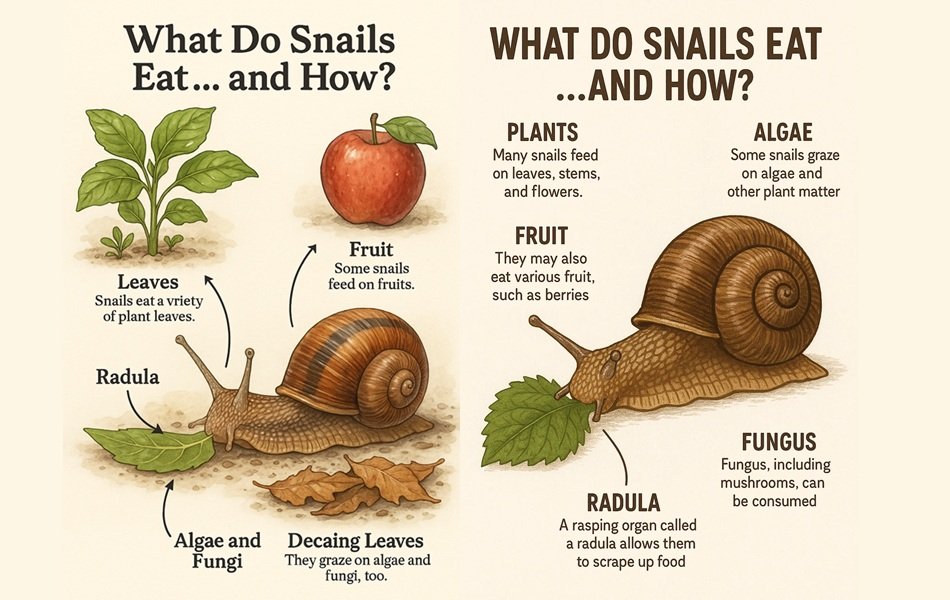
Snails, particularly terrestrial species, are primarily detritivores and herbivores, exhibiting a remarkable adaptability in their food sources. Their digestive systems, essentially complex biological processors, are designed to break down a wide array of organic matter. This dietary flexibility is crucial for their survival across diverse habitats, from lush rainforests to arid deserts.
Primary Food Sources: Deciphering the “What”
At the core of a snail’s diet lies a rich tapestry of plant matter. This includes a broad spectrum of leafy greens, soft fruits, vegetables, and decaying vegetation. Young snails, or juveniles, often require softer, more easily digestible food sources to support their rapid growth. This might include algae, fungi, and tender seedling leaves. As they mature, their dietary repertoire expands to include tougher plant tissues.
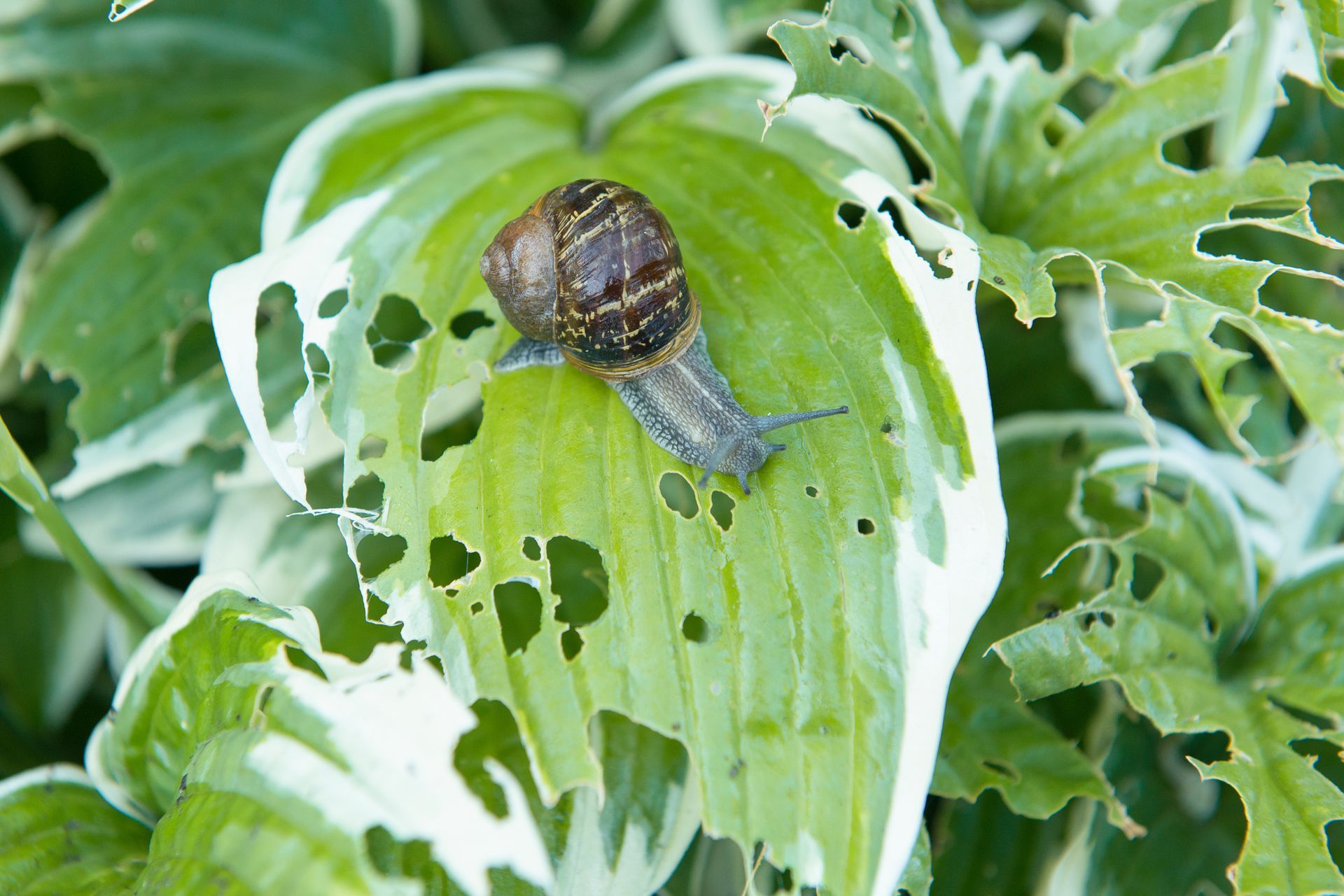
- Herbaceous Plants: The most common food items for many snail species are the leaves, stems, and petals of herbaceous plants. Common garden snails, for instance, are notorious for their consumption of hostas, marigolds, and various vegetable crops like lettuce, kale, and spinach. The nutritional content of these plants varies significantly, providing carbohydrates for energy, proteins for growth, and essential micronutrients.
- Fruits and Vegetables: Ripe and decaying fruits and vegetables are also highly sought after. Their high sugar content provides a readily available energy source, while their softer texture makes them easy to process. This is why fallen fruits in orchards or vegetable scraps in compost bins become prime feeding grounds for snails.
- Fungi and Algae: In moist environments, fungi and algae form a significant part of the snail’s diet. These organisms are rich in proteins and other vital nutrients. Their presence often indicates a healthy and damp microclimate, favorable for snail populations.
- Decaying Organic Matter: Beyond living plant material, snails are crucial decomposers. They efficiently break down dead leaves, fallen branches, and other forms of organic detritus. This process is vital for nutrient cycling in ecosystems, transforming complex organic molecules into simpler compounds that can be reabsorbed by plants.
The Role of Minerals and Other Essential Nutrients
While carbohydrates and proteins are primary energy and building block sources, snails have specific mineral requirements, most notably calcium. Calcium is indispensable for shell formation and repair. Without adequate calcium, their shells become brittle and susceptible to damage, impacting their ability to survive predation and environmental stressors.
- Calcium Sources: Snails obtain calcium from various sources. They will actively seek out calcium-rich soils, limestone, chalky deposits, and even ingest fragments of old shells. In captive environments, providing cuttlebone or crushed eggshells is a common practice to ensure sufficient calcium intake.
- Other Micronutrients: Beyond calcium, snails require a range of vitamins and minerals found in their diverse food sources. These micronutrients play critical roles in metabolic processes, immune function, and reproduction. The complexity of these nutritional requirements is an ongoing area of research, particularly as we explore their suitability for controlled dietary regimens.
The Algorithmic Engineering of Snail Nutrition: From Garden Pests to Bio-Integrated Systems
The study of what snails eat has moved beyond mere observation to a sophisticated understanding that is being leveraged through technological innovation. This shift involves not just optimizing snail diets for specific purposes but also developing systems that can monitor, analyze, and even control their feeding patterns.
Optimizing Snail Diets for Commercial and Research Applications
In controlled environments, such as snail farms (heliciculture) or laboratory settings, precise dietary management is paramount for optimal growth, reproduction, and product quality (e.g., edible snails, slime production). This is where technological interventions become critical.

- Formulated Feeds: Researchers and commercial growers are developing specialized, nutritionally balanced feeds for snails. These feeds are designed to provide all the necessary macro and micronutrients in the correct ratios, leading to faster growth rates and improved health. The formulation of these feeds often involves analyzing the nutritional content of natural snail food sources and replicating them synthetically, or creating synergistic blends. This is akin to algorithmic optimization, where inputs (nutrients) are meticulously controlled to achieve a desired output (snail health and productivity).
- Nutrient Analysis and Monitoring: Advanced analytical techniques, such as spectroscopy and chromatography, are employed to determine the precise nutritional composition of potential snail food items. This data is then fed into algorithms that help create optimal feed formulations. Furthermore, sensors and monitoring systems are being developed to track snail feeding behavior and consumption rates, allowing for real-time adjustments to their diets. This data-driven approach mirrors the principles of predictive analytics used in other tech sectors.
- Waste Valorization: A significant area of technological development focuses on using snail consumption for waste management. Snails can be fed specific organic waste streams, such as agricultural by-products or food scraps, effectively turning waste into valuable protein (for animal feed) or slime. This aligns with the principles of the circular economy and requires sophisticated tracking and processing technologies to ensure the waste is safe and beneficial for snail consumption.
Bio-Integrated Snail Systems: The Future of Gastropod Tech
The integration of snails into technological systems is an emerging field. This involves not just controlling their diet but also harnessing their biological functions through technological interfaces.
- Bioreactors for Slime Production: Snail slime, rich in hyaluronic acid, collagen, and allantoin, is highly valued in the cosmetic and pharmaceutical industries. Technological advancements are leading to the development of bioreactors where snails are maintained in controlled environments with optimized diets to maximize slime production. This involves automated feeding systems, environmental controls (temperature, humidity), and non-invasive methods for slime collection, all managed by sophisticated software.
- Snail-Based Bio-Sensors: The sensitivity of snails to environmental changes can be harnessed for bio-sensing applications. While still largely in the research phase, the idea is to develop systems where snail behavior or physiological responses to specific environmental stimuli (e.g., pollutants, toxins) can be detected and translated into actionable data via electronic interfaces. Their feeding patterns could, for example, be monitored to indicate changes in water quality or soil composition.
- Automated Feeding and Environmental Control Systems: For large-scale snail farming or research facilities, automated systems are becoming essential. These systems utilize sensors to monitor food levels, humidity, temperature, and even snail activity. Based on this data, algorithms can trigger automated feeding mechanisms, adjust environmental controls, and provide alerts for potential issues. This level of automation transforms snail husbandry into a technologically managed operation.
The Economic Algorithms of Snail Consumption: From Subsistence to Specialized Industries
The economic implications of understanding what snails eat are multifaceted, ranging from the micro-level of individual household gardening to macro-level agricultural and biotechnological industries. Harnessing snail consumption effectively requires an understanding of their dietary needs as a form of biological asset management, with economic returns derived from their productivity.
From Garden Scavengers to Culinary Delicacies: The Gastronomy of Snails
Historically, snails have been a food source for humans, particularly in certain European and African cuisines. The economic viability of edible snail farming (heliciculture) is directly linked to optimizing their diets for rapid growth and desirable meat quality.
- Optimized Diets for Edible Snail Production: Commercial snail farms must provide diets that are not only cost-effective but also promote rapid weight gain and a palatable taste. This involves detailed nutritional analysis of various feed ingredients and the creation of balanced rations. Research into the impact of specific dietary components on the flavor profile of snail meat is also an area of economic interest. For instance, the type of vegetation a snail consumes in the wild can impart subtle flavor nuances that chefs and consumers seek.
- Cost-Benefit Analysis of Feed Inputs: The economic success of snail farming hinges on a careful cost-benefit analysis of feed inputs. Farmers must balance the cost of providing specialized feeds with the projected revenue from selling snails. This often involves exploring the use of readily available agricultural by-products and waste streams as supplementary feed sources, provided they meet the snails’ nutritional requirements and are free from harmful contaminants. Technological solutions for processing and sanitizing these waste streams for snail consumption are therefore economically significant.
- Market Demand and Niche Markets: The market for edible snails can be influenced by cultural preferences, culinary trends, and demand from the restaurant industry. Understanding consumer willingness to pay for snails raised on specific diets (e.g., “organic” or “natural” diets) can create niche markets with higher profit margins. This requires traceability and verification systems, which are increasingly being integrated with technological platforms for supply chain management.
Snail Slime: A High-Value By-Product Driven by Nutritional Science
The burgeoning market for snail slime, particularly for its cosmetic and dermatological applications, represents a significant economic opportunity. The quantity and quality of slime produced are directly influenced by the snail’s diet and overall health.
- Nutritional Requirements for Optimal Slime Yield: Research into the specific nutritional needs that maximize snail slime production is crucial for the economic viability of this industry. Understanding which dietary components stimulate the production of hyaluronic acid, collagen, and other beneficial compounds allows for the development of tailored feeding regimes. This is akin to optimizing the output of a biological manufacturing process.
- Technological Integration for Slime Harvesting: The economic feasibility of slime harvesting is enhanced by technological advancements in collection methods. Non-invasive techniques, often facilitated by controlled environments and precise dietary management, minimize stress on the snails and maximize slime yield. Automated systems that monitor snail health and initiate slime collection when optimal levels are detected can significantly reduce labor costs and increase efficiency.
- The Economic Value Chain of Snail Products: The economic value chain extends beyond just the snails themselves to include the products derived from them. This includes edible snails, snail slime for cosmetics and pharmaceuticals, and even snail caviar (escargots eggs). Each of these markets is underpinned by an understanding of snail nutrition and the ability to control their dietary intake to meet specific quality and quantity targets. Investment in research and development to identify new applications for snail-derived products, further fueled by advancements in understanding their biology, is a key economic driver.
Conclusion: The Algorithmic Future of Snail Consumption
The question “what can snails eat?” has evolved from a simple ecological inquiry into a complex field with profound technological and economic implications. As we continue to unravel the intricate nutritional algorithms that govern snail digestion and growth, we unlock new possibilities. From developing sustainable agricultural practices and efficient waste management systems to pioneering novel biomaterials and therapeutic compounds, the humble snail, guided by technologically optimized diets, is poised to play an increasingly significant role in our future. The intersection of biological understanding and technological innovation promises a future where gastropod sustenance is not just a matter of survival, but a finely tuned, economically beneficial biological process.
aViewFromTheCave is a participant in the Amazon Services LLC Associates Program, an affiliate advertising program designed to provide a means for sites to earn advertising fees by advertising and linking to Amazon.com. Amazon, the Amazon logo, AmazonSupply, and the AmazonSupply logo are trademarks of Amazon.com, Inc. or its affiliates. As an Amazon Associate we earn affiliate commissions from qualifying purchases.