
In today’s interconnected world, a login ID has become an indispensable part of our digital lives. It’s the first step to accessing a vast array of online services, from social media platforms and email accounts to banking portals and productivity tools. But what exactly is a login ID, and why is it so crucial? This article will demystify the concept of a login ID, explore its various forms, and delve into the importance of protecting this vital digital key.
Understanding the Core Concept: Your Digital Identifier
At its most fundamental level, a login ID, often referred to as a username, user ID, account name, or even an email address in some contexts, is a unique identifier assigned to you when you create an account on a website, app, or online service. Think of it as your digital name tag. When you attempt to access a protected online resource, the system needs a way to recognize you from among potentially millions of other users. Your login ID serves this purpose.
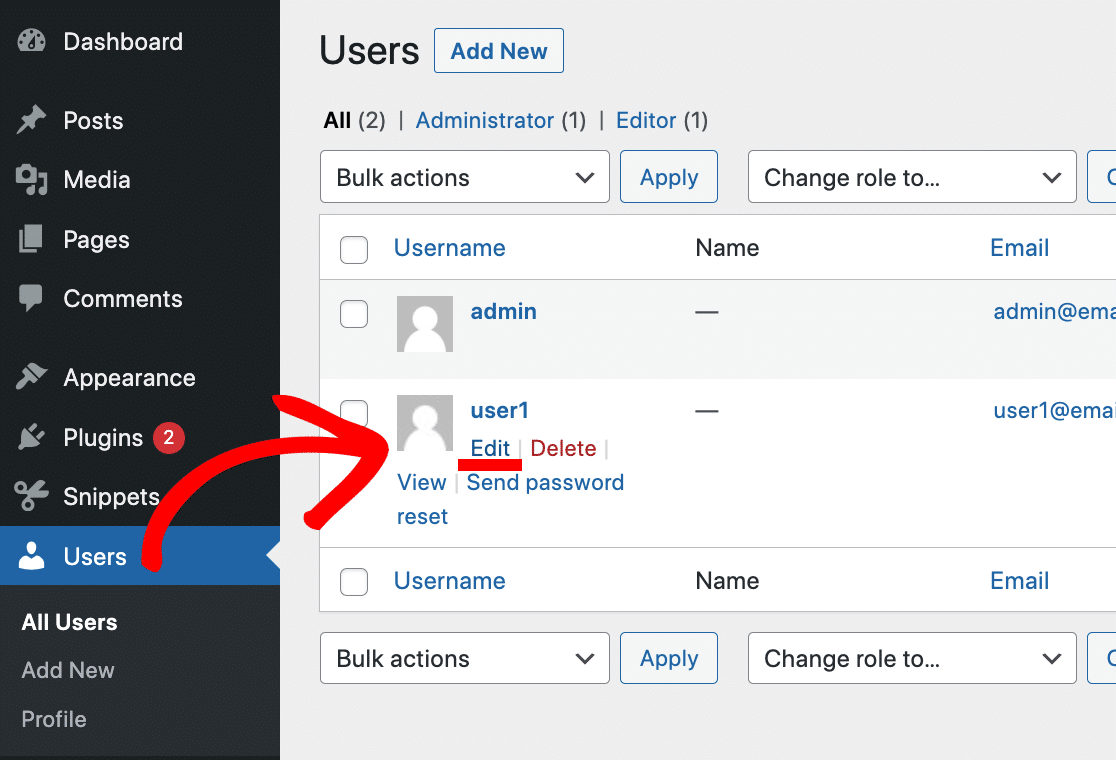
The Anatomy of a Login ID: More Than Just a Name
While the term “login ID” might sound simple, it encompasses a range of formats and serves a critical dual function:
-
Identification: As we’ve established, its primary role is to distinguish you from other users. This allows the system to present you with your personalized data, settings, and content. Without this identification, your online profile and information would be accessible to anyone.
-
Authentication Facilitation: Your login ID is typically paired with a password or another form of authentication (like a security key, fingerprint scan, or one-time code). Together, the login ID and its corresponding credential form the authentication mechanism. The login ID tells the system who you are, and the password or other credential proves it. This two-factor authentication process is a cornerstone of online security.
The format of a login ID can vary significantly depending on the service:
- Email Address: Many services, particularly those requiring extensive communication or account recovery, use your email address as your login ID. This is convenient as you likely already have a primary email address. Examples include Gmail, Outlook, and many social media platforms.
- Alphanumeric Strings: Some platforms allow you to create custom usernames composed of letters and numbers. These might be your preferred online handle, like “GamerPro123” or “ArtFanatic88.”
- Unique Numerical IDs: Internally, systems often assign unique numerical identifiers to each user. While you might not see this directly, it’s what the system uses to reference your account in its database.
- Phone Numbers: Increasingly, some services are adopting phone numbers as login IDs, especially for mobile-centric applications. This leverages the fact that most people have their phones readily available and can receive verification codes.
Why is a Login ID Essential for Online Services?
The necessity of a login ID is deeply intertwined with the functionality and security of online platforms. Consider these key reasons:
-
Personalization and Data Management: Every time you log in, the service recognizes you and pulls up your specific data. This includes your profile information, saved settings, purchase history, recent activity, and any content you’ve created or uploaded. Without a login ID, the service wouldn’t know which data belongs to whom.
-
Security and Access Control: Login IDs are the first line of defense against unauthorized access. By requiring a unique identifier, systems can enforce access control policies. Only users who can correctly present their login ID and associated credential are granted entry. This protects sensitive information from falling into the wrong hands.
-
Account Recovery: In the event you forget your password, your login ID plays a crucial role in account recovery. Services often use your login ID (e.g., email address) to send password reset links or verification codes, allowing you to regain access to your account.
-
User Experience and Customization: Your login ID is often linked to your online persona. It can be displayed on your profile, used to tag you in posts, or even influence the content you see. This personalization enhances the user experience and makes your interaction with the platform more engaging.
-
Transaction and Activity Tracking: For e-commerce sites, financial platforms, and many other services, your login ID is essential for tracking transactions, purchases, and other activities. This allows for order history, dispute resolution, and the generation of personalized recommendations.
The Evolution and Future of Login IDs: Beyond Simple Passwords
The concept of a login ID, while enduring, has evolved significantly with advancements in technology and a growing emphasis on security. The traditional username-and-password combination, though still prevalent, is increasingly being augmented or replaced by more sophisticated authentication methods.
Heading 3: The Role of Login IDs in Digital Security
In the realm of digital security, your login ID is a critical component, but it’s only half of the equation. The security of your online accounts hinges on the strength of both your login ID and, more importantly, your associated password or authentication method.
-
Credential Stuffing Attacks: A common threat involves attackers using lists of compromised usernames and passwords (obtained from data breaches) to try and log into other services. If you reuse passwords across multiple sites, a breach on one platform can compromise many others, as attackers will try your leaked login ID and password combination elsewhere. This highlights the importance of unique and strong passwords for each service.
-
Phishing Scams: Phishing attacks often trick users into revealing their login IDs and passwords. Scammers create fake login pages that look identical to legitimate ones, hoping to capture your credentials when you try to log in. Being vigilant about where you enter your login information is paramount.

-
Brute-Force Attacks: While less common against well-protected services, brute-force attacks involve an attacker systematically trying every possible combination of characters to guess your password. Strong password policies (requiring a mix of characters, length, and complexity) and account lockout mechanisms (temporarily disabling an account after too many failed login attempts) are crucial defenses.
-
The Importance of Strong Passwords: While the login ID itself is generally meant to be known, the associated password must be kept secret and strong. A strong password is long, complex, and not easily guessable (avoiding personal information, common words, or sequential numbers).
Heading 3: Modern Authentication and the Future of Login
The limitations and vulnerabilities of traditional password-based authentication have spurred the development of more secure and convenient methods, often evolving alongside the login ID concept.
-
Two-Factor Authentication (2FA) and Multi-Factor Authentication (MFA): These security layers add an extra step to the login process. After entering your login ID and password, you’ll be prompted for a second form of verification, such as a code sent to your phone via SMS, an authenticator app, or a physical security key. This significantly reduces the risk of unauthorized access, even if your password is compromised.
-
Biometric Authentication: This method leverages unique biological characteristics for verification. Fingerprint scanners on smartphones and laptops, facial recognition technology, and even voice recognition are becoming increasingly common. In these scenarios, your login ID might still be your username or email, but the authentication happens via your unique biological traits.
-
Passwordless Login: The ultimate goal for many is to eliminate passwords altogether. This can be achieved through various means:
- Magic Links: A one-time-use link sent to your registered email address that grants access without requiring a password.
- Biometric Sign-in: Using your fingerprint or facial scan to directly log in without typing anything.
- Passkeys: A more advanced technology that uses cryptographic keys stored on your device to authenticate you securely, eliminating the need for passwords and mitigating phishing risks. Your login ID would still be your identifier, but the authentication process is entirely passwordless.
-
Single Sign-On (SSO): SSO allows you to log in to multiple applications and services with a single set of credentials. For example, you might log in to your Google account, and then use that same authentication to access services like YouTube, Google Drive, and Gmail without needing to re-enter your login ID and password for each. This simplifies the user experience while relying on the robust security of the primary service.
Protecting Your Digital Identity: Best Practices for Login IDs and Beyond
Your login ID, coupled with its authentication method, forms the gateway to your digital life. Protecting this gateway is paramount to safeguarding your personal information, finances, and online reputation.
Heading 3: Essential Practices for Managing Your Login ID
While you can’t always change your login ID (especially if it’s your email address), you can implement best practices to manage and secure it effectively.
-
Use Unique Login IDs (Where Possible): If a service allows you to choose a username that isn’t your primary email, consider using different, non-obvious usernames for different platforms. This can add a layer of obscurity if one service is compromised.
-
Be Mindful of Information Shared: When creating an account, consider the implications of the login ID you choose, especially if it’s publicly visible. Avoid using personal information that could easily be guessed or linked to you.
-
Regularly Review Connected Accounts: Many services allow you to see which third-party applications or services are linked to your account. Regularly review these connections and revoke access for any you no longer use or trust.
-
Secure Your Recovery Information: If your login ID is your email address, ensure that your email account itself is highly secure. Implement strong passwords, 2FA, and be wary of phishing attempts targeting your email.

Heading 3: The Crucial Role of Password Management
The security of your login ID is intrinsically linked to the security of your password. Here are some essential password management tips:
-
Strong and Unique Passwords: This cannot be stressed enough. Use a different, strong password for every online account. A password manager is an invaluable tool for generating and storing these complex passwords.
-
Enable Two-Factor Authentication (2FA): Whenever offered, enable 2FA on all your accounts. This is one of the most effective ways to protect yourself from account takeover.
-
Beware of Public Wi-Fi: Avoid logging into sensitive accounts (like banking or email) when connected to unsecured public Wi-Fi networks, as your login credentials could be intercepted.
-
Regularly Update Passwords (Strategically): While the old advice was to change passwords frequently, the modern approach emphasizes strong, unique passwords. However, if you suspect an account has been compromised or if a service has experienced a significant breach, it’s wise to change your password immediately.
-
Use a Password Manager: A reputable password manager can securely store all your unique, strong passwords, autofill them for you, and even help you generate new ones. This removes the burden of remembering dozens of complex passwords.
In conclusion, a login ID is far more than just a simple identifier. It’s your digital passport, your key to accessing a universe of information, services, and connections. As the digital landscape continues to evolve, understanding the function of your login ID and diligently practicing robust security measures will be crucial in navigating the online world safely and effectively.
aViewFromTheCave is a participant in the Amazon Services LLC Associates Program, an affiliate advertising program designed to provide a means for sites to earn advertising fees by advertising and linking to Amazon.com. Amazon, the Amazon logo, AmazonSupply, and the AmazonSupply logo are trademarks of Amazon.com, Inc. or its affiliates. As an Amazon Associate we earn affiliate commissions from qualifying purchases.