
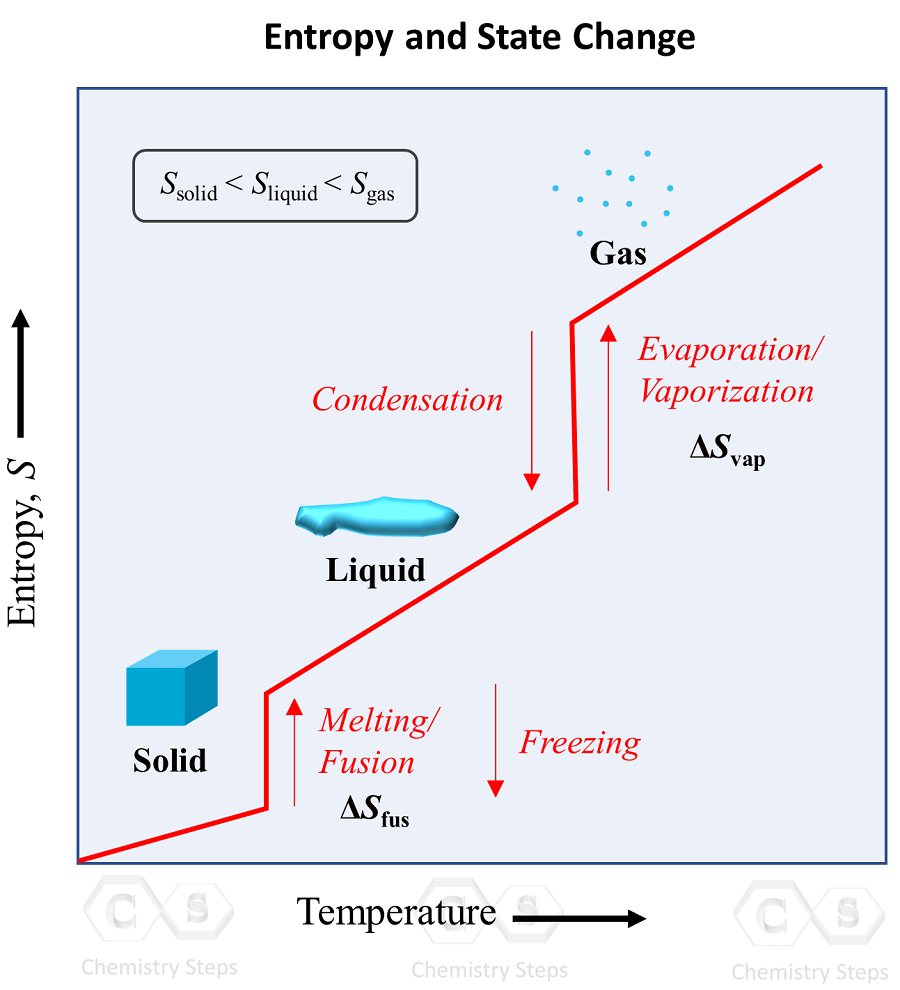
In the world of thermodynamics and material science, the transition of a substance from a liquid state to a gaseous state is scientifically known as vaporization. While this might sound like a basic principle taught in elementary chemistry, its application within the technology sector is both foundational and revolutionary. From the cooling systems that prevent your smartphone from overheating to the massive data centers powering the global AI revolution, the process of liquid turning into gas is a critical engineering tool.
Understanding “what liquid to gas is called” is the first step in grasping how engineers manage heat, energy, and performance in high-end hardware. As components become smaller and more powerful, the efficiency of vaporization—specifically through evaporation and boiling—has become the gold standard for thermal management.
The Science of Vaporization: Defining the Transition in Tech
To understand why this phase change is so vital to technology, we must first define the two primary ways vaporization occurs: evaporation and boiling. Both represent the transition from a liquid to a gas, but they operate under different physical constraints and serve different purposes in technological design.
Evaporation vs. Boiling: The Two Paths
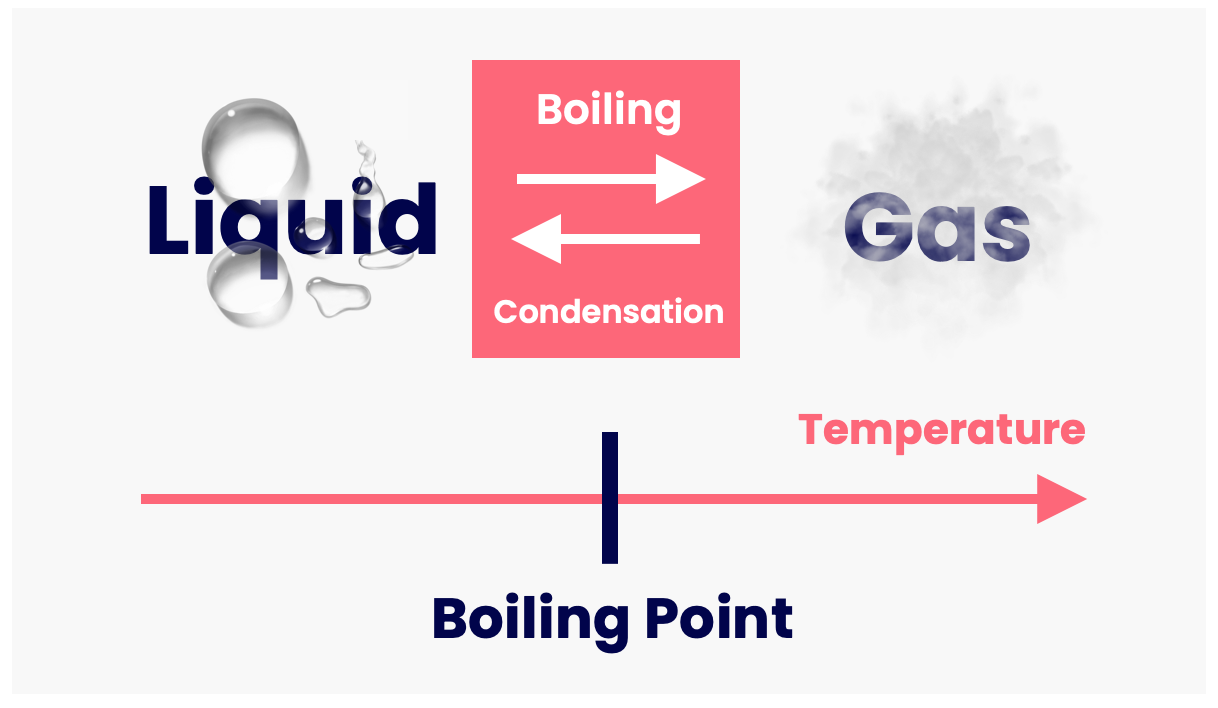
Evaporation is a surface phenomenon. It occurs at temperatures below the boiling point of a liquid and happens when molecules at the surface gain enough kinetic energy to escape into the air as vapor. In tech, this is often seen in passive cooling systems or environmental control units where moisture is used to regulate ambient temperatures.
Boiling, on the other hand, is a bulk phenomenon. It occurs when the vapor pressure of the liquid equals the external pressure surrounding the liquid. In high-performance computing, “nucleate boiling” is a highly sought-after state. This is where bubbles of gas form on the surface of a heat source (like a CPU), carrying away massive amounts of thermal energy as they rise.
Why Thermodynamics Matters in Hardware Design
The transition from liquid to gas is an endothermic process, meaning it absorbs heat. This is governed by the “latent heat of vaporization.” In the tech industry, engineers leverage this principle to move heat away from sensitive silicon components more efficiently than air ever could. As we reach the physical limits of traditional copper heat sinks and fans, the ability to transition a liquid to a gas has become the primary method for maintaining Moore’s Law and ensuring hardware longevity.
Thermal Management and High-Performance Computing
As processors become more dense, the heat they generate becomes more concentrated. Traditional air cooling relies on the heat capacity of air, which is relatively low. By utilizing the phase change from liquid to gas, tech companies can achieve cooling efficiencies that are orders of magnitude higher.
Vapor Chambers: The Future of Smartphone and Laptop Cooling
If you own a high-end gaming laptop or a flagship smartphone, it likely contains a “vapor chamber.” A vapor chamber is a vacuum-sealed metal unit containing a small amount of liquid (usually water). When the processor heats up, the liquid inside the chamber undergoes vaporization, turning into a gas.
This gas travels to the cooler areas of the chamber, where it condenses back into a liquid, releasing the heat it carried from the source. This continuous cycle of liquid-to-gas-to-liquid allows for incredibly thin devices to handle massive computational loads without throttling performance. It is a masterclass in utilizing the physics of vaporization within a confined tech ecosystem.
Two-Phase Immersion Cooling in Data Centers
On a larger scale, the “liquid to gas” transition is transforming how data centers operate. Traditional data centers use massive air conditioning units, which are energy-intensive and inefficient. Enter “Two-Phase Immersion Cooling.”
In this setup, entire server racks are submerged in a specially engineered dielectric fluid. As the chips run, the fluid reaches its boiling point and turns into gas. This gas rises to the top of the tank, hits a condenser coil, and falls back down as liquid. Because the transition from liquid to gas absorbs so much energy, this method can cool chips that produce significantly more heat than air-cooled systems can handle, making it a cornerstone technology for modern AI training clusters.
Liquid-to-Gas Transitions in Specialized Tech Sectors
Beyond consumer electronics and servers, the science of vaporization plays a pivotal role in the frontiers of aerospace, quantum computing, and specialized industrial tech.
Cryogenics and Quantum Computing
Quantum computers are perhaps the most temperature-sensitive technology ever created. To function, quantum bits (qubits) often need to be kept at temperatures near absolute zero. This is achieved using dilution refrigerators that rely on the phase transitions of helium isotopes.
In these systems, the movement of helium between different phases—including the transition from a liquid state to a gaseous state under vacuum—is what allows the system to reach millikelvin temperatures. Here, the “liquid to gas” process is not just about removing heat; it is about creating a stable environment where the laws of classical physics break down, allowing for the next generation of computation.
Propulsion Systems in Aerospace and Satellite Tech
In the aerospace sector, the transition from liquid to gas is the literal engine of progress. Liquid propulsion systems (like those used by SpaceX or Blue Origin) rely on the rapid expansion of liquid fuels (like liquid oxygen and liquid methane) into high-pressure gases.
The control of this phase change is a feat of extreme engineering. If the transition happens too slowly, the engine loses thrust; too quickly or uncontrollably, and the system fails. Furthermore, satellites use “cold gas thrusters” where a pressurized liquid is released into the vacuum of space, instantly vaporizing and providing the micro-thrust needed for precise orbital maneuvers.
The Future of Phase-Change Materials in Consumer Electronics
As we look toward the next decade of technology, the reliance on the liquid-to-gas transition is only set to increase. Engineers are now looking into “Phase-Change Materials” (PCMs) that can be integrated directly into the chassis of gadgets.
Energy Efficiency and Sustainability
The primary challenge of the modern tech era is power consumption. Data centers now account for a significant portion of global electricity usage, much of which is spent on cooling. By perfecting the liquid-to-gas cooling cycle, the tech industry can significantly reduce its “Power Usage Effectiveness” (PUE) ratio.
Systems that utilize natural vaporization and condensation cycles require fewer mechanical parts (like pumps and fans), leading to a lower carbon footprint. This makes the understanding of vaporization not just a technical necessity, but a pivot point for the industry’s sustainability goals.
Scaling AI Infrastructure through Advanced Cooling
The current explosion in Artificial Intelligence requires hardware that operates at unprecedented power densities. AI chips, such as the latest H100 and B200 GPUs from Nvidia, generate heat levels that make traditional cooling almost obsolete.
The tech industry is currently in a race to standardize liquid-to-gas cooling architectures. We are moving toward a “liquid-first” design philosophy, where the entire architecture of a computer is built around the path of the vapor. This ensures that as we push toward AGI (Artificial General Intelligence), the physical hardware won’t literally melt under the pressure of its own calculations.
Conclusion
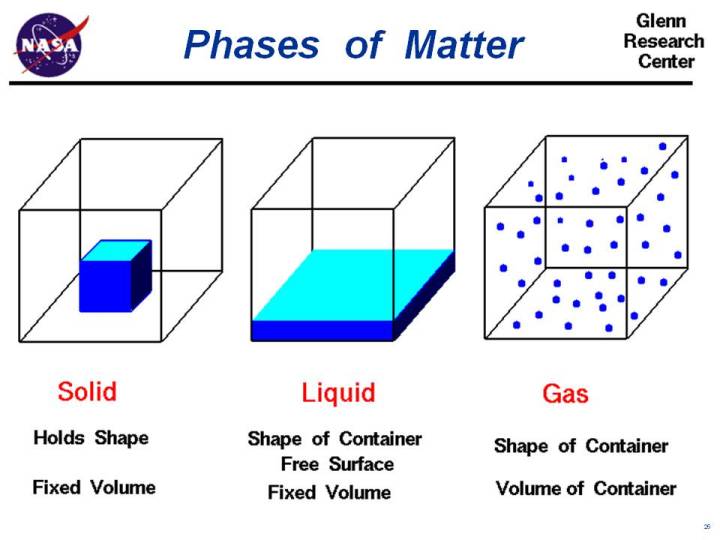
What is liquid to gas called? In a textbook, it is vaporization. In the world of technology, it is the fundamental process that enables the high-speed, high-powered digital life we lead today. From the microscopic cycles inside a smartphone’s vapor chamber to the churning vats of dielectric fluid in a global data center, this phase shift is the unsung hero of the tech world.
By mastering the transition from liquid to gas, engineers have been able to shrink our devices while expanding their capabilities. As we continue to push the boundaries of what is computationally possible, our ability to manipulate this basic law of physics will remain at the heart of technological innovation. Whether it’s through cooling, propulsion, or quantum stability, the journey from liquid to gas is where the future of tech is being forged.
aViewFromTheCave is a participant in the Amazon Services LLC Associates Program, an affiliate advertising program designed to provide a means for sites to earn advertising fees by advertising and linking to Amazon.com. Amazon, the Amazon logo, AmazonSupply, and the AmazonSupply logo are trademarks of Amazon.com, Inc. or its affiliates. As an Amazon Associate we earn affiliate commissions from qualifying purchases.