
For decades, the Subscriber Identity Module, or SIM card, has been the silent engine behind mobile connectivity. Most users recognize it as the tiny, fingernail-sized piece of plastic they pop into a new smartphone to activate their service. However, beneath its humble exterior lies a sophisticated piece of technology that has defined the architecture of global telecommunications. As we transition into an era of 5G, the Internet of Things (IoT), and embedded hardware, the role of the SIM card is evolving from a simple physical key to a complex digital identity framework.

The Fundamental Architecture of the Subscriber Identity Module
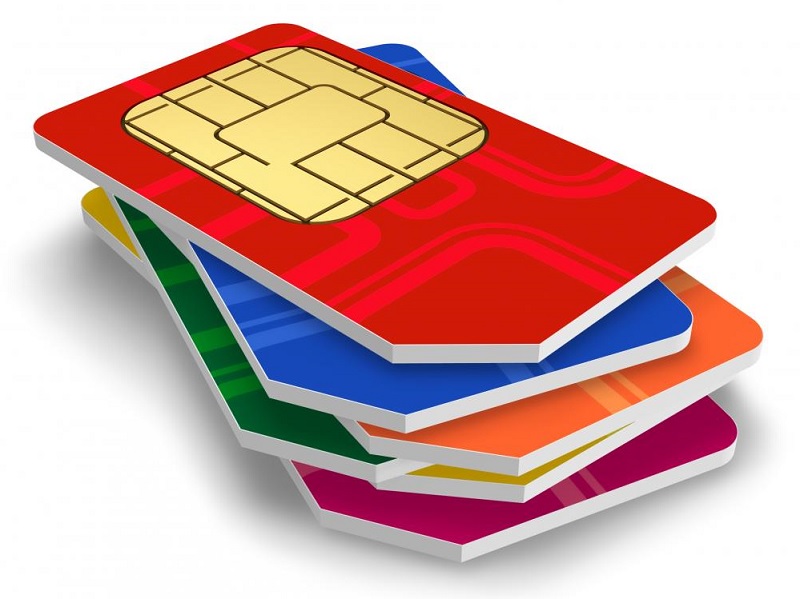
To understand what a SIM card is for, one must first view it not as a storage device, but as a secure microcontroller. Unlike a standard SD card, which is designed for high-capacity data storage, a SIM card is a dedicated computer with its own CPU, ROM, RAM, and EEPROM. Its primary purpose is to provide a secure environment for sensitive data that facilitates communication between a mobile device and a cellular network.
What is a SIM Card?
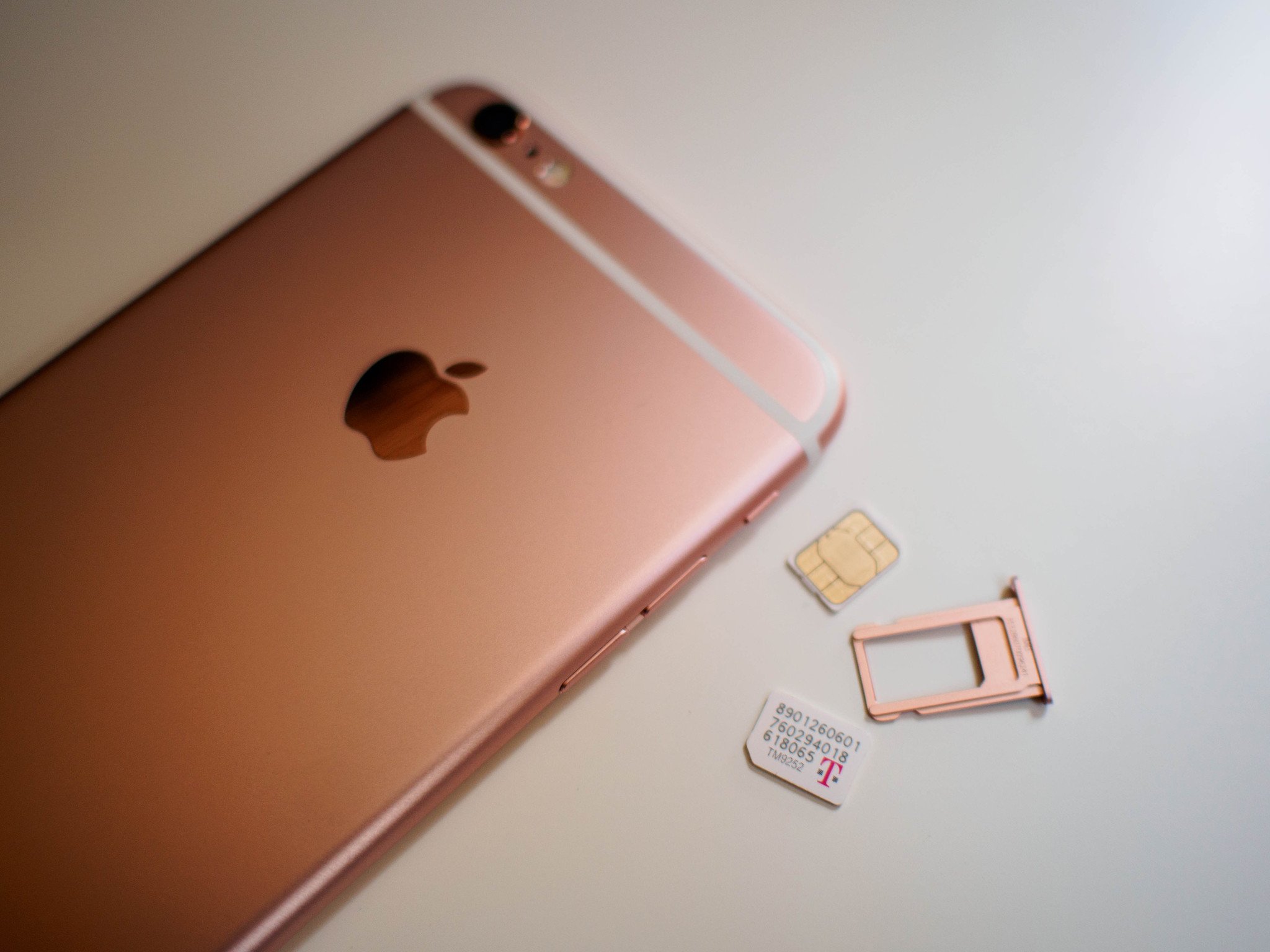
At its core, a SIM card is a smart card that securely stores the service-subscriber key used to identify a subscriber on mobile telephony devices. It serves as the bridge between the hardware (your phone) and the network provider (the carrier). Without it, a phone might have the radio hardware to detect a signal, but it lacks the credentials to “introduce” itself to the network and gain permission to transmit data, make calls, or send messages.
How Data is Stored and Authenticated
The SIM card functions through a cryptographic handshake. When you turn on your phone, it sends a unique identification number to the network. The network then sends back a random number, which the SIM card processes using a secret key (the Ki) stored deep within its hardware. If the resulting calculation matches the network’s expectation, access is granted. This process ensures that your identity cannot be easily spoofed, providing a foundational layer of security for mobile communications.
The ICCID and IMSI: The DNA of Your Connection
Every SIM card contains two critical pieces of data: the ICCID (Integrated Circuit Card Identifier) and the IMSI (International Mobile Subscriber Identity). The ICCID is the unique serial number of the physical card itself, usually printed on the back. The IMSI, however, is the internal identifier for the user’s account on the network. Together, these identifiers ensure that billing, data usage, and location tracking are accurately assigned to the correct user, regardless of which physical handset they are using.
The Evolution of Form Factors: From Credit Cards to eSIMs
The physical trajectory of the SIM card has been a journey of miniaturization. In the early 1990s, SIM cards were the size of a standard credit card. As mobile devices became sleeker and more feature-rich, the “real estate” inside a phone became incredibly valuable, leading to the rapid shrinking of the SIM.
Standard, Micro, and Nano SIMs
The industry moved from the “Full-size” SIM to the Mini-SIM, which most people remember from the early 2000s. This was followed by the Micro-SIM (popularized by the iPhone 4) and finally the Nano-SIM, which is the current standard for physical slots. Each iteration removed more of the surrounding plastic, eventually leaving only the gold-plated contact area and the chip itself. This progression was driven by the need for larger batteries and more complex camera modules within the smartphone chassis.
The Rise of eSIM Technology
The most significant technological shift in recent years is the transition to the eSIM (Embedded SIM). An eSIM is a programmable chip soldered directly onto the device’s motherboard. This eliminates the need for a physical slot and a removable card. For the consumer, this means the ability to switch carriers or add a secondary line via a software interface rather than waiting for a piece of plastic to arrive in the mail. From a hardware perspective, eSIMs allow for better waterproofing and more structural integrity in devices like smartwatches and ultra-thin laptops.
iSIM: The Future of Integrated Connectivity
The next frontier is the iSIM (Integrated SIM). While an eSIM is a separate chip on the motherboard, the iSIM integrates the SIM functionality directly into the device’s main processor (the System on a Chip or SoC). This further reduces power consumption and frees up even more space, making it an ideal solution for tiny wearable tech and localized sensors that require years of battery life.
Digital Security and the SIM: Protecting Your Mobile Identity
In the modern tech landscape, a SIM card is more than a connection tool; it is a security token. Because the SIM is inherently tied to a user’s legal identity and financial accounts through their phone number, it has become a primary target for cybercriminals and a cornerstone of digital defense.
Encryption and Network Authentication
SIM cards use robust encryption algorithms to ensure that the “talk” between your phone and the cell tower is private. Without this encryption, bad actors could intercept your calls or clone your identity to make fraudulent charges. The hardware-based security of the SIM—where keys are stored in a way that they cannot be read by the phone’s main operating system—makes it significantly more secure than software-only authentication methods.
SIM Swapping: A Critical Security Threat
As SIM cards became the default method for receiving Two-Factor Authentication (2FA) codes, a new vulnerability emerged: the SIM swap attack. In this scenario, a hacker uses social engineering to trick a carrier into porting your phone number to a SIM card in their possession. Once they control your number, they can bypass your bank’s security and reset passwords for your email and social media. This highlights the importance of the SIM not just as a piece of tech, but as a digital proxy for the user.
Two-Factor Authentication (2FA) and the SIM Role
Despite its vulnerabilities, SMS-based 2FA remains the most widely used security layer globally. The SIM card’s ability to receive a unique time-sensitive code provides a “something you have” layer of security. Tech enthusiasts and security professionals are increasingly moving toward hardware security keys or app-based authenticators, but the SIM card remains the most accessible security gatekeeper for billions of people.
The Role of SIM Cards in the Global IoT Ecosystem
While we often associate SIM cards with smartphones, their most explosive growth is currently occurring in the world of the Internet of Things (IoT). In this context, SIM cards are used to give “voice” to machines, allowing everything from vending machines to industrial tractors to communicate over cellular networks.
Connecting the Unconnected: IoT SIMs
IoT SIM cards are designed for durability and longevity. Unlike a consumer SIM that might be replaced every two years, an IoT SIM in a smart utility meter or a shipping container must withstand extreme temperatures and vibrations for a decade or more. These chips allow devices to transmit telemetry data, receive remote updates, and provide real-time tracking across international borders.
Low Power Wide Area Networks (LPWAN)
New tech standards like NB-IoT (Narrowband IoT) and LTE-M are optimized for SIM-enabled devices that don’t need high bandwidth but do need wide coverage and low power usage. A SIM card in a soil moisture sensor on a farm, for example, might only wake up once a day to send a few kilobytes of data, allowing the battery to last for several years. This is the “Tech” niche at its most impactful—using SIM architecture to build a more efficient, data-driven world.
Smart Cities and Industrial Automation
In the “Smart City” model, SIM cards act as the connective tissue. They are found in traffic lights to manage congestion, in waste bins to signal when they are full, and in municipal power grids to balance load. By providing a secure, standardized way for these devices to connect to 5G networks, the SIM card facilitates the massive data ingestion required for AI-driven city management.
Choosing the Right Connectivity: A Guide to Modern Mobile Integration
For the tech-savvy user, understanding SIM functionality is essential for optimizing mobile performance and managing digital footprints. Whether you are a digital nomad or a hardware developer, the way you interact with SIM technology defines your connectivity experience.
Dual SIM and Dual Standby Functionality
Many modern smartphones now offer Dual SIM capabilities, often combining one physical Nano-SIM slot with one eSIM. This allows users to maintain two separate phone numbers—perhaps one for work and one for personal use—on a single device. It also enables “Dual Standby,” where the phone can receive calls and texts on both numbers simultaneously, a feature that has revolutionized how professionals manage their digital boundaries.
Roaming and Local SIM Considerations for International Use
For international travelers, the SIM card is a tool for cost-efficiency. While many carriers offer international roaming, the “Tech-smart” approach often involves purchasing a local SIM or a travel-specific eSIM. By switching the SIM profile, a user can access local data rates, which are often a fraction of the cost of roaming fees. This practice underscores the SIM’s role as a modular identity; your device remains the same, but your network persona changes to suit your environment.
In conclusion, the SIM card has transitioned from a simple identification chip to a sophisticated pillar of digital security and global connectivity. As we move toward a future dominated by iSIMs and 5G-integrated devices, the physical card may disappear, but the “Subscriber Identity Module” logic will remain the heartbeat of the networked world. Understanding what SIM cards are for is no longer just about knowing how to make a phone call—it is about understanding the very fabric of our connected existence.
aViewFromTheCave is a participant in the Amazon Services LLC Associates Program, an affiliate advertising program designed to provide a means for sites to earn advertising fees by advertising and linking to Amazon.com. Amazon, the Amazon logo, AmazonSupply, and the AmazonSupply logo are trademarks of Amazon.com, Inc. or its affiliates. As an Amazon Associate we earn affiliate commissions from qualifying purchases.