
The term “hooker” evokes a host of images, largely shaped by historical narratives, media portrayals, and societal biases. However, the question of “what does a hooker look like” is not merely about physical appearance; it’s a complex inquiry into perception, identity, and the very real individuals who exist within this often-stigmatized profession. In the contemporary landscape, particularly within the digital sphere, dissecting this stereotype requires a nuanced understanding that transcends superficial observations. This article delves into the multifaceted reality of sex work, challenging simplistic notions and exploring how technology, marketing, and branding principles intersect with the personal financial realities of those involved.

The Evolving Landscape of Sex Work: Beyond the Salacious Stereotype
Historically, depictions of sex workers have been overwhelmingly characterized by a narrow and often exploitative lens. Media, from classic Hollywood films to sensationalized news reports, has frequently presented a homogenized and often caricatured image: the scantily clad woman on a street corner, the jaded madam in a smoky backroom. These representations frequently erase individuality, reducing complex human beings to two-dimensional archetypes. This narrative has contributed to a persistent societal stigma, impacting the safety, rights, and economic opportunities of sex workers.
Deconstructing the Visual Stereotype: A Spectrum of Identity
The very premise of the question “what does a hooker look like” is flawed because it seeks a singular, uniform appearance. In reality, individuals engaged in sex work, like any profession, represent an extraordinarily diverse demographic. Their appearances are as varied as the general population, influenced by personal style, cultural background, age, gender identity, and individual choices.
-
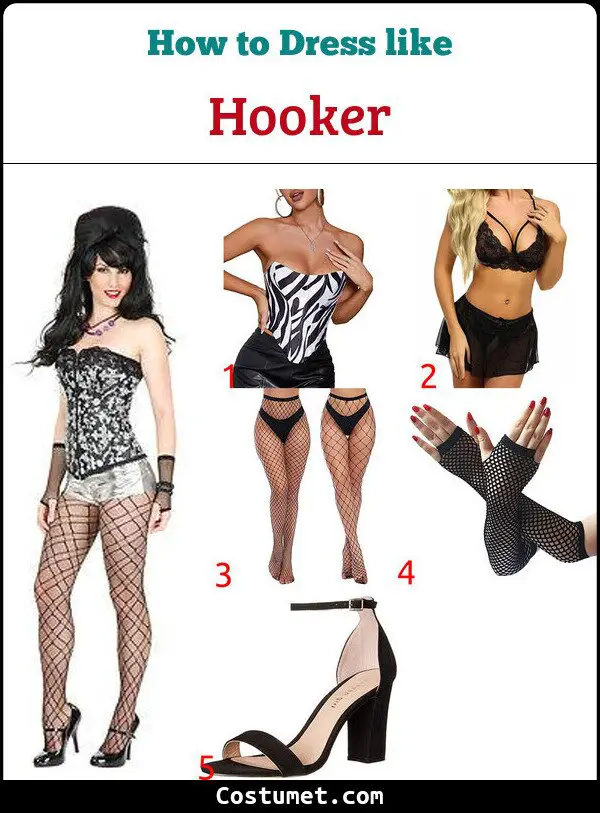
Personal Style and Presentation: Beyond the sensationalized imagery, many individuals in sex work utilize their presentation as a form of personal expression and, in some contexts, as a marketing tool. This can range from discreet, everyday attire to more elaborate costumes, depending on the specific service offered, the clientele, and personal preference. There is no uniform. The idea that there is a prescribed “look” is a manufactured perception, not a reality. What one individual chooses to wear to feel empowered or to attract a specific type of client says more about their personal agency and professional strategy than it does about a monolithic identity of sex work.
-
The Impact of Digital Platforms: The internet has revolutionized how sex work operates. Online platforms, escort directories, and social media have created spaces where individuals can curate their own representations. This allows for a far greater diversity of visual presentation than was previously possible. Individuals can showcase their personality, their preferred aesthetic, and the specific services they offer through carefully selected photographs and written descriptions. This self-representation is a powerful counter-narrative to external stereotypes. It highlights that “what a hooker looks like” is, in fact, a self-defined aesthetic and a curated digital persona.
-
Beyond Gender and Sexuality: The historical portrayal has overwhelmingly focused on cisgender, heterosexual women. However, sex work encompasses individuals of all genders and sexual orientations, including transgender individuals, gay men, and non-binary people. Their appearances are as varied as their identities, further dismantling any notion of a singular “look.” To limit the definition of “what a hooker looks like” to a narrow gender and sexual expression is to ignore the lived realities of a significant portion of the sex-working community.
Branding and Marketing in the Digital Sex Work Economy
The digital age has profoundly impacted the business of sex work, transforming it into a sector where branding and marketing principles are not only relevant but often crucial for success and safety. Individuals who engage in sex work often operate as independent contractors, requiring them to develop personal brands, market their services, and manage their online presence effectively. This is a realm where understanding brand strategy and marketing tactics can directly influence an individual’s income and their ability to control their work.
Crafting a Personal Brand: More Than Just a Pretty Picture
For many sex workers, their online presence is their primary storefront. This necessitates a deliberate approach to branding, much like any other entrepreneur or freelancer. The “look” they project, both visually and in their written communication, is a strategic choice designed to attract a specific clientele and differentiate themselves in a competitive market.
-
Visual Identity and Aesthetics: The photographs used on profiles are not simply snapshots; they are carefully chosen marketing assets. These images communicate a desired aesthetic, a level of professionalism, and the type of experience a client can expect. This involves understanding lighting, composition, and styling, all elements of visual branding. The “look” here is intentionally constructed to align with perceived client desires and to project an appealing and trustworthy image.
-
Narrative and Tone: Beyond visuals, the written descriptions and communication styles employed are integral to personal branding. The language used, the personality conveyed, and the clarity of service offerings all contribute to how an individual is perceived. This is about crafting a narrative that resonates with potential clients and establishes a sense of connection or allure. The “look” extends to the voice and the persona presented in text.
-
Niche Marketing and Target Audiences: Just as businesses identify target markets, sex workers often specialize in specific services or cater to particular demographics. This specialization influences their branding and marketing strategies. The “look” can be tailored to appeal to a specific client base, whether it’s through the type of photos, the services advertised, or the overall presentation of their online profile.
The Role of Online Platforms and Digital Marketing Tools
The digital landscape provides the infrastructure for these branding and marketing efforts. Websites, escort directories, social media platforms, and encrypted messaging apps all play a role in how sex workers reach their clients and manage their businesses.
- Website and Profile Optimization: For individuals with their own websites, search engine optimization (SEO) becomes a relevant concern. Ensuring their profiles are discoverable and appealing requires an understanding of online visibility. The “look” of their website and the keywords they use are part of this optimization strategy.

-
Social Media Engagement: Many sex workers leverage social media for marketing and building a following. This involves creating engaging content, interacting with potential clients, and maintaining a consistent online persona. The “look” is then a dynamic element, evolving with trends and personal brand evolution.
-
Reputation Management: In the digital age, reviews and testimonials can significantly impact a sex worker’s business. Managing one’s online reputation, responding to feedback, and ensuring positive digital footprints are critical aspects of their professional practice. This reinforces the importance of a well-defined and consistently presented “look” that aligns with client expectations and satisfaction.
The Financial Realities: Income, Expenses, and Economic Independence
While the societal discourse surrounding sex work often fixates on moral judgments, the economic realities for those in the profession are paramount. The question of “what does a hooker look like” can also be reframed to understand the financial picture: what does their financial life entail, and what are the economic drivers and challenges they face? For many, sex work represents a means of achieving economic independence, pursuing entrepreneurial ventures, and supporting themselves and their families.
Revenue Streams and Income Generation
The income generated from sex work can vary dramatically, influenced by factors such as location, specialization, client base, and individual marketing efforts. Understanding the financial mechanisms is key to dispelling myths and appreciating the economic agency involved.
-
Direct Service Fees: The primary revenue stream typically comes from fees charged for services rendered. These fees are often set by the individual, reflecting their perceived value, expertise, and market demand. The “look” here is less about appearance and more about the value proposition presented.
-
Ancillary Services and Upselling: Beyond core services, some sex workers offer additional amenities or specialized experiences that can increase their income. This requires an understanding of client desires and the ability to market complementary offerings.
-
Entrepreneurial Ventures: For some, sex work is a stepping stone to other entrepreneurial endeavors. The skills developed in marketing, client management, and financial planning can be transferable to other business ventures. The “look” of their financial success can extend beyond the immediate confines of sex work.
Managing Finances: Expenses, Taxes, and Financial Planning
Operating as an independent contractor in sex work necessitates robust financial management skills. This includes tracking income, managing expenses, and, in some jurisdictions, navigating the complexities of taxation.
-
Business Expenses: Like any business, sex work involves various expenses. These can include marketing costs (website hosting, advertising), travel, accommodation, clothing, and personal safety measures. The “look” of their financial outlay is often for business growth and operational necessities.
-
Taxation and Legal Considerations: The legal status of sex work varies significantly by region, impacting how income is reported and taxed. For those operating in legal frameworks, understanding tax obligations is crucial for financial stability and compliance. This is a critical aspect of their financial “look.”
-
Saving and Investment: Aspiring to financial security requires individuals to save and potentially invest their earnings. This can involve building emergency funds, saving for retirement, or investing in further education or other business ventures. The “look” of long-term financial health is a conscious goal for many.
The Pursuit of Economic Independence and Agency
For many, the allure of sex work lies in the potential for economic independence and the ability to control their own work and income. This can be particularly appealing for individuals who have faced barriers to traditional employment or who seek greater autonomy.
-
Autonomy and Self-Determination: The ability to set one’s own hours, choose clients, and dictate terms of service provides a level of autonomy that is often sought after. This personal agency is a significant aspect of their financial narrative. The “look” of their freedom is intrinsically tied to their financial control.
-
Challenging Stigma Through Financial Success: By achieving financial success and demonstrating professional acumen, individuals in sex work can challenge societal stigmas and misconceptions. Their financial stability and independence become a powerful testament to their capabilities. The “look” of their prosperity can be a form of advocacy.
-
The Interplay of Safety and Income: While economic independence is a draw, safety remains a paramount concern. The financial decisions made are often intertwined with the need to ensure personal safety, which can involve investing in secure working environments, reliable transportation, and robust communication systems. The “look” of their financial investment is often for their personal security.
In conclusion, the question “what does a hooker look like” is far more than a superficial inquiry into physical appearance. It is a complex query that, when examined through the lenses of technology, branding, and finance, reveals a diverse, dynamic, and often entrepreneurial community. The digital age has empowered individuals in sex work to craft their own narratives, build personal brands, and pursue economic independence. By deconstructing the stereotypes and understanding the multifaceted realities, we can move towards a more informed and empathetic perspective on the individuals who navigate this often-misunderstood profession.
aViewFromTheCave is a participant in the Amazon Services LLC Associates Program, an affiliate advertising program designed to provide a means for sites to earn advertising fees by advertising and linking to Amazon.com. Amazon, the Amazon logo, AmazonSupply, and the AmazonSupply logo are trademarks of Amazon.com, Inc. or its affiliates. As an Amazon Associate we earn affiliate commissions from qualifying purchases.