
Vehicle stability is paramount for safe driving, and modern automotive technology has made significant strides in assisting drivers maintain control under challenging conditions. Among the most critical of these innovations is Vehicle Stability Control (VSC), a sophisticated electronic system designed to prevent skidding and loss of control. In Lexus vehicles, VSC is a standard feature, embodying the brand’s commitment to safety and technological excellence. At its core, Lexus VSC is an advanced computerized system that works in the background, constantly monitoring vehicle dynamics and intervening milliseconds before a driver might even detect an issue, restoring stability and preventing potential accidents. It represents a pinnacle in passive and active safety systems, seamlessly integrating with other vehicle technologies to create a safer driving experience.
The Core Technology Behind Vehicle Stability Control
Lexus VSC is not a standalone invention but rather the culmination of decades of automotive safety research and the integration of multiple electronic systems. Its fundamental purpose is to detect and mitigate uncontrolled skidding, which can occur during sharp turns, sudden lane changes, or driving on slippery surfaces. The system achieves this by selectively applying individual brakes and, if necessary, reducing engine power, thereby guiding the vehicle back onto its intended path.
A Legacy of Safety Innovation
The concept of electronic stability control originated in the late 20th century, with its widespread adoption starting in the early 2000s. Lexus, like many premium manufacturers, quickly embraced and refined this technology, making VSC a cornerstone of its safety package. This dedication to integrating cutting-edge safety features reflects a broader industry trend towards using advanced electronics to compensate for human error and environmental variables, enhancing the fundamental physics of vehicle control with computational precision.
How VSC Intervenes
Imagine a scenario where a car takes a corner too quickly, and the rear wheels begin to slide outwards (oversteer), or the front wheels lose grip and the car pushes wide (understeer). Without VSC, correcting this would require expert driving skills, often involving precise counter-steering and delicate throttle modulation. VSC automates this process. When its sensors detect that the vehicle is deviating from the driver’s intended path, the VSC’s electronic control unit (ECU) instantaneously calculates the necessary corrections. These corrections are subtle but highly effective: applying the brake to a single wheel or multiple wheels, and/or momentarily cutting engine power, to bring the vehicle back in line. This intervention happens so quickly that many drivers may not even consciously perceive it, only noticing that the vehicle maintains its stability despite adverse conditions.
Sensor Network and Data Interpretation
The effectiveness of VSC hinges on a sophisticated network of sensors that continuously feed data to the VSC ECU. These sensors act as the “eyes and ears” of the system, providing real-time information about the vehicle’s motion, the driver’s inputs, and the road conditions. The ECU then processes this data at lightning speed, comparing the actual vehicle behavior with the driver’s steering inputs and determining if a loss of control is imminent. This constant monitoring and rapid data interpretation are what allow VSC to be a proactive rather than merely reactive safety system.
Components and Functionality of Lexus VSC
Understanding the individual components of the Lexus VSC system helps to appreciate the complexity and ingenuity involved in its operation. Each part plays a critical role in collecting data, processing it, and executing corrective actions.
Wheel Speed Sensors
Integrated into the anti-lock braking system (ABS), these sensors monitor the rotational speed of each wheel. Discrepancies in wheel speeds can indicate a loss of traction, such as when one wheel spins faster than others on a slippery surface, or when a wheel is locking up during braking. This data is crucial for VSC to determine if a skid is beginning.
Steering Angle Sensor
Located in the steering column, this sensor measures the precise angle of the steering wheel. This tells the VSC ECU the driver’s intended direction. By comparing the steering angle with the actual direction of the vehicle’s travel (as determined by other sensors), the system can identify if the vehicle is oversteering or understeering relative to the driver’s input.
Yaw Rate Sensor and G-Sensor
The yaw rate sensor measures the vehicle’s rotation around its vertical axis (i.e., how much the car is turning or sliding sideways). The G-sensor (or lateral acceleration sensor) measures the vehicle’s sideways acceleration. These two sensors are vital for detecting the onset of a skid or a slide, indicating that the vehicle’s actual movement deviates from the driver’s desired path. Together, they provide real-time feedback on the vehicle’s dynamic stability.
The VSC ECU (Electronic Control Unit)
This is the “brain” of the VSC system. It receives data from all the aforementioned sensors, processes it through complex algorithms, and makes instantaneous decisions about how to restore stability. The VSC ECU often communicates with the engine’s ECU and the transmission control unit (TCU) to coordinate comprehensive vehicle intervention.
Brake Actuation and Engine Torque Reduction
Once the VSC ECU determines that intervention is necessary, it can activate specific actuators. The primary method of correction involves the precise, independent application of brakes to individual wheels. For instance, if the car is oversteering (rear sliding out), VSC might brake the outer front wheel to create a yaw moment that pulls the rear back into line. Simultaneously, the VSC ECU can signal the engine’s ECU to momentarily reduce engine power, thereby decreasing the driving force applied to the wheels and helping to regain traction without the driver having to lift off the accelerator. This dual approach of braking and power reduction is incredibly effective in restoring vehicle stability.
Driving Scenarios Where VSC Shines

The beauty of Lexus VSC lies in its ability to enhance safety across a wide range of driving conditions and scenarios, particularly those that challenge a vehicle’s stability limits.
Mitigating Oversteer and Understeer
These are the two primary forms of skidding that VSC is designed to combat.
- Oversteer: Occurs when the rear wheels lose traction, causing the back of the car to swing out, often referred to as “fishtailing.” VSC will typically brake the outer front wheel and reduce engine power to help the vehicle regain its intended trajectory.
- Understeer: Happens when the front wheels lose traction, causing the car to continue in a straighter line than the steering input dictates, “plowing” through a turn. VSC might brake the inner rear wheel to help pivot the vehicle and reduce engine power to allow the front wheels to regain grip.
Slippery Road Conditions
Rain, snow, ice, or gravel significantly reduce tire grip, making skids much more likely. VSC becomes an invaluable asset in these environments, acting as an extra layer of protection, constantly monitoring for the slightest loss of traction and intervening before a dangerous situation can fully develop. This enhances driver confidence and drastically reduces the risk of accidents on treacherous surfaces.
Emergency Maneuvers
When a driver suddenly swerves to avoid an obstacle (like a sudden lane change or an animal in the road), the rapid weight transfer and steering input can destabilize the vehicle. VSC helps to manage these violent changes in vehicle dynamics, ensuring the car remains controllable during high-stress, evasive actions. It helps prevent rollovers in certain scenarios by limiting lateral forces.
Enhancing Driver Confidence
Beyond its direct safety benefits, VSC provides a significant psychological advantage. Knowing that such an advanced system is actively working in the background allows drivers to feel more secure, especially when encountering unexpected road conditions or needing to perform sudden maneuvers. This increased confidence can, paradoxically, lead to safer driving as drivers are less likely to panic in challenging situations.
VSC in the Broader Automotive Technology Landscape
Lexus VSC does not operate in isolation. It is a fundamental component of a larger ecosystem of advanced driver-assistance systems (ADAS) and works synergistically with other safety technologies to provide comprehensive vehicle control.
Integration with Traction Control (TRAC) and Anti-lock Braking System (ABS)
VSC is intrinsically linked with both the Traction Control (TRAC) system and the Anti-lock Braking System (ABS). In many Lexus models, TRAC prevents wheel spin during acceleration, ensuring maximum grip when power is applied. ABS prevents wheel lock-up during hard braking, allowing the driver to steer while braking. VSC builds upon these foundational systems, using their sensors and actuators to achieve overall vehicle stability. The VSC ECU often oversees and coordinates the functions of TRAC and ABS, creating a unified approach to maintaining control. For instance, if VSC detects oversteer, it might use the ABS hardware to apply individual wheel brakes and communicate with TRAC to reduce engine power.
The Evolution Towards Advanced Driver-Assistance Systems (ADAS)
VSC is a precursor and a foundational technology for many modern ADAS features. Systems like lane-keeping assist, adaptive cruise control, and pre-collision systems often rely on the precise vehicle control capabilities and sensor data initially developed for stability control. As vehicles become more autonomous, the ability to accurately sense vehicle dynamics and execute precise braking and throttle commands, pioneered by systems like VSC, becomes even more critical for higher levels of automated driving. It’s a key building block in the journey towards fully self-driving cars.
User Interaction and Disabling VSC (When and Why)
While VSC is almost always beneficial, Lexus vehicles typically include a button to temporarily disable the system (or parts of it). This is generally not recommended for everyday driving. However, there are specific, niche situations where disabling VSC can be advantageous:
- Driving in deep snow or mud: Sometimes, a controlled amount of wheel spin is necessary to “rock” the vehicle free from being stuck. VSC, by design, would limit this spin, potentially hindering escape.
- Performance driving on a track: Experienced drivers in controlled environments might want to disable VSC to execute specific driving techniques, such as drifting, where controlled loss of traction is desired. This should only be done by skilled individuals in safe, private settings.
In most normal driving conditions, VSC should remain active, as its benefits far outweigh any minor disadvantages.
Maintaining Your Lexus VSC System
Like any complex electronic system, the Lexus VSC requires proper functioning of all its components to be effective. While it generally requires little direct maintenance, awareness of its operational status is important.
Warning Lights and Diagnostics
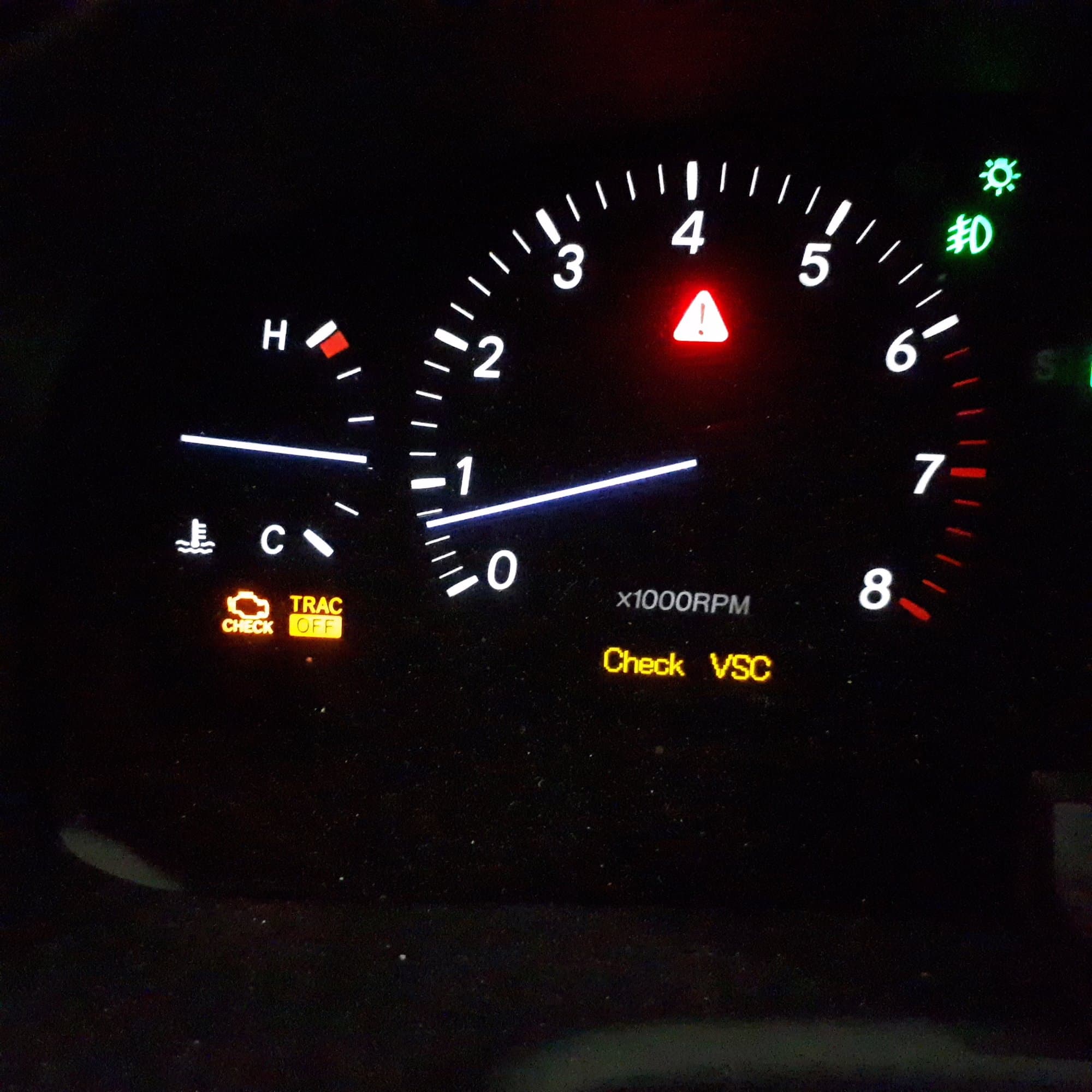
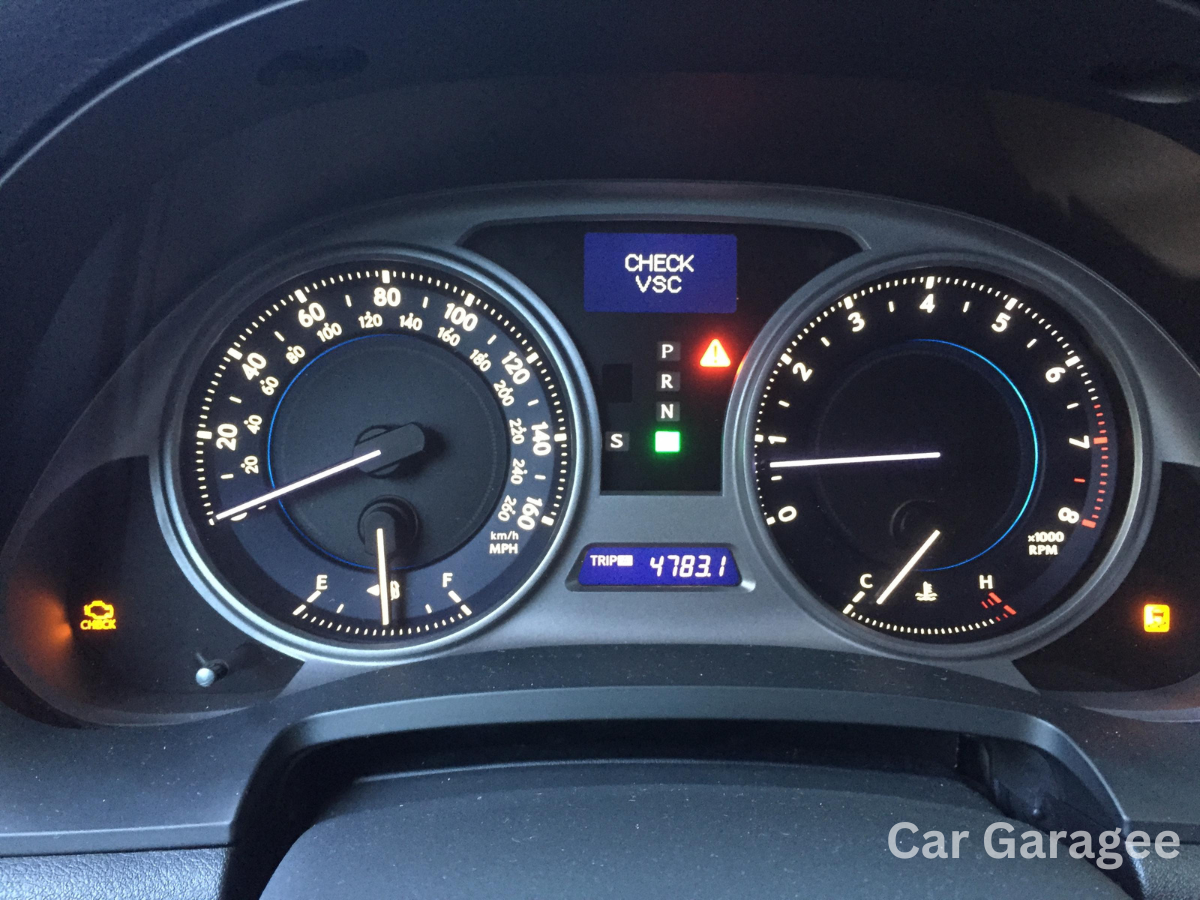
A dedicated VSC warning light (often a car icon with wavy lines underneath) on the dashboard illuminates if the system detects a malfunction. This could be due to a faulty sensor, an issue with the ECU, or a problem within the braking system that VSC relies upon. If this light comes on, it’s crucial to have the vehicle inspected by a qualified technician promptly. The vehicle may still be drivable, but its stability control capabilities will be compromised. Modern Lexus vehicles also integrate sophisticated diagnostic tools that can pinpoint the exact component causing an error within the VSC system, facilitating quicker and more accurate repairs.
Professional Servicing and Calibration
While routine user maintenance for VSC isn’t extensive, ensuring that tire pressures are correct, tires are in good condition, and the alignment is true all contribute to the system’s optimal performance. Any significant suspension or steering work on the vehicle may require recalibration of the steering angle sensor or other VSC components to ensure they are accurately reporting data to the ECU. Lexus service centers have the specialized equipment and trained technicians to perform these calibrations, ensuring the VSC system operates as intended and continues to provide the high level of safety expected from a Lexus vehicle.
aViewFromTheCave is a participant in the Amazon Services LLC Associates Program, an affiliate advertising program designed to provide a means for sites to earn advertising fees by advertising and linking to Amazon.com. Amazon, the Amazon logo, AmazonSupply, and the AmazonSupply logo are trademarks of Amazon.com, Inc. or its affiliates. As an Amazon Associate we earn affiliate commissions from qualifying purchases.