
In an increasingly digitized financial landscape, knowing the core details of your checking account is more crucial than ever. From setting up direct deposits for your paycheck, automating bill payments, or initiating a wire transfer, your checking account number is a vital piece of information. Yet, for many, locating this specific identifier can sometimes feel like a treasure hunt. Unlike your debit card number, which is prominently displayed, your checking account number is typically kept less visible for security reasons.
This comprehensive guide aims to demystify the process, providing clear, actionable steps to help you confidently locate your checking account number. Understanding where to find it and how it functions within your financial life is not just about convenience; it’s a fundamental aspect of effective personal finance management and security. Let’s delve into the various methods and best practices that will ensure you’re always in control of your financial identification.

Understanding Your Account Numbers: Checking vs. Routing
Before we jump into where to find your checking account number, it’s essential to clarify what it is and how it differs from another critical piece of financial identification: your bank’s routing number. Confusing the two can lead to significant delays or even failed transactions, so a clear understanding is paramount.
What is a Checking Account Number?
Your checking account number is a unique identifier assigned by your financial institution to your specific checking account. Think of it as your account’s personal street address within the bank. This number, typically ranging from 10 to 12 digits, distinguishes your account from all others held at the same institution. It is used for all transactions that directly involve funds moving into or out of your individual account, such as direct deposits, automated clearing house (ACH) payments, and wire transfers. When someone needs to send money specifically to your account, or you need to authorize a withdrawal from it, this is the number you provide.
What is a Routing Number?
In contrast, a routing number (also known as an ABA routing number or routing transit number) identifies your financial institution itself, rather than your specific account. This 9-digit number is like the bank’s zip code, directing transactions to the correct bank before the checking account number specifies the exact destination within that bank. Each bank, and sometimes even different branches of the same bank, will have one or more unique routing numbers. Routing numbers are primarily used for processing checks, electronic funds transfers (EFTs), and online bill payments, ensuring that funds are routed to the correct financial institution.
Why Both are Crucial (and Why You Need to Distinguish Them)
Both your checking account number and your routing number are indispensable for seamless financial operations. Together, they form a complete address for any transaction, ensuring funds reach the right bank and the right account. Providing an incorrect routing number might send funds to the wrong bank entirely, while an incorrect checking account number could lead to a transaction failing or, in unfortunate circumstances, funds being deposited into another person’s account. Always double-check which number is being requested and ensure you provide the correct one to avoid any financial headaches.
Your Primary Sources for Locating Your Account Number
Fortunately, your checking account number isn’t hidden away in a secret vault. There are several readily accessible and reliable sources where you can find this crucial detail. These methods range from traditional paper documents to modern digital platforms, catering to various preferences and circumstances.
Checkbooks: The Traditional Method
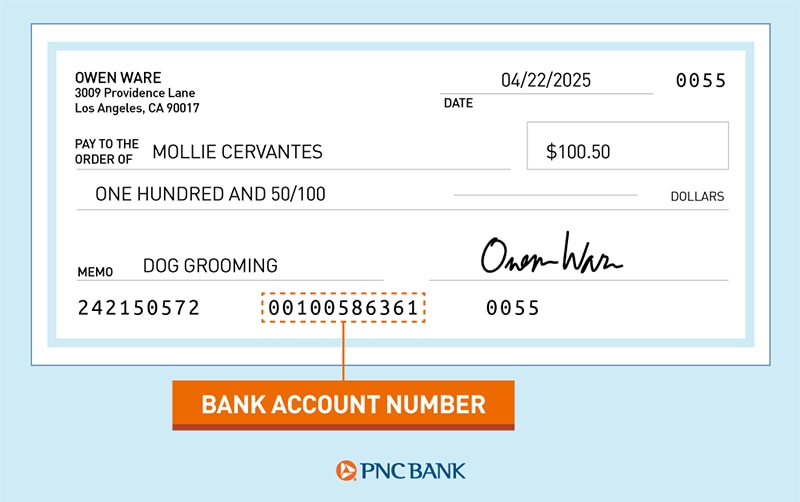
For many, the physical checkbook remains the most iconic source of checking account information. On a standard check, you’ll find a series of numbers printed along the bottom edge in magnetic ink (known as the MICR or Magnetic Ink Character Recognition line). These numbers are arranged in a specific order:
- Routing Number: The first set of 9 digits on the left.
- Account Number: The second set of numbers, typically 10-12 digits, located in the middle.
- Check Number: The last set of numbers, usually 3-4 digits, on the right.
To identify your account number, simply look for the middle series of numbers. It’s crucial to use a blank check from your checkbook to ensure accuracy, as numbers can vary between accounts and even within the same household. This method is often the quickest for those who still keep a physical checkbook.
Online Banking Portals: Digital Convenience
In today’s digital age, your online banking portal is perhaps the most convenient and frequently used method for accessing your account details. Virtually all major financial institutions provide secure online platforms where you can manage your accounts.
To find your checking account number:
- Log In: Access your bank’s website and log in to your account using your username and password.
- Navigate to Account Details: Once logged in, look for a section related to “Account Details,” “Account Summary,” “My Accounts,” or similar. You might need to click on the specific checking account you wish to view.
- Locate Information: Within the account details, you should see your checking account number clearly listed. Some banks may require an additional click on “Show Details” or “View Account Information” for security reasons.
Always ensure you are using a secure, private network and a trusted device when accessing sensitive financial information online. Never click on suspicious links or provide login credentials in response to unsolicited emails.
Monthly Bank Statements: A Reliable Record
Whether you receive paper statements in the mail or access them digitally through your online banking portal, your monthly bank statement is a comprehensive record of your account activity and details.
Your checking account number is almost always prominently displayed on your bank statement, typically in the top section alongside your name and address, or within an “Account Summary” box. If you receive digital statements, you can usually download them as a PDF from your online banking portal and find the information there. Bank statements are particularly useful if you don’t have a checkbook readily available or prefer a physical record.
Mobile Banking Apps: On-the-Go Access
Similar to online banking portals, most banks offer mobile banking apps that provide a streamlined experience for managing your finances from your smartphone or tablet. The process for finding your checking account number through a mobile app is often very intuitive:
- Log In: Open your bank’s mobile app and log in using your credentials, possibly with biometric authentication (fingerprint, face ID) if enabled.
- Select Account: Tap on your checking account from the home screen or account list.
- View Details: Look for an option like “Account Details,” “Account Info,” or a small ‘i’ icon next to your account balance. Your checking account number, often masked for security, will be displayed, usually with an option to reveal the full number.
Mobile banking apps offer unparalleled convenience, but it’s vital to maintain strong security practices, such as using strong passcodes for your device, enabling multi-factor authentication, and ensuring the app is always updated to the latest version.
Alternative Avenues When Primary Sources Aren’t Available
While the primary sources listed above cover most scenarios, there might be times when you don’t have access to your checkbook, online banking, or statements. In such cases, a few alternative methods can help you retrieve your checking account number.
Contacting Your Bank Directly: The Personal Touch
If digital or paper records are inaccessible, reaching out to your bank directly is a reliable option.
- Phone Support: Call your bank’s customer service number. Be prepared to go through a rigorous identity verification process. This will typically involve confirming personal details like your full name, address, date of birth, Social Security Number, and possibly recent transaction history or answers to security questions. Have a pen and paper ready to jot down the number once it’s provided.
- In-Person Visit: If you prefer face-to-face interaction or if phone verification proves difficult, visit a local branch of your bank. Bring a valid government-issued photo ID (driver’s license, passport) and potentially your debit card, as these will be required to confirm your identity before any account information can be disclosed. This method offers the highest level of security and personalized assistance.
Remember that contacting your bank is a secure way to obtain your information, but it requires patience and adherence to their security protocols.
Debit Card: Limited Information, But Useful for Verification
It’s a common misconception that your checking account number is printed on your debit card. It is not. Your debit card displays a unique 16-digit card number, an expiration date, and a CVV (Card Verification Value) code, all specific to the card for transaction processing.
However, your debit card can be indirectly helpful. When contacting your bank by phone or visiting a branch, providing your debit card number can sometimes assist in the identity verification process, making it quicker for customer service representatives to locate your account and confirm your identity before disclosing your checking account number.
Deposit Slips: Another Physical Document
Similar to checks, deposit slips also contain your bank’s routing number and your checking account number. If you have blank deposit slips for your checking account, you can find the numbers printed along the bottom in the same MICR format as on a check. The routing number will be on the left, and your checking account number will be in the middle. While less commonly kept by individuals than checkbooks, if you have one lying around, it’s a quick and reliable source.
Best Practices for Managing Your Account Numbers Securely
Knowing how to find your checking account number is only half the battle; managing this sensitive information securely is equally, if not more, important. Your checking account number, especially when combined with your routing number, is a key to your financial resources, and its compromise can lead to significant financial risk, including fraud and identity theft.
Importance of Data Security
In a world rife with phishing scams, data breaches, and sophisticated fraudsters, protecting your financial identifiers is paramount. Unauthorized access to your checking account number can enable criminals to:
- Initiate fraudulent withdrawals (ACH fraud).
- Create fake checks.
- Set up unauthorized direct debits.
- Potentially gain access to other linked financial accounts if they also obtain personal identification information.
The consequences can range from minor inconveniences to severe financial losses and prolonged efforts to restore your financial security.
Safe Storage and Handling
Implement these best practices to safeguard your checking account number:
- Limit Sharing: Only provide your checking account and routing numbers to trusted entities for legitimate purposes (e.g., your employer for direct deposit, utility companies for bill pay, or a government agency). Be wary of unsolicited requests for this information.
- Shred Sensitive Documents: Do not simply throw away old bank statements, voided checks, or deposit slips. Shred them thoroughly to prevent dumpster diving identity theft.
- Strong Passwords and Multi-Factor Authentication (MFA): For online banking portals and mobile apps, use strong, unique passwords that combine letters, numbers, and symbols. Enable multi-factor authentication whenever available, as it adds an extra layer of security by requiring a second form of verification (e.g., a code sent to your phone) beyond just your password.
- Secure Networks: Only access your online banking and mobile apps over secure, private Wi-Fi networks. Avoid using public Wi-Fi networks for financial transactions, as they are often unencrypted and vulnerable to eavesdropping.
- Monitor Account Activity: Regularly review your bank statements and online transaction history for any unauthorized or suspicious activity. Promptly report any discrepancies to your bank.
When to Be Cautious
Develop a healthy skepticism about requests for your financial information:
- Unsolicited Communications: Be extremely cautious of emails, text messages, or phone calls from individuals or organizations you don’t recognize asking for your account numbers or other sensitive data. Legitimate banks will never ask you for your full account number, password, or PIN via email or text.
- Verify Requests: If you receive a request from a seemingly legitimate source (e.g., a service provider), independently verify the request by contacting the organization through an official phone number or website (not one provided in the suspicious communication).
- Secure Websites: Always ensure that any website where you enter financial information is secure. Look for “https://” in the URL and a padlock icon in your browser’s address bar.
By adopting these vigilant practices, you can significantly reduce the risk of your checking account number falling into the wrong hands and maintain the integrity of your personal finances.

Conclusion
Your checking account number is more than just a string of digits; it’s a fundamental key to managing your personal finances in today’s interconnected world. Whether you’re setting up essential services, receiving your income, or ensuring bills are paid on time, knowing where and how to locate this number is an indispensable skill.
From the traditional reliability of your checkbook and bank statements to the modern convenience of online banking portals and mobile apps, numerous avenues exist to find this vital piece of information. When these primary methods are unavailable, your bank’s customer service or a visit to a local branch stands ready to assist, provided you can verify your identity.
Beyond simply finding the number, the ongoing commitment to securing it is paramount. By understanding the distinction between your checking and routing numbers, utilizing robust digital security practices, and exercising caution when sharing sensitive financial data, you empower yourself to navigate your financial life with confidence and peace of mind. Embrace these insights, and you’ll always be in command of your financial identity.
aViewFromTheCave is a participant in the Amazon Services LLC Associates Program, an affiliate advertising program designed to provide a means for sites to earn advertising fees by advertising and linking to Amazon.com. Amazon, the Amazon logo, AmazonSupply, and the AmazonSupply logo are trademarks of Amazon.com, Inc. or its affiliates. As an Amazon Associate we earn affiliate commissions from qualifying purchases.