
The landscape of portable computing underwent a seismic shift in early 2024 when Apple unveiled its most significant update to the iPad family in years. For those asking “what is the latest Apple iPad,” the answer is no longer a single device, but a dual-pronged advancement in the form of the iPad Pro M4 and the iPad Air M2. These devices represent a pinnacle of engineering, moving away from the incremental updates of previous generations toward a paradigm where the tablet is no longer just a companion to the computer, but often the primary workstation for creatives, developers, and power users.
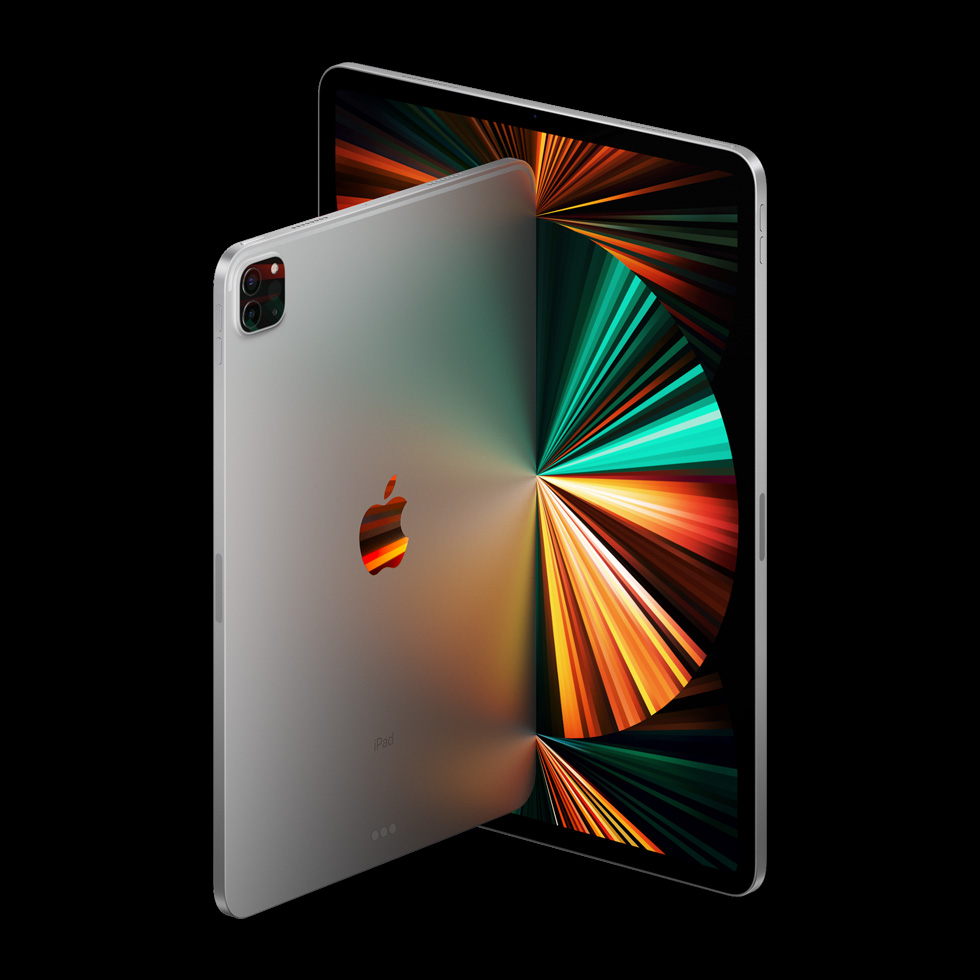
The iPad Pro M4: Redefining Tablet Performance
The flagship of the current lineup is the redesigned iPad Pro, powered by the cutting-edge M4 chip. This release was particularly noteworthy because it marked the first time Apple debuted a new generation of silicon in an iPad before bringing it to the Mac. The iPad Pro M4 is available in two sizes—11-inch and 13-inch—and features a chassis so thin it has been marketed as Apple’s thinnest product ever.
The Tandem OLED Display (Ultra Retina XDR)
The most striking hardware advancement in the latest iPad Pro is the Ultra Retina XDR display. Breaking away from the Liquid Retina (LCD) and mini-LED technologies of the past, Apple introduced “Tandem OLED.” This technology stacks two OLED panels on top of one another to achieve a staggering 1,000 nits of full-screen brightness and 1,600 nits of peak HDR brightness.
For the tech-savvy user, this means deeper blacks, higher contrast ratios, and a level of color accuracy previously reserved for high-end reference monitors. The sub-millisecond response times inherent to OLED also enhance the ProMotion 120Hz refresh rate, making scrolling and Apple Pencil input feel more fluid than ever before. For professional colorists and photographers, the 1TB and 2TB models offer an optional nano-texture glass, which scatters ambient light to reduce glare while maintaining image quality in challenging lighting environments.
The M4 Chip: Silicon Prowess and Neural Engine Capabilities
Under the hood, the M4 chip is a powerhouse built on second-generation 3-nanometer technology. It features a new CPU with up to 10 cores and a 10-core GPU that introduces hardware-accelerated ray tracing and mesh shading to the iPad for the first time. This brings the iPad Pro in line with the graphical capabilities of the latest gaming consoles and high-end laptops.
Perhaps more importantly, the M4 features Apple’s most powerful Neural Engine to date, capable of 38 trillion operations per second. This focus on AI (Artificial Intelligence) and machine learning allows for real-time tasks such as isolating a subject from its background in 4K video within Final Cut Pro or automatically transcribing audio with high precision. The efficiency of the M4 also ensures that despite the ultra-thin design, the device maintains its signature ten-hour battery life.
Re-engineered Design and Thermal Management
To achieve a thickness of just 5.1mm for the 13-inch model, Apple had to rethink the iPad’s internal architecture. The latest iPad Pro features a new thermal design where the Apple logo on the back acts as a heat sink, incorporating copper to improve heat dissipation by nearly 20%. This allows the M4 chip to maintain high performance for longer periods without thermal throttling, a critical requirement for rendering 3D models or exporting high-resolution video.
The iPad Air M2: Bridging the Gap
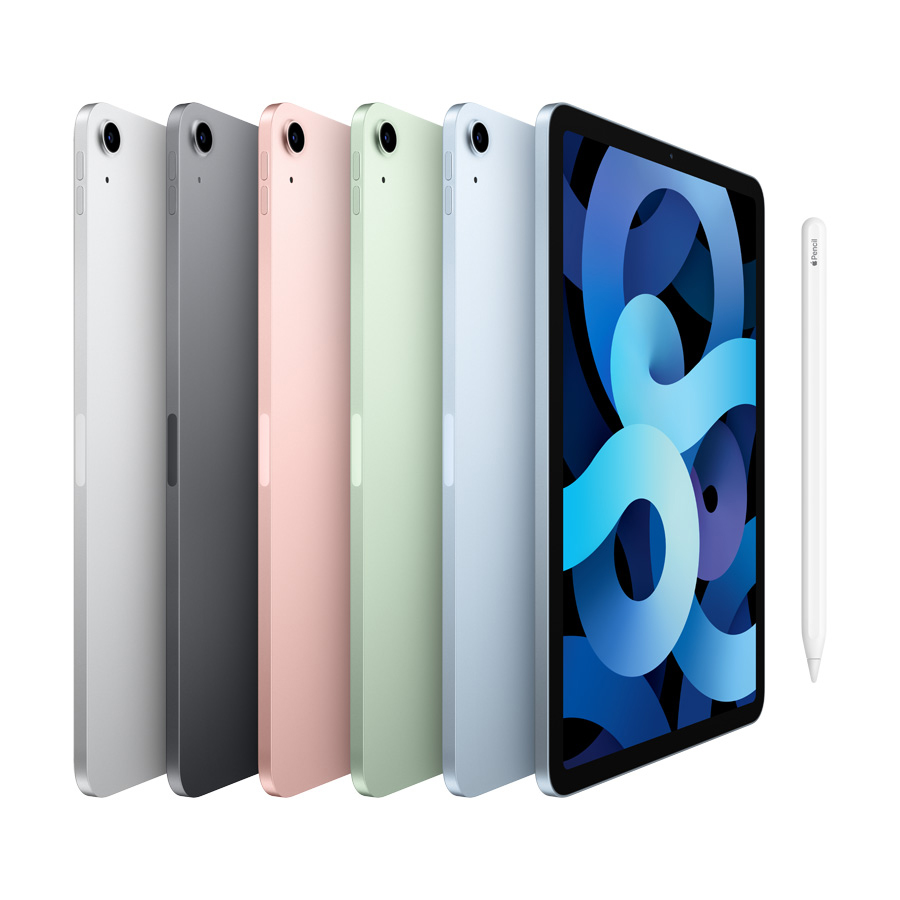
While the Pro model pushes the boundaries of what is possible, the latest iPad Air (6th Generation) focuses on delivering high-end performance at a more accessible price point. The most significant change in the 2024 Air lineup is the introduction of a new 13-inch form factor, sitting alongside the traditional 11-inch model.
Now in Two Sizes: The 11-inch and 13-inch Models
Historically, users who wanted a large-screen tablet experience were forced to pay a premium for the iPad Pro. With the latest iPad Air, Apple has democratized the 13-inch canvas. This larger screen offers 30% more viewable area than the 11-inch model, making it an ideal choice for students using Split View for note-taking or office workers managing large spreadsheets. Both models utilize the Liquid Retina display, which, while lacking the OLED technology of the Pro, still supports P3 wide color and True Tone for an exceptional viewing experience.
Performance Boost with the M2 Chip
The transition from the M1 to the M2 chip in the iPad Air provides a nearly 50% increase in speed for intensive tasks. The M2 features a faster CPU, a more capable GPU, and increased memory bandwidth. While it lacks the hardware-accelerated ray tracing of the M4, it remains more than capable of handling high-end gaming, complex photo editing in Adobe Lightroom, and fluid multitasking. For the majority of users, the M2 represents the “sweet spot” of performance and longevity.
Landscape Front Camera and Connectivity
A long-awaited change that debuted in the latest iPad Air and Pro models is the relocation of the front-facing Ultra Wide 12MP camera. It is now positioned on the landscape edge of the device. This shift ensures that during FaceTime calls or Zoom meetings, the user’s gaze appears centered when the tablet is attached to a keyboard or held in landscape orientation. Additionally, the Air now supports Wi-Fi 6E, providing up to twice the wireless performance of the previous generation, and 5G support for cellular models.
Essential Accessories: The Magic Keyboard and Apple Pencil Pro
The latest iPads are designed to work in tandem with a new generation of peripherals that extend their functionality beyond a standard touch interface.
Apple Pencil Pro: Haptic Feedback and Squeeze Gestures
The Apple Pencil Pro is a significant leap forward for digital artists and note-takers. It introduces a new sensor in the barrel that can detect a “squeeze” gesture, allowing users to quickly switch tools, line weights, or colors without interrupting their flow. A custom haptic engine provides a subtle vibration to confirm the action. Furthermore, the inclusion of a gyroscope allows for “barrel roll” functionality—rotating the pencil changes the orientation of shaped pen and brush tools, mimicking the experience of using real-world calligraphy pens or brushes.
The Redesigned Magic Keyboard for iPad Pro
To complement the thinness of the M4 iPad Pro, Apple redesigned the Magic Keyboard to be thinner and lighter while adding a dedicated row of function keys. This row allows for quick adjustments to screen brightness, volume, and media playback. The new keyboard also features a larger glass trackpad with haptic feedback, making the iPad Pro feel remarkably similar to a MacBook. The aluminum palm rest adds a premium feel and structural rigidity that was missing from previous iterations.
Software Synergy: How iPadOS Leverages the New Hardware
The hardware of the latest iPads is only as good as the software that runs on it. iPadOS has evolved to take advantage of the M-series chips, focusing on professional workflows and AI-driven features.
Multitasking and Stage Manager
Stage Manager remains the cornerstone of iPad multitasking. On the latest M2 and M4 models, users can resize windows, overlap them, and use external displays with resolutions up to 6K. The high RAM configurations (up to 16GB on higher-tier Pro models) ensure that users can keep dozens of apps active in the background without performance degradation.
Creative Suite Performance: Final Cut Pro and Logic Pro
Apple has optimized its professional creative software specifically for the latest iPad hardware. Final Cut Pro for iPad 2 leverages the M4 chip’s Neural Engine for “Live Multicam,” allowing users to connect and control up to four iPhones or iPads simultaneously to record from different angles. Logic Pro for iPad 2 introduces “Stem Splitter,” an AI-powered tool that can take a single audio recording and split it into four distinct tracks: vocals, drums, bass, and other instruments. These features are only possible due to the massive leaps in silicon performance found in the latest devices.
Choosing the Right Model: Specs Comparison and Use Cases
When deciding which of the latest iPads to choose, the decision typically comes down to the intensity of the intended workflow.
-
The iPad Pro M4 is intended for those who demand the absolute best in display technology and processing power. It is the tool for professional video editors, 3D animators, and those who want a device that will remain at the cutting edge for the next five to seven years. The Tandem OLED display alone makes it the premier device for HDR content consumption and creation.
-
The iPad Air M2 is the best choice for the vast majority of consumers. It offers a “Pro” feel and the option for a large screen without the “Pro” price tag. It is perfect for students, educators, and corporate professionals who need a reliable, high-performance machine for productivity and entertainment.
-
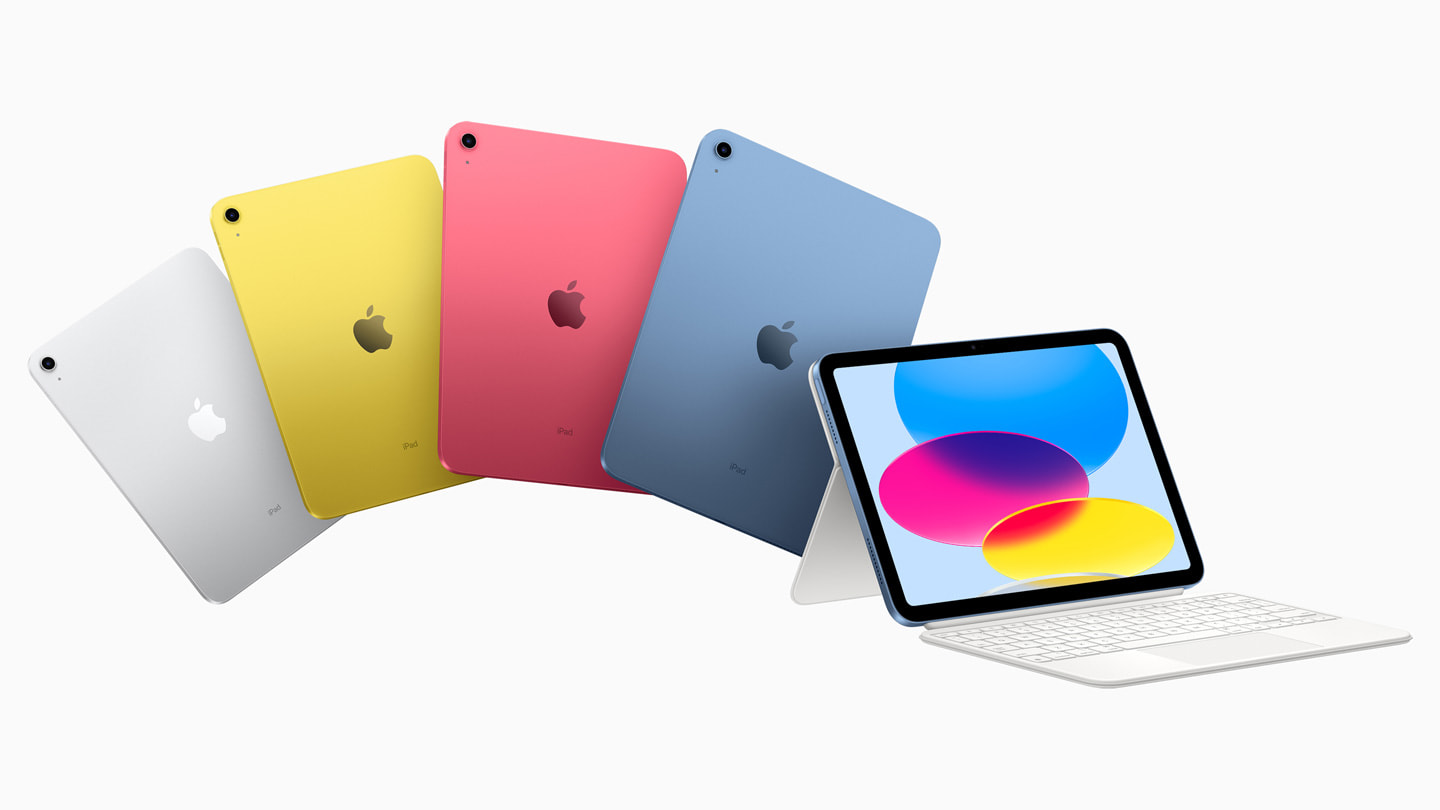
The iPad (10th Generation) remains in the lineup as the entry-level option. While it does not feature the M-series chips or the latest 2024 updates, it provides the essential iPad experience with a modern design and USB-C connectivity at the most affordable price point.
The latest Apple iPads represent more than just a spec bump; they are a maturation of the tablet form factor. By integrating desktop-class silicon, revolutionary display technology, and AI-optimized software, Apple has ensured that the iPad remains the gold standard for portable digital tools. Whether you are opting for the sheer power of the M4 Pro or the versatile value of the M2 Air, the current lineup offers a level of technological sophistication that blurs the line between mobile devices and professional computers.
aViewFromTheCave is a participant in the Amazon Services LLC Associates Program, an affiliate advertising program designed to provide a means for sites to earn advertising fees by advertising and linking to Amazon.com. Amazon, the Amazon logo, AmazonSupply, and the AmazonSupply logo are trademarks of Amazon.com, Inc. or its affiliates. As an Amazon Associate we earn affiliate commissions from qualifying purchases.