
In an increasingly digital world, the simple act of locating a physical bank branch might seem like a relic of the past. Yet, for countless individuals and businesses, knowing “where is the nearest Chase Bank near me?” remains a crucial query. It speaks to a fundamental need for tangible financial services, human interaction, and the assurance that comes with a brick-and-mortar presence. While online banking and mobile apps have revolutionized how we manage our money, the physical branch continues to serve as an indispensable pillar of the financial ecosystem, offering a unique blend of security, specialized services, and personalized advice that digital platforms, for all their convenience, cannot fully replicate.
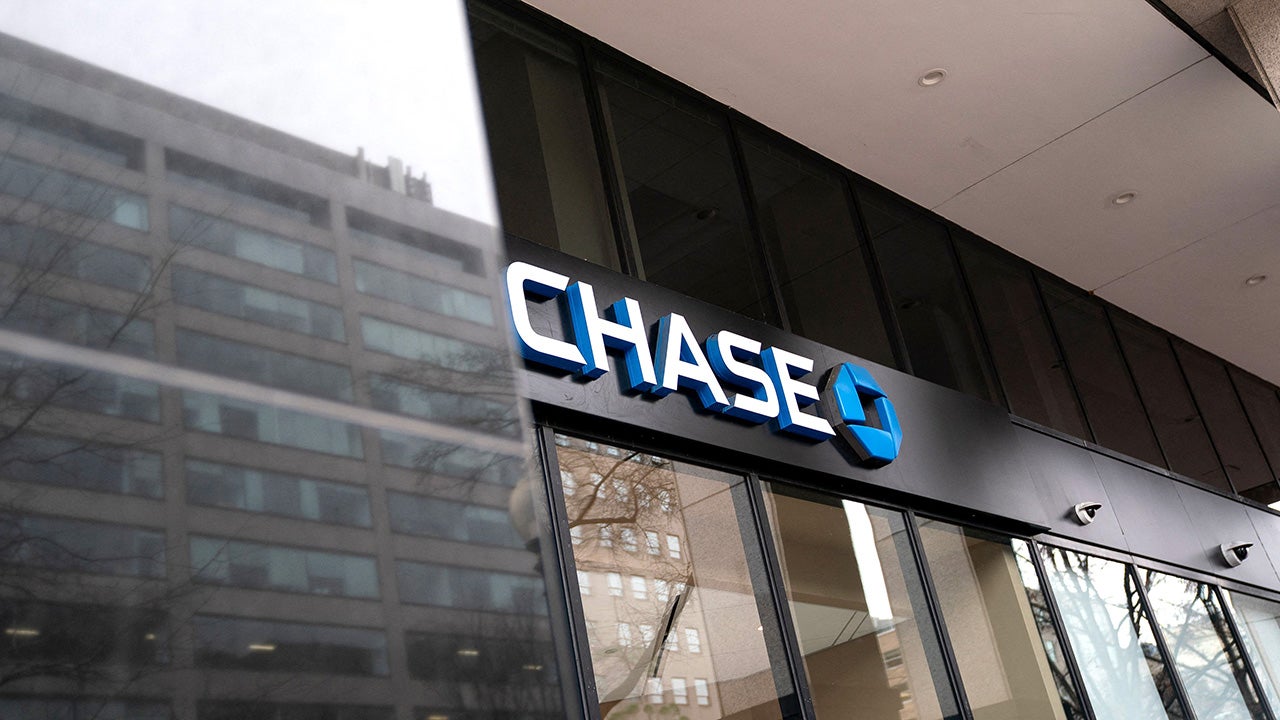
This article delves beyond a mere search query, exploring the multifaceted reasons why finding your nearest Chase Bank is important, how to do so effectively, and how to maximize the value of your branch visit. We will uncover the enduring relevance of physical banking in an age of digital transformation, examine the types of financial needs best served by a branch, and offer insights into leveraging both digital tools and personal interactions for a comprehensive financial strategy.
Beyond the Search Bar: The Modern Approach to Locating Your Bank
The days of flipping through a phone book to find a bank are long gone. Today’s methods for locating financial institutions are streamlined, precise, and often integrated into our daily digital lives. Understanding and utilizing these modern tools is the first step in efficiently answering the “where is the nearest Chase Bank near me?” question. These resources not only provide directions but often offer crucial information like operating hours, available services, and even anticipated wait times, allowing for more strategic planning of your visit.
Leveraging Official Bank Apps and Websites
The most reliable and up-to-date source for finding a Chase Bank branch is often Chase’s own official platforms. Their mobile app and website are designed with user convenience in mind, providing robust branch and ATM locators that integrate directly with mapping services.
When using the Chase Mobile App:
-
Open the App: Log in to your account.
-
Navigate to “Locations” or “Find a Branch/ATM”: This option is typically found in the main menu or a prominent icon on the home screen.
-
Allow Location Services: Granting the app permission to access your current location will automatically display the closest branches and ATMs.
-
Filter Results: Many apps allow you to filter by specific services, such as drive-thru availability, specific advisors (e.g., mortgage, business), or even coin counting machines.
Similarly, the Chase Bank website offers a dedicated “Branch & ATM Locator” tool. Inputting your zip code, city, or even a specific address will yield a comprehensive list of nearby locations, complete with addresses, phone numbers, and hours of operation. This method ensures accuracy and provides direct links to schedule appointments, an increasingly popular feature for busy individuals seeking specific financial advice.
The Power of Mapping Services: Google Maps, Apple Maps, and Beyond
Generic mapping applications have become indispensable tools for navigation, and finding a bank is no exception. Google Maps, Apple Maps, Waze, and other similar services offer intuitive interfaces for locating businesses, including banks.
To use these services:
-
Open your preferred mapping app.
-
Enter your query: Type “Chase Bank,” “Chase ATM,” or “Chase Bank near me” into the search bar.
-
Review Results: The app will display a list of nearby Chase locations, often with ratings, reviews, operating hours, and photos.
-
Get Directions: Select the desired location, and the app will provide turn-by-turn directions, estimate travel time, and suggest the best route based on current traffic conditions.
These platforms are excellent for quick searches and offer the added benefit of user-generated content, such as recent reviews, which can sometimes provide insights into branch efficiency or specific services. However, always cross-reference critical information like holiday hours with official Chase channels if accuracy is paramount.
Voice Assistants and Smart Devices: A Hands-Free Solution
For ultimate convenience, voice assistants integrated into smartphones, smart speakers, and car infotainment systems offer a hands-free way to find your nearest Chase Bank.
Simply activate your assistant (e.g., “Hey Siri,” “OK Google,” “Alexa”) and articulate your request:
-
“Where is the nearest Chase Bank?”
-
“Find a Chase ATM near me.”
-
“What are the hours for the Chase Bank on Main Street?”
The assistant will typically provide the name and address of the closest branch or ATM, and often offer to provide directions directly to your device or integrated mapping system. This method is particularly useful when driving or when you need quick information without manually interacting with a screen. As financial technology evolves, these integrated tools blur the lines between personal convenience and access to crucial financial information, making banking more accessible than ever before.
Why Physical Branches Still Matter in a Digital Age
In an era dominated by digital banking, the question often arises: why bother with a physical branch at all? While online platforms and mobile apps provide unparalleled convenience for routine transactions, physical bank branches, like those offered by Chase, continue to play a vital role in our financial lives, especially when dealing with complex financial needs, requiring personalized advice, or simply needing the tangible security a physical location provides. They are not merely transaction hubs but often serve as community anchors and centers for financial education and support.
Complex Transactions and Specialized Services
Certain financial transactions or services are either difficult, impossible, or simply less secure to conduct entirely online. These often necessitate a visit to a physical branch where specialized personnel can assist.
Examples include:
-
Opening Specific Accounts: While basic checking/savings accounts can often be opened online, complex accounts like certain business accounts, trust accounts, or specialized investment accounts may require in-person documentation, signatures, and consultations.
-
Applying for Loans: Mortgage applications, small business loans, or personal loans often involve substantial paperwork, detailed discussions, and signing legal documents, all best handled face-to-face with a loan officer.
-
Notary Services: Many banks, including Chase, offer free notary services for account holders, a crucial service for legal documents, affidavits, and real estate transactions.
-
Safe Deposit Boxes: Accessing or opening a safe deposit box to secure valuables, documents, or heirlooms can only be done at a physical branch.
-
Wire Transfers for Large Sums: While smaller wire transfers can be done online, larger or international wires may require in-person verification for security purposes.
These services highlight the branch’s role as a secure environment for critical financial processes that demand meticulous attention to detail and direct interaction with a financial professional.
Human Connection and Financial Advisory
Beyond transactions, a significant draw of physical branches is the human element. For many, discussing sensitive financial matters, planning for the future, or resolving complex issues requires a level of personal interaction and empathy that digital interfaces cannot replicate.
-
Personalized Financial Advice: Whether it’s planning for retirement, setting up college savings, navigating a significant life event (like marriage or a new business), or seeking debt management strategies, speaking directly with a financial advisor at a Chase branch can provide tailored insights and guidance that go beyond generic online resources. These advisors can help clarify complex financial products, explain investment options, and provide a holistic view of your financial health.
-
Problem Resolution: When faced with an unusual transaction, a dispute, or an account issue that isn’t easily resolved through automated customer service, speaking with a branch manager or a customer service representative in person can often expedite resolution and provide greater peace of mind. The ability to articulate an issue and receive immediate, direct feedback from a knowledgeable individual is invaluable.
-
Building Relationships: For small business owners, developing a relationship with a local branch manager or business banker can be a significant asset. This personal connection can facilitate smoother loan applications, provide local market insights, and offer a dedicated point of contact for ongoing business financial needs.
Cash Management and Teller Services
Despite the rise of digital payments, cash remains a fundamental part of many economies and personal financial habits. Physical branches offer the most straightforward and secure way to manage cash.
-
Large Deposits and Withdrawals: While ATMs allow for cash deposits and withdrawals, there are often daily limits. For larger sums, a teller at a branch can facilitate transactions that exceed ATM limits, verify funds, and provide immediate receipts.
-
Coin and Currency Exchange: Businesses that handle a lot of cash, or individuals needing specific denominations (e.g., for travel, garage sales), rely on teller services for coin counting, currency exchange, and obtaining rolls of coins.
-
Check Cashing and Money Orders: While mobile check deposit is convenient, some individuals or businesses may prefer or require cashing a check directly at a teller window, especially for third-party checks or if immediate access to cash is needed without a waiting period. Purchasing money orders, which offer a secure alternative to cash for payments, is also typically done through a teller.
The presence of a physical branch ensures that these essential cash-related services remain accessible, underscoring their continued relevance in a mixed-economy where both digital and physical currencies coexist.
Maximizing Your Chase Bank Experience: Services and Strategic Visits
Once you’ve located your nearest Chase Bank, understanding how to best utilize its offerings can significantly enhance your financial management. A branch visit isn’t just about transactions; it’s an opportunity to engage with financial experts, explore new services, and streamline your overall banking experience. Strategic planning can turn a routine stop into a valuable financial consultation.
Understanding Branch-Specific Offerings
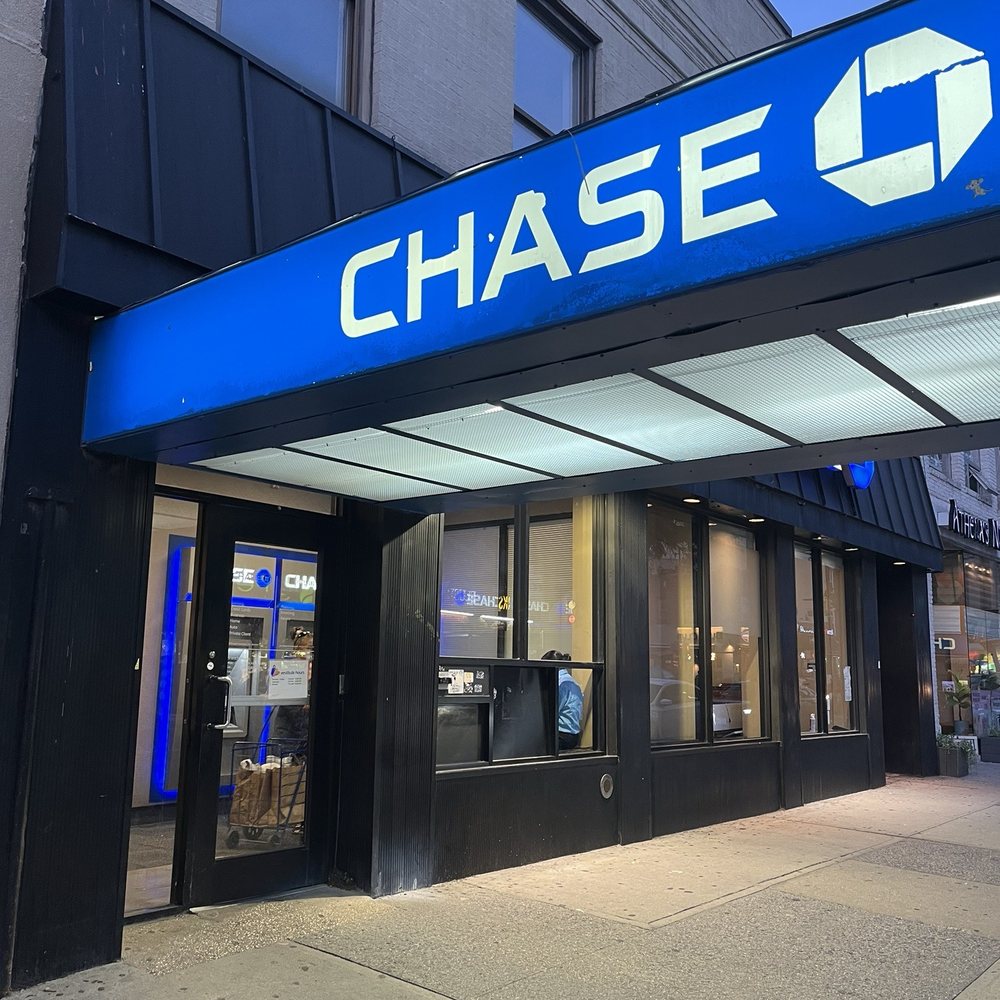
Not all Chase branches are created equal in terms of specialized services. Larger, flagship branches in metropolitan areas might host a full suite of advisors, while smaller, neighborhood branches might focus more on day-to-day transactions.
-
Mortgage Specialists: If you’re looking to buy a home, refinance, or discuss home equity options, many Chase branches have dedicated mortgage bankers available for consultations. It’s often beneficial to call ahead or check the branch locator details online to confirm availability and schedule an appointment.
-
Business Bankers: For entrepreneurs and small business owners, dedicated business bankers can provide invaluable guidance on business checking accounts, credit lines, merchant services, and payroll solutions. These specialists understand the unique financial challenges of businesses and can offer tailored advice.
-
Investment Advisors: Chase Private Client and J.P. Morgan Wealth Management advisors are available in select branches for individuals seeking wealth management, retirement planning, and investment strategies. These services require a deeper level of engagement and are best approached with a scheduled meeting.
-
Chase Private Client Centers: Some larger branches host dedicated Chase Private Client centers, offering exclusive services and a more personalized experience for high-net-worth individuals, including enhanced customer service and access to specialized financial products.
Checking the branch details online or calling ahead can confirm the presence of these specialists, ensuring you don’t make an unnecessary trip.
Preparing for Your Visit: What to Bring and How to Plan
A little preparation can go a long way in making your branch visit efficient and productive.
-
Identify Your Goal: Before you leave, clearly define what you need to achieve. Are you making a deposit, discussing a loan, opening an account, or seeking financial advice?
-
Gather Necessary Documents: For transactions like opening an account, applying for a loan, or making significant changes to your account, you will likely need identification (driver’s license, passport), proof of address (utility bill), social security card, and any relevant financial statements. For business banking, bring business registration documents, EIN, and operating agreements.
-
Schedule an Appointment: For consultations with specialists (mortgage, business, investment advisors) or complex account changes, scheduling an appointment is highly recommended. This ensures an advisor is available, minimizes wait times, and allows them to prepare for your specific needs. Chase’s website and app often allow online appointment scheduling.
-
Check Operating Hours and Holiday Schedules: Always double-check the branch’s operating hours and be aware of any upcoming holiday closures to avoid a wasted trip.
-
Utilize Online Check-in (if available): Some branches offer an online check-in feature, similar to a digital queue, which can further reduce your in-branch wait time for simple teller services.
By preparing adequately, you can ensure your visit is productive, allowing you to achieve your financial objectives efficiently and receive the best possible service.
Utilizing ATMs and Drive-Thru Services for Efficiency
While the core value of a physical branch lies in its specialized services and human interaction, Chase also provides efficient alternatives for routine transactions that don’t require teller assistance.
-
ATMs (Automated Teller Machines): Chase ATMs are ubiquitous and offer a wide range of services beyond cash withdrawals. You can make deposits (cash and checks), check account balances, transfer funds between accounts, pay credit card bills, and even inquire about recent transactions. For many, an ATM provides 24/7 access to basic banking functions without needing to enter the branch. Many Chase ATMs are “Deposit Friendly,” accepting cash and checks without an envelope and providing immediate digital receipts.
-
Drive-Thru Banking: For quick cash withdrawals, deposits, or check cashing without leaving your car, many Chase branches offer drive-thru teller services. This is particularly convenient during inclement weather, if you have children in the car, or simply want to save time. It combines the speed of a digital transaction with the assurance of human interaction.
-
Self-Service Kiosks: Some larger branches might feature self-service kiosks for tasks like printing statements, making payments, or setting up online banking access, freeing up teller lines for more complex transactions.
Integrating these efficient tools into your banking habits can save time and reserve your in-person branch visits for when they are truly necessary, allowing you to leverage the full spectrum of Chase’s financial resources effectively.
Security and Convenience: Balancing Access with Protection
The ability to easily find and access your nearest Chase Bank is fundamentally about convenience. However, in the realm of money, convenience must always be balanced with robust security measures. Whether you are using digital tools to locate a branch or physically visiting one, maintaining vigilance and adhering to best practices is paramount to protecting your financial information and personal safety. The integration of digital and physical access points requires a holistic approach to security.
Protecting Your Information While Locating Branches
Even the simple act of searching for a bank branch online can present potential security considerations.
-
Use Official Channels: Always prioritize using Chase’s official website or app for branch locations. Avoid clicking on suspicious links from unknown sources, as these could lead to phishing sites designed to steal your login credentials or personal information.
-
Be Wary of Public Wi-Fi: When accessing banking apps or websites, especially when searching for sensitive information like account details, avoid unsecured public Wi-Fi networks. These networks can be vulnerable to eavesdropping by malicious actors. Use a secure personal network or a Virtual Private Network (VPN) for sensitive activities.
-
Check for HTTPS: When browsing the Chase website, always ensure the URL begins with “https://” and look for a padlock icon in your browser’s address bar. This indicates a secure, encrypted connection.
-
Beware of Impersonation: Cybercriminals may create fake mapping entries or websites that mimic legitimate banks. Always verify the information with official sources if something looks unusual or too good to be true. Scammers might try to direct you to a fake “branch” where they can collect your details.
Best Practices for ATM and Branch Safety
Your physical visit to a Chase Bank branch or ATM also requires conscious awareness of your surroundings and adherence to safety protocols.
-
Be Aware of Your Surroundings: Before approaching an ATM or entering a branch, take a moment to observe the area. If anything seems suspicious or unsafe, choose a different location or postpone your visit.
-
Protect Your PIN: When using an ATM or a POS device within a branch, always shield your PIN entry with your hand. Be mindful of “shoulder surfing” attempts where someone tries to view your PIN over your shoulder.
-
Inspect ATMs: Before inserting your card, quickly check the ATM for any unusual devices or attachments around the card reader or keypad. These could be “skimming” devices designed to steal your card information. If something looks amiss, do not use the ATM and report it to the bank.
-
Secure Your Belongings: Keep your wallet, purse, and phone secure and out of plain sight. Avoid openly displaying large sums of cash.
-
Travel with a Companion for Large Transactions: If you need to withdraw or deposit a substantial amount of cash, consider bringing a trusted companion with you for added safety.
-
Deposit Checks Securely: When making a physical check deposit, especially large sums, ensure you get a receipt and verify the deposit appears in your account online afterward.
The Role of Online Banking and Mobile Apps in Secure Access
Ironically, the same digital tools that help you locate a branch also contribute significantly to the overall security of your money, often reducing the need for risky physical cash transactions.
-
Reduced Need for Cash: By enabling digital payments, transfers, and bill pay, online banking and mobile apps minimize your reliance on carrying large amounts of cash, thereby reducing the risk of theft.
-
Real-time Monitoring: You can monitor your account activity in real-time through the Chase app, immediately detecting any unauthorized transactions or suspicious activity, even if it originates from an ATM or branch visit.
-
Remote Card Management: Most banking apps allow you to lock/unlock your debit/credit cards, report them lost or stolen, and even set spending alerts, adding layers of security from anywhere.
-
Multi-factor Authentication: Strong multi-factor authentication (MFA) practices for online banking significantly enhance the security of your accounts, making it harder for unauthorized individuals to gain access even if they somehow obtain your login credentials.
By diligently applying these security practices across both your digital and physical interactions with Chase Bank, you can confidently navigate your financial world, leveraging both convenience and robust protection for your hard-earned money. The synergy between digital tools and physical branches, when used responsibly, creates a resilient and secure financial management system.
The Future of Banking: Blending Digital Accessibility with Personal Touch
The financial landscape is in constant flux, driven by technological advancements, evolving customer expectations, and a persistent demand for both convenience and trust. For institutions like Chase Bank, the future isn’t about choosing between digital and physical, but rather orchestrating a seamless integration that leverages the strengths of both. The query “where is the nearest Chase Bank near me” will continue to evolve in meaning, reflecting a world where physical proximity is complemented by intelligent, personalized digital experiences.
Hybrid Models: The Branch as a Hub for Digital Education
Future bank branches are likely to transform from purely transactional centers into hybrid hubs focused on customer engagement, financial education, and complex problem-solving.
-
Digital Empowerment Zones: Branches could feature interactive kiosks, tablets, and dedicated staff to help customers set up online banking, learn how to use the mobile app, understand digital security, or explore advanced financial tools. This bridges the gap for customers less comfortable with technology, bringing them into the digital fold in a supportive environment.
-
Advisory and Consultation Spaces: As routine transactions shift online, physical space in branches can be reallocated to more private and comfortable areas for in-depth financial consultations – whether for wealth management, business planning, or life event financial planning.
-
Community Engagement: Branches can become community centers for financial literacy workshops, small business networking events, or even local charity initiatives, cementing their role beyond just banking. This helps foster trust and loyalty, reinforcing the “brand” within the “money” context by showing genuine community investment.
Personalized Services Through Data and AI
While AI and data analytics are primarily digital tools, their impact will increasingly extend to personal interactions within the branch, making every visit more tailored and efficient.
-
Pre-emptive Service: AI-driven insights could allow branch staff to anticipate a customer’s needs even before they state them. For example, if a customer has been researching mortgages online, a branch advisor might be pre-prepared to discuss relevant options upon their visit.
-
Optimized Staffing: Data analytics on customer traffic and service demand can help branches optimize staffing levels, reducing wait times and ensuring the right specialists are available when needed.
-
Customized Product Recommendations: Based on a customer’s financial history and inferred needs, AI could assist advisors in offering highly personalized product and service recommendations during an in-person meeting, making the advice more relevant and valuable.
This ensures that the “personal touch” is not just friendly, but also intelligent and highly relevant to the individual’s financial journey.

The Evolving Role of Bank Employees
With routine tasks being automated or handled digitally, the role of bank employees will shift from transactional processors to relationship managers and financial educators.
-
Expert Advisors: Tellers may evolve into “universal bankers” capable of handling a broader range of inquiries and providing initial advice, directing customers to the most appropriate specialist.
-
Technology Guides: Employees will be equipped to guide customers through digital platforms, troubleshoot technical issues, and educate them on leveraging banking technology for their benefit.
-
Community Ambassadors: Bank staff will play a crucial role in representing the bank’s values and expertise within the local community, fostering trust and building long-term relationships that are vital for complex financial planning.
In this future, finding the “nearest Chase Bank” won’t just be about geographical proximity, but about accessing a holistic ecosystem where digital convenience and human expertise converge. The physical branch will remain a cornerstone, providing the essential trust, security, and personalized guidance that are irreplaceable in managing one’s financial life, even as technology continues to redefine the boundaries of what’s possible. The blend of high-tech and high-touch will define the optimal banking experience, ensuring that every financial need, from the simplest to the most complex, is met with efficiency, security, and a reassuring human touch.
aViewFromTheCave is a participant in the Amazon Services LLC Associates Program, an affiliate advertising program designed to provide a means for sites to earn advertising fees by advertising and linking to Amazon.com. Amazon, the Amazon logo, AmazonSupply, and the AmazonSupply logo are trademarks of Amazon.com, Inc. or its affiliates. As an Amazon Associate we earn affiliate commissions from qualifying purchases.