
The 30-year fixed-rate mortgage is the bedrock of the American dream. It provides a level of predictability that is rare in the financial world: a set interest rate and a consistent monthly payment that remains unchanged for three decades. However, for anyone looking to enter the housing market or refinance an existing loan, the question of “what are today’s mortgage rates” is rarely met with a simple, static number. Mortgage rates are a living, breathing reflection of the global economy, influenced by everything from domestic inflation data to international geopolitical stability. Understanding where these rates stand today requires looking beyond the daily headlines and diving into the mechanics of the financial markets and personal creditworthiness.
The Dominance of the 30-Year Fixed-Rate Mortgage
The 30-year fixed-rate mortgage remains the most popular choice for homebuyers for several strategic reasons. Unlike adjustable-rate mortgages (ARMs), which can see payments skyrocket after an initial teaser period, the fixed-rate option offers a hedge against inflation. If you lock in a rate today, and inflation rises over the next ten years, your mortgage payment effectively becomes cheaper in real dollars.
The Mechanics of Amortization
To understand the true cost of today’s rates, one must understand how a 30-year loan is structured. In the early years of the loan, the vast majority of your monthly payment goes toward interest. As the “loan age” increases, a larger portion is directed toward the principal. This is why even a small difference in the interest rate—say, 0.25%—can result in tens of thousands of dollars in interest savings over the life of the loan. When rates are high, the amortization schedule is heavily weighted toward interest at the start, making it more difficult to build equity quickly through monthly payments alone.
Predictability as a Financial Strategy
For the average household, the 30-year fixed-rate mortgage serves as a primary tool for long-term budgeting. In an era of volatile energy prices and fluctuating grocery costs, knowing exactly what the housing obligation will be for the next 360 months allows for more aggressive retirement planning and investment in other asset classes. While 15-year mortgages offer lower rates, the 30-year term provides the flexibility of a lower required payment, with the option to pay extra principal whenever the borrower chooses.
The Economic Drivers Behind Daily Rate Fluctuations
Mortgage rates do not exist in a vacuum. They are not set by any single government agency; rather, they are determined by the secondary market where mortgage-backed securities (MBS) are traded. When investors demand higher yields to compensate for perceived risks, mortgage rates go up. When they are willing to accept lower yields for the safety of mortgage debt, rates go down.
The Influence of the Federal Reserve
A common misconception is that the Federal Reserve sets mortgage rates. In reality, the Fed sets the federal funds rate—the short-term rate at which banks lend to one another overnight. While this does not directly dictate the 30-year mortgage rate, it sets the tone for the entire interest rate environment. When the Fed raises rates to combat inflation, it signals to the market that the cost of borrowing should increase across the board. Mortgage lenders respond by raising their rates to stay ahead of the curve.
The 10-Year Treasury Yield Connection
If you want to know which direction mortgage rates are headed today, look at the 10-year Treasury yield. Historically, there is a strong correlation between the two. The “spread” is the difference between the 30-year mortgage rate and the 10-year Treasury yield. In a stable economy, this spread is typically around 1.5 to 2 percentage points. During times of economic uncertainty or high volatility, lenders may increase this spread to protect themselves against risk, leading to mortgage rates that feel disproportionately high compared to government bond yields.
Inflation and the Purchasing Power of Fixed Income
Inflation is the natural enemy of fixed-income investors. If an investor buys a mortgage-backed security that pays a 6% return, but inflation is running at 5%, their real rate of return is only 1%. Consequently, when inflation data (like the Consumer Price Index) comes in higher than expected, investors demand higher interest rates on mortgages to protect their purchasing power. This is why “today’s rates” are often so sensitive to monthly economic reports regarding labor, manufacturing, and consumer spending.
Personal Financial Profile: Why Your Rate Differs from the Average
When you see a “national average” mortgage rate published online, it is important to realize that this figure usually assumes a “prime” borrower—someone with a high credit score and a significant down payment. Your personal rate will be tailored to your specific financial risk profile, a process known as risk-based pricing.
The Critical Role of Credit Scores
In the world of mortgage lending, your FICO score is the most significant lever for your interest rate. Lenders categorize borrowers into “buckets” based on their scores. A borrower with a 780 score may receive the lowest possible advertised rate, while someone with a 660 score might face a rate that is a full percentage point higher. Over 30 years, that difference can be astronomical. Maintaining a clean credit history, keeping credit card balances low, and avoiding new debt before a home purchase are the most effective ways to influence the rate a lender offers you.
Loan-to-Value (LTV) Ratios and Down Payments
The amount of equity you have in the home also dictates the rate. A borrower putting 20% down represents less risk to a bank than someone putting 3% down. Not only do higher LTV ratios often result in slightly higher interest rates, but they also trigger the requirement for Private Mortgage Insurance (PMI), which adds to the effective monthly cost of the loan. Today’s buyers must weigh the benefit of entering the market now with a small down payment versus waiting to save more and potentially securing a better rate and avoiding insurance costs.
Debt-to-Income (DTI) Considerations
Lenders look at your Debt-to-Income ratio to ensure you have the cash flow to support the mortgage. While DTI doesn’t always move the interest rate directly in the same way a credit score does, it determines your eligibility for different loan products. Some specialized programs for low-to-moderate-income borrowers might offer subsidized rates, provided the DTI stays within certain limits.
Strategic Maneuvers to Lower Your Interest Costs
Securing a mortgage is not a passive activity. Savvy borrowers employ several tactics to ensure they aren’t paying more than necessary in the current rate environment.
The Power of Shopping and Comparison
One of the most overlooked aspects of mortgage rates is the variance between lenders. A traditional big-box bank, a credit union, and an online mortgage broker will often have different “appetites” for risk at any given moment. Some lenders may be flush with cash and looking to gain market share by offering lower rates, while others may be tightening their belts. Obtaining at least three Loan Estimates allows you to play lenders against one another and can often lead to a reduction in both the rate and the closing costs.
Buying Down the Rate with Points
When rates are higher than historical norms, many borrowers consider “buying points.” One point is equal to 1% of the loan amount and typically reduces the interest rate by about 0.25%. This is essentially prepaying interest to secure a lower monthly payment. The decision to buy points depends entirely on your “break-even point”—the number of months you need to stay in the home for the monthly savings to outweigh the upfront cost. If you plan to live in the house for 20 years, points are often a wise investment; if you plan to move in five years, they are usually a waste of capital.
Rate Locks and Market Timing
Because rates can change multiple times in a single day, the “rate lock” is a vital tool. Once you have a property under contract, your lender can lock in your interest rate for a period of 30, 45, or 60 days. This protects you if rates rise while your loan is being processed. Some lenders also offer a “float-down” provision, which allows you to lock in a rate but also take advantage of a lower rate if the market drops significantly before you close.
Long-Term Financial Planning in a Volatile Rate Environment
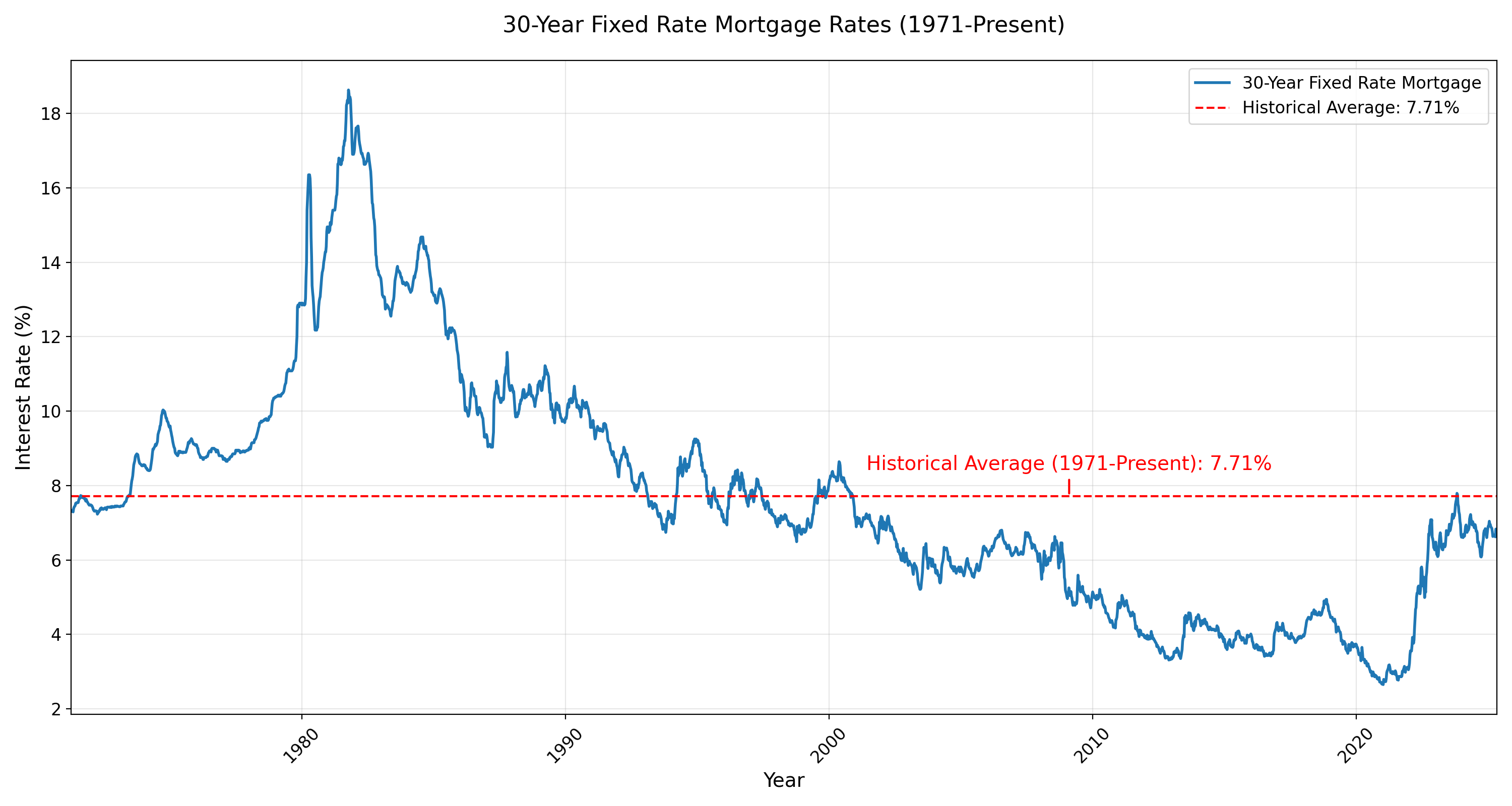
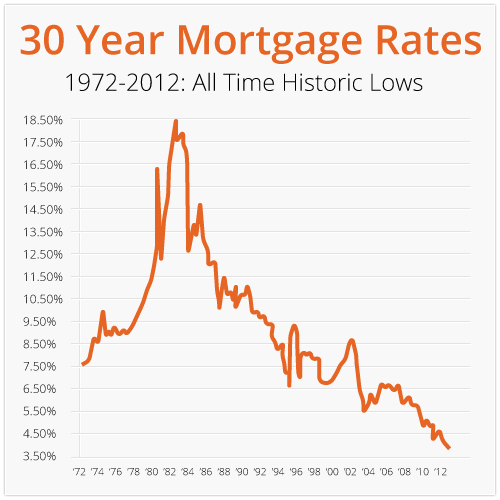
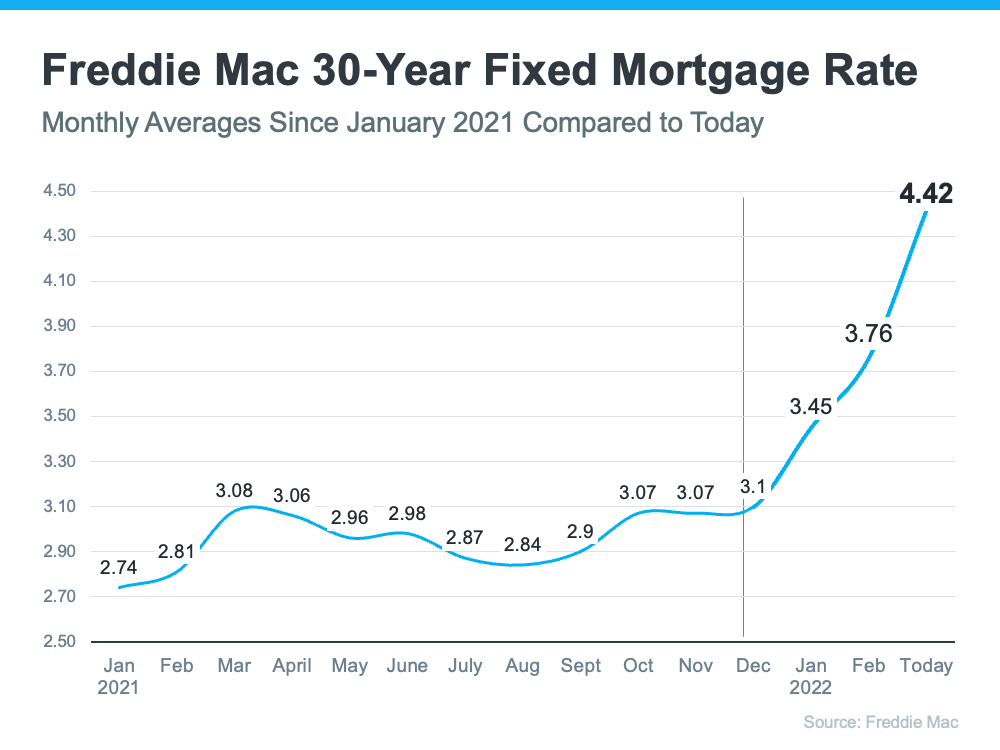
The 30-year fixed-rate mortgage should be viewed as a long-term financial instrument rather than a temporary hurdle. Even in periods where rates feel high compared to the historic lows of the early 2020s, they are often still reasonable when viewed through a multi-decade lens.
Refinancing as a Safety Valve
The beauty of the 30-year fixed mortgage is that it is “fixed” for you, but not necessarily for the bank. If you buy a home today at a 7% interest rate and rates drop to 5% in three years, you have the option to refinance. This allows you to trade in your high-interest loan for a lower one, often with minimal out-of-pocket costs if you have enough equity. Consequently, many financial advisors suggest that if you find the right home, you should “marry the house and date the rate.” You lock in the purchase price of the asset now and manage the financing cost later as market conditions improve.
Building Equity in a High-Rate Environment
When interest rates are elevated, the rate of equity accumulation through monthly payments is slower. However, this is often offset by the fact that high-rate environments can cool competition in the housing market, allowing buyers to negotiate better purchase prices or seller concessions. In the grand scheme of personal finance, a lower purchase price at a higher interest rate is often mathematically superior to a high purchase price at a low interest rate, because you can eventually refinance the rate, but you can never “refinance” the purchase price of the home.
In conclusion, understanding today’s 30-year fixed mortgage rates requires a dual focus on the macroeconomy and your personal financial health. By monitoring the 10-year Treasury, maintaining a top-tier credit score, and shopping around for the best terms, you can navigate the complexities of the mortgage market with confidence. Whether rates are moving up or down, the 30-year fixed remains the most reliable vehicle for building generational wealth through real estate.
aViewFromTheCave is a participant in the Amazon Services LLC Associates Program, an affiliate advertising program designed to provide a means for sites to earn advertising fees by advertising and linking to Amazon.com. Amazon, the Amazon logo, AmazonSupply, and the AmazonSupply logo are trademarks of Amazon.com, Inc. or its affiliates. As an Amazon Associate we earn affiliate commissions from qualifying purchases.