
When we ponder the vastness of our planet, questions naturally arise about its grandest features. Among these, the continents – the immense landmasses that define our world’s geography – hold a particular fascination. The question, “What is the largest continent in the world?” is a foundational one, sparking curiosity about scale, human civilization, and the interconnectedness of our global society. While geography provides a straightforward answer, understanding the implications of this colossal landmass delves into areas relevant to technology, business strategy, and even personal finance.
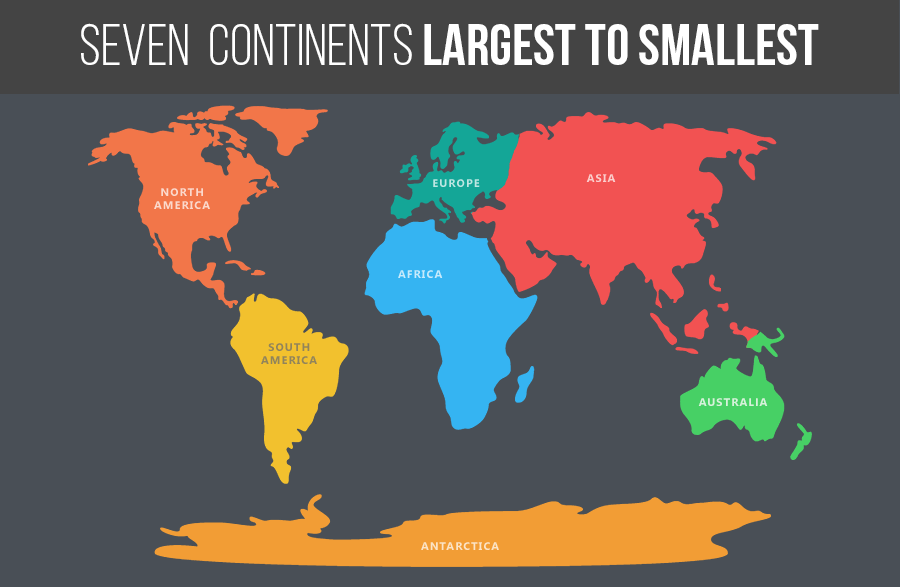
To answer the question directly: Asia is the largest continent in the world by both land area and population. This colossal landmass stretches across a significant portion of the Earth’s surface, harboring a staggering diversity of landscapes, cultures, and economic powerhouses. Its sheer scale is difficult to comprehend, influencing everything from global trade routes to the diffusion of technological innovations and the very fabric of human experience.
Asia: A Colossus of Land and Life
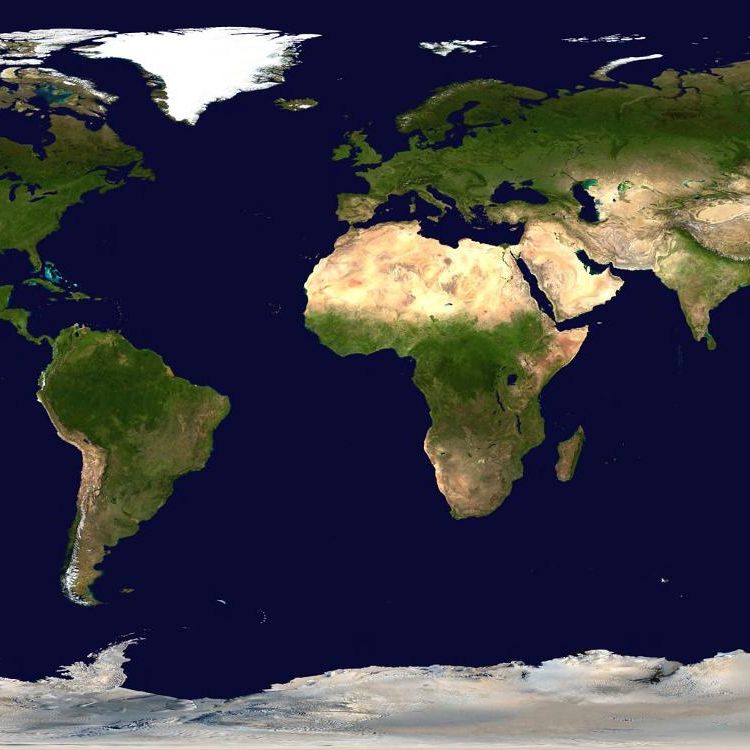
The geographical definition of Asia is crucial to understanding its immensity. Covering approximately 44.6 million square kilometers (17.2 million square miles), it accounts for about 30% of the Earth’s total land area. To put this into perspective, if you were to remove all other continents from the map, Asia alone would still present a vast and varied world. It is bordered by the Arctic Ocean to the north, the Pacific Ocean to the east, and the Indian Ocean to the south. Its western boundaries are often debated, but typically include the Ural Mountains, the Ural River, the Caspian Sea, the Caucasus Mountains, and the Black Sea, effectively separating it from Europe.
Unpacking the Immensity: Geographical Scale and Diversity
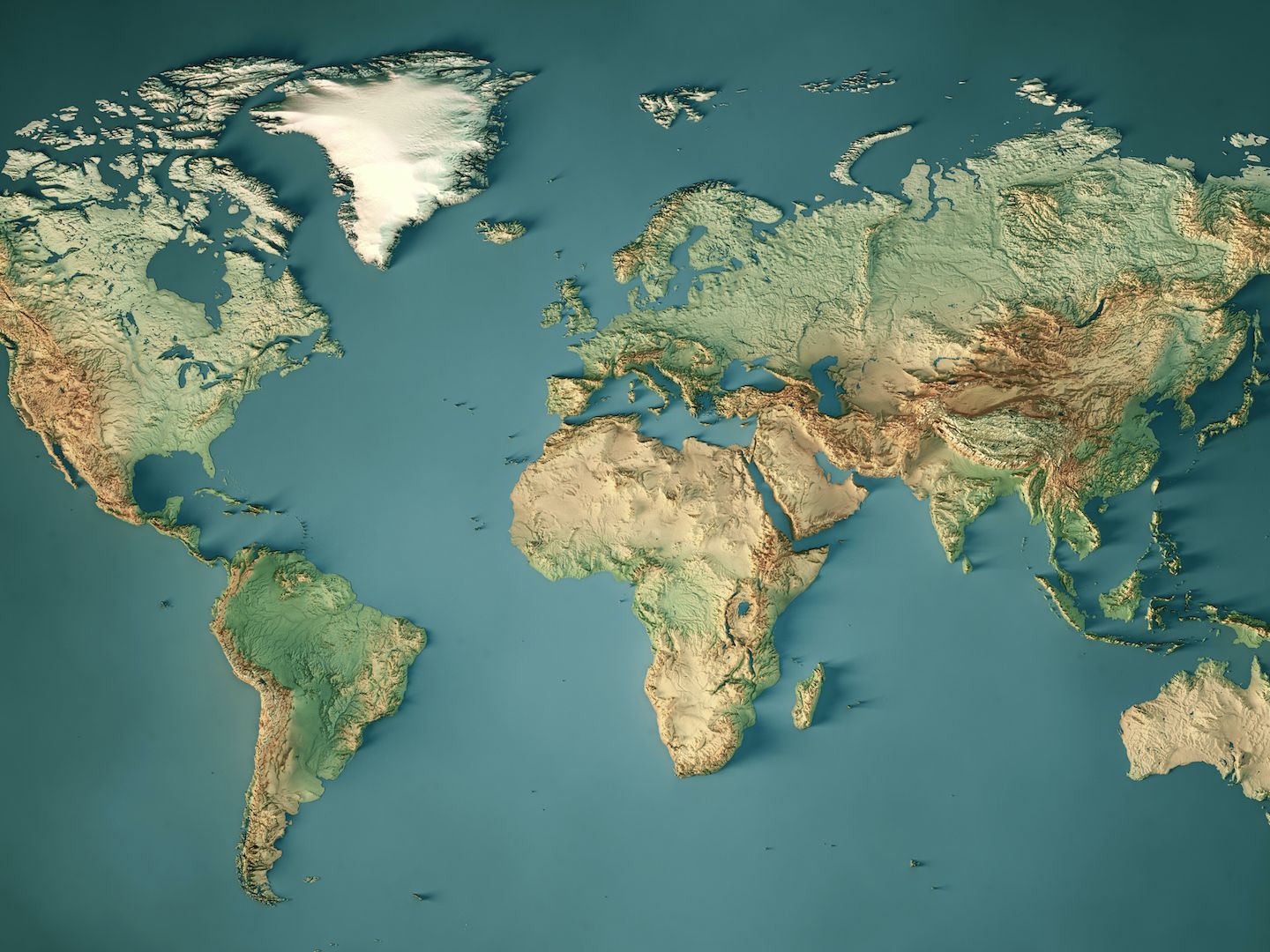
The sheer scale of Asia is not just about its surface area; it’s also about the incredible diversity it encompasses. From the frigid plains of Siberia to the tropical rainforests of Southeast Asia, from the towering peaks of the Himalayas to the sprawling deserts of the Middle East, the continent is a tapestry of extreme climates and landscapes.
- Geographical Extremes: Asia is home to the highest point on Earth, Mount Everest, and the lowest point accessible on land, the Dead Sea. It boasts the longest continental mountain range, the Himalayas, and vast river systems like the Yangtze and the Ganges. The continent’s geographical diversity directly impacts its resources, its natural hazards, and the historical development of its civilizations.
- Sub-Regions and Cultural Mosaic: Asia is not a monolithic entity. It is broadly divided into several sub-regions, each with its unique cultural heritage, historical trajectory, and economic characteristics. These include:
- East Asia: Home to giants like China and Japan, known for their technological prowess and ancient cultures.
- South Asia: Dominated by India, a land of immense diversity and rapid economic growth.
- Southeast Asia: A vibrant region of archipelagos and mainland nations, a melting pot of cultures and a growing economic force.
- West Asia (Middle East): A region with profound historical and religious significance, rich in oil reserves, and a complex geopolitical landscape.
- Central Asia: A landlocked region with a rich nomadic heritage, strategically important and undergoing significant development.
- North Asia: Primarily Siberia, vast and sparsely populated, with immense natural resources.
This immense geographical canvas has provided the stage for the development of some of the world’s oldest and most influential civilizations, laying the groundwork for the complex global systems we navigate today.
Asia’s Dominance in Population and Human Capital
Beyond its sheer size, Asia’s most striking characteristic is its population. It is home to over 4.7 billion people, which is more than half of the world’s total population. This demographic weight has profound implications across all sectors, from consumer markets to labor forces and the spread of ideas.
The Engine of Global Growth: Demographic Power and its Impact
The sheer number of people residing in Asia translates into an immense consumer base, a vast workforce, and a fertile ground for innovation. Understanding this demographic reality is critical for businesses, policymakers, and individuals alike.
- Economic Powerhouses: Countries like China and India, with their massive populations, have emerged as global economic powerhouses. Their growth has significantly reshaped global trade, investment patterns, and the dynamics of industries worldwide. The sheer scale of their domestic markets makes them indispensable to global economic strategies.
- Technological Hubs and Innovation: Asia is no longer just a manufacturing hub; it has become a leading force in technological innovation. Countries like South Korea, Japan, and increasingly China and India, are at the forefront of advancements in artificial intelligence, robotics, consumer electronics, and software development. The concentration of talent and investment in these fields fuels a rapid pace of change, and understanding these trends is crucial for staying competitive in the tech landscape. The adoption of new technologies, from AI tools to productivity apps, often begins and flourishes on a massive scale within Asian markets.
- The Future of Work and Skills: The enormous and increasingly skilled workforce in Asia presents both opportunities and challenges. As automation and AI become more prevalent, the nature of work is evolving. Understanding how these demographic shifts interact with technological advancements is vital for individuals looking to build their careers and for companies seeking to optimize their operations. The demand for digital literacy, adaptability, and specialized skills is paramount in this evolving global workforce.
Implications of Asia’s Scale: Business, Technology, and Finance
The immense scale of Asia, both geographically and demographically, has far-reaching implications that resonate with the core topics of our website: Tech, Brand, and Money.
Navigating the Asian Landscape: Strategic Considerations for Brands and Businesses
For any brand aiming for global reach, understanding the Asian market is not just an option; it’s a necessity. The diverse cultures, rapidly evolving consumer behaviors, and varied regulatory environments present unique challenges and opportunities.
- Brand Strategy in a Diverse Market: Developing a successful brand strategy for Asia requires deep cultural understanding and localized approaches. A one-size-fits-all model is destined to fail. Companies must invest in market research, adapt their messaging, and consider the nuances of different sub-regions. Personal branding and corporate identity must resonate with local values and aspirations. Case studies of successful market entry often highlight the importance of building trust and fostering authentic connections with consumers.
- Marketing and Digital Presence: The digital landscape in Asia is incredibly dynamic. Social media platforms, e-commerce, and mobile penetration are at the forefront of consumer engagement. Brands need to develop robust digital marketing strategies, leveraging influencers, localized content, and seamless online purchasing experiences. The rapid adoption of new apps and digital tools means that staying ahead of the curve is essential for maintaining relevance.
- Reputation Management in a Connected World: In an age of instant information and global connectivity, a company’s reputation can be built or broken in Asia. Positive word-of-mouth, amplified by social media, can drive immense growth, while negative publicity can spread like wildfire. Strong reputation management strategies are crucial for navigating this complex ecosystem.
The Economic Engine of the World: Financial Opportunities and Challenges in Asia
Asia’s economic ascendance presents a wealth of financial opportunities for individuals and businesses, alongside unique challenges.
- Investing in Asian Markets: The growth potential in many Asian economies makes them attractive destinations for investors. From emerging markets to established tech giants, there are diverse avenues for investment. Understanding personal finance principles and seeking expert advice is crucial for navigating these markets effectively. The rise of fintech and online financial tools has made investing more accessible than ever before, but due diligence remains paramount.
- Online Income and Side Hustles: The burgeoning digital economy in Asia has created new avenues for online income and side hustles. From freelance work in tech sectors to e-commerce ventures, individuals are leveraging the continent’s vast online population to generate revenue. Understanding market demand and developing specialized skills can unlock significant earning potential.
- Business Finance and Growth: For businesses operating in or looking to enter Asian markets, understanding business finance is critical. This includes navigating local banking systems, securing funding, managing currency fluctuations, and optimizing financial operations. The presence of numerous financial tools and platforms can aid in streamlining these processes, but strategic planning is essential for sustainable growth. The sheer scale of consumer spending in Asia also presents significant opportunities for businesses to scale their operations and achieve substantial revenue growth.
Technological Frontiers: Innovation and Adoption in the World’s Largest Continent
Asia is not just a consumer of technology; it is a powerhouse of innovation. The continent’s technological advancements are shaping the future of the global digital landscape.
- AI and Software Development: Asian countries are heavily investing in artificial intelligence and software development. This ranges from developing cutting-edge AI tools for various industries to creating user-friendly applications and platforms. The rapid adoption of these technologies by both businesses and consumers fuels further innovation and creates a competitive edge.
- Gadgets and Consumer Electronics: Asia has long been a leader in the production and innovation of consumer electronics and gadgets. From smartphones to smart home devices, the latest technological trends often emerge and gain widespread popularity in these markets, influencing global product development.
- Digital Security and Productivity: As digital adoption accelerates across Asia, the importance of digital security and personal productivity tools becomes increasingly critical. Individuals and businesses are seeking robust solutions to protect their data and enhance their efficiency in an interconnected world. The development and adoption of advanced digital security measures and productivity apps are key to navigating the digital future.
In conclusion, when we ask “What is the largest continent in the world?”, the answer, Asia, opens a Pandora’s Box of interconnectedness and influence. Its immense geographical scale is mirrored by its demographic might, making it a pivotal player in global economics, technological advancement, and cultural exchange. Understanding Asia’s significance is essential for anyone seeking to navigate the complexities of the modern world, from shaping effective brand strategies and leveraging cutting-edge technology to making informed financial decisions and building a prosperous future.
aViewFromTheCave is a participant in the Amazon Services LLC Associates Program, an affiliate advertising program designed to provide a means for sites to earn advertising fees by advertising and linking to Amazon.com. Amazon, the Amazon logo, AmazonSupply, and the AmazonSupply logo are trademarks of Amazon.com, Inc. or its affiliates. As an Amazon Associate we earn affiliate commissions from qualifying purchases.