
Understanding “how to get the percentage of money” is more than a simple mathematical exercise; it is the cornerstone of sophisticated financial literacy. Whether you are calculating the interest on a high-yield savings account, determining how much of your paycheck should be diverted to a retirement fund, or analyzing the profit margins of a side hustle, percentages are the language of growth. In the world of finance, those who master the art of the percentage are the ones who successfully transition from earners to builders of wealth.
This guide explores the multifaceted ways percentages apply to your financial life, from the foundational rules of budgeting to the complex calculations of investment returns and business profitability.
Understanding Financial Percentages: The Foundation of Wealth Management
At its simplest level, getting the percentage of money involves identifying a portion of a whole. However, in personal finance, this “portion” represents your security, your freedom, and your future. Without a percentage-based framework, it is nearly impossible to scale your finances as your income grows.
The 50/30/20 Rule: A Blueprint for Budgeting
One of the most effective ways to apply percentages to your money is through the 50/30/20 rule. This framework dictates that 50% of your after-tax income should go toward “Needs” (housing, utilities, groceries), 30% toward “Wants” (dining out, hobbies), and 20% toward “Financial Goals” (debt repayment, savings, investments).
By viewing your income through the lens of percentages rather than fixed dollar amounts, your lifestyle remains sustainable. For example, if your income increases, your “Wants” budget grows, but your “Financial Goals” allocation grows proportionally. This prevents “lifestyle creep,” where expenses rise faster than income, trapping individuals in a cycle of living paycheck to paycheck regardless of their salary.
Calculating Net Worth Growth Percentages
Your net worth is the total value of your assets minus your liabilities. However, the raw number is often less telling than the percentage of growth over time. To calculate your net worth growth percentage, subtract your previous year’s net worth from your current net worth, divide the result by the previous year’s net worth, and multiply by 100.
If your net worth grew by 10% this year, you are outperforming the average inflation rate, meaning your purchasing power is expanding. Monitoring this percentage allows you to pivot your financial strategy if you notice a stagnation in your wealth accumulation.
Maximizing Returns: How to Get a Higher Percentage on Your Investments
In the realm of investing, the percentage is the “yield” or “return” on your capital. Getting a higher percentage of money back from your investments is the primary goal of any portfolio manager.
The Power of Compound Interest
Compound interest is often described as the eighth wonder of the world. It is the process where the percentage of interest you earn on your principal investment begins to earn interest on itself. For example, if you invest $10,000 at a 7% annual return, you earn $700 in the first year. In the second year, you earn 7% on $10,700, which is $749.
Over thirty years, the difference between a 5% return and an 8% return is not just a 3% gap—it can result in hundreds of thousands of dollars in difference due to the compounding effect. Understanding this allows you to prioritize high-percentage vehicles like index funds or total market ETFs.
Understanding Annual Percentage Yield (APY) vs. APR
When looking for the best place to park your cash, you will encounter two acronyms: APR (Annual Percentage Rate) and APY (Annual Percentage Yield). While they sound similar, they serve different purposes.
- APR is typically used for debt (loans, credit cards) and does not account for compounding within the year.
- APY is used for savings and investments and does account for compounding.
To “get the best percentage” of money on your savings, you should always look for the highest APY. High-yield savings accounts (HYSA) currently offer percentages significantly higher than traditional brick-and-mortar banks, often 10 to 20 times the national average.
Risk vs. Reward: Balancing Your Portfolio
Getting a high percentage return usually requires taking on more risk. A venture capital investment might offer a 50% return, but with a high probability of total loss. Conversely, a U.S. Treasury Bond might offer a guaranteed 4-5% return. A sophisticated financial strategy involves “getting the percentage” that matches your age and risk tolerance. As you approach retirement, you generally shift a higher percentage of your money from volatile stocks into stable, income-generating bonds.
Strategic Income: Earning a Percentage through Commissions and Royalties
Not all income is earned through a flat hourly wage or salary. Many of the wealthiest individuals “get their percentage” by taking a piece of a transaction or an asset’s performance.
Affiliate Marketing and Sales Commissions
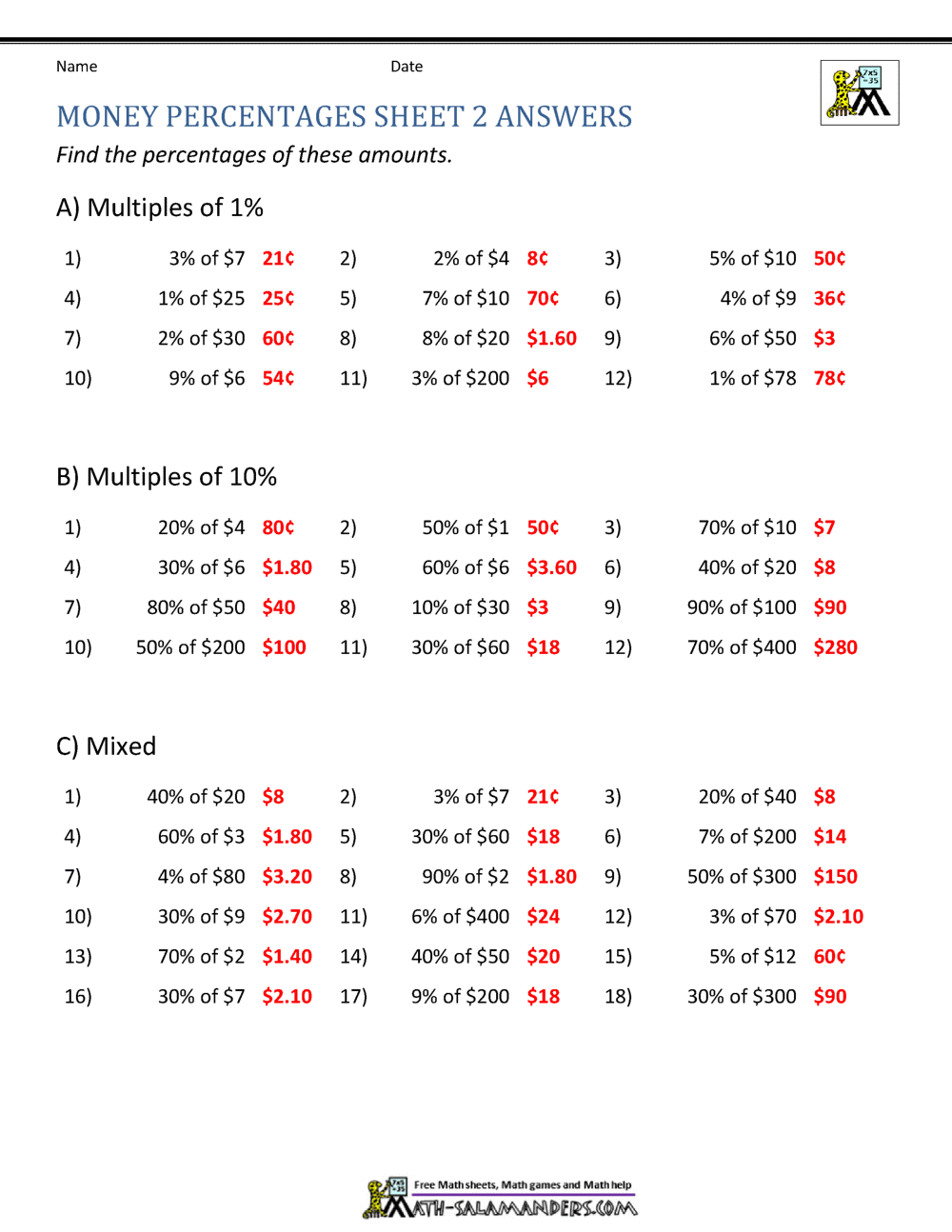
In the world of online income and side hustles, commission-based earnings are a prime example of getting a percentage of money. Whether you are a real estate agent taking a 3% commission on a home sale or an affiliate marketer taking 10% of a software subscription, your income is tied to the volume of value you create.
The beauty of commission-based income is that it is uncapped. Unlike a salary, where your “percentage” of the company’s revenue is fixed and often small, commissions allow you to capture a direct slice of the revenue you generate.
Dividend Investing: Getting a Percentage of Corporate Profits
Dividend investing is one of the purest forms of passive income. When you own shares in a profitable company, that company may choose to distribute a “dividend”—a percentage of its profits—back to shareholders.
The “Dividend Yield” is the percentage of the stock price paid out in dividends annually. For instance, if a stock costs $100 and pays $4 in annual dividends, it has a 4% yield. By reinvesting these percentages, you can build a “dividend snowball” that eventually covers your living expenses without you ever having to sell the underlying assets.
Business Finance: Managing Percentages for Profitability
For entrepreneurs and business owners, getting the percentage of money right is the difference between a thriving enterprise and bankruptcy. In business, percentages are known as “margins.”
Gross vs. Net Profit Margins
A business may generate $1 million in revenue, but if its expenses are $950,000, its profit is only $50,000.
- Gross Profit Margin: This is the percentage of revenue remaining after deducting the cost of goods sold (COGS). It reflects the efficiency of your production or service delivery.
- Net Profit Margin: This is the “bottom line”—the percentage of revenue left after all expenses, including taxes, interest, and overhead.
To improve your financial standing, you must focus on increasing these percentages. This can be done by either raising prices (increasing revenue) or optimizing operations (decreasing costs).
Tax Obligations: Calculating Your Effective Tax Rate
A significant portion of your money will inevitably go to the government. Understanding your “effective tax rate” is crucial. This is the actual percentage of your total income that you pay in taxes after all deductions and credits.
Many people confuse their “marginal tax bracket” (the rate paid on their highest dollar) with their effective tax rate. By utilizing tax-advantaged accounts like a 401(k) or an IRA, you can lower your effective tax rate, essentially “getting a higher percentage” of your own money to keep and invest.
Tools and Formulas for Financial Precision
To master these concepts, you must be comfortable with the basic math and the tools available to automate these calculations.
The Essential Percentage Formula for Every Scenario
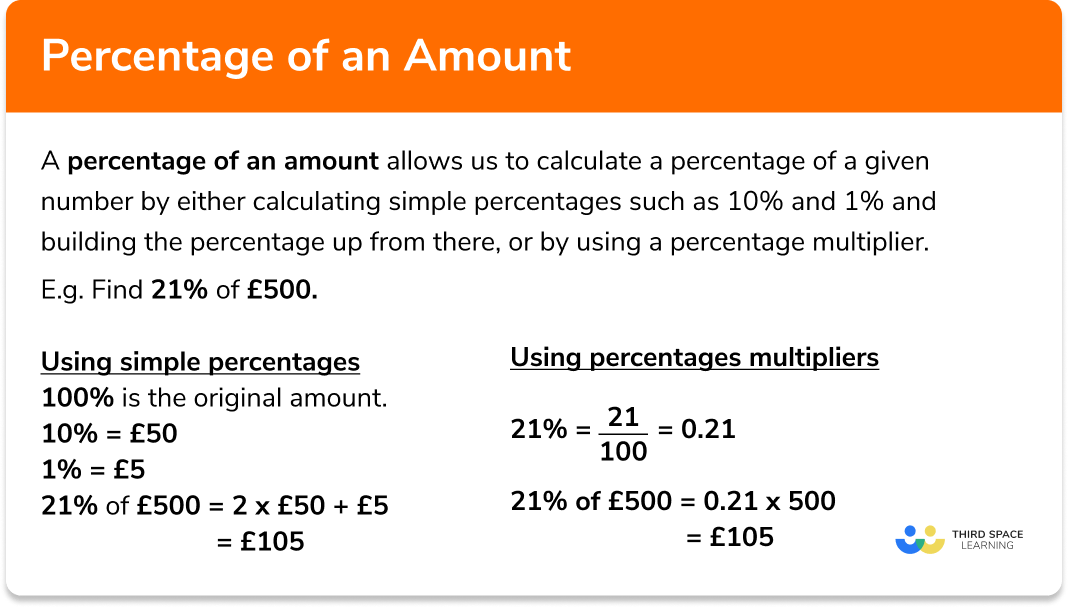
The universal formula to find a percentage of a sum is:
(Total Amount × Percentage Rate) / 100 = Percentage Amount.
If you want to save 15% of a $4,500 paycheck:
($4,500 × 15) / 100 = $675.
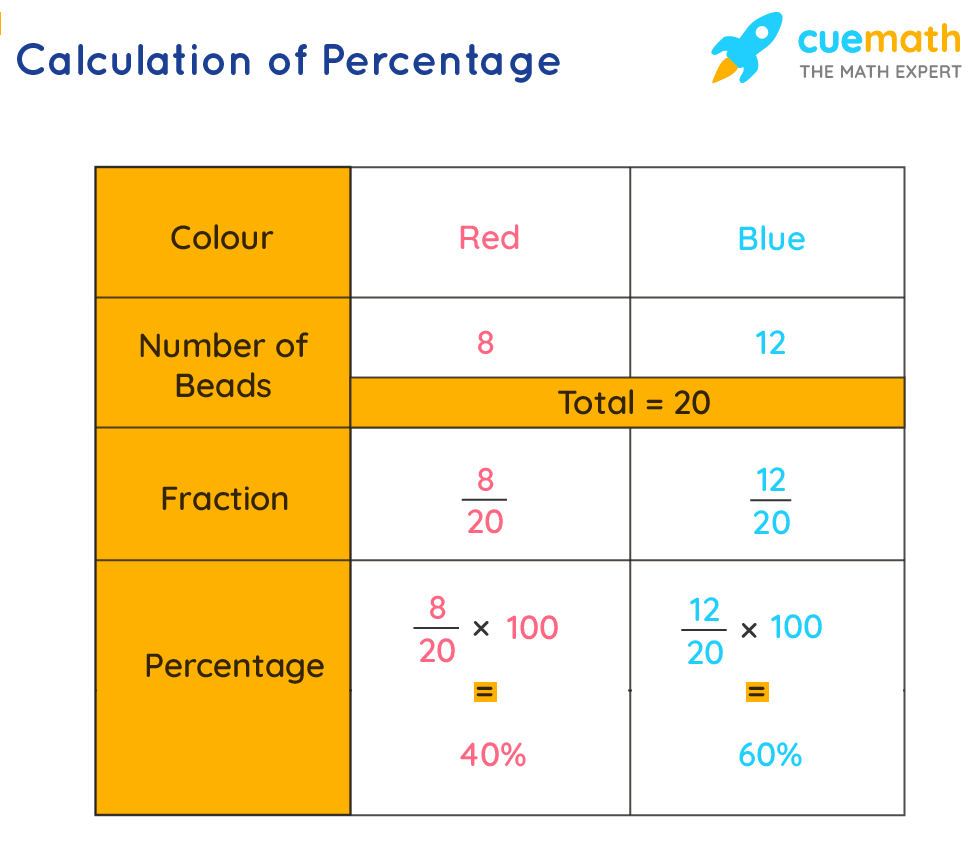
To find what percentage one number is of another (e.g., what percentage of your $60,000 salary is your $12,000 bonus):
(Part / Whole) × 100 = Percentage.
($12,000 / $60,000) × 100 = 20%.
Digital Tools for Tracking Financial Ratios
In the modern era, you don’t need a ledger and a slide rule to manage your percentages. Financial tools and apps can automate this:
- Budgeting Apps: Tools like YNAB or Mint automatically categorize your spending and show you what percentage of your income is going to specific categories.
- Investment Trackers: Platforms like Personal Capital or Morningstar provide a “look-through” analysis of your portfolio, showing what percentage of your money is in domestic vs. international stocks or tech vs. healthcare sectors.
- Spreadsheet Mastery: Utilizing Excel or Google Sheets allows you to create custom formulas to track your Debt-to-Income (DTI) ratio, which is a critical percentage lenders use to determine your creditworthiness.
Conclusion: The Philosophy of the Percentage
Ultimately, learning “how to get the percentage of money” is about shifting your perspective. Instead of focusing on the raw numbers, focus on the ratios. A person earning $50,000 who saves 20% is often in a better long-term financial position than a person earning $200,000 who saves 1%.
By mastering these calculations and applying them to your budget, your investments, and your income streams, you gain total control over your financial destiny. Wealth is not just about how much you make; it is about the percentage you keep, the percentage you grow, and the percentage you use to build a legacy.
aViewFromTheCave is a participant in the Amazon Services LLC Associates Program, an affiliate advertising program designed to provide a means for sites to earn advertising fees by advertising and linking to Amazon.com. Amazon, the Amazon logo, AmazonSupply, and the AmazonSupply logo are trademarks of Amazon.com, Inc. or its affiliates. As an Amazon Associate we earn affiliate commissions from qualifying purchases.