
The traditional image of a lab technologist—a figure in a white coat peering through a manual microscope—is rapidly being replaced by a reality centered on high-speed automation, complex software architectures, and artificial intelligence. In today’s technological landscape, a lab technologist is far more than a technician; they are the architects of data-driven diagnostics and the primary operators of some of the most sophisticated hardware and software systems in existence. As medicine and industrial science pivot toward a digital-first approach, the role of the lab technologist has evolved into a specialized tech-centric profession that bridges the gap between biological samples and actionable digital insights.

The modern laboratory is an ecosystem of interconnected devices. From clinical settings to pharmaceutical research hubs, the lab technologist is responsible for managing the hardware that analyzes molecular structures and the software that interprets those findings. This evolution has redefined the profession, placing a heavy emphasis on technological literacy, data management, and the ability to troubleshoot complex digital systems.
The Evolution of Laboratory Technology: Beyond the Microscope
The shift from manual processes to automated systems represents the most significant leap in the history of laboratory science. Where a technologist once spent hours manually titrating chemicals or counting cells on a slide, they now oversee robotic platforms capable of processing thousands of samples with pinpoint accuracy.
High-Throughput Screening and Robotics
High-throughput screening (HTS) is the backbone of modern drug discovery and large-scale clinical testing. Lab technologists now program and manage robotic arms and automated liquid handling systems that can perform millions of chemical, genetic, or pharmacological tests in a fraction of the time it would take a human. Understanding the logic behind these robotic workflows is essential. A lab technologist must be proficient in the specialized software used to sequence these operations, ensuring that the hardware remains calibrated and that the throughput remains consistent without sacrificing precision.
The Integration of Internet of Things (IoT) in Sample Management
The “Smart Lab” is no longer a concept of the future; it is a current reality powered by the Internet of Things (IoT). Lab technologists utilize IoT-enabled sensors to monitor the environment of sensitive samples in real-time. Whether it is a cryogenic freezer or an incubator for cellular cultures, these devices are connected to a central network. The technologist uses digital dashboards to monitor fluctuations in temperature, humidity, and pressure, receiving instant alerts on mobile devices if a parameter falls outside the norm. This level of connectivity ensures that the integrity of the tech-driven experiment is never compromised.
Lab Information Management Systems (LIMS) and Data Integrity
At the heart of every tech-forward laboratory is the Lab Information Management System (LIMS). This software is the central nervous system of the facility, and the lab technologist is its primary operator. The LIMS manages the flow of samples and the massive amounts of data they generate, ensuring that every piece of information is tracked from the moment of collection to the final report.
Streamlining Workflows with Software
A lab technologist uses LIMS to automate the “chain of custody” for samples. By utilizing barcoding and RFID technology, the technologist can track a sample’s journey through various diagnostic machines without the risk of manual entry errors. The software also handles inventory management, automatically ordering reagents when supplies run low based on usage data. For the technologist, mastering this software is as critical as understanding the underlying biology. They must configure the LIMS to match the specific workflows of their lab, creating custom data fields and reporting templates that satisfy both scientific rigor and regulatory requirements.
Cybersecurity and Patient Data Protection
As laboratories become more digitized, they also become targets for cyber threats. Lab technologists are now on the front lines of digital security. They must understand the importance of encrypted data transmission and the principles of the Health Insurance Portability and Accountability Act (HIPAA) or similar data protection standards in a digital context. Protecting the “digital twin” of a patient’s biological sample is a technical challenge that involves secure logins, multi-factor authentication, and an awareness of how data is stored in the cloud versus on-premise servers.
Artificial Intelligence and Machine Learning in Diagnostics
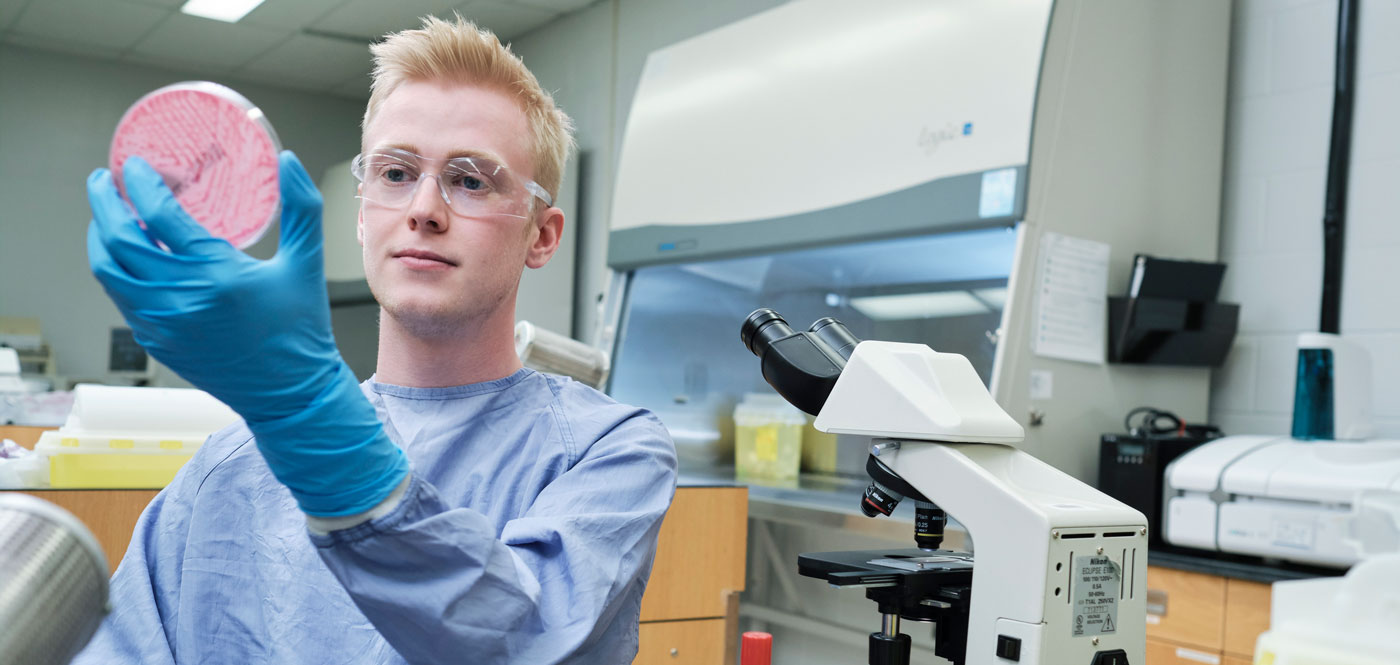
The most exciting frontier for the modern lab technologist is the integration of Artificial Intelligence (AI) and Machine Learning (ML). These tools are not replacing the technologist but are instead acting as “force multipliers” that allow for more complex analysis than ever before.
Predictive Analytics in Clinical Pathology
In pathology, AI algorithms are now used to scan digital slides for anomalies that might be missed by the human eye. The lab technologist facilitates this by preparing high-resolution digital images of tissue samples. They then utilize AI-driven software to highlight areas of concern, such as malignant cell clusters or rare pathogens. The technologist must be able to validate these AI findings, understanding the parameters of the algorithm to ensure that “false positives” or “false negatives” are identified. This collaborative relationship between human expertise and machine processing is defining the new standard of care.
Automated Image Analysis for Cell Morphology
Digital morphology is transforming how blood and tissue samples are analyzed. Using advanced imaging hardware, lab technologists capture detailed views of cells, which are then categorized by machine learning models based on size, shape, and internal structure. The technologist manages these platforms, fine-tuning the software to recognize specific morphological patterns associated with rare diseases. This tech-heavy approach reduces the subjectivity of manual analysis and provides a standardized, data-backed result that can be shared instantly with clinicians worldwide.
The Future Tech Stack: Precision Medicine and Next-Generation Sequencing
The horizon of laboratory science is dominated by genomics and precision medicine. The lab technologist is the primary navigator of the “Next-Generation Sequencing” (NGS) platforms that make this possible. NGS represents a massive technological leap, allowing for the sequencing of an entire human genome in hours rather than years.
Genomics and Bioinformatics Platforms
Operating an NGS platform requires a deep understanding of both high-end hardware and bioinformatics software. A lab technologist in this field manages the complex fluidics of the sequencer and then transitions to the digital realm, where they use bioinformatics pipelines to process raw genetic data. This involves filtering through terabytes of information to identify specific genetic variants. The technologist must be comfortable using command-line interfaces and specialized genomic browsers to interpret and visualize this data.
Cloud-Based Collaborative Research
The modern lab technologist often works in a global, cloud-based environment. Research data is no longer confined to a single hard drive; it is uploaded to secure cloud platforms where technologists and researchers from across the globe can collaborate in real-time. This requires proficiency in cloud computing environments and an understanding of how to manage large datasets in a distributed computing framework. The ability to utilize these collaborative tools ensures that breakthroughs in one lab can be rapidly validated and expanded upon by the global scientific community.
Skills for the Modern Tech-Driven Lab Technologist
As the role shifts further into the realm of technology, the skillset required for a lab technologist is changing. While a foundation in science remains necessary, a proficiency in tech-related disciplines is what defines success in the field today.
Bridging the Gap Between Biology and Data Science
The most successful lab technologists are those who can speak the languages of both biology and technology. This “dual fluency” allows them to troubleshoot a malfunctioning automated assay while also understanding why a specific software update might be causing errors in data reporting. Some technologists are even moving into “LabOps” or laboratory informatics, where they focus entirely on the optimization of the lab’s digital infrastructure. Proficiency in basic coding (such as Python or R) for data visualization and analysis is becoming an increasingly valuable asset in the technologist’s toolkit.

Continuous Learning in a Rapidly Evolving Tech Landscape
In the tech world, software and hardware cycles are short. A piece of diagnostic equipment that was state-of-the-art five years ago may now be obsolete. Therefore, a lab technologist must be a lifelong learner. They must stay abreast of the latest firmware updates, new software modules for their LIMS, and emerging trends like “Lab-on-a-Chip” technology. Professional development for a lab technologist often looks like a tech certification course, focusing on system administration, data analytics, or the operation of specific high-tech platforms.
The lab technologist of today is a high-tech professional at the intersection of life sciences and digital innovation. By mastering the complex machines, sophisticated software, and data-driven methodologies that define modern science, they ensure that the leap from a biological sample to a life-saving discovery is both accurate and efficient. As we look toward a future defined by AI, robotics, and personalized medicine, the lab technologist will remain the essential human element that powers the digital engine of scientific progress.
aViewFromTheCave is a participant in the Amazon Services LLC Associates Program, an affiliate advertising program designed to provide a means for sites to earn advertising fees by advertising and linking to Amazon.com. Amazon, the Amazon logo, AmazonSupply, and the AmazonSupply logo are trademarks of Amazon.com, Inc. or its affiliates. As an Amazon Associate we earn affiliate commissions from qualifying purchases.