
The cinematic release of Spider-Man: No Way Home represented more than just a box-office milestone; it was a masterclass in brand integration, legacy management, and collaborative marketing. As audiences look toward the horizon to determine which movie follows this tectonic shift in the Marvel Cinematic Universe (MCU), the answer is not found in a single title, but in a multi-pronged brand strategy that spans across two major studios—Sony Pictures and Disney’s Marvel Studios. To understand what comes after No Way Home, one must analyze the strategic branding of the “Multiverse” and how it serves as a vehicle for corporate longevity and audience retention.
The Evolution of the Sony-Marvel Brand Partnership
The relationship between Sony Pictures and Marvel Studios is one of the most complex examples of co-branding in modern entertainment history. While Marvel Studios (under Disney) manages the broader MCU brand, Sony retains the film rights to the Spider-Man character and his massive roster of supporting heroes and villains. Spider-Man: No Way Home served as the ultimate bridge between these two distinct corporate identities, successfully merging three different eras of filmmaking into a singular, cohesive brand experience.
Maintaining Brand Cohesion Across Studios
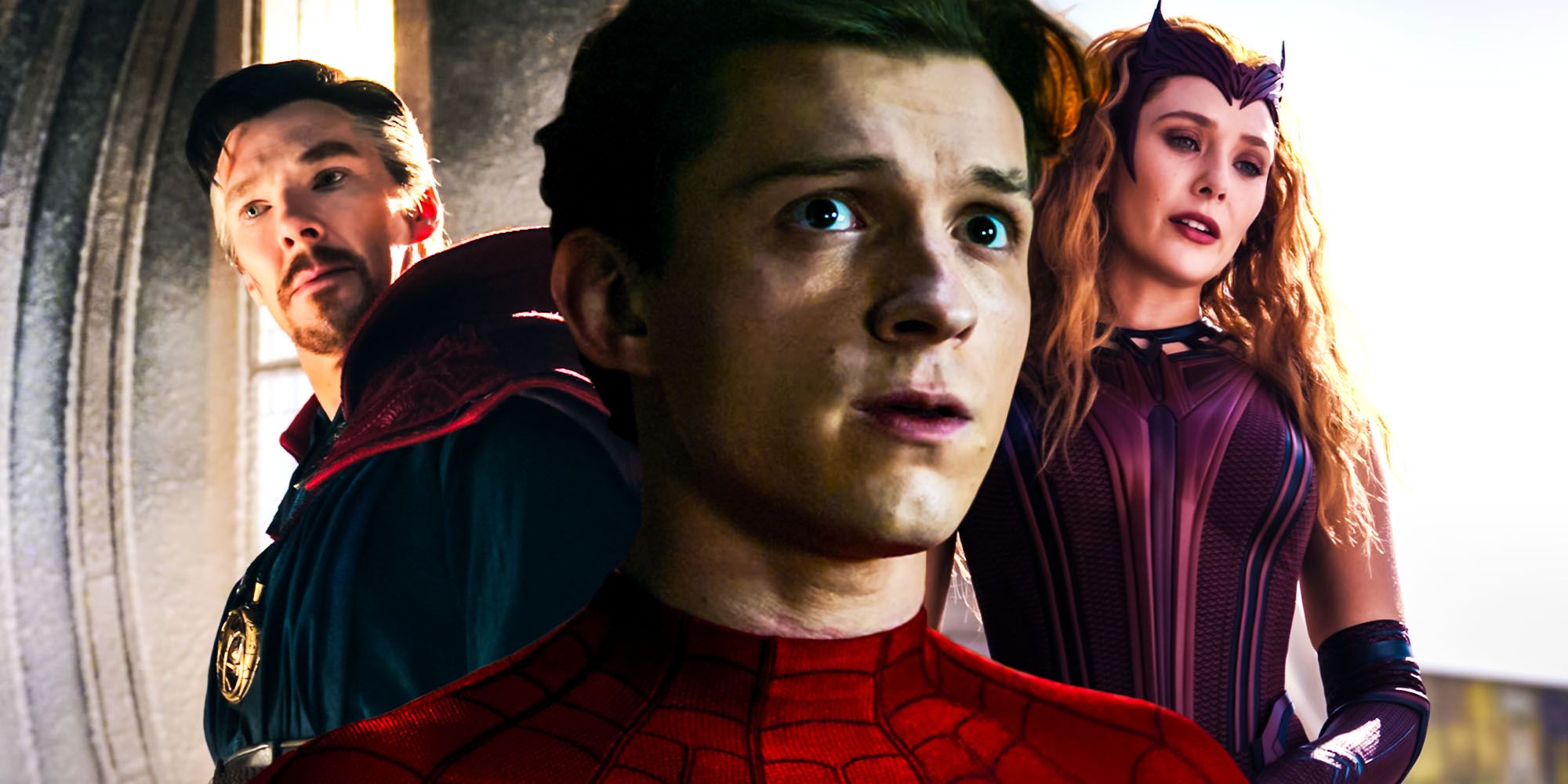
The immediate successor to No Way Home in terms of chronological release was Doctor Strange in the Multiverse of Madness, which directly leveraged the narrative consequences of Peter Parker’s journey. From a brand strategy perspective, this transition was essential to maintain the momentum of the “Multiverse” brand. By positioning Spider-Man as the catalyst for the multiverse, Marvel Studios effectively used their most popular character to “onboard” viewers into a more complex, high-concept phase of their cinematic brand.
The Expansion of the Sony Pictures Universe of Marvel Characters (SPUMC)
For Sony, the success of No Way Home provided a strategic launchpad for their independent brand of Marvel films. Rather than a direct sequel to Peter Parker’s story, Sony focused on building the “Spider-Verse” brand through tangential characters. Movies like Morbius and Madame Web were positioned as part of a broader brand ecosystem that exists alongside the MCU. The branding challenge here is significant: Sony must convince audiences that these films possess the same “prestige” and “connectivity” as the MCU titles, even when the central hero is absent.
Leveraging Nostalgia as a Core Brand Asset
One of the most profound takeaways from the post-No Way Home landscape is the strategic use of nostalgia as a brand asset. The inclusion of Tobey Maguire and Andrew Garfield was not merely a creative choice; it was a high-level marketing maneuver designed to unify three decades of consumer loyalty.
Brand Equity in Legacy Characters
By validating the previous iterations of Spider-Man, Sony and Marvel effectively “reset” the brand equity of their older films. This creates a perpetual revenue loop where new viewers go back to watch films from 2002 and 2012, while older fans remain tethered to the modern franchise. What follows No Way Home is a strategy of “legacy branding,” where the studio can now feasibly pull any character from the past into the present, effectively making the entire history of the character a part of the current marketing funnel.
The Animated Pivot: Spider-Man: Across the Spider-Verse
Perhaps the most successful brand extension following No Way Home was the animated masterpiece Spider-Man: Across the Spider-Verse. While technically a separate medium, the brand identity remains consistent. Sony utilized the animated format to push the boundaries of visual branding, creating a distinct aesthetic that separates the “Spider-Verse” from the more grounded, live-action MCU. This diversification ensures that the Spider-Man brand is not reliant on a single actor or a single visual style, protecting the intellectual property from “superhero fatigue.”
The Strategic Roadmap: Building the Next Phase of the Spider-Man Brand

Looking forward, the brand strategy for Spider-Man involves a deliberate “reset.” At the conclusion of No Way Home, the world has forgotten Peter Parker’s identity. From a branding perspective, this is a masterful move that allows for a “Brand Rebirth.”
The “Street-Level” Brand Identity
The next MCU Spider-Man film (often referred to in industry circles as Spider-Man 4) is expected to pivot away from the cosmic, multiverse-ending stakes and return to a “street-level” brand identity. This is a strategic response to audience feedback. As the MCU brand has become increasingly complex and data-heavy, there is a clear demand for more intimate, character-driven narratives. By rebranding Peter Parker as a lonely, grassroots hero, the studios can tap into a “back-to-basics” marketing campaign that mirrors the original appeal of the character from the 1960s comic books.
Synergy with Disney+ and Personal Branding
The Spider-Man brand does not end at the movie theater. The transition following No Way Home includes a heavy emphasis on personal branding for the lead actor, Tom Holland, and the integration of the character into streaming ecosystems. While Sony owns the film rights, Disney+ serves as a vital platform for the brand’s “long-tail” marketing. Through animated prequels like Your Friendly Neighborhood Spider-Man, the brand maintains a constant presence in the consumer’s mind between major theatrical releases.
Personal Branding and the Tom Holland Factor
In the modern era, the brand of the character is often inseparable from the brand of the actor. Tom Holland has become the face of a generation for Marvel. The strategy following No Way Home has been to carefully manage Holland’s personal brand to ensure that he remains synonymous with Peter Parker while still allowing him the creative freedom to pursue other projects.
Scarcity as a Marketing Tool
Following the massive success of No Way Home, there has been a notable gap in Spider-Man content. This is not accidental. In marketing, scarcity can be as powerful as ubiquity. By allowing time to pass, the studios are building “brand hunger.” When the next movie is eventually officially titled and marketed, the pent-up demand will likely exceed the record-breaking heights of its predecessor. This “prestige” approach ensures that the Spider-Man brand remains an “event,” rather than a commodity.
The Transition to Leadership
Within the narrative of the MCU, the brand of Spider-Man is being groomed for a leadership role. With the departure of Iron Man and Captain America, the brand identity of the MCU needs a new anchor. Peter Parker, having survived the events of No Way Home, is being positioned as the central figure around which the next generation of Avengers will pivot. This is a long-term corporate strategy designed to stabilize the MCU brand during a period of transition and mixed reviews for other newer characters.

The Strategic Impact of Cross-Platform Branding
Finally, to answer “what is after” No Way Home, we must look at the broader landscape of media consumption. The brand has moved beyond the “trilogy” model and into a “perpetual content” model.
- Gaming Integration: The Marvel’s Spider-Man video game series on PlayStation acts as a critical brand touchpoint. The games offer a different but complementary brand experience that reinforces the character’s popularity during the years when no movies are released.
- Merchandising Strategy: The “Multiverse” allowed for the creation of dozens of new “Spider-Variants,” each representing a unique merchandising opportunity. This diversification of the brand’s visual identity ensures that toy aisles and apparel lines remain fresh, catering to different demographics and aesthetic preferences.
- The “Eventization” of Cinema: No Way Home proved that theatrical releases must be “events” to survive in the streaming era. The movies that follow will likely continue this trend of high-stakes, cross-over branding to justify the premium price of a movie ticket.
In conclusion, the movie “after” Spider-Man: No Way Home is not just a single sequel; it is an entire ecosystem of brand extensions, strategic resets, and cross-studio collaborations. Whether it is the animated brilliance of the Spider-Verse, the expansion of Sony’s villain-centric universe, or the eventual “back-to-basics” MCU Spider-Man 4, the overarching goal remains the same: to maintain the Spider-Man IP as the most valuable and versatile brand in the global entertainment market. Through careful management of nostalgia, actor branding, and multiverse storytelling, Sony and Marvel have ensured that the brand’s greatest days are not behind it, but are continuously evolving for a new digital age.
aViewFromTheCave is a participant in the Amazon Services LLC Associates Program, an affiliate advertising program designed to provide a means for sites to earn advertising fees by advertising and linking to Amazon.com. Amazon, the Amazon logo, AmazonSupply, and the AmazonSupply logo are trademarks of Amazon.com, Inc. or its affiliates. As an Amazon Associate we earn affiliate commissions from qualifying purchases.