
The human body is a marvel of intricate design, a complex system of bones, muscles, and nerves working in concert to enable movement, posture, and a myriad of other vital functions. Among the many anatomical landmarks, the ischial tuberosity, often referred to as the “sit bones,” plays a crucial role in our daily lives. While its fundamental function might seem straightforward – providing a stable base for sitting – a deeper understanding reveals its significance in biomechanics, athletic performance, and increasingly, in the realm of technological innovation. From advanced prosthetic design to sophisticated motion analysis, the ischial tuberosity is becoming a focal point for engineers and technologists seeking to enhance human capabilities and well-being.
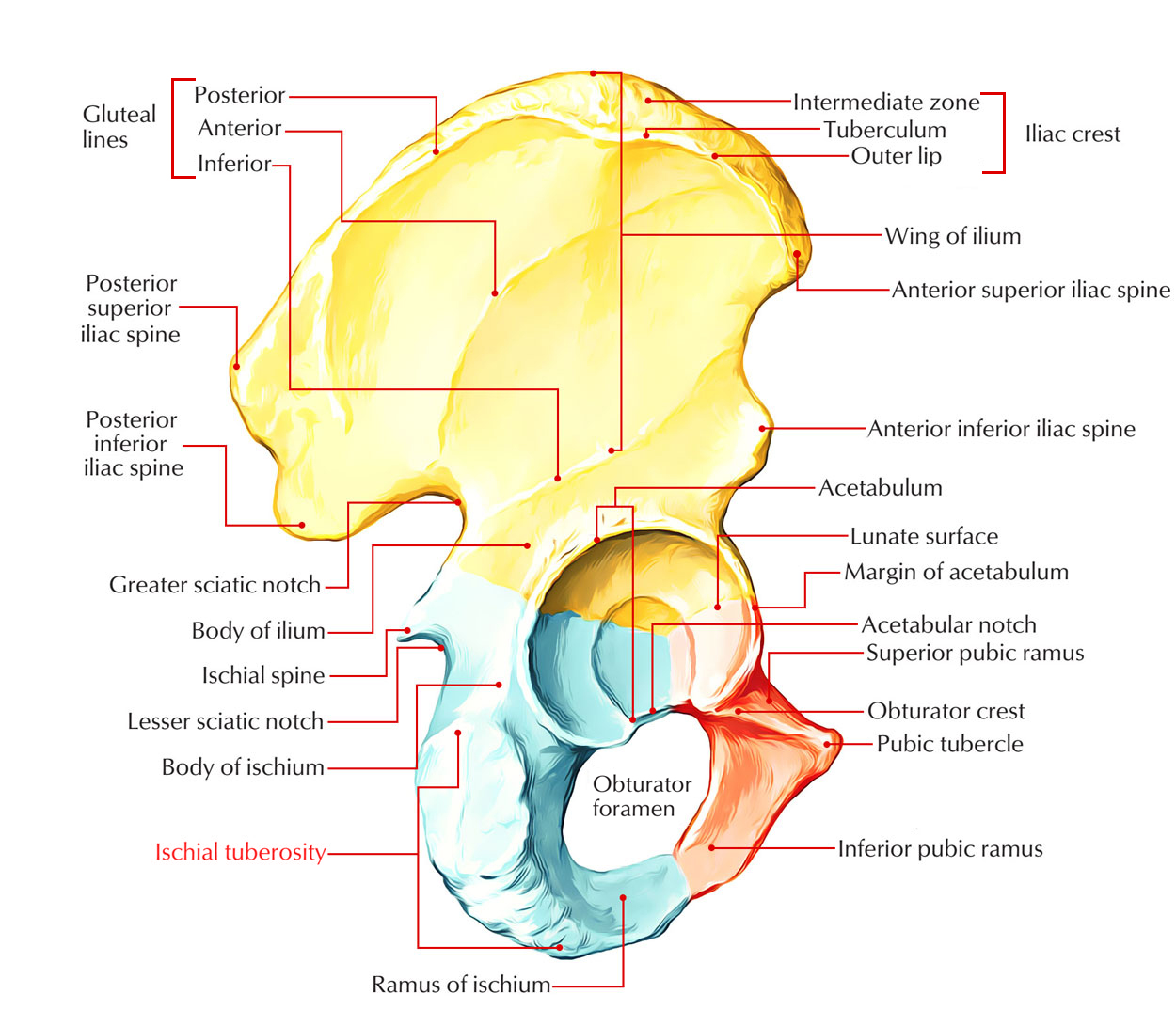
This article will explore the ischial tuberosity from a technological perspective, delving into its anatomical significance, the biomechanical forces it endures, and how emerging technologies are leveraging this knowledge to create innovative solutions across various sectors.
The Anatomical Foundation: Understanding the “Sit Bone”
At its core, understanding the ischial tuberosity begins with its anatomical context within the human pelvis. This bony prominence serves as a fundamental anatomical reference point, but its technological implications extend far beyond simple identification.
Pelvic Anatomy and the Ischium
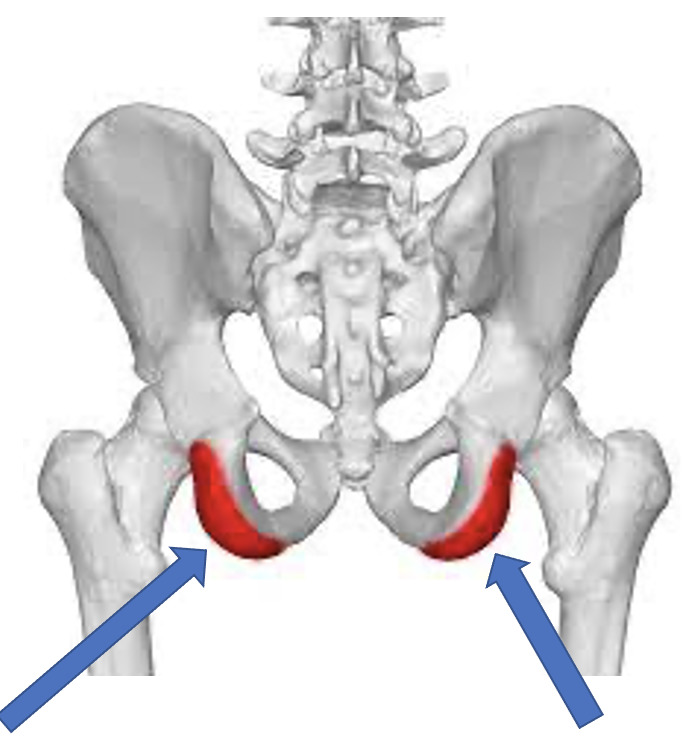
The pelvis is a ring-like bony structure that connects the vertebral column to the lower limbs. It is formed by the fusion of three bones on each side: the ilium, the ischium, and the pubis. The ischium, one of these fused components, is located at the posterior and inferior aspect of the pelvis. The ischial tuberosity is the roughest and most prominent part of the ischium, situated at its most inferior point. It is the primary weight-bearing structure when an individual is seated.
Key Muscular Attachments and Their Significance
The ischial tuberosity is not merely an inert bony landmark; it is a critical anchor point for several powerful muscle groups, most notably the hamstrings. The biceps femoris, semitendinosus, and semimembranosus muscles, collectively known as the hamstrings, originate from the ischial tuberosity. These muscles are essential for hip extension and knee flexion, fundamental movements in walking, running, jumping, and countless other physical activities.
Understanding these muscular attachments is paramount in fields like sports science and rehabilitation, where biomechanical analysis is crucial. The forces exerted by these muscles during dynamic movements place significant stress on the ischial tuberosity. Technologies that can measure or simulate these forces are invaluable for injury prevention and performance optimization. Furthermore, the ischial tuberosity also serves as an attachment for the adductor magnus muscle, which plays a role in thigh adduction and hip extension.
The Ischial Tuberosity in Sitting Posture
When we sit, the ischial tuberosities bear the majority of our body weight. The way we position ourselves and the surfaces we sit on significantly influence the pressure distribution and the resulting biomechanical forces. Poor sitting posture, prolonged sitting, or inadequate cushioning can lead to discomfort, pain, and long-term musculoskeletal issues. This understanding is driving innovation in ergonomic design and seating technology.
Biomechanical Forces and Technological Measurement
The forces acting upon the ischial tuberosity are complex and dynamic, varying greatly with posture, activity level, and external forces. Technologies that can accurately measure and analyze these forces are revolutionizing our understanding and ability to mitigate negative impacts.
Load Bearing During Static and Dynamic Activities
In a static seated posture, the ischial tuberosities bear a significant portion of the body’s weight. This load can be exacerbated by factors such as leaning forward, slouching, or the use of less supportive seating. When transitioning from sitting to standing, or during activities like walking and running, the forces acting on the ischial tuberosity change dramatically. During locomotion, the hamstrings contract powerfully to extend the hip, transmitting substantial force through their origin on the ischial tuberosity.
Technological advancements in pressure mapping systems, often employing arrays of sensors embedded in seating surfaces or specialized garments, allow for real-time visualization and quantification of pressure distribution across the ischial tuberosities. These systems are invaluable for individuals who spend extended periods sitting, such as office workers, drivers, or wheelchair users, enabling the development of personalized ergonomic solutions.
Stress and Strain Analysis for Injury Prevention
The repetitive and often high-magnitude forces experienced by the ischial tuberosity during athletic activities can lead to overuse injuries, such as hamstring strains or tendinopathy. Understanding the biomechanics of these movements is crucial for designing effective injury prevention strategies and rehabilitation programs.
Advanced motion capture technology, coupled with biomechanical modeling software, can provide detailed insights into the forces and torques experienced by the pelvis and its associated musculature, including the ischial tuberosity. This data can identify movement patterns that place excessive stress on the area, allowing for targeted interventions. Furthermore, finite element analysis (FEA) software, a powerful computational tool, can simulate the stress and strain distribution within bone and soft tissues under various loading conditions. By creating digital models of the ischial tuberosity and surrounding structures, FEA can predict potential failure points and inform the design of protective gear or surgical implants.
The Role of Wearable Technology in Monitoring
Wearable technology is rapidly transforming how we monitor our physical well-being. For individuals concerned with posture, activity levels, or the management of conditions affecting the pelvic region, wearables offer a promising avenue for data collection and feedback.
Smart insoles and wearable sensors integrated into clothing can potentially track posture, gait, and even muscle activation patterns related to hamstring engagement. By monitoring the pressure distribution on the ischial tuberosities and the dynamics of hip extension, these devices can provide users with real-time feedback to adjust their posture or activity, helping to prevent discomfort and potential injuries. While still an evolving area, the integration of such sensors with sophisticated algorithms holds the potential for personalized health monitoring and proactive injury management.
Technological Applications and Innovations
The biomechanical understanding of the ischial tuberosity is directly fueling innovation in various technological domains, from prosthetics to ergonomic seating and advanced diagnostic tools.
Prosthetic Design and Biomechanics
For individuals who have undergone amputation below the hip, the ischial tuberosity plays a critical role in the functionality and comfort of prosthetic limbs. The socket of a prosthetic hip, designed to interface with the residual limb, must distribute pressure effectively around the ischial tuberosity and other bony prominences to prevent discomfort, skin breakdown, and instability.
Engineers employ advanced 3D scanning and modeling techniques to create custom-fit prosthetic sockets. These technologies allow for precise capture of the residual limb’s anatomy, including the contours of the ischial tuberosity. Computational fluid dynamics (CFD) and FEA are then used to simulate pressure distribution and shear forces within the socket, optimizing its design for maximum comfort and load-bearing capacity. The goal is to mimic the natural load transfer that occurs with an intact limb, ensuring the ischial tuberosity can effectively bear weight and provide a stable connection for the prosthetic.
Ergonomic Seating and Furniture Design
The widespread recognition of the impact of prolonged sitting on musculoskeletal health has spurred significant advancements in ergonomic seating design. Technologies like pressure mapping systems, as mentioned earlier, are instrumental in this field. By analyzing the pressure distribution on the ischial tuberosities and the surrounding soft tissues, designers can create seats that promote healthy posture, reduce localized pressure points, and enhance overall comfort.
Furthermore, the use of advanced materials, such as memory foam, gel composites, and adaptive cushioning systems, is informed by biomechanical data. These materials are engineered to conform to the body’s contours, distribute weight evenly, and absorb shock, thereby reducing the stress on the ischial tuberosities. Smart furniture with integrated sensors that can monitor sitting time and posture, providing gentle alerts for postural adjustments, is also an emerging area of technological development.
Rehabilitation Technologies and Virtual Reality
In physical therapy and rehabilitation, understanding the biomechanics of the ischial tuberosity is vital for treating injuries and improving functional outcomes. Technologies are emerging that can enhance the effectiveness of these interventions.
Virtual Reality (VR) is increasingly being used in rehabilitation to create engaging and immersive environments for patients. For individuals recovering from hamstring injuries or pelvic floor dysfunction, VR can provide interactive exercises that retrain movement patterns and muscle activation in a controlled and motivating setting. Motion capture systems integrated with VR can provide precise feedback on the user’s movements, ensuring they are performing exercises correctly and safely, with a focus on appropriate engagement of muscles originating from the ischial tuberosity.
Moreover, biofeedback devices that monitor muscle activity (EMG) can be integrated with visual displays, allowing patients to see in real-time how effectively they are engaging specific muscles, including the hamstrings originating from the ischial tuberosity. This direct feedback loop is crucial for motor learning and regaining proper neuromuscular control.
The Future of Ischial Tuberosity Research and Technology
As our understanding of biomechanics deepens and technological capabilities expand, the focus on anatomical landmarks like the ischial tuberosity will continue to grow. This will lead to even more sophisticated and personalized technological solutions.
Advanced Sensing and AI Integration
The integration of advanced sensing technologies with Artificial Intelligence (AI) promises to unlock new levels of personalized health monitoring and performance optimization. Future wearable devices could incorporate a wider array of sensors – including inertial measurement units (IMUs), pressure sensors, and even subtle thermal or electrical activity monitors – to provide a comprehensive picture of the body’s response to movement and posture.
AI algorithms can then analyze this vast amount of data to identify subtle deviations from optimal biomechanical patterns, predict the risk of injury, and recommend highly personalized interventions. For instance, AI could analyze an individual’s gait and sitting habits, identifying patterns that place excessive strain on the ischial tuberosity, and then suggest specific stretches, posture adjustments, or seating modifications.
Biomimicry and Advanced Materials
The principles of biomimicry, where engineers draw inspiration from biological systems, will likely play a significant role in future innovations related to the ischial tuberosity. Understanding the natural load-bearing capabilities and resilience of bone and connective tissue can inform the development of new materials for prosthetics, orthotics, and even advanced implantable devices.
The development of novel composite materials that mimic the strength-to-weight ratio of bone, or smart materials that can adapt their properties in response to environmental stimuli, could revolutionize the design of interfaces between the human body and technology. This could lead to prosthetic sockets that are not only comfortable but also actively contribute to load management and tissue health.

Personalized Medicine and Digital Twins
The concept of “digital twins” – virtual replicas of an individual’s anatomy and physiology – is gaining traction in healthcare and performance science. For the ischial tuberosity, a digital twin could integrate detailed anatomical scans, biomechanical models, and real-time sensor data to create a highly personalized simulation.
This digital twin could be used for a variety of purposes: testing the efficacy of different prosthetic socket designs before physical fabrication, simulating the impact of surgical interventions, or predicting an athlete’s susceptibility to injury based on their unique biomechanical profile. This personalized approach, powered by advanced computing and sensing technologies, represents the future of understanding and interacting with complex anatomical structures like the ischial tuberosity.
In conclusion, the ischial tuberosity, far from being just a point of contact for sitting, is a dynamic anatomical structure whose biomechanical significance is increasingly being harnessed by technological innovation. From enhancing the lives of individuals with limb loss to optimizing athletic performance and improving daily comfort, the intersection of anatomy and technology continues to reveal new possibilities, with the humble “sit bone” at the forefront of these advancements.
aViewFromTheCave is a participant in the Amazon Services LLC Associates Program, an affiliate advertising program designed to provide a means for sites to earn advertising fees by advertising and linking to Amazon.com. Amazon, the Amazon logo, AmazonSupply, and the AmazonSupply logo are trademarks of Amazon.com, Inc. or its affiliates. As an Amazon Associate we earn affiliate commissions from qualifying purchases.