
The “poke” on Facebook, a feature that once allowed users to send a simple notification to a friend, carries a surprisingly nuanced meaning within the digital communication landscape. While its direct utility has waned over the years, its historical context and the evolving ways we interact online offer valuable insights into the nature of digital relationships and platform design. Understanding the Facebook poke is not merely about deciphering an obsolete feature; it’s about exploring the subtle art of digital attention-grabbing and the evolution of social media interaction.
The Genesis and Evolution of the Facebook Poke
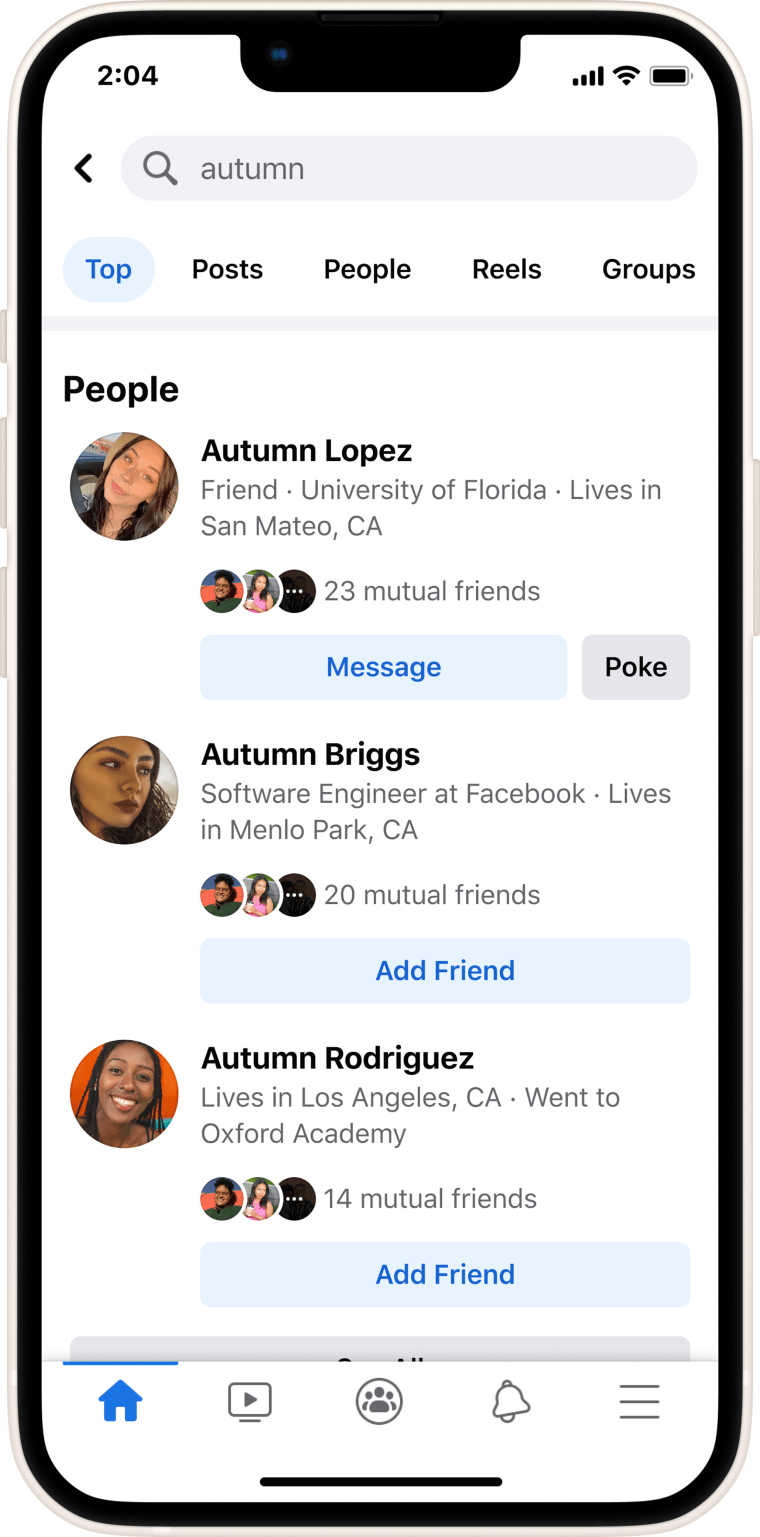
Introduced early in Facebook’s history, the poke was designed as a lightweight form of interaction, a digital equivalent of a tap on the shoulder. Its simplicity was its strength, allowing users to signal their presence or intention without requiring a full message or comment. This unburdened approach fostered a unique, almost playful, form of engagement that was distinct from other communication tools available on the platform.
Early Intentions: A Digital Nudge
When the poke was first conceived, the digital communication space was less saturated. Platforms like Facebook were still finding their footing, and users were exploring the possibilities of online interaction. The poke emerged as an answer to a simple need: how to acknowledge someone’s presence or initiate a casual interaction without the formality of a direct message. It was a way to say, “I’m here, thinking of you,” or “Hey, check this out!” without demanding an immediate response. This ambiguity was, in fact, part of its charm. It allowed for a range of interpretations, from a friendly greeting to a subtle invitation for conversation.
The Shifting Landscape of Social Media Interaction
As social media platforms matured and user behavior evolved, the poke began to feel increasingly anachronistic. The rise of more sophisticated communication tools, such as direct messaging, stories, and a proliferation of reaction emojis, provided users with more expressive and direct ways to interact. The poke, with its inherent ambiguity, started to fall by the wayside for many. Its core function – getting someone’s attention – could now be achieved through more immediate and contextually relevant means. However, for a dedicated segment of users, the poke retained its nostalgic appeal and its unique, low-friction method of engagement.
The Ambiguity as a Feature: Intentions and Interpretations
The enduring fascination with the Facebook poke lies largely in its ambiguity. Unlike a “like” or a comment, a poke offered no explicit meaning. This lack of definition allowed users to imbue it with their own intentions and interpret it in various ways. Was it a sign of romantic interest? A platonic acknowledgment? A joke? The answer was rarely clear-cut, and this uncertainty fueled discussion and curiosity.
Beyond the Literal: What Users Thought It Meant
For many, a poke was simply a friendly gesture, a way to remind someone that they exist on the platform. It could be a silent greeting, a way to break the ice, or a means to test the waters before initiating a more substantial conversation. In certain social circles, it evolved into an inside joke or a coded message, its meaning understood only by the individuals involved. This adaptability made the poke a flexible tool, capable of conveying a spectrum of emotions and intentions depending on the context of the relationship.
The “Accidental” Poke: A Common Trope
A frequent defense or explanation for poking someone was the “accidental” poke. Given the ease with which a poke could be sent, it was not uncommon for users to claim they had done so unintentionally. This provided a convenient out for those who perhaps wanted to poke someone but were hesitant about the implications or simply made a mistake. This “accidental” nature further cemented the poke’s reputation as a low-stakes interaction, where missteps had minimal consequences.
The Digital Subtlety of Attention and Engagement
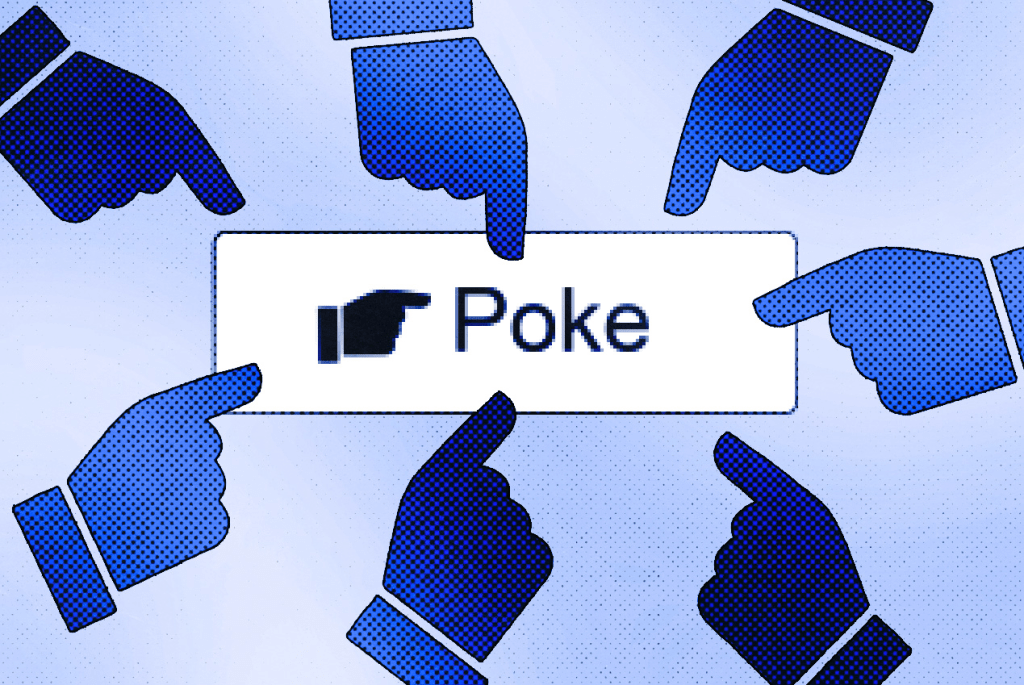
The Facebook poke, despite its current diminished role, serves as an excellent case study in the subtle mechanics of digital attention and engagement. It highlights how even the simplest of features can be used to signal presence, test boundaries, and initiate interaction in the vast expanse of social networks. Its legacy lies in its demonstration of how technology can facilitate informal social cues.
The Hierarchy of Digital Communication
When considering the spectrum of digital communication, the poke occupied a unique space. At the lowest end of the effort and commitment spectrum, it required minimal input from the sender and minimal immediate obligation from the receiver. This contrasted sharply with sending a message, writing a comment, or even leaving a reaction. The poke was a precursor, a digital whisper, designed to solicit a reaction or a return poke, thereby escalating the interaction.
Signaling Presence in a Crowded Digital Space
In the early days of social media, the sheer volume of users and content was less overwhelming. As platforms grew, the challenge shifted from simply connecting to effectively capturing attention. The poke offered a way to stand out in a less noisy environment. Today, while the poke itself might not be as effective in cutting through the noise, the underlying principle of finding subtle ways to be noticed remains a critical aspect of online interaction. This could manifest in the strategic use of tags, the timing of posts, or even the specific emojis chosen for reactions.
The Evolution of “Getting Noticed” Online
The poke was one of the earliest, simplest mechanisms for users to attempt to get the attention of another user on Facebook. It was a primitive form of digital signaling. Over time, as platforms have become more sophisticated, so too have the methods for achieving this. Features like Instagram Stories’ “seen” receipts, Snapchat’s streaks, and even the algorithm-driven visibility of posts on various platforms have all, in their own ways, evolved the concept of “getting noticed” online. Each innovation aims to provide users with more control and more immediate feedback on their attempts to connect.
The Poke in the Context of Platform Design and User Psychology
The longevity and eventual decline of the Facebook poke can be analyzed through the lens of platform design principles and user psychology. Its initial success and subsequent fading relevance offer insights into how users adopt and abandon features based on their perceived utility and the evolving social norms of digital interaction.
The Role of Simplicity in Feature Adoption
The poke’s initial adoption was likely driven by its sheer simplicity. It was easy to understand, easy to use, and required no cognitive overhead. In the early days of social media, users were still learning how to navigate these new digital spaces, and features that were intuitive and required little effort were more likely to be embraced. This aligns with the general principles of user experience design, where ease of use is paramount for broad adoption.
The Paradox of Ambiguity: Engagement vs. Clarity
While the poke’s ambiguity initially contributed to its mystique and engagement, it also represented a fundamental tension in digital communication. Users often crave clarity in their interactions, especially as relationships deepen. The inability to clearly express sentiment or intent through a poke eventually led to its diminishing utility for many. This highlights how, while some ambiguity can foster curiosity, too much can lead to frustration and disengagement. Platforms often strive for a balance between allowing for personal interpretation and providing clear communication channels.
The “Feature Graveyard” and User Behavior Shifts
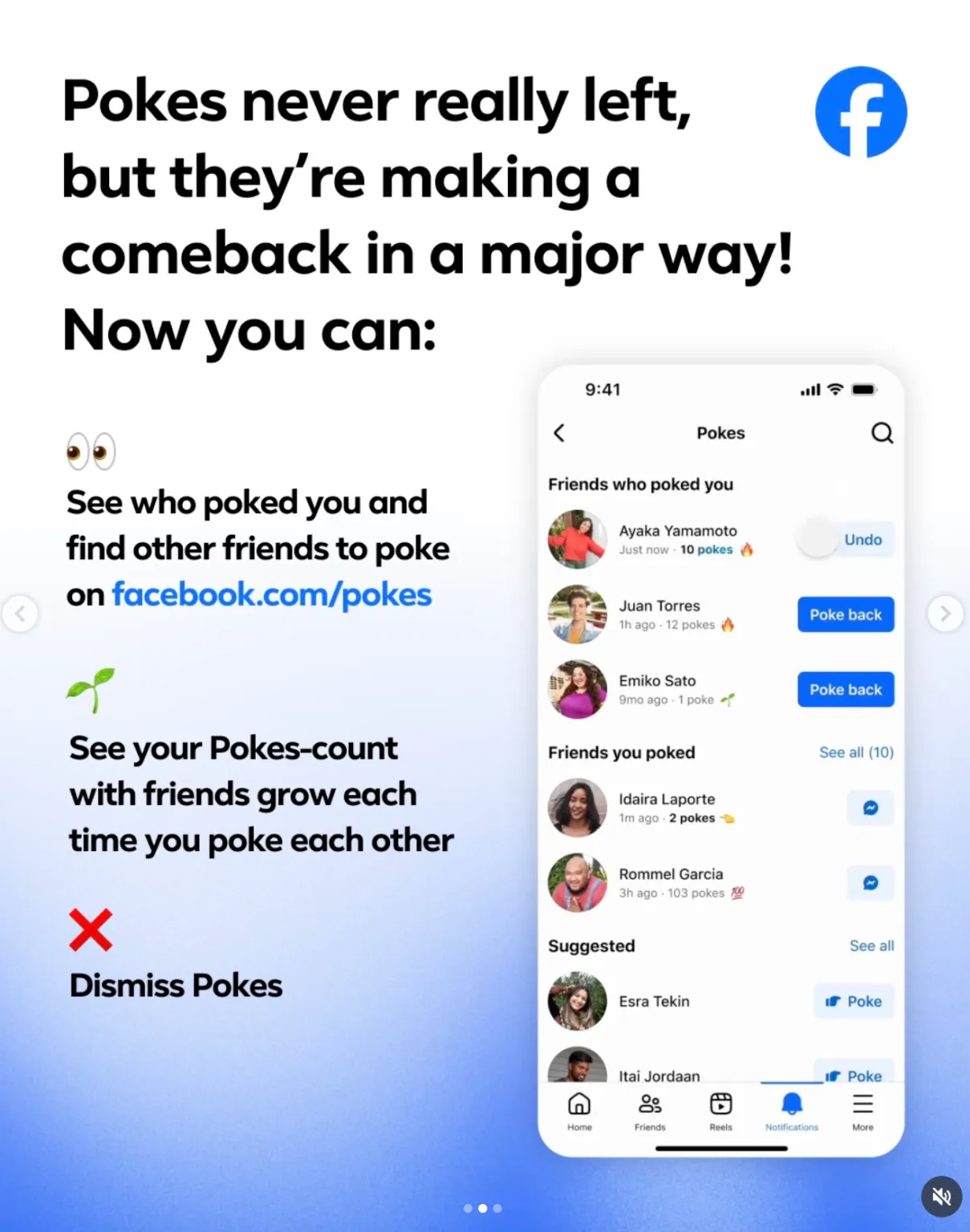
The poke resides in what could be termed the “feature graveyard” of many social media platforms. These are features that, while once popular or even innovative, are eventually superseded by newer technologies, changing user habits, or a shift in platform strategy. The poke’s journey illustrates how user behavior is not static; it adapts to new tools, evolving social norms, and the continuous innovation of the platforms themselves. Understanding this dynamic is crucial for anyone looking to build or maintain an online presence, as it underscores the need for adaptability and awareness of emerging trends.
In conclusion, the Facebook poke, while a relic of an earlier era of social networking, offers a rich tapestry of meaning. It speaks to the fundamental human desire for connection, the evolving nature of digital communication, and the subtle psychology of online interaction. Its legacy is not just in its function but in the conversations it sparked and the digital social cues it helped to define.
aViewFromTheCave is a participant in the Amazon Services LLC Associates Program, an affiliate advertising program designed to provide a means for sites to earn advertising fees by advertising and linking to Amazon.com. Amazon, the Amazon logo, AmazonSupply, and the AmazonSupply logo are trademarks of Amazon.com, Inc. or its affiliates. As an Amazon Associate we earn affiliate commissions from qualifying purchases.