
For the majority of individuals, a mortgage represents the single largest financial commitment they will ever undertake. At its core, the interest rate on a mortgage is the price you pay to a lender for the use of their capital to purchase real estate. However, this seemingly simple percentage is a complex figure driven by global economic forces, central bank policies, and individual financial profiles. Understanding the nuances of mortgage interest rates is not just about securing a loan; it is about mastering a critical component of personal finance that dictates long-term wealth accumulation and monthly cash flow.
The Fundamental Mechanics of Mortgage Interest Rates
To understand mortgage interest rates, one must first distinguish between the nominal interest rate and the Annual Percentage Rate (APR). The nominal rate is the basic percentage used to calculate your monthly interest payment. In contrast, the APR is a more comprehensive measure of the cost of the loan, incorporating the interest rate plus other costs such as broker fees, points, and certain closing costs. For a savvy borrower, the APR is often the more critical metric because it reflects the true effective cost of the debt over the life of the loan.
How Rates Are Determined by the Market
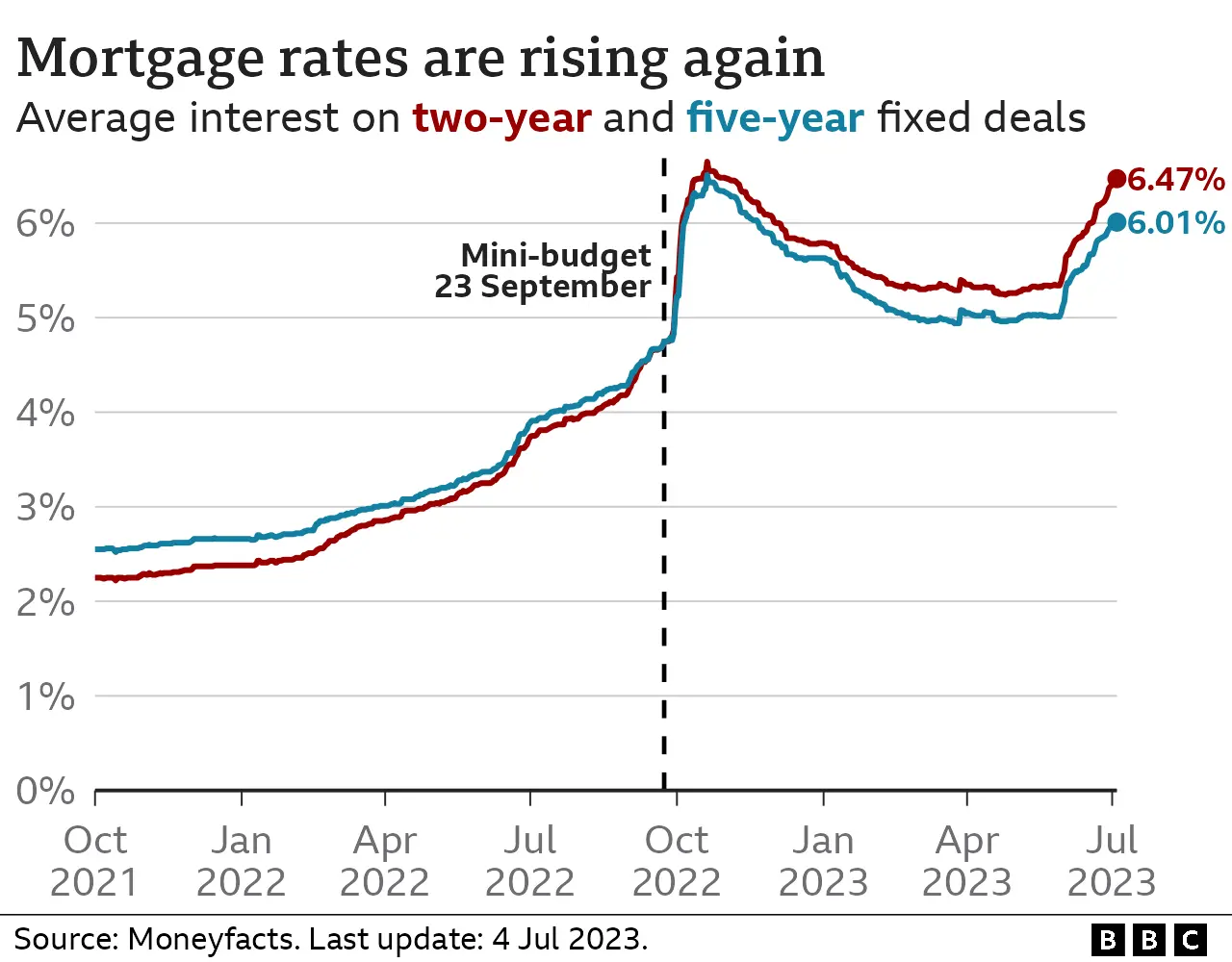
Mortgage rates do not exist in a vacuum. In the United States, they are heavily influenced by the yields on 10-year Treasury notes. When investors feel the economy is uncertain, they flock to the safety of government bonds, driving prices up and yields down, which often leads to lower mortgage rates. Conversely, in a robust economy where inflation fears are high, bond yields rise, pulling mortgage rates upward with them.
The Federal Reserve also plays a pivotal role, though it does not set mortgage rates directly. By adjusting the federal funds rate—the rate at which banks lend to one another overnight—the Fed influences the overall cost of credit across the economy. When the Fed raises rates to combat inflation, the cost of borrowing for banks increases, a cost that is invariably passed down to the consumer in the form of higher mortgage interest.
Simple Interest vs. Amortization
Most residential mortgages utilize a process known as amortization. Unlike simple interest, where interest is calculated only on the principal balance, an amortized loan is structured so that the borrower pays a fixed amount every month. In the early years of the mortgage, a significantly higher portion of that payment goes toward interest rather than principal. As the balance decreases over time, the interest portion shrinks, and the principal repayment grows. Understanding this trajectory is vital for homeowners who plan to sell or refinance within a few years, as they will have built relatively little equity in the early stages of the loan.
Fixed-Rate vs. Adjustable-Rate Mortgages: Choosing a Financial Strategy
The choice between a fixed-rate and an adjustable-rate mortgage (ARM) is one of the most significant decisions a borrower faces, as it defines the level of risk and predictability in their financial future.
The Security of Fixed-Rate Mortgages
The fixed-rate mortgage is the gold standard for stability. Whether the term is 15, 20, or 30 years, the interest rate remains identical from the first payment to the last. This protects the homeowner from market volatility and rising inflation. From a wealth-management perspective, a fixed-rate mortgage in a rising-rate environment is a massive asset; as the value of currency decreases over time, the borrower is paying back the debt with “cheaper” dollars while their interest cost remains locked at a lower historical rate.
The Dynamics of Adjustable-Rate Mortgages (ARMs)
Adjustable-rate mortgages typically offer a lower initial interest rate than fixed-rate loans for a set period—usually 3, 5, 7, or 10 years. After this “teaser” period, the rate adjusts periodically based on a specific financial index, such as the Secured Overnight Financing Rate (SOFR).
While ARMs offer lower initial payments, they carry “interest rate risk.” If market rates climb significantly, the monthly payment can skyrocket, potentially leading to financial strain. However, for a professional who knows they will relocate or sell the property before the adjustment period begins, an ARM can be a strategic tool to minimize interest expenses in the short term.
15-Year vs. 30-Year Terms
The term of the loan drastically affects the interest rate offered. Lenders typically offer lower interest rates on 15-year mortgages because the shorter duration represents less risk of default and less exposure to long-term inflation. While the monthly payments are higher due to the compressed repayment schedule, the total interest paid over the life of the loan is substantially lower, often saving the borrower hundreds of thousands of dollars.
Factors That Influence Your Personalized Interest Rate
While macroeconomics sets the baseline, your personal financial health determines where your specific rate lands on the spectrum. Lenders use a process called “risk-based pricing” to determine the interest rate for an individual borrower.
The Power of the Credit Score
Your FICO score is perhaps the most influential factor in determining your mortgage rate. Lenders view higher credit scores as an indicator of lower default risk. A borrower with a score above 760 will likely qualify for the lowest available market rates, whereas a borrower with a score in the 620s may face a rate that is 1% to 2% higher. Over a 30-year period, this seemingly small gap can result in a staggering difference in total interest paid.
Loan-to-Value (LTV) Ratio and Down Payments
The LTV ratio is the amount of the loan divided by the value of the property. A lower LTV (meaning a higher down payment) reduces the lender’s risk. If a borrower puts down 20% or more, they are seen as having “skin in the game,” which often earns them a more favorable interest rate. Conversely, low down payment loans often come with higher interest rates and the added cost of Private Mortgage Insurance (PMI), which protects the lender in case of default.
Debt-to-Income (DTI) Ratio
Lenders examine your DTI to ensure you have the cash flow to handle a mortgage payment alongside your other obligations, such as car loans, student debt, and credit cards. A high DTI suggests financial fragility, which may lead a lender to increase the interest rate to compensate for the perceived risk or to deny the loan altogether.
Property Type and Occupancy
Interest rates are also sensitive to the intended use of the property. Primary residences usually receive the lowest rates. Investment properties and second homes carry higher rates because historical data shows that in times of financial hardship, individuals are more likely to default on an investment property than on the roof over their heads.
Strategies for Securing and Managing Your Mortgage Rate
Securing a low interest rate is not a matter of luck; it requires proactive financial management and market awareness.
Mortgage Points: Buying Down the Rate
Borrowers often have the option to pay “discount points” at closing to lower their interest rate. One point typically costs 1% of the total loan amount and reduces the interest rate by approximately 0.25%. This is a classic “break-even” calculation. If you plan to stay in the home long enough for the monthly savings to exceed the upfront cost of the points, “buying down the rate” is a sound investment.
The Importance of Rate Locking
Mortgage rates fluctuate daily, sometimes even hourly. Once you have found a rate that fits your budget, you can “lock” it for a specific period (usually 30 to 60 days) while your loan is processed. This protects you from rate spikes during the underwriting period. Some lenders offer a “float-down” option, which allows you to lock in a low rate but also take advantage of a lower rate if the market drops before you close.
The Role of Refinancing
The interest rate on your mortgage is not necessarily permanent. In a declining rate environment, homeowners often “refinance” to replace their current high-interest loan with a new one at a lower rate. The general rule of thumb is that if you can reduce your rate by at least 0.75% to 1%, and you plan to stay in the home for several more years, refinancing is financially advantageous. It can reduce monthly overhead, shorten the loan term, or allow the homeowner to tap into equity for other investments.

The Long-Term Financial Impact of Interest Rates
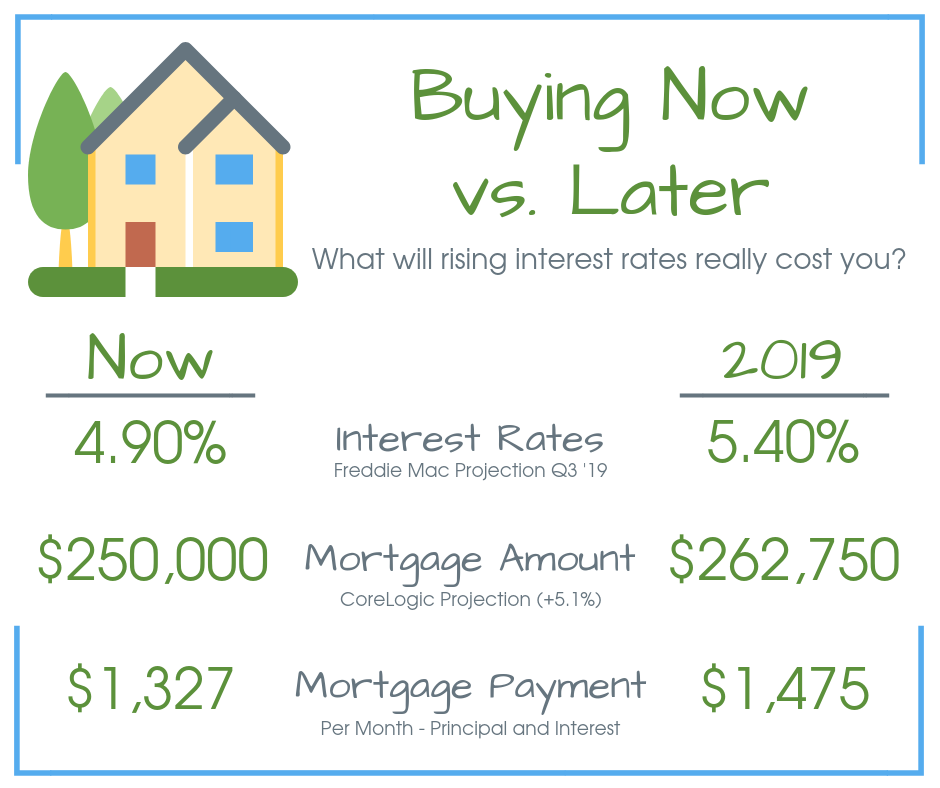
To truly grasp what a mortgage interest rate represents, one must look at the total cost of capital over decades. On a $400,000 mortgage at a 4% interest rate, the total interest paid over 30 years is approximately $287,000. If that rate increases to 7%, the total interest paid jumps to over $558,000.
This $271,000 difference illustrates why the interest rate is the most critical variable in real estate finance. It is the difference between struggling to save for retirement and having a robust portfolio. For the sophisticated investor, the interest rate is a hurdle rate; if the cost of the mortgage is 3% and the stock market is returning an average of 7%, it may make more sense to carry the mortgage and invest excess cash. However, if the mortgage rate is 7% or 8%, paying down the principal faster provides a guaranteed “return” on investment equal to the interest saved.
In conclusion, a mortgage interest rate is more than just a number on a loan application. It is a reflection of the global economy, a measurement of your personal financial reliability, and a primary driver of your long-term net worth. By understanding how these rates are calculated, how they differ across loan products, and how they can be managed through strategic financial planning, you can navigate the housing market with confidence and precision.
aViewFromTheCave is a participant in the Amazon Services LLC Associates Program, an affiliate advertising program designed to provide a means for sites to earn advertising fees by advertising and linking to Amazon.com. Amazon, the Amazon logo, AmazonSupply, and the AmazonSupply logo are trademarks of Amazon.com, Inc. or its affiliates. As an Amazon Associate we earn affiliate commissions from qualifying purchases.