
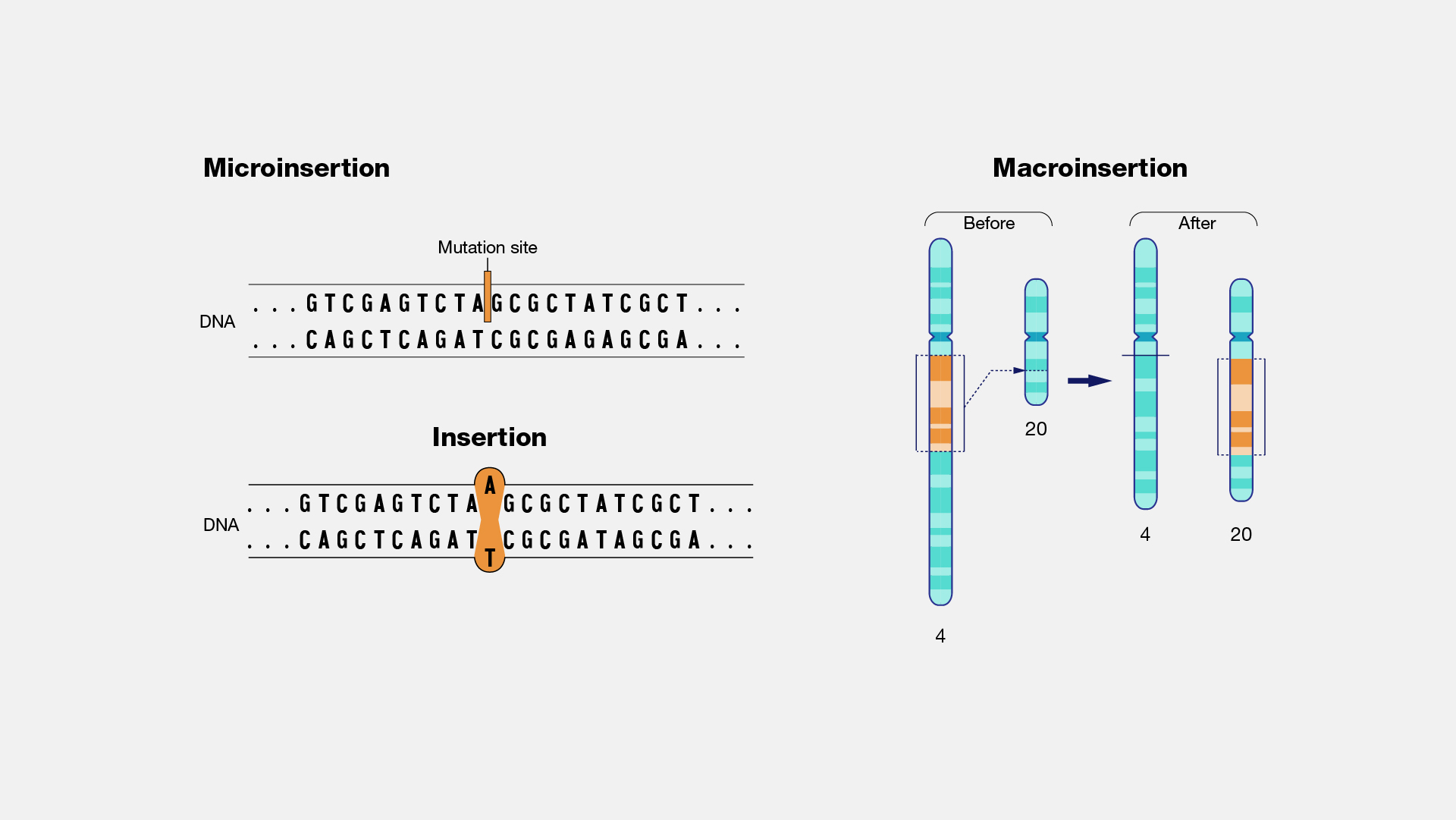
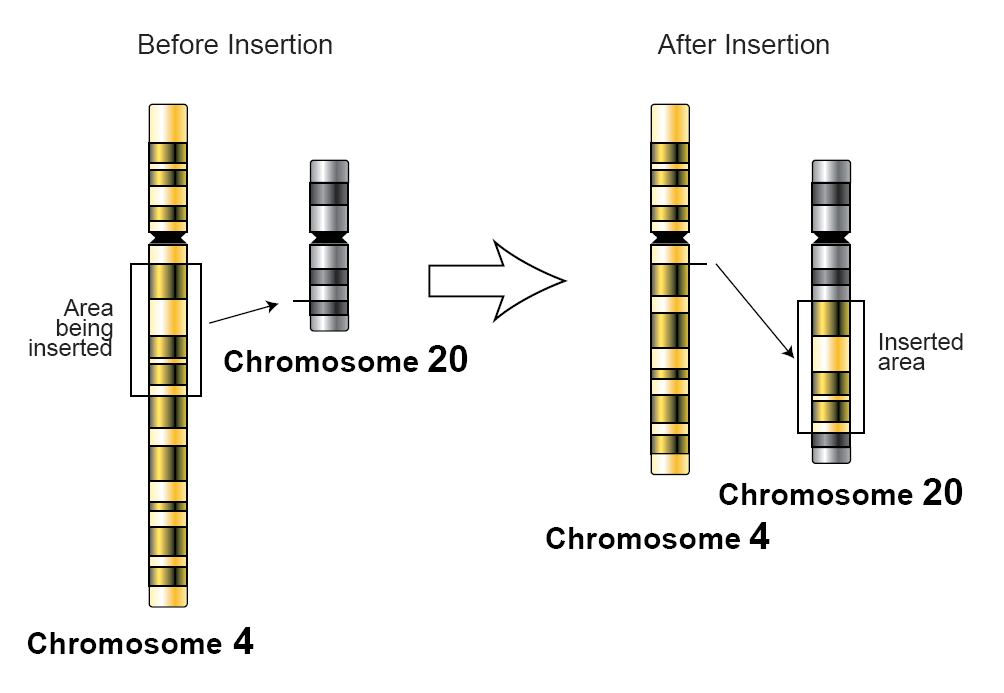
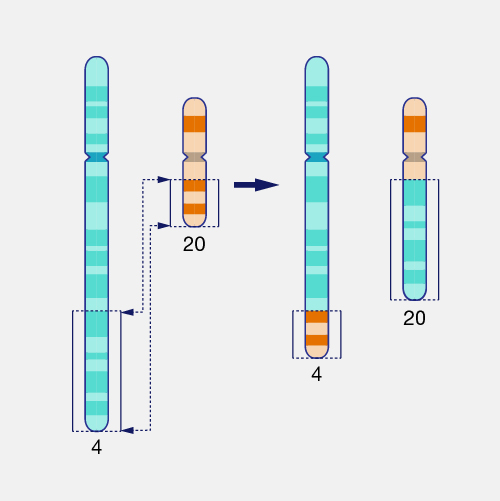
In the rapidly evolving landscape of computer science, terminology often migrates from the biological sciences to describe complex digital phenomena. One such term is “insertion mutation.” While its origins lie in genetics—describing the addition of one or more nucleotide base pairs into a DNA sequence—the tech industry has adopted this concept to describe critical processes in genetic algorithms, software testing, and cybersecurity.
In the digital context, an insertion mutation represents a fundamental change in a sequence of data or code. Whether it is used as a tool for innovation in Artificial Intelligence (AI) or as a vulnerability in data systems, understanding insertion mutation is essential for developers, data scientists, and security experts. This article explores the mechanics of insertion mutation within technology, its role in evolutionary computing, and its implications for modern digital security.
The Mechanics of Insertion Mutation in Genetic Algorithms
Genetic Algorithms (GAs) are a cornerstone of heuristic search and optimization in Artificial Intelligence. They mimic the process of natural selection to find solutions to complex problems. Within this framework, a “population” of potential solutions undergoes “evolution” over several generations. Insertion mutation plays a pivotal role in this evolutionary journey.
Defining the “Chromosome” in Code
In a genetic algorithm, a potential solution is represented as a string of data, often called a “chromosome” or “genome.” This string consists of various parameters known as “genes.” For an algorithm to find the most efficient solution, it must explore a vast “search space.” If the algorithm only relies on the initial data provided, it might get stuck in a “local optimum”—a solution that is good but not the best possible. To prevent this stagnation, developers introduce “mutation operators” to maintain genetic diversity within the population.
How the Insertion Process Works
An insertion mutation occurs when a new gene is added to a random position within the chromosome, or when an existing gene is duplicated and “inserted” elsewhere in the sequence. In software engineering, this might look like adding a new variable to a function or an extra step in a logistical routing algorithm.
The process typically follows three steps:
- Selection: The algorithm selects a member of the current population for mutation.
- Point Identification: A random point within the data string is identified as the insertion site.
- Modification: A new piece of data is injected, shifting the subsequent data points. This shift is crucial because it can fundamentally change the “fitness” of the solution, potentially uncovering a breakthrough path that the algorithm hadn’t previously considered.
Maintaining Diversity in Machine Learning Models
In machine learning, diversity is the antidote to overfitting. Insertion mutation ensures that the model does not become too specialized in one direction. By inserting random noise or new data parameters during the training phase—a concept related to “data augmentation”—developers can create more robust AI models. This “mutation” helps the system generalize better when it encounters real-world data it hasn’t seen before.
Insertion Mutation in Cybersecurity: The Risk of Data Injection
While insertion mutation is a powerful tool for optimization in AI, the same logic is often used by malicious actors to compromise systems. In the world of digital security, “insertion” refers to the unauthorized injection of code or data into a legitimate stream, often resulting in a “mutation” of the intended software behavior.
SQL Injection and Payload Insertion
One of the most common applications of malicious insertion is the SQL injection (SQLi) attack. In this scenario, an attacker “inserts” a snippet of SQL code into a web form or API request. If the system is not properly secured, this inserted code “mutates” the original query.
For example, a simple login query intended to check a username might be mutated into a command that deletes an entire database table. This is a literal “insertion mutation” of the software’s logic. Understanding the biological unpredictability of mutations helps security professionals visualize how even a small, inserted string of code can lead to catastrophic system failures.
Polymorphic Code and Malware Evolution
Advanced malware often utilizes “mutation engines” to evade detection by antivirus software. This is known as polymorphic or metamorphic code. Here, the malware uses insertion mutations to add “junk code” or non-functional instructions into its own binary.
Because the structure of the file changes (mutates) with every new infection, signature-based security tools fail to recognize it. The core “malicious gene” remains active, but it is surrounded by newly inserted data that masks its identity. For cybersecurity professionals, studying these mutations is a cat-and-mouse game of identifying the underlying logic despite the constantly shifting outer shell.
Buffer Overflows as Mutative Vulnerabilities
A buffer overflow occurs when a program tries to store more data in a temporary storage area (the buffer) than it was intended to hold. This allows an attacker to “insert” extra data that spills over into adjacent memory spaces. This overflow can overwrite the program’s instruction pointer, effectively mutating the program’s execution flow. By inserting specific “payloads,” attackers can force a server to grant them administrative access or leak sensitive encryption keys.
Practical Applications: Solving Complex Optimization Problems
Moving back to the constructive side of technology, insertion mutation is a vital component in solving NP-hard problems—mathematical problems that are notoriously difficult to solve as they scale.
The Traveling Salesperson Problem (TSP)
The Traveling Salesperson Problem asks: “Given a list of cities and the distances between each pair, what is the shortest possible route that visits each city exactly once and returns to the origin city?”
In a genetic algorithm designed to solve the TSP, insertion mutation is used to explore new routes. By picking a city and “inserting” it at a different point in the sequence, the algorithm can test if a different stop-order reduces the total travel time. Without this mutation, the algorithm might converge on a route that is efficient but omits a much faster shortcut that involves a completely different sequence.
Cloud Resource Allocation and Scheduling
In the world of DevOps and Cloud Computing, resource allocation is a constant challenge. Servers must decide how to distribute CPU, RAM, and storage across thousands of competing tasks.
Insertion mutation is used in the scheduling algorithms of large-scale data centers. By “inserting” a high-priority task into different slots of a processing queue and observing the mutation of the system’s overall latency, cloud providers like AWS or Azure can optimize their hardware usage. This ensures that no single server is overwhelmed while others sit idle, maximizing the ROI on digital infrastructure.
Best Practices for Managing Tech Mutations
Whether you are using insertion mutation to train a neural network or defending against it in a security context, there are several best practices to manage these structural changes effectively.
Validation and Error Handling
For developers using mutation in their code, strict validation is a necessity. If an insertion mutation results in a “nonsense” string—data that the system cannot process—it can lead to a crash.
- Fitness Functions: In genetic algorithms, always use a robust “fitness function” to immediately discard mutations that result in invalid or dangerous parameters.
- Input Sanitization: To prevent malicious insertion mutations (like SQLi), always sanitize user inputs. Use parameterized queries so that inserted data is treated as text rather than executable code.
Monitoring and Observability
In complex software ecosystems, “silent mutations” can occur due to bit rot or minor logic errors during updates. Implementing high-level observability tools allows teams to monitor the state of their data. If the “genome” of a system’s data stream begins to mutate unexpectedly, automated alerts can trigger a rollback to a stable state.
Ethical Considerations in Mutative AI
As we move toward “Self-Evolving Code,” where AI can write and mutate its own instructions, ethical guardrails become paramount. An insertion mutation in an autonomous vehicle’s decision-making algorithm could have life-or-death consequences. Tech leaders must implement “sandbox” environments where mutations can be tested and vetted before they are allowed to influence real-world hardware.
Conclusion: The Future of Evolutionary Technology
The concept of insertion mutation reminds us that technology is not a static entity; it is a dynamic, evolving system. By borrowing principles from biology, computer scientists have unlocked new ways to solve the world’s most difficult optimization problems. From refining the routes of delivery drones to protecting global financial networks from injection attacks, the logic of insertion mutation is everywhere.
As we look toward the future, the role of mutation in technology will only grow. With the rise of Quantum Computing and increasingly sophisticated AI, the ability to purposefully and safely mutate data will be the key to the next generation of digital breakthroughs. By understanding the mechanics, risks, and applications of insertion mutation, tech professionals can better navigate the complexities of our increasingly algorithmic world.
aViewFromTheCave is a participant in the Amazon Services LLC Associates Program, an affiliate advertising program designed to provide a means for sites to earn advertising fees by advertising and linking to Amazon.com. Amazon, the Amazon logo, AmazonSupply, and the AmazonSupply logo are trademarks of Amazon.com, Inc. or its affiliates. As an Amazon Associate we earn affiliate commissions from qualifying purchases.