
In the world of golf, the term “handicap” is often thrown around, but what does it truly signify beyond a simple number? While the concept of a handicap is rooted in fairness and ensuring competitive balance, its modern implementation is deeply intertwined with sophisticated technology. This article will explore the meaning of a golf handicap, delving into the technological advancements that underpin its calculation, management, and evolution. Far from being a static metric, the golf handicap is a dynamic system powered by data, algorithms, and digital platforms, making it a fascinating case study in applied technology within a traditional sport.

The Foundation: Understanding the Handicap Index
At its core, a golf handicap is a numerical measure of a golfer’s playing ability. It represents the number of strokes above or below “par” a golfer is expected to shoot on an average course. However, the modern handicap system has moved beyond simple averages to a more refined and equitable calculation.
From Local Committees to Global Standards
Historically, handicaps were managed by individual golf clubs, leading to significant inconsistencies and potential for manipulation. The advent of national handicapping bodies, and more recently, the World Handicap System (WHS), has revolutionized this process. The WHS, implemented globally, aims to standardize handicap calculation and provide a uniform measure of playing ability for golfers worldwide. This unification is a testament to the power of shared data and agreed-upon technological standards.
The Algorithm: The Engine of Handicap Calculation
The calculation of a handicap index is no longer a manual arithmetic exercise. It relies on sophisticated algorithms that process vast amounts of data. The WHS, for instance, considers a golfer’s best 8 scores out of their most recent 20 rounds played. This “best of 20” approach is a crucial technological element, leveraging statistical analysis to identify a golfer’s true playing potential rather than their occasional bad rounds.
Course Handicap: Tailoring to the Terrain
A key technological innovation in handicapping is the “Course Handicap.” This is not a static number but is calculated specifically for the golf course a player is about to play. It takes into account the “Course Rating” (the expected score for a scratch golfer) and the “Slope Rating” (the relative difficulty of the course for a bogey golfer compared to a scratch golfer). These ratings themselves are derived from extensive data analysis of course design, hole lengths, and obstacles. The technological sophistication here lies in the ability to translate course-specific data into a practical, on-the-spot adjustment for any golfer.
Equitable Stroke Control (ESC): Mitigating Extremes
Another technological feature designed to enhance fairness is Equitable Stroke Control (ESC). This system caps the maximum score a player can record on any given hole, regardless of their actual score. This prevents a single disastrous hole from disproportionately affecting a golfer’s handicap. The implementation of ESC requires digital systems capable of applying these rules automatically during score input.
The Digital Ecosystem: Managing and Tracking Handicaps
The management and tracking of golf handicaps have been fundamentally transformed by digital technology. Gone are the days of handwritten scorecards and manual tabulation.
Online Platforms and Mobile Apps: The Modern Scorecard
Today, golfers primarily manage their handicaps through online platforms and mobile applications. These digital tools are the central hubs for entering scores, viewing handicap records, and connecting with other golfers. They leverage cloud computing to store and process data securely and efficiently.
Real-time Updates and Accessibility
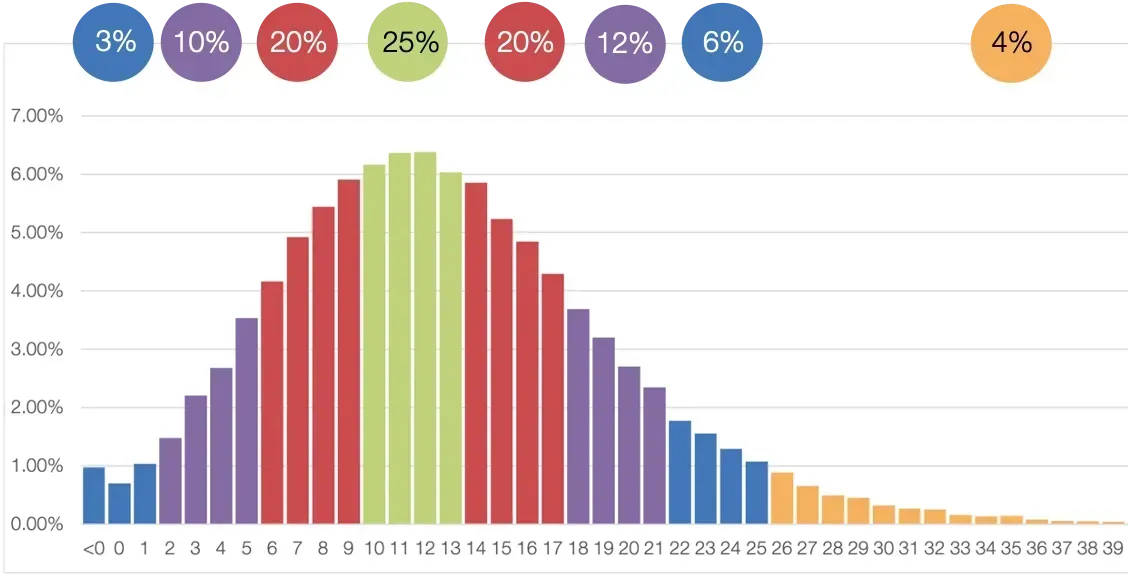
One of the significant technological advantages of these platforms is the ability to update handicaps in near real-time. As soon as a golfer submits their score through an app or website, the system processes it, and their handicap index is updated accordingly. This immediate feedback is invaluable for golfers looking to track their progress and understand their current playing ability. Furthermore, this accessibility means a golfer’s handicap is readily available no matter where they are in the world, facilitating fair play in different locations.
Data Analytics for Player Improvement
Beyond simply calculating a handicap, these digital platforms offer powerful data analytics tools. Golfers can often access detailed statistics about their game, such as driving accuracy, greens in regulation, putts per round, and more. This data, often visualized through graphs and charts, provides actionable insights for improvement. This is where the technology moves beyond mere management to actively supporting player development, a key benefit of modern digital tools.
The Role of GPS and Scoring Devices
Further technological integration comes in the form of GPS devices and specialized golf scoring devices. Many of these devices can automatically record a golfer’s location on the course, distances to hazards, and even track their shots. Some advanced devices can even integrate directly with handicap management software, allowing for automatic score submission and analysis. This seamless data flow represents the cutting edge of technology in golf handicap management.
The Future of Golf Handicaps: AI and Beyond
The evolution of golf handicaps is intrinsically linked to technological advancements, and the future promises even greater innovation.
Artificial Intelligence and Predictive Analytics
Artificial intelligence (AI) is poised to play a significant role in the future of golf handicaps. AI algorithms can analyze vast datasets of golfer performance, course conditions, and even weather patterns to provide more nuanced and predictive handicap calculations. This could lead to handicaps that are even more reflective of a golfer’s true potential under various circumstances.
Personalized Training and Performance Insights
AI can also be used to offer personalized training recommendations based on a golfer’s handicap data and performance statistics. By identifying specific areas of weakness, AI-powered systems could suggest targeted drills and practice routines, accelerating player development. This moves the handicap from being just a measure of ability to a tool for intelligent performance enhancement.
Blockchain and Secure Data Management
While perhaps a more futuristic application, blockchain technology could offer unparalleled security and transparency in handicap management. A decentralized ledger system could ensure that handicap data is tamper-proof and accessible only to authorized parties, further enhancing the integrity of the system. This addresses potential concerns about data security and the historical issues of handicap manipulation.

Enhanced Course Rating and Slope Calculation
The ongoing technological advancements in data capture and analysis will also improve the accuracy of course ratings and slope ratings. As more data is collected about player performance on different holes and courses, the algorithms used for rating can become even more sophisticated, leading to more equitable handicaps across a wider range of golf courses. This continuous refinement is a hallmark of technologically driven systems.
In conclusion, the meaning of a golf handicap has evolved significantly from its rudimentary origins. Today, it is a sophisticated, data-driven system powered by cutting-edge technology. From the algorithms that calculate its value to the online platforms that manage it and the potential AI integrations of the future, technology is the engine driving fairness, accessibility, and improvement in the game of golf through its handicap system. Understanding these technological underpinnings reveals the true depth and complexity of what a golf handicap signifies in the modern era.
aViewFromTheCave is a participant in the Amazon Services LLC Associates Program, an affiliate advertising program designed to provide a means for sites to earn advertising fees by advertising and linking to Amazon.com. Amazon, the Amazon logo, AmazonSupply, and the AmazonSupply logo are trademarks of Amazon.com, Inc. or its affiliates. As an Amazon Associate we earn affiliate commissions from qualifying purchases.